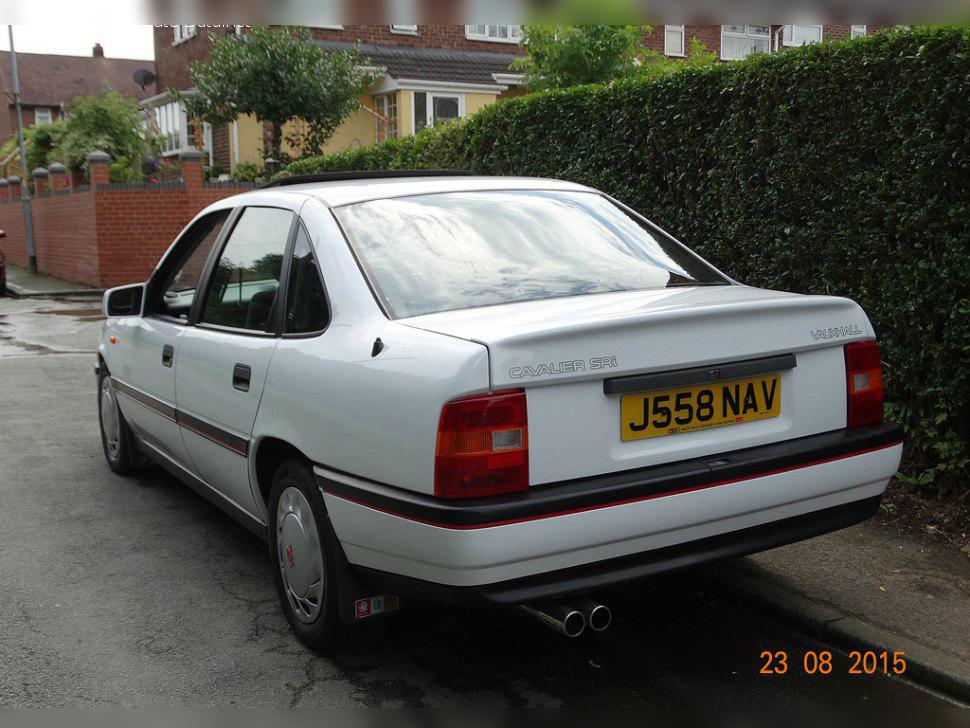
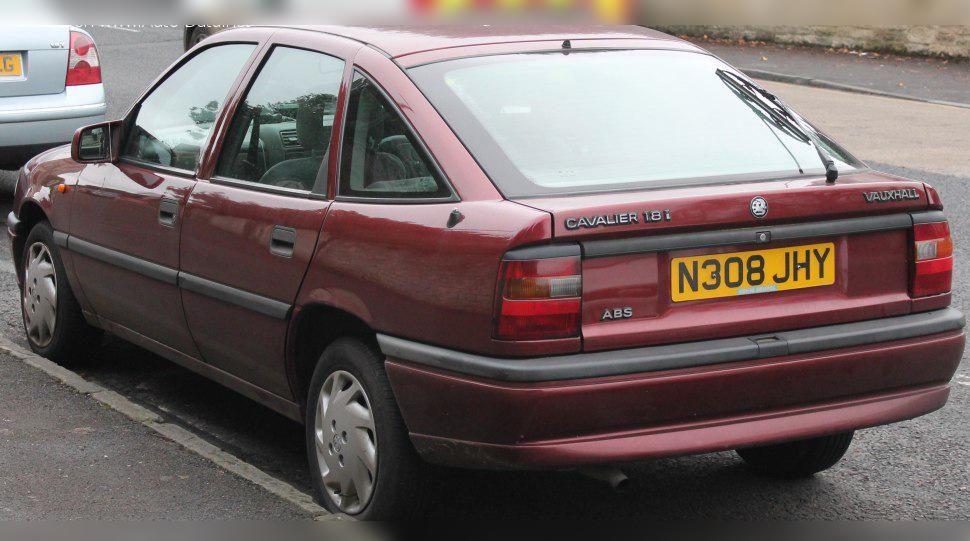
Opel C20NE 2.0i (115 HP): Experiences, problems, fuel consumption and used-car buying tips
- Legendary durability: The C20NE is known as one of the most reliable engines of its time, often outliving the car’s bodywork.
- No engine failure if the belt snaps: This is a so‑called “free‑running” engine – if the timing belt breaks, the pistons and valves will not collide.
- Cheap maintenance: Parts are easy to find and very affordable (depends on the market). There is no dual‑mass flywheel and no sensitive turbo technology.
- Ideal for LPG: It tolerates even the simplest LPG systems without any valve issues.
- Outdated technology: City fuel consumption is high by today’s standards, and performance in heavier vehicles (Omega, Frontera) is modest.
- Most common issues: Oil leaks from the valve cover gasket, dirty idle air control valve (unstable idle) and worn valve stem seals.
Contents
- Introduction: An icon from Rüsselsheim
- Technical specifications
- Reliability and maintenance
- Specific parts and costs
- Fuel consumption and performance
- Additional options and modifications
- Gearbox and drivetrain
- Buying used and conclusion
Introduction: An icon from Rüsselsheim
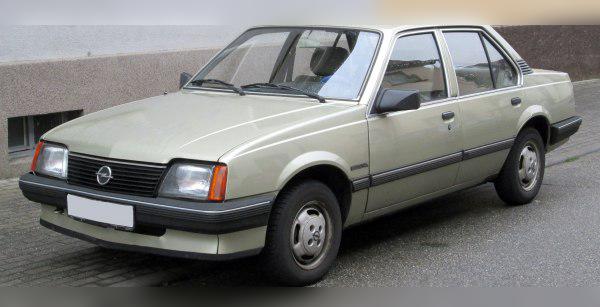
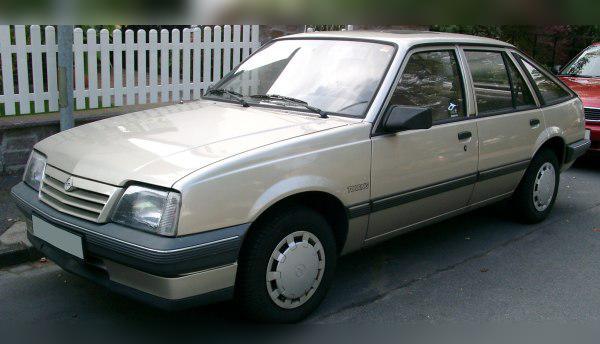
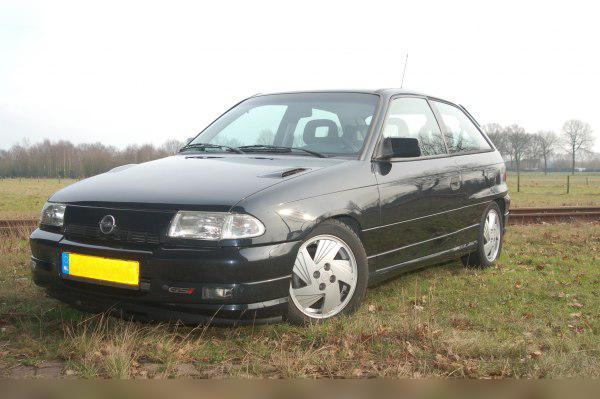
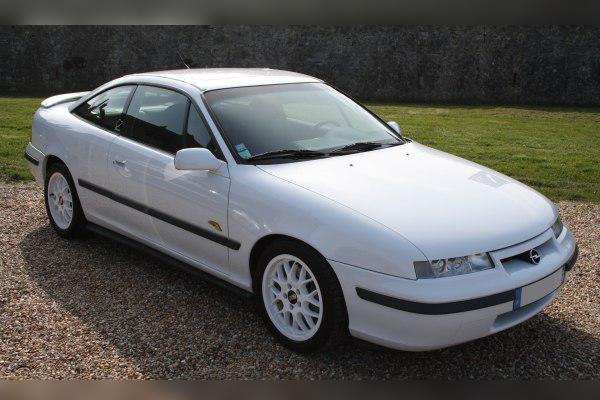
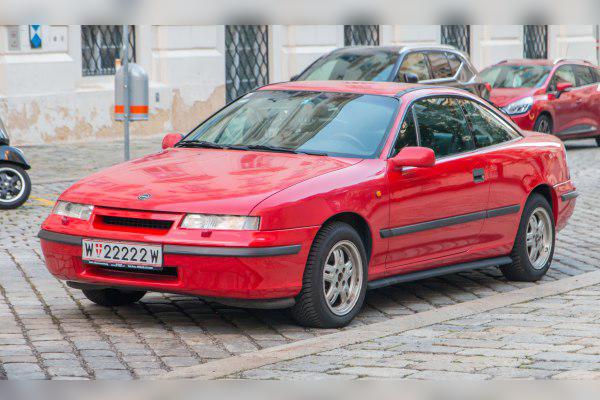
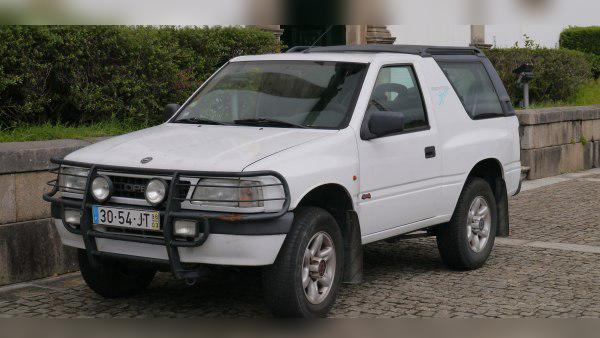
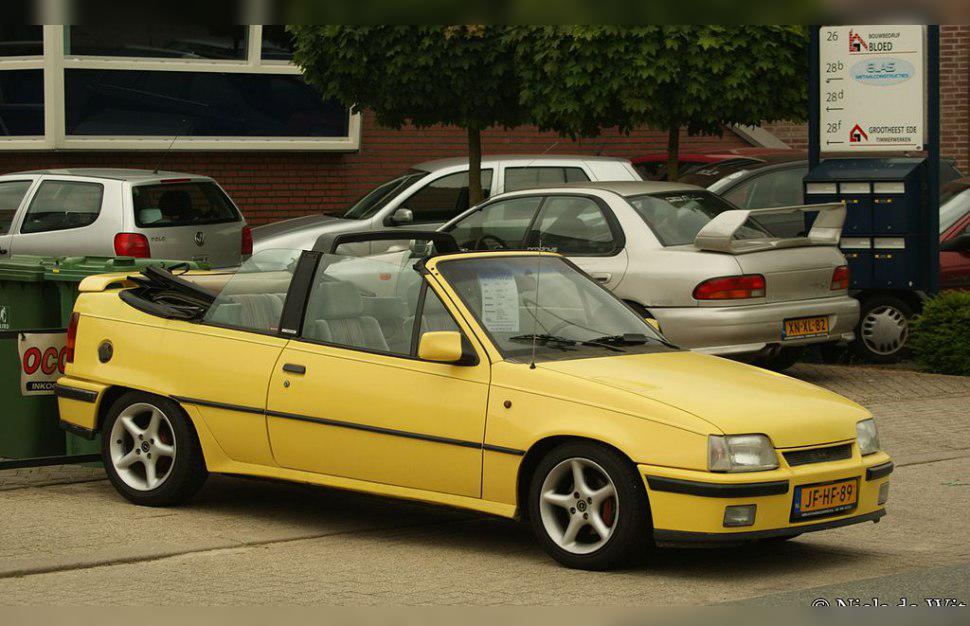
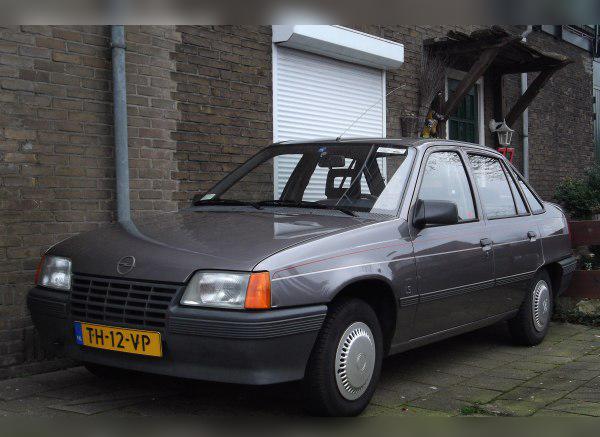
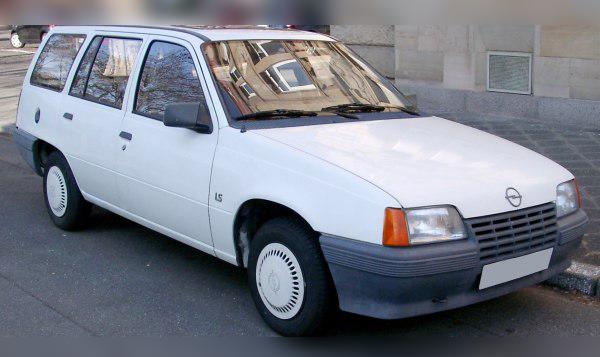
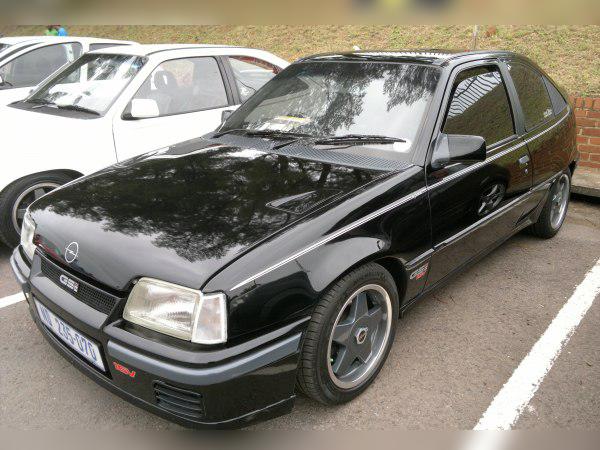
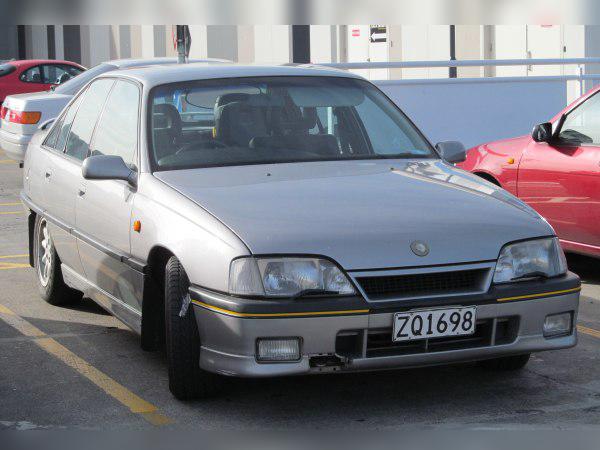
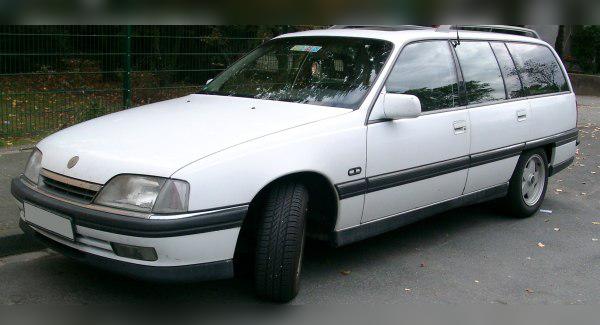
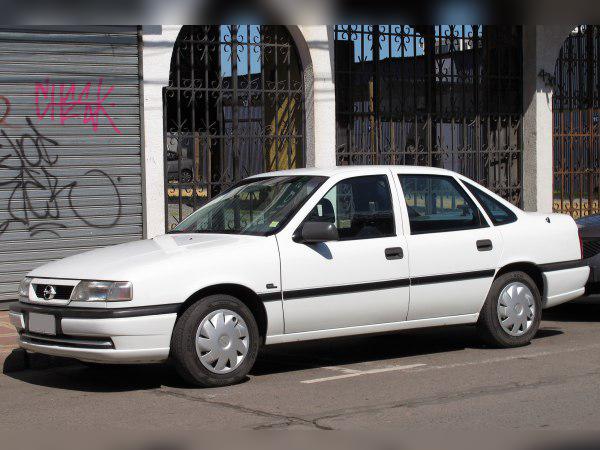
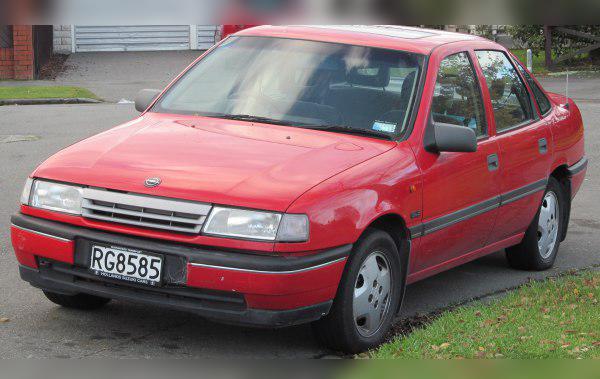
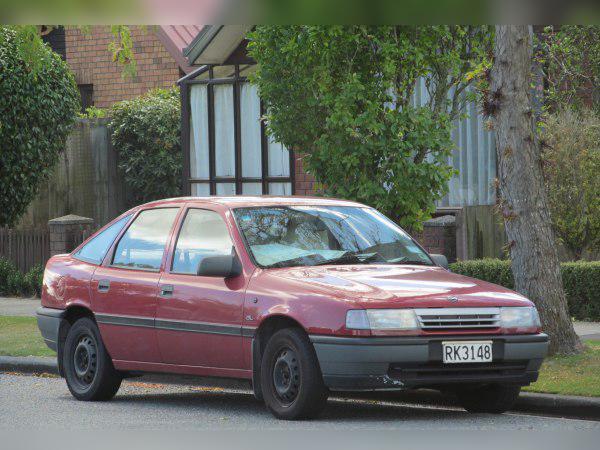
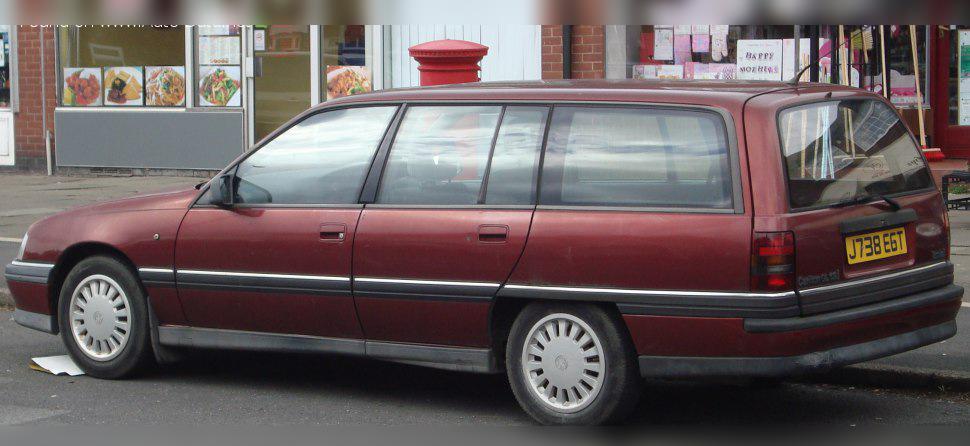
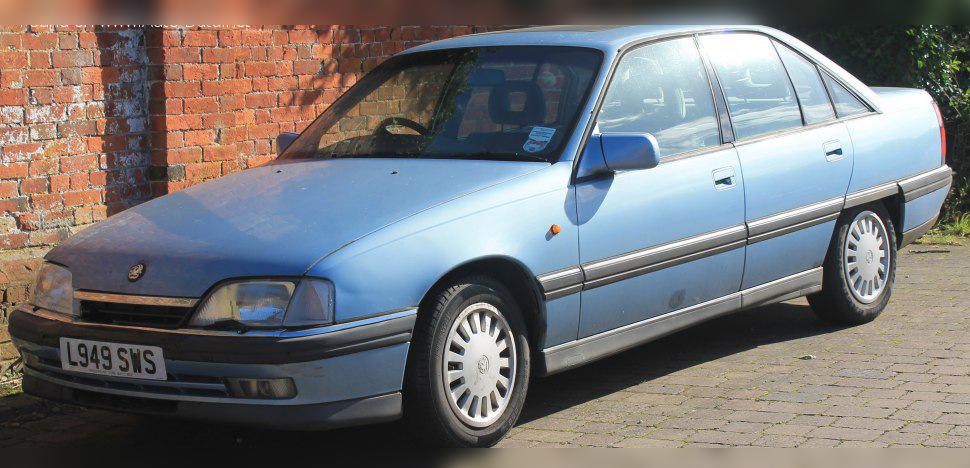
When seasoned mechanics get into a barroom discussion about engines that “can do a million kilometers”, Opel’s two‑liter petrol engine designated C20NE almost always makes the list. Introduced in the eighties and widely used throughout the nineties, this engine powered everything – from light sporty hatchbacks like the Kadett E GSi, through sedans such as the Vectra A and Omega A, all the way to SUVs like the Frontera. Although by today’s standards it offers a modest 115 horsepower from two liters of displacement, its robustness and simplicity make it a mechanic’s dream. There’s no complicated electronics, no eco filters that choke performance – just pure mechanical engineering.
Technical specifications
| Specification | Data |
|---|---|
| Engine code | C20NE |
| Engine displacement | 1998 cc |
| Engine power | 85 kW (115 HP) at 5200 rpm |
| Torque | 170 Nm at 2600 rpm |
| Engine type | Naturally aspirated |
| Number of cylinders / valves | 4 cylinders / 8 valves (SOHC) |
| Fuel injection system | Multipoint (Bosch Motronic) |
Reliability and maintenance
Belt or chain?
The C20NE uses a timing belt for valve timing. Its biggest advantage lies in its design – this is a so‑called “free‑running” (non‑interference) engine. In practice, this means that if the timing belt snaps due to age or neglect, there will be no catastrophic collision between pistons and valves. The mechanic simply re‑times the engine, fits a new belt and the car keeps going.
Service intervals and oil
The major service is recommended every 60,000 km or every 5 years. Parts for the major service are extremely cheap (depends on the market). As for engine oil, the sump holds about 4.0 to 4.5 liters of oil with filter replacement. The recommended viscosity is 10W‑40, given the clearances and age of the engine’s design. Fully synthetic oils like 5W‑30 are not recommended, as they are too thin for this generation of engines and can increase leaks on old seals.
Oil consumption and the most common failures
Does it burn oil? Due to their age, most of these engines today show some level of oil consumption. Around 0.3 to 0.5 liters per 1000 km is considered normal. However, the cause rarely lies in the piston rings, but rather in worn valve stem seals. The symptom is bluish smoke from the exhaust on the first cold start in the morning or when you suddenly hit the throttle after engine braking. The engine also suffers from chronic “sweating” of the block – oil leaks from the valve cover gasket and from the oil pan gasket are an everyday occurrence. The repair is routine and not expensive (depends on the market).
Spark plugs, since this is a classic old‑school petrol engine with a distributor (or a DIS module on later series), are replaced every 30,000 to 40,000 km. There is no need for iridium plugs; standard copper plugs do the job perfectly.
Specific parts and costs
Dual‑mass flywheel, turbo and injection
This is old school: there is no dual‑mass flywheel, but a robust solid flywheel that practically never fails. There is no turbocharger, which frees you from worrying about expensive turbo and intercooler overhauls. There is no DPF filter, and no AdBlue system to give owners of modern diesels headaches.
The fuel injection is handled by a Bosch Motronic system. The injectors are incredibly durable. Clogged injectors most often occur on vehicles fitted with LPG systems, where drivers neglect to run on petrol for months, causing the petrol to gum up inside the injectors. In that case, ultrasonic cleaning usually solves the problem.
Electronics and sensors
What can cause trouble are old sensors. The most problematic is the idle air control valve. The symptoms are obvious to the driver: idle speed fluctuates, the engine stalls when you press the clutch approaching a traffic light, or it idles at excessively high rpm. Cleaning it with carburetor cleaner helps, but sometimes replacement is unavoidable. Also, on earlier versions, the distributor cap and rotor arm can oxidize, causing engine misfires and starting issues in damp weather.
Fuel consumption and performance
City and highway driving
Be aware that a two‑liter petrol engine designed in the eighties is not economical by modern standards. In pure city driving, with lots of stop‑and‑go traffic, fuel consumption rarely drops below 10 to 12 l/100 km. On the open road the situation is much better, with around 6.5 to 7.5 l/100 km. On the motorway, at 130 km/h, the engine spins at about 3200 to 3500 rpm (depending on the gearbox ratios), and then it uses around 8 to 9 liters.
Is the engine “lazy”?
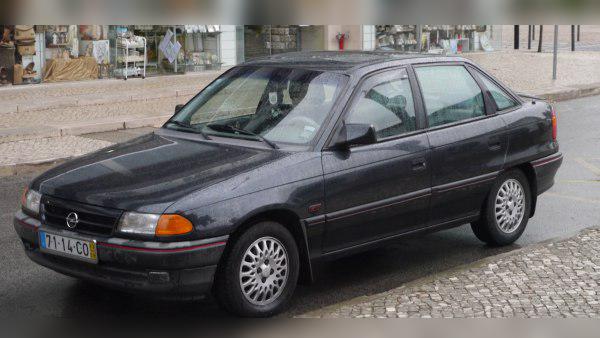
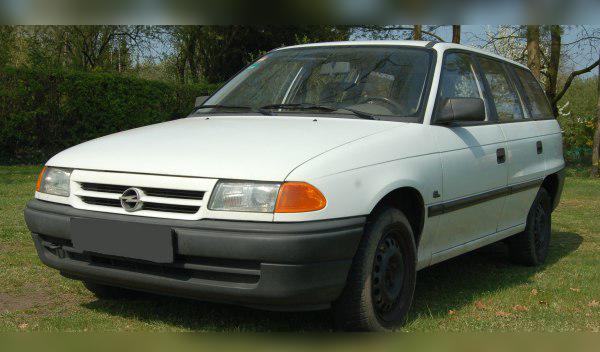
The answer depends on the car it’s installed in. In a Kadett GSi or Astra F, this engine turns the car into a serious rocket on the road, with great throttle response at low revs, since it delivers its maximum 170 Nm already at 2600 rpm. However, when you put it in the heavy body of an Omega A or Frontera A, the engine loses its shine. In those vehicles it feels “lazy” and needs higher revs for safe overtaking, although it is more than adequate for relaxed cruising.
Additional options and modifications
LPG
The C20NE is one of the best engines ever made for LPG conversion. Its valves and valve seats are extremely resistant. It runs perfectly both with the simplest mixer‑type (Venturi) systems and with sequential LPG systems. Because of its high city petrol consumption, running it on LPG is by far the most cost‑effective solution, and the engine will not suffer any damage from it whatsoever.
Chipping (Stage 1)
In short: don’t waste money on “chipping” this engine. Since this is a naturally aspirated eight‑valve unit, optimizing the fuel and ignition maps (Stage 1) will bring a gain of barely 5 to 8 HP, which you will not really feel in everyday driving. More serious tuning of this engine would require mechanical modifications (installing a camshaft from the 1.8E engine, a mass air flow sensor from the 3.0, head porting), but that goes far beyond the scope of economical ownership.
Gearbox and drivetrain
Manual and automatic gearboxes
The C20NE was most commonly paired with 5‑speed manual gearboxes from GM’s series, primarily the very robust F16 and F18. The most common fault with these gearboxes is not related to the gears themselves, but to the linkage (gear selector), which causes the gear lever to develop a lot of play and makes it harder to engage first and second gear. Replacing the selector bushings solves the problem and is not expensive (depends on the market). The clutch kit is replaced as a complete set; replacement is quick because these gearboxes are spacious and easy to work on. It is advisable to change or at least check the oil in the manual gearbox every 100,000 km.
As for automatics, a 4‑speed gearbox was offered (most often the Aisin‑Warner AF20). These are old‑school, “slow” but very durable torque‑converter transmissions. There are no lightning‑fast gear changes, but they rarely fail if properly maintained. The oil in the automatic gearbox must be changed every 60,000 km. If the automatic jerks strongly when shifting into “D” or “R”, the valve body or clutch packs are most likely worn, which can be very expensive to repair (depends on the market).
Buying used and conclusion
What to check before buying?
When looking at a car with a C20NE engine, pay attention to the following:
- Cooling system: After more than 25–30 years, rubber hoses are often hard and prone to cracking. Check the color of the coolant – if it’s rusty, that means plain water has been used in the engine, which corrodes the passages in the block.
- Idle quality: Start the engine cold. After the automatic choke switches off, it should idle smoothly at about 900 rpm. Fluctuations indicate an idle air control valve issue or a cracked intake corrugated hose (air leak).
- Exhaust smoke: Blue smoke after long idling clearly indicates worn valve stem seals.
- Rust: The biggest enemy of this engine is not the mechanics, but the bodywork of the car it’s in! Opel’s bodywork from that era (Vectra A, Kadett E, Astra F) is tragically poor and rusts heavily around wheel arches, sills and strut towers. A perfect C20NE engine is useless if the suspension is about to punch through the floor.
Who is this engine for?
The C20NE is intended for drivers who appreciate old‑school mechanics. It is an indestructible workhorse that forgives late services, tolerates the cheapest spare parts and swallows poor‑quality fuel or LPG without complaint. It’s not for racing on the motorway, nor will it set records for low fuel consumption, but it is an engine with which you will never worry about the extremely expensive failures of the modern era. If you manage to find a car from that period that hasn’t been destroyed by rust, the heart of that car – the C20NE – will serve you faithfully for years.