Opel X16SZ Engine (1.6 8V 71 hp) – Experiences, problems, fuel consumption and used car buying tips
- In short, the most important (TL;DR):
- Extremely durable and mechanically simple old-school engine (8 valves).
- Driven by a timing belt, maintenance is very cheap.
- An ideal candidate for LPG installation, as it handles alternative fuel very well.
- No dual-mass flywheel, no sensitive turbo, and no complex injectors.
- The biggest issues are a clogged EGR valve, a dirty idle control valve and oil consumption due to worn valve stem seals.
- The engine is quite “lazy” and weak for heavier bodies, so it’s not for drivers looking for performance.
Contents
- Introduction: Old-school Opel engineering
- Technical specifications
- Reliability and maintenance
- Specific parts and costs
- Fuel consumption and performance
- Additional options and modifications
- Gearbox and drivetrain
- Buying used and conclusion
Introduction: Old-school Opel engineering
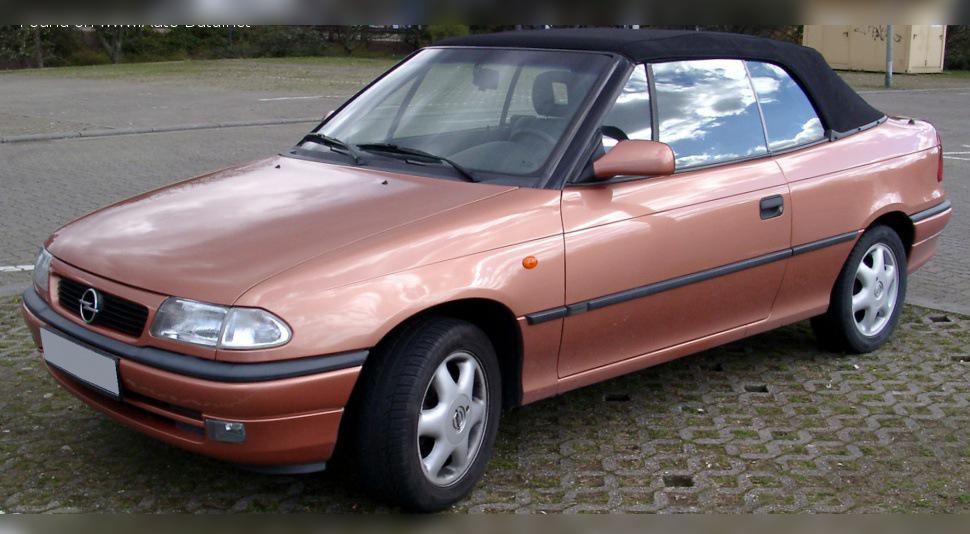
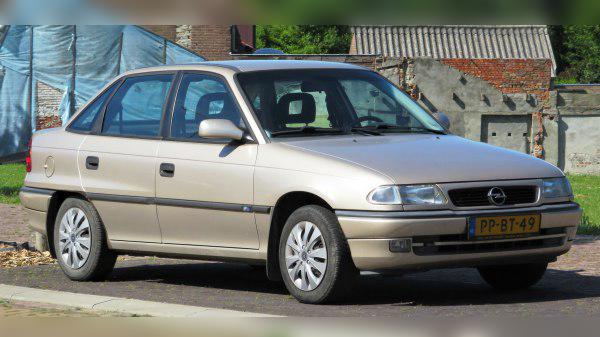
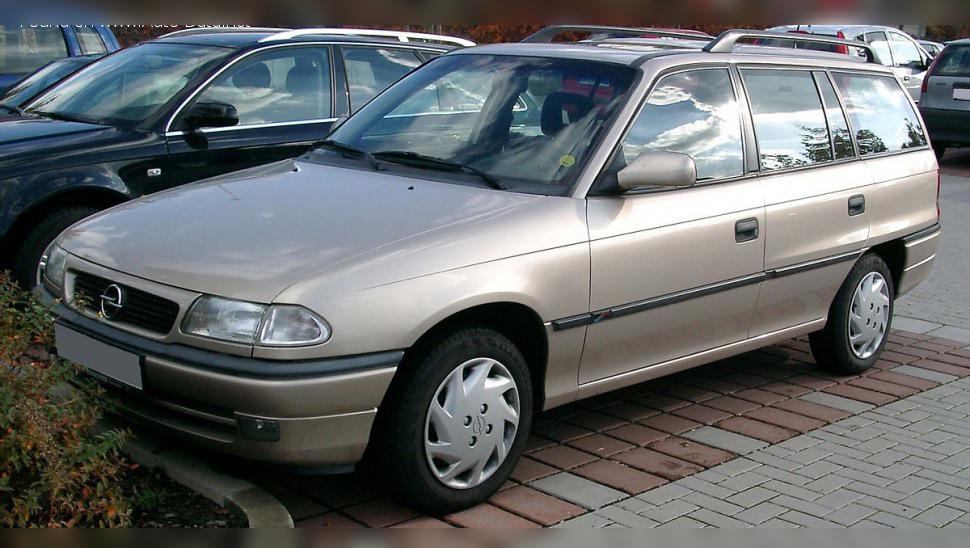
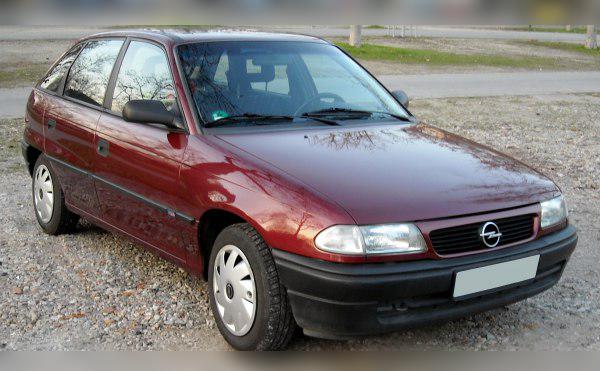
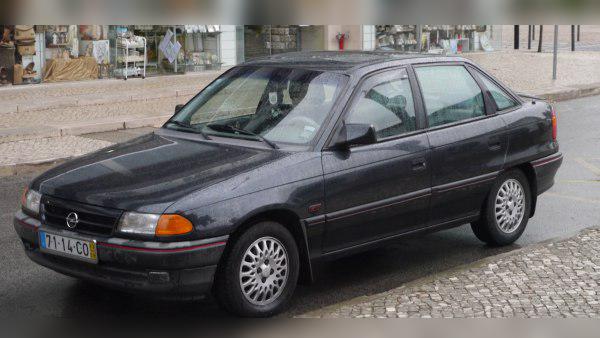
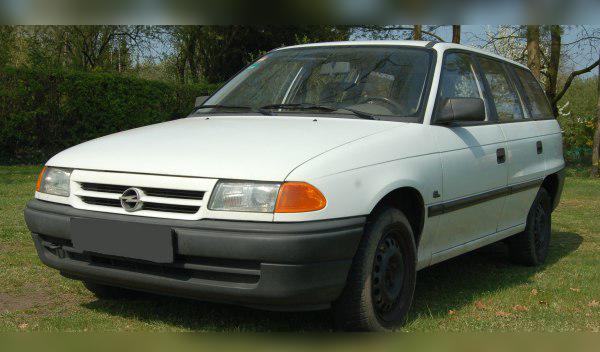
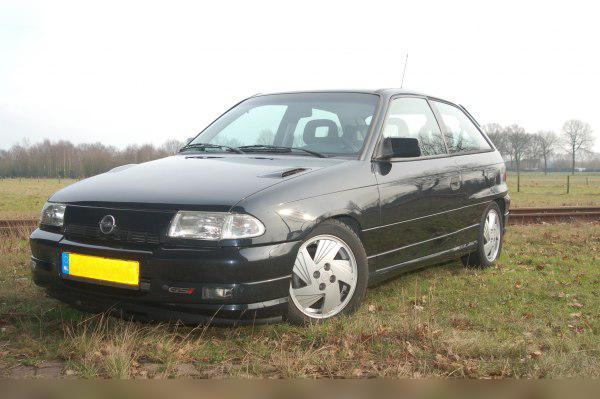
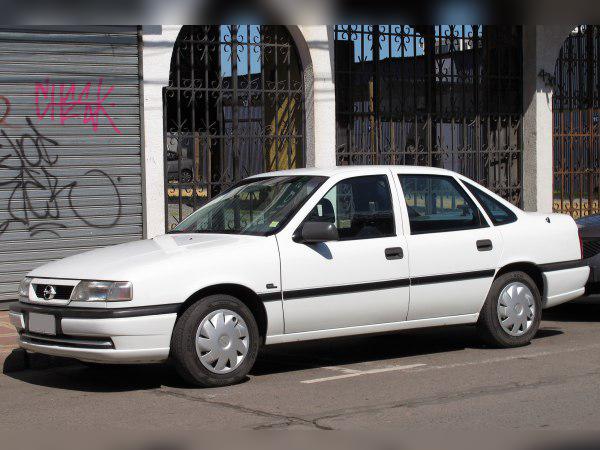
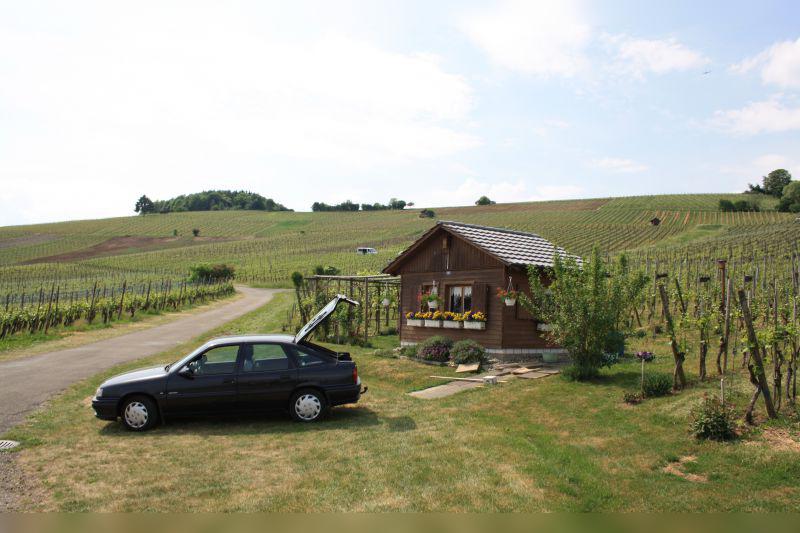
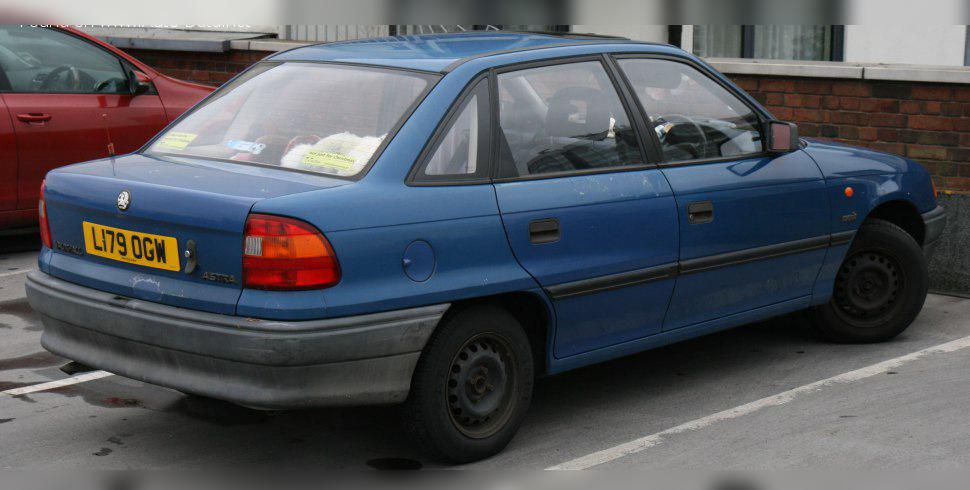
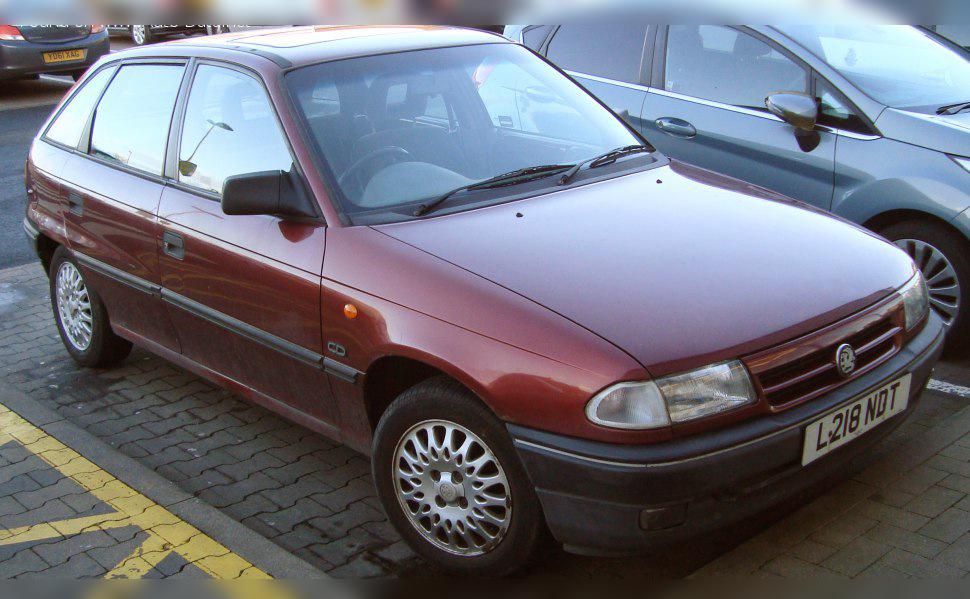
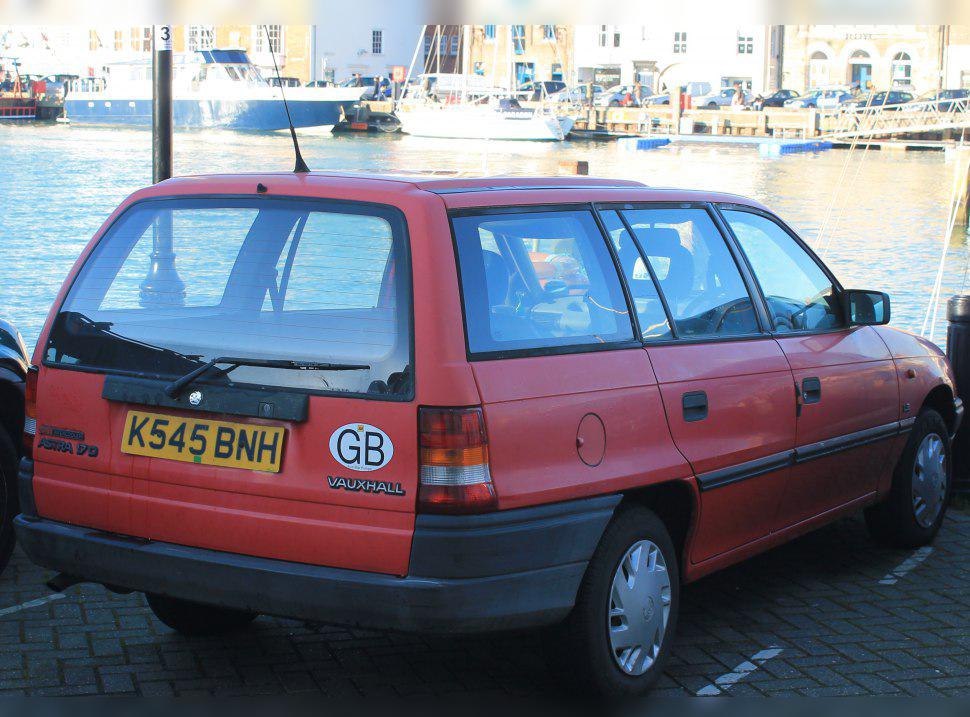
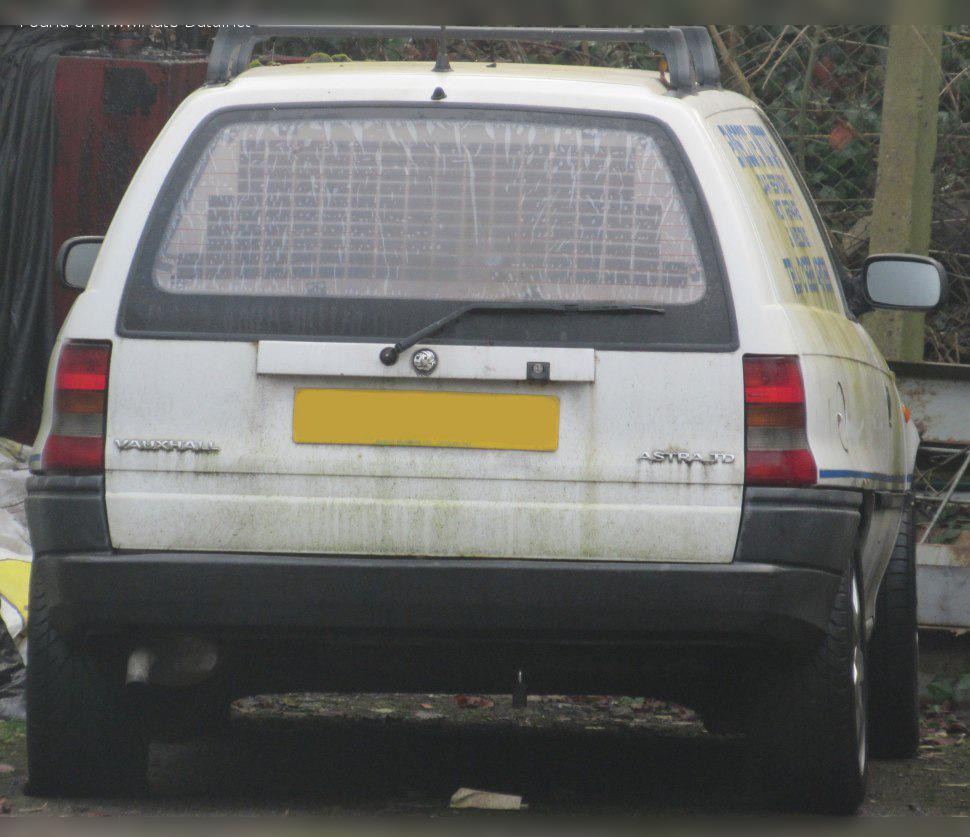
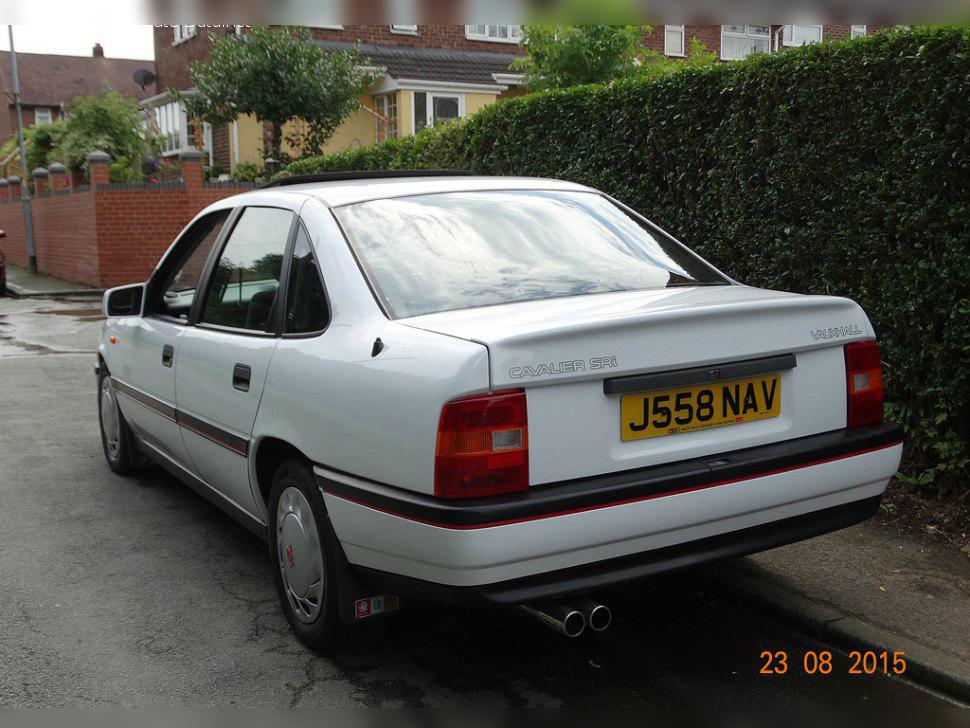
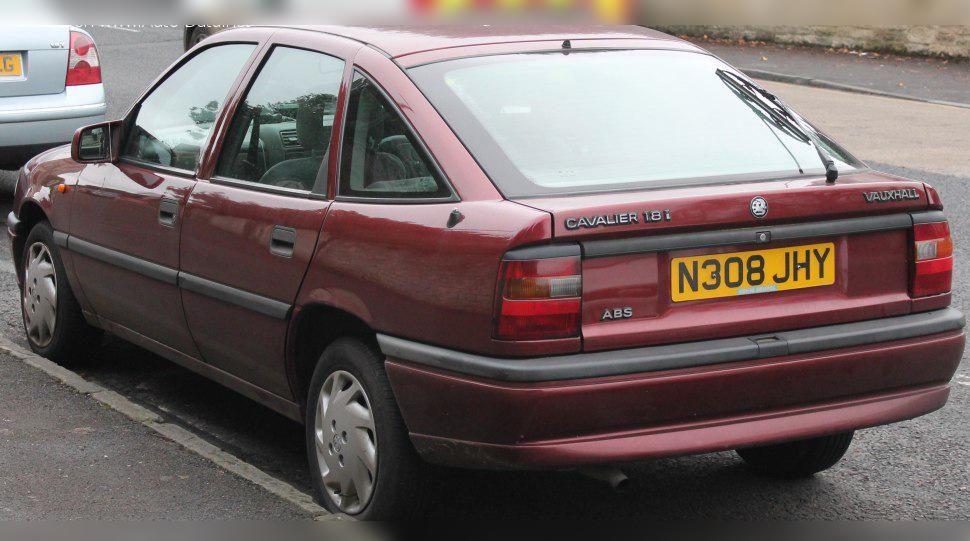
The engine designated X16SZ is one of the best-known and most robust power units from Opel’s lineup during the 1990s. It was developed as an evolution of the famous C16NZ engine, but adapted to stricter Euro 2 emission standards (the letter “X” in the code denotes precisely that emissions class). It was widely installed in models such as the Opel Astra F (in all body styles, including Caravan and Cabrio), Opel Vectra A, as well as their British “twins” wearing the Vauxhall badge (Astra Mk III, Cavalier Mk III). This is an engine that motorized Europe – it wasn’t built for racing, but to cover hundreds of thousands of kilometers with minimal maintenance costs.
Technical specifications
| Specification | Data |
|---|---|
| Engine displacement | 1598 cc |
| Power | 52 kW (71 hp) |
| Torque | 128 Nm at 2800 rpm |
| Engine code | X16SZ |
| Injection type | Multec SPI (Single Point Injection – monopoint) |
| Induction | Naturally aspirated (no turbo) |
Reliability and maintenance
Timing belt and servicing
This power unit uses a timing belt to drive the camshaft. One of its biggest advantages in the world of mechanics is that it is a “non‑interference” engine (pistons and valves do not collide). In other words, if the timing belt snaps on the road, there is a high chance the engine will not suffer catastrophic damage. Still, the major service must be done regularly, and the recommended interval for replacing the timing belt, tensioner and water pump is around 60,000 km. The price of parts for the major service is very low (depends on the market).
Oil and oil consumption
The oil sump of this engine holds about 3.5 liters of oil. Most commonly, semi-synthetic oil of 10W-40 grade is used. Does it consume oil between services? Considering these engines are now several decades old, oil consumption is inevitable, but rarely due to severe cylinder wear. The main culprits are valve stem seals that harden over time, as well as leaks at the valve cover gasket (a common flaw of Opel petrol engines from that era). Consumption of 0.3 to 0.5 liters per 1000 km is considered acceptable for such old units, although a healthy engine without leaks should not require more than 1 liter of top-up between two minor services (every 10,000 km).
Spark plugs and common failures
As a classic petrol engine, the X16SZ requires regular spark plug replacement, ideally every 30,000 km. Along with the plugs, pay attention to the leads and the coil pack (DIS ignition module), because when they fail, the engine starts jerking under acceleration and runs on three cylinders. Among other frequent minor issues, the idle control valve stands out. When it gets dirty from oil vapors, the engine idles unevenly (rev fluctuations) or even stalls when you press the clutch approaching a traffic light.
Specific parts and costs
Injection and EGR system
The engine uses so‑called monopoint (Single Point Injection – SPI) fuel injection. This means it has only one injector that sprays fuel centrally, above the throttle body. This system is incredibly reliable, the injector very rarely fails and is not sensitive to poorer fuel quality.
However, in order to meet Euro 2 standards, Opel fitted the X16SZ with an EGR valve. This is probably the most hated component on this engine. The EGR valve is prone to frequent clogging from carbon deposits. Symptoms of a clogged EGR include jerking at steady revs, loss of power and illumination of the yellow “Check Engine” light on the instrument cluster. Replacement is relatively cheap, but many owners opt to have it disabled both in software and physically (blocked off).
Turbo, DPF, dual-mass flywheel and AdBlue?
Since this is a simple naturally aspirated petrol engine designed more than 30 years ago, it has none of the expensive modern technology. There is no turbocharger to fail, no DPF filter, nor complex systems such as AdBlue. Power is transmitted via a classic solid flywheel, so you don’t have to worry about extremely costly dual-mass flywheel replacements. The maintenance costs of specific components are reduced to an absolute minimum.
Fuel consumption and performance
City and highway driving
The X16SZ is not known as the most economical engine in city driving, primarily due to its outdated single-point injection system. Real-world consumption in stop‑and‑go urban conditions is between 8.5 and 10.5 l/100 km, depending on how heavy your right foot is and on traffic conditions.
Is the engine lazy?
The short answer is: Yes, quite. With its 71 hp (52 kW) and 128 Nm of torque, the engine has decent response at very low revs, which makes it pleasant to drive around town. However, as soon as you hit the open road or try to overtake uphill, you will feel a serious lack of power. In models such as the Opel Astra F Caravan (estate) or the Vectra A, which are heavier cars, this engine really struggles, especially if the vehicle is loaded with passengers and luggage.
Cruising on the motorway
On the motorway, at 130 km/h, the engine spins at a relatively high 3500 to 3800 rpm (depending on the gearbox fitted). Due to the lack of sound insulation in cars from that era and the high revs, driving at this speed is noisy and tiring, and fuel consumption rises sharply. The ideal cruising speed for this engine is around 100–110 km/h.
Additional options and modifications
LPG installation
This is one of the best characteristics of the X16SZ engine. It is absolutely perfect for LPG conversion. Thanks to its metal intake manifold and simple monopoint injection, even the most basic “venturi” (vacuum) LPG systems work without issues, although a sequential system is always a better recommendation. The valve seats are extremely durable, so there is no need for additional valve lubrication systems (so‑called valve savers). On LPG the car will be slightly “lazier”, but running costs will be cut in half.
Chiptuning (Stage 1)
If you are thinking about chiptuning this engine, forget it. This is an older‑generation naturally aspirated engine where a “Stage 1” remap would bring at most 3 to 5 hp, which you will not even notice in real driving. Your money is better spent on a major service and new tyres, because the performance of the X16SZ cannot be significantly improved without serious mechanical modifications to the intake and exhaust, which is completely uneconomical.
Gearbox and drivetrain
Manual and automatic gearboxes
The X16SZ is most commonly paired with a reliable 5‑speed manual gearbox (usually designated F13 or F15). The most common issue with the manual gearboxes is not the gearset itself, but the gear selector mechanism (linkages and joints) which develops play over time, making the gear lever imprecise and “rubbery”. This is easily and cheaply resolved by replacing the linkage set.
The other option was a 4‑speed automatic gearbox (often Aisin). Although durable, time takes its toll. The most common automatic issues are jerks during gear changes or delayed shifting (slipping). The usual causes are dirty solenoids or the fact that the transmission fluid hasn’t been changed for years.
Clutch and servicing
As mentioned, the system uses a solid flywheel. A complete clutch kit (pressure plate, disc, release bearing) for the manual gearbox is very cheap (depends on the market) and relatively easy to replace. As for the gearbox oil, although manufacturers sometimes state that the oil in a manual gearbox is “filled for life”, mechanics recommend changing it every 80,000 to 100,000 km. For automatic gearboxes, changing the oil and filter every 60,000 km is mandatory to avoid expensive failures.
Buying used and conclusion
What you must check before buying
When buying a car with the X16SZ engine, the engine itself is actually the least of your worries. During inspection, focus on the following:
- Blue smoke from the exhaust: Have someone start the car completely cold while you watch the exhaust. If it blows out a cloud of blue smoke, the valve stem seals need replacing.
- Idle quality: If the engine shakes at idle, drops revs and feels like it’s about to stall, the problem is most likely the EGR valve or the idle control valve.
- Oil leaks: Look at the top of the engine (valve cover). If everything is oily, the gasket is leaking. It’s a cheap fix, but it lowers the price.
- Bodywork (most important!): No matter how good the X16SZ is, the models it was fitted to (especially the Astra F and pre‑facelift Vectra A) are notoriously known for rust issues. Carefully inspect the wheel arches, sills, the area around the fuel tank and the strut towers. The engine will outlive the bodywork.
Conclusion: Who is this engine for?
Opel’s X16SZ engine is the definition of a workhorse. It’s not fast, it’s not particularly frugal on petrol and it’s noisy on the motorway. Still, it offers something that is rare today – the absolute reliability of simple mechanics and incredibly low maintenance costs. It is ideal for beginner drivers, people who need a work car to get from point A to point B, or for those living in rural areas where speeds are lower and mechanics prefer simple solutions. With an LPG system installed and a bit of attention to the bodywork, a car with this engine will serve you for years without unexpected hits to your household budget.