Y22DTR Engine (2.2 DTI) 125 HP – Experiences, problems, fuel consumption and used-car buying tips
- No timing belt: The engine uses an extremely robust timing chain.
- Injection system is the biggest weak point: The notorious Bosch VP44 pump is the most expensive and most common failure on this engine.
- No DPF filter or AdBlue: It belongs to an older generation (Euro 3), which means fewer emission-control components to maintain.
- EGR valve and intake manifold: Prone to massive soot buildup, which requires regular physical cleaning.
- Excellent for highway driving: A durable engine block that easily handles long trips, but feels a bit “lazy” in city conditions.
- Equipped with a dual-mass flywheel: Replacing the clutch and flywheel set is a regular but noticeable hit to the budget.
Contents
- Introduction: Old-school Opel diesel
- Technical specifications
- Reliability, maintenance and common failures
- Specific parts and injection system
- Fuel consumption, performance and driving feel
- Tuning and additional modifications
- Gearbox, clutch and dual-mass flywheel
- Buying used and final verdict
Introduction: Old-school Opel diesel
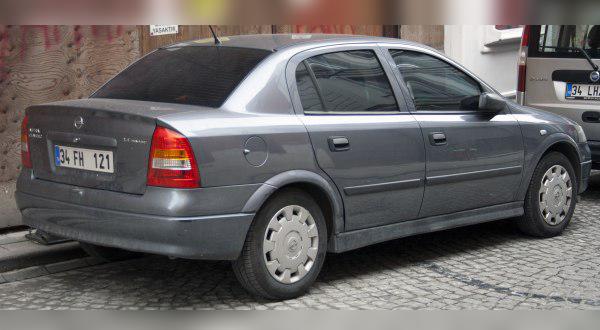
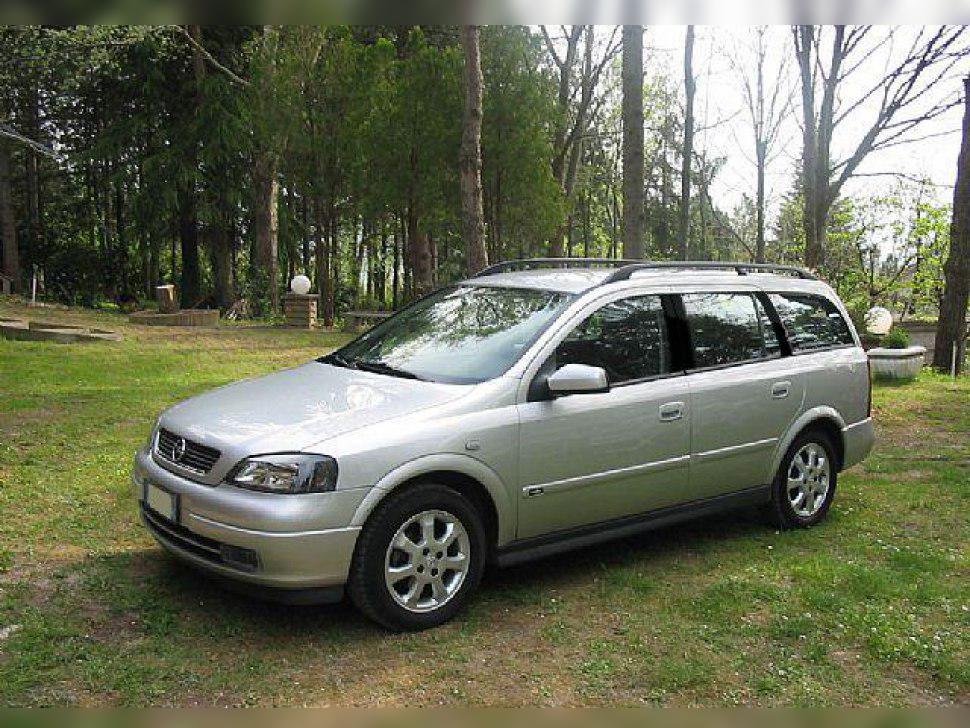
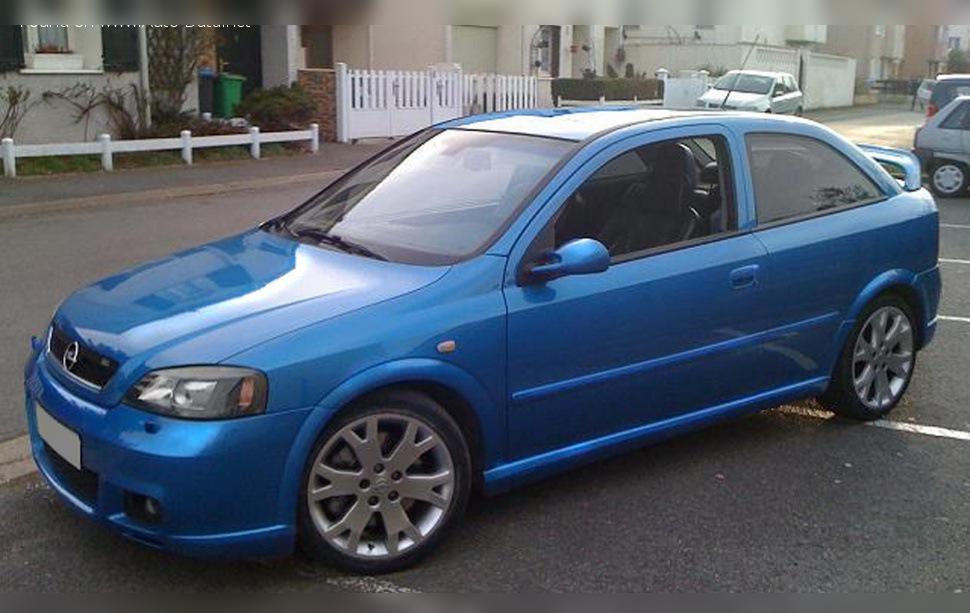
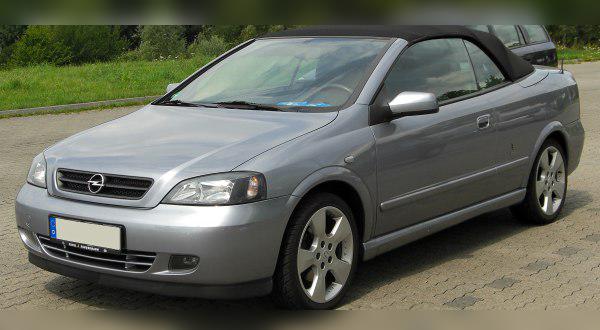
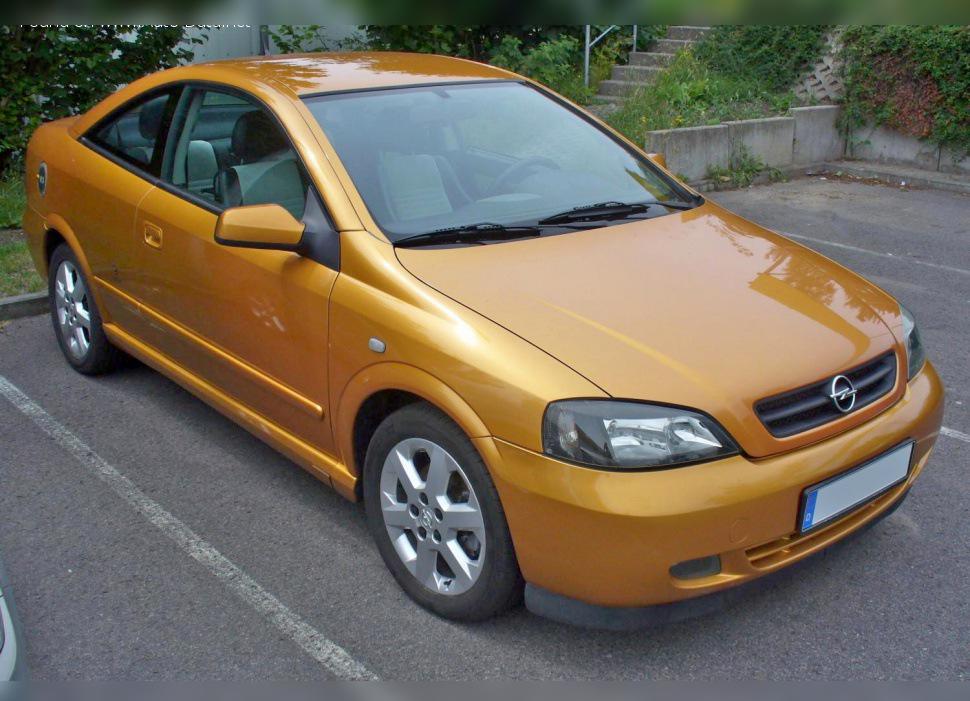
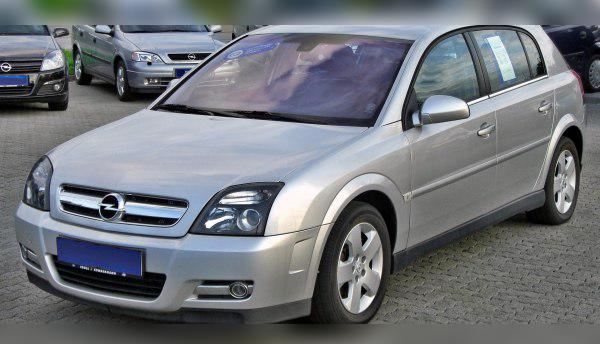
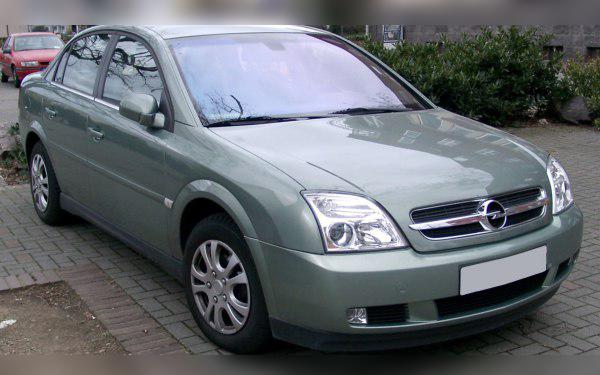
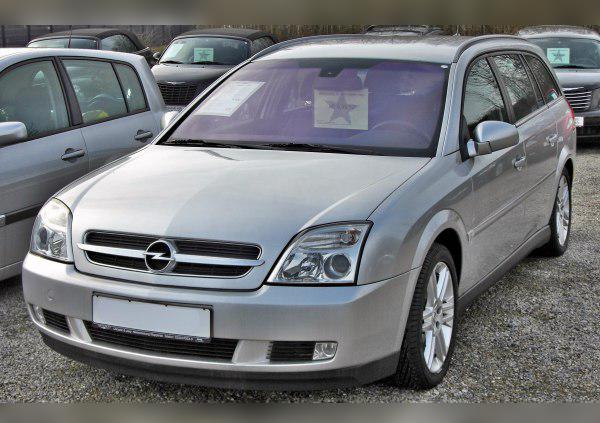
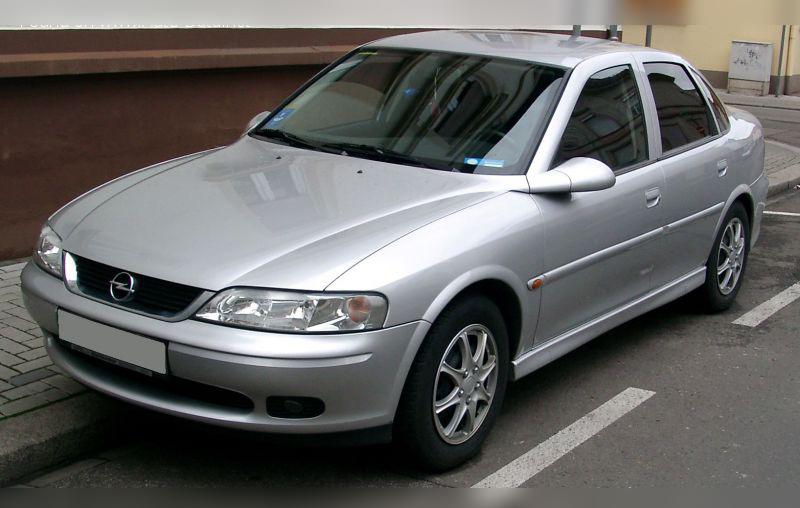
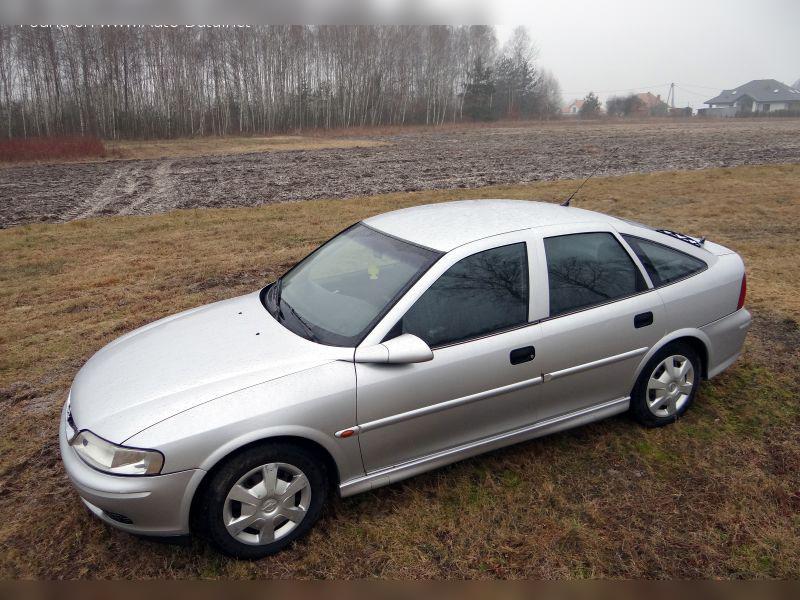
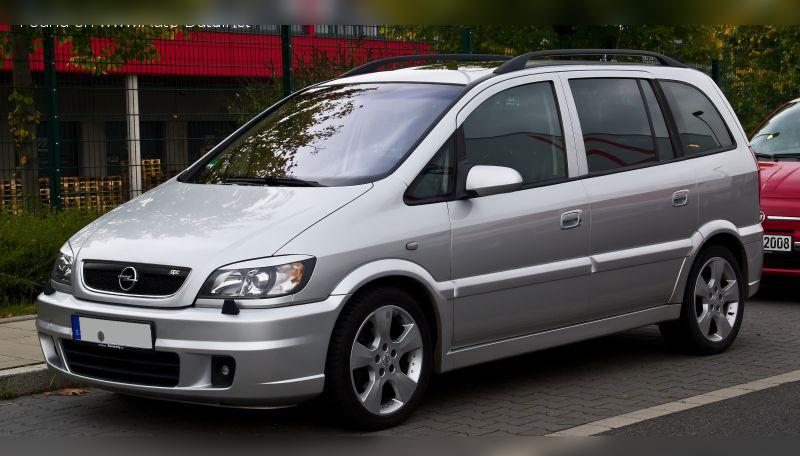
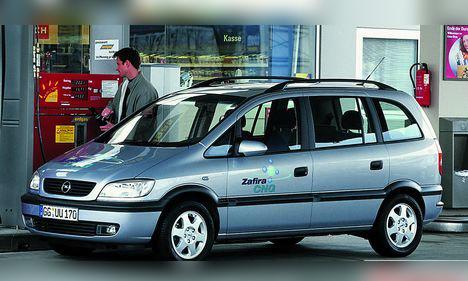
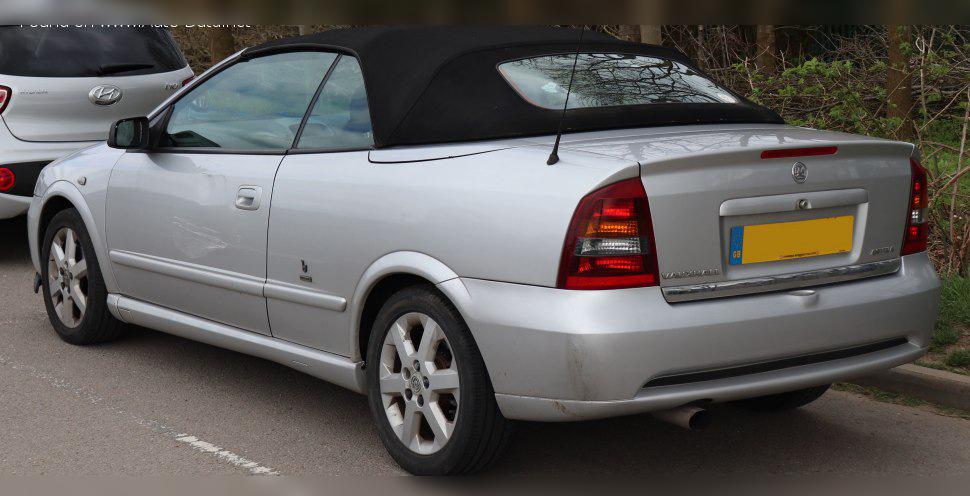
The engine designated as Y22DTR, commercially known as the 2.2 DTI with 125 HP, represented the peak of Opel’s diesel lineup in the late nineties and early 2000s, before they fully switched to Fiat’s Common Rail units (1.9 CDTI). It was installed in a wide range of vehicles – from the lighter Astra G, through Vectra B and C, all the way to heavier bodies such as the Zafira A and Signum. This is an “old-school” engine, known for its massive block and ability to cover serious mileage, but it carries a specific reputation due to its sensitive injection system, which requires the attention of an experienced mechanic.
Technical specifications
| Parameter | Data |
|---|---|
| Engine code | Y22DTR |
| Displacement | 2172 cc |
| Power | 92 kW (125 HP) |
| Torque | 280 Nm |
| Fuel type | Diesel |
| Injection system | Direct injection (Bosch VP44 rotary pump) |
| Induction | Turbocharger (VGT – variable geometry) |
Reliability, maintenance and common failures
Unlike many modern engines, the Y22DTR does not have a timing belt but uses a timing chain. This means that the classic “major service” in the sense of replacing the belt, tensioners and water pump every 60,000 to 90,000 km does not exist here. The chain is double-row (duplex) and extremely durable. However, it is not eternal – after 300,000 km the plastic chain guides can wear out and the chain itself can stretch. If you hear metallic rattling or clattering from the passenger side during a cold start, it is time to replace the chain set, which falls into the category of expensive repairs (depends on the market).
Oil and regular servicing
This engine takes about 5.5 liters of oil. The recommended grade is 5W-40 (or 10W-40 if the engine has very high mileage and shows signs of wear, although 5W-40 protects the turbo better). The engine can consume oil between services, and consumption of about 0.5 to 1 liter per 10,000 km is considered completely normal and acceptable for this unit. If consumption is drastically higher, the most common culprits are worn valve stem seals, piston rings or oil leaking past the turbocharger itself.
Most common failures
Besides the injection system (covered in more detail below), the best-known weak points of this engine are the fuel leak-off (return) hoses and injector seals. Due to age and engine heat, these hoses become porous and the system “draws” air. Symptom: in the morning the car cranks endlessly and will not start, or starts briefly and then stalls. Replacing these hoses and seals is a fairly cheap intervention, but it is crucial for reliability.
Specific parts and injection system
The injectors on this engine are purely mechanical and very durable – they rarely cause problems on their own and can last as long as the engine itself with clean fuel. However, the Bosch VP44 high-pressure pump is this unit’s worst nightmare.
Problematic VP44 pump
This engine does not use a Common Rail system, but a rotary distributor pump (VP44). The problem lies in the fact that the pump electronics (control unit) are located on the pump itself, directly exposed to the engine’s high temperatures and vibrations (on Vectra C and Signum models this is the well-known PSG16 module). As a result, the circuit board or a transistor in the electronics burns out. The symptoms are clear: the car stalls while driving and will not start again, or throws error codes, goes into limp mode (reduced power mode) and runs rough. A new pump is extremely expensive, so the electronics and mechanics of the pump are usually overhauled, which is still a very costly repair (depends on the market).
Turbo, EGR and “emissions”
The engine has a single turbocharger with variable geometry (VGT). The turbo’s lifespan is generally good (over 250,000 km), provided that the oil is changed on time. Problems arise when the car is driven mostly in the city at low revs – the variable vanes get clogged with soot and seize. The driver notices this as a sudden loss of power and the “check engine” light coming on under acceleration.
A major advantage of this engine from today’s perspective is that it has no DPF filter and no AdBlue system, as it only meets Euro 3 standards (some later versions were “cleaner”, but DPF is not a headache here). However, the EGR valve and intake manifold cause serious issues. The EGR gets dirty very quickly, sticks in the open position, the car loses low-end power and emits black smoke from the exhaust. The intake manifold has so-called “swirl flaps” which, due to soot deposits, tend to seize or break.
Fuel consumption, performance and driving feel
With its 125 HP and 280 Nm of torque, this engine offers solid performance, but its character changes depending on the body it has to move.
- In the city: The Y22DTR is quite “lazy” below 1,800 rpm. Until the turbo spools up, you will feel a turbo lag, which can be tiring in stop-and-go traffic. In heavy city driving, fuel consumption ranges from 8.0 to 9.5 l/100 km, especially in heavier vehicles such as the Zafira A, Vectra C or Signum.
- On the highway: This is where the 2.2 DTI feels at home. Thanks to its strong mid-range torque, overtaking is safe and driving is relaxed. At 130 km/h the engine usually spins around 2,400–2,600 rpm in fifth gear (depending on the gearbox). Real-world consumption on open roads drops to an excellent 5.5 to 6.5 l/100 km.
Tuning and additional modifications
Should the 2.2 DTI be “chipped” (Stage 1 remap)? Physically, the engine block and turbo can easily handle an increase in power to around 150 HP and over 320 Nm of torque. However, this is not recommended unless you are completely sure about the condition of your Bosch pump. The VP44 pump already operates at the limit of its design; increasing injection demand via software drastically shortens its lifespan and accelerates its failure. In addition, the extra torque will very quickly finish off an old dual-mass flywheel.
Gearbox, clutch and dual-mass flywheel
This engine is most commonly paired with a five-speed manual gearbox (usually the robust F35). The gearbox as a mechanical unit is long-lasting and rarely fails, but over time the gear selector (cables and linkage) develops play, so engaging gears (especially first or reverse) can become “rubbery” and imprecise.
Yes, this engine is equipped with a dual-mass flywheel. Its failure symptoms are noticeable vibrations at idle, metallic knocks when starting and stopping the engine, as well as judder when moving off from a standstill. Replacing the complete set (flywheel, clutch disc, pressure plate and release bearing) is a very expensive repair (depends on the market).
As for automatics, a 5-speed Aisin gearbox was fitted. It is comfortable, but very slow in gear changes and further dulls an already “lazy” low-rpm response. The oil in the automatic gearbox absolutely must be changed every 60,000 km. If the oil has been neglected, the solenoids in the gearbox fail and it starts to shift harshly, especially when changing from 2nd to 3rd gear.
Buying used and final verdict
When buying a used car with the Y22DTR engine, make sure you do the following:
- Cold start: Ask the seller to keep the car completely cold. If it cranks for a long time or immediately after starting emits a cloud of white smoke and runs rough, there is a high chance it is drawing air into the fuel system or that the Bosch pump electronics are starting to fail.
- Test drive: At low revs, floor the throttle. If the car leaves a thick black cloud behind it, the EGR valve is stuck or there is a boost leak somewhere in the intercooler piping. If at around 2,500 rpm the car suddenly loses power and the warning light comes on, the turbo vanes are stuck.
- Listen to the engine and suspension: Turn off the radio. Listen for chain rattle at idle and for vibrations that could indicate a worn dual-mass flywheel.
Conclusion: Who is the Y22DTR for?
This engine is an ideal choice for drivers who cover a lot of kilometers on open roads and want a cheap used car with enough power, without worrying about modern DPF filters and sensors. Due to the extremely expensive Bosch pump, buying this engine today carries a risk, so it is recommended only if you get clear proof from the previous owner that the VP44 pump has already been completely overhauled. For purely city driving – better avoid it; it will be thirsty and prone to intake system clogging.