Opel 1.6 Twinport (Z16XEP, Z16XE1) 105 HP: Experiences, problems, fuel consumption and used-car buying tips
- Simple mechanics: Naturally aspirated engine without turbo, DPF or dual-mass flywheel, which drastically reduces the risk of expensive failures.
- Twinport system: Variable intake manifold helps at lower revs, but its flaps can cause problems at higher mileage.
- Oil consumption: Known for starting to consume oil over time due to hardened valve stem seals or worn piston rings.
- EGR valve and ignition coil pack: The most common weak points of this engine, causing jerking and power loss.
- Caution with LPG: It has no hydraulic tappets, so running on LPG is risky without regular valve clearance adjustment.
- Gearboxes: Avoid the Easytronic semi-automatic gearbox at all costs; the manual F17 requires regular oil checks due to sensitive bearings.
- Performance: Decent for city driving, but quite noisy and “runs out of breath” on the motorway.
Contents
- Introduction: Get to know the 1.6 Twinport engine
- Technical specifications
- Reliability, maintenance and common failures
- Specific parts and fuel injection
- Fuel consumption, performance and driving feel
- LPG and remapping potential
- Gearboxes, clutch and drivetrain
- Buying used and final verdict
Introduction: Get to know the 1.6 Twinport engine
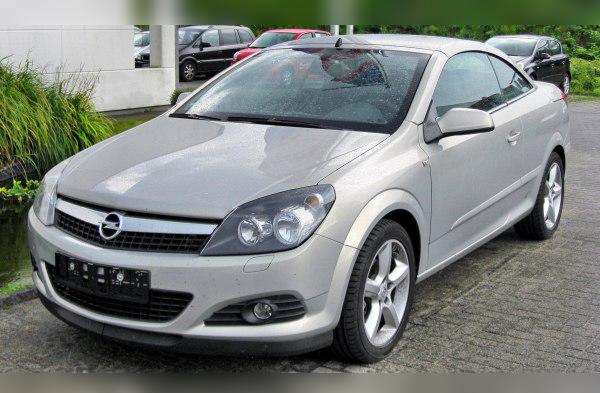
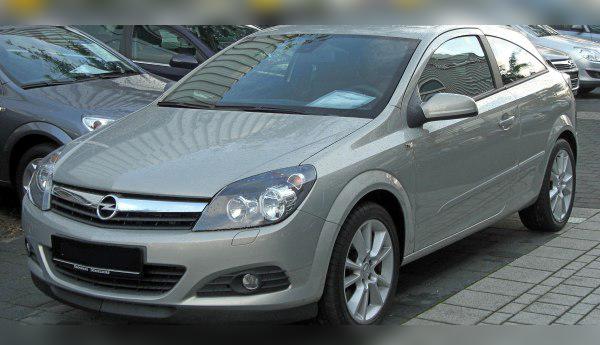
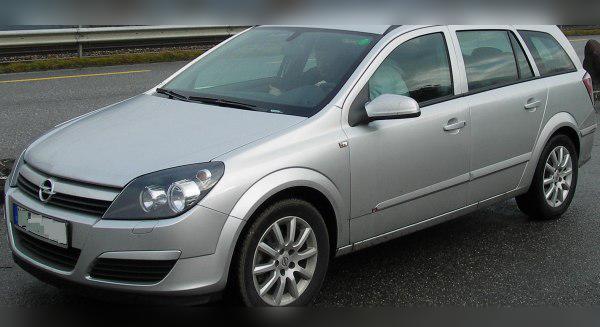
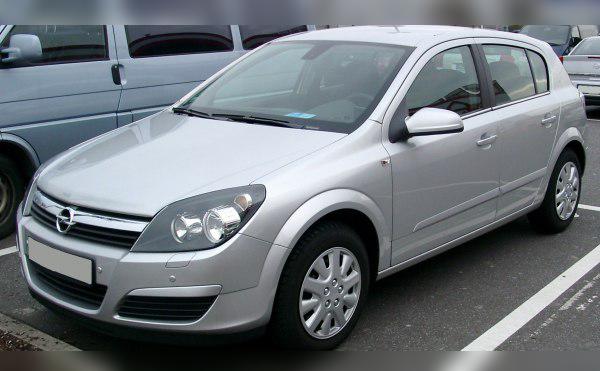
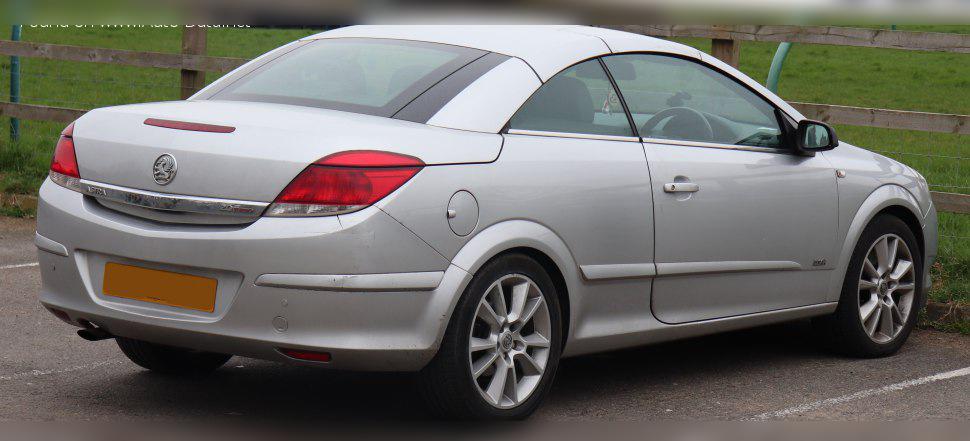
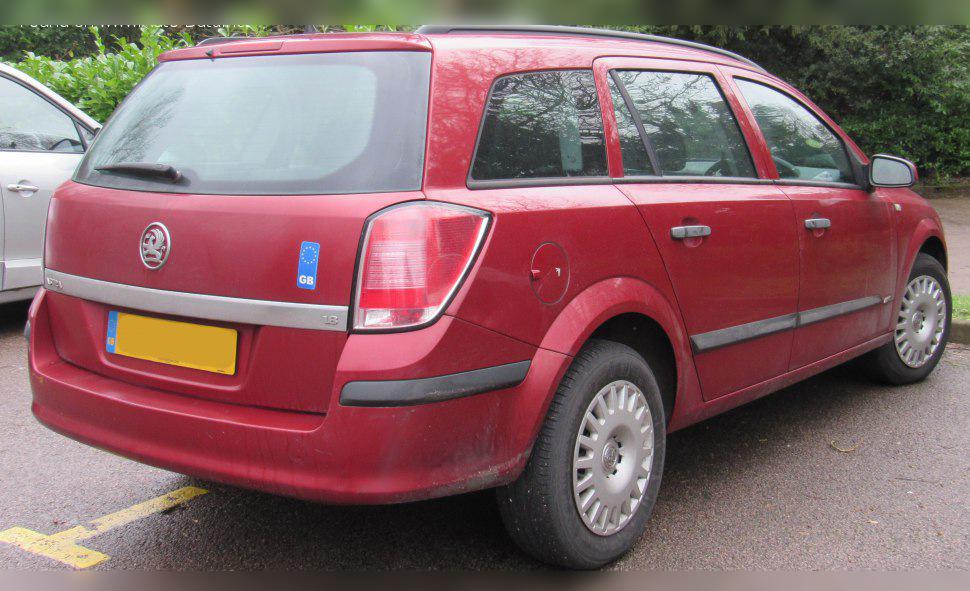
Opel engines with codes Z16XEP and its mild derivative Z16XE1 form the backbone of the Astra H range (produced in various body styles, including hatchback, estate, GTC and TwinTop). With its 77 kW (105 HP), this 1.6‑liter petrol engine was designed as a compromise between economy and performance, introducing the then advanced Twinport intake manifold system. Opel’s goal was to reduce fuel consumption under partial load by closing one of the two intake ports per cylinder. Thanks to its mass production and simpler design compared to modern turbo engines, this unit is now extremely common on the used market and attracts buyers looking for cheaper maintenance.
Technical specifications
| Specification | Data |
|---|---|
| Engine codes | Z16XEP, Z16XE1 |
| Engine displacement | 1598 cc |
| Engine power | 77 kW (105 HP) at 6000 rpm |
| Torque | 150 Nm at 3900 rpm |
| Fuel type | Petrol (Gasoline) |
| Injection type | Multi-point indirect injection (MPI) |
| Air charging | Naturally aspirated (No turbo) |
| Timing drive | Timing belt |
Reliability, maintenance and common failures
This is an old-school engine that uses a timing belt instead of a chain. The major service is, according to factory specifications, due every 90,000 to 100,000 km, or every 6 years, whichever comes first. During the major service, the belt, tensioners, idler pulleys and water pump must all be replaced. The cost of the major service falls into the “not expensive to moderate” category (depends on the market).
As for oil, the engine takes around 4.5 liters of oil, and the factory recommendation is 5W-30 (often GM Dexos 2 specification) or 5W-40. This brings us to one of the best-known issues of this engine: oil consumption. Due to the design of the piston rings and sensitive valve stem seals, higher-mileage engines often start to “drink” oil. The manufacturer tolerates consumption of up to 0.6 l / 1000 km, but in practice, any consumption higher than 1.5 to 2 liters between two minor services indicates that the valve stem seals have hardened or the rings are stuck. Replacing the seals and rings solves the problem, but the cost of labor and cylinder head machining can be high (depends on the market).
Most common problems
Besides oil, drivers most often encounter problems related to the Twinport intake manifold. Over time, the flaps inside the manifold develop play, resulting in a specific rattling noise reminiscent of a diesel engine (especially at idle). In addition to the unpleasant sound, the car can lose performance and trigger a “Check Engine” light due to incorrect readings from the flap position sensor.
Another very common failure is the breakdown of the ignition coil pack (ignition module) as a whole. Since the engine does not have classic ignition leads but a single module that sits on all four spark plugs, when one cylinder loses spark, the entire coil rail has to be replaced. The symptoms are obvious: the car misfires, loses power, the engine runs rough and shakes, and the check engine light flashes on the instrument cluster. To extend the life of the coil pack, it is essential to replace the spark plugs every 50,000 to 60,000 km.
Specific parts and fuel injection
The good news for your wallet is that this engine does not have a dual-mass flywheel (if paired with a manual gearbox), but uses a conventional solid flywheel. The clutch is simple and its replacement is a relatively cheap job (depends on the market).
The fuel injection system is multi-point indirect injection (MPI). This is a very robust system; petrol injectors are durable, rarely fail and are not as sensitive to poorer fuel quality as injectors on direct-injection engines. It is usually enough to occasionally add a fuel system cleaner or drive the car at higher revs to avoid carbon buildup.
The engine does not have a turbocharger, has no DPF filter and does not use AdBlue fluid. However, it does have an EGR valve (exhaust gas recirculation valve), notorious for frequently clogging with soot. Symptoms of a dirty or faulty EGR include jerking under light throttle (around 1500–2000 rpm) and engine hesitation. A common solution is to block it mechanically and disable it in the software to eliminate the problem permanently.
Fuel consumption, performance and driving feel
With 105 HP and 150 Nm of torque, the Z16XEP needs revs to show what it can do. Is the engine “lazy”? That largely depends on the body style. In a regular Astra H hatchback, performance is acceptable for everyday use. However, in heavier versions such as the estate, TwinTop (hardtop convertible) or when fully loaded with the air conditioning on, the engine feels sluggish and often requires downshifting when overtaking.
Real-world fuel consumption in pure city driving is inevitably high. Due to the car’s weight and the need to rev the engine, you can expect between 8.5 and 10.5 l/100 km in urban conditions. On open roads, the engine can be economical (around 6 l/100 km).
Motorway driving reveals the main drawback of this engine in combination with its gearbox. At 130 km/h, the engine spins at a high 3800 to 4000 rpm (in 5th gear). This results in increased cabin noise, higher fuel consumption (over 7.5 l/100 km) and an overall impression that the car “is missing a sixth gear”. Because of this, it is not an ideal choice for drivers who cover hundreds of motorway kilometers on a daily basis.
LPG and remapping potential
The question of installing an LPG system on the Z16XEP engine is very specific. Unlike older Opel engines, this one does not have hydraulic tappets, but uses mechanical buckets. Running on LPG raises combustion temperatures, which leads to so‑called valve seat recession (valve clearance decreases). If you install LPG, it is mandatory to install a valve lubrication system (so‑called Flashlube) and it is strongly recommended to check and adjust valve clearances every 30,000 km. If this is neglected, the valves will burn out, and cylinder head repair is very expensive (depends on the market).
As for software tuning (Stage 1), in short: don’t waste your money. Naturally aspirated engines of this type cannot be significantly improved by remapping. You might gain at most 5 to 8 HP, which is absolutely imperceptible in real driving.
Gearboxes, clutch and drivetrain
This engine is most commonly paired with a five-speed manual gearbox designated F17. This gearbox requires attention. Its bearings (especially the cluster shaft bearings) are known to fail, which manifests as a whining noise while driving that changes with speed, not with engine revs. To extend the life of the gearbox, it is recommended to change the gearbox oil immediately after buying a used car, and then every 60,000 km.
There are also two types of automatic gearboxes available with this engine. The first is a traditional torque-converter automatic (mostly Aisin), which is rare, robust and reliable, but requires ATF fluid changes every 60,000 km. It increases fuel consumption in city driving.
The second and much more common “automatic” is actually a robotized manual gearbox called Easytronic. This is a gearbox you should avoid at all costs. Gear changes are jerky, it shifts unnaturally, and the actuators (the small motors that operate the clutch and change gears) often fail. Repairing Easytronic electronics and mechanics is very expensive (depends on the market), and few mechanics are willing to work on it.
Buying used and final verdict
When inspecting a used car with a Z16XEP/Z16XE1 engine, pay attention to the following:
- Idle noise: If you hear pronounced “clattering” similar to a diesel, the problem is in the intake manifold (Twinport).
- Blue/grey smoke from the exhaust: Ask the seller to let the car idle for a few minutes, then blip the throttle hard. If it emits a cloud of blue smoke, the engine is burning a large amount of oil due to worn valve stem seals.
- Diagnostics: Read the fault codes. Due to the sensitive EGR and coil pack issues, “misfire” codes in the cylinders are often stored.
- Clutch and gearbox condition: Test the drivetrain – if the gearbox resists when engaging gears or you hear a howling noise while driving, the F17 gearbox is close to needing an overhaul.
Who is this engine for?
Opel’s 1.6 Twinport with 105 HP is a good, reliable workhorse for drivers on a moderate budget who want low running costs. It is not intended for those expecting sporty acceleration, nor for drivers planning huge mileages on LPG or on the motorway. If you find a well-maintained example in hatchback or estate form, with the timing set already replaced and the intake manifold sorted, you will get an excellent family car for everyday needs.