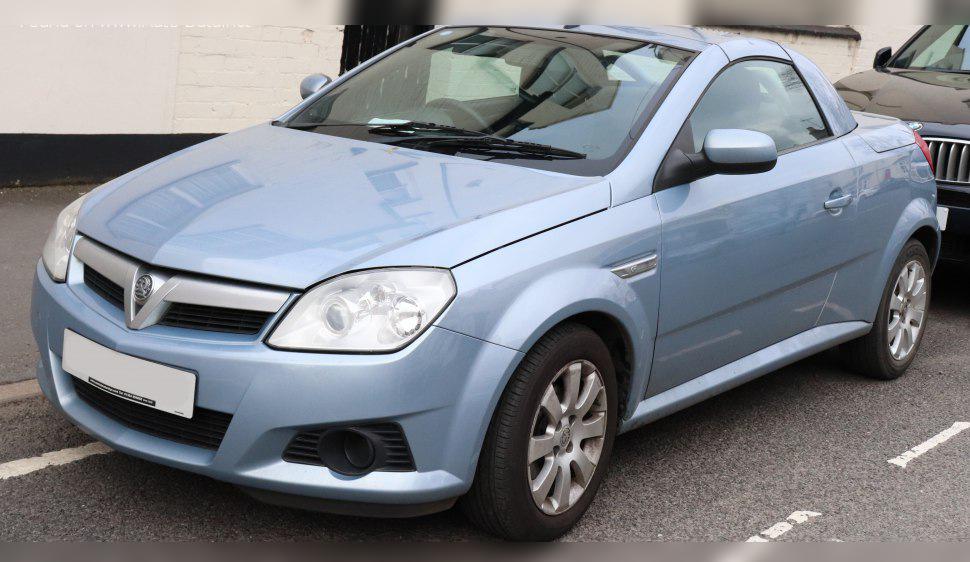
Opel Z18XE 1.8 16V (125 hp) – Experiences, problems, fuel consumption and buying used
In short – key points (TL;DR)
- Old-school petrol engine: Naturally aspirated, no turbo, no dual-mass flywheel and simple MPI fuel injection. Built to last.
- Perfect for LPG: Unlike newer generations, the Z18XE has hydraulic lifters, which makes it ideal and very cheap to run on LPG.
- Main weakness – ECU: Mounted directly on the engine block, so it’s exposed to extreme temperatures and vibrations, which eventually leads to electronic failure.
- Timing belt needs attention: Strictly follow the 60,000 km replacement interval, because a snapped belt or failed water pump will destroy the engine.
- F17 manual gearbox: The weak point of this drivetrain. Prone to bearing damage if gearbox oil level is not checked regularly.
- No EGR valve: One potential headache less compared to its predecessor (X18XE1).
Contents
- In short – key points (TL;DR)
- Introduction: Meet the workhorse from Rüsselsheim
- Technical specifications
- Reliability and maintenance
- Specific parts (Costs)
- Fuel consumption and performance
- Additional options and modifications
- Gearbox: Which one to choose, which to avoid?
- Buying used and conclusion
Introduction: Meet the workhorse from Rüsselsheim
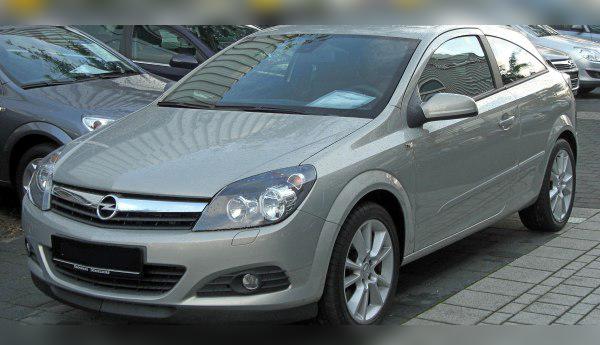
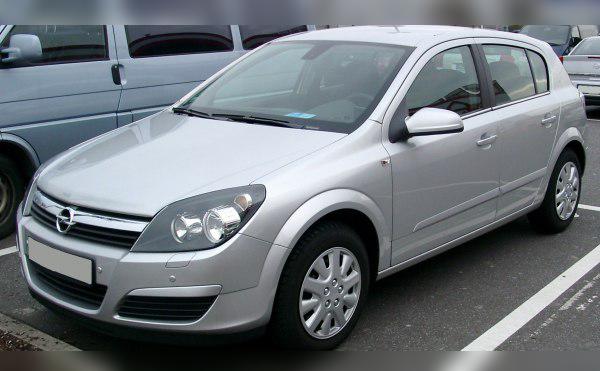
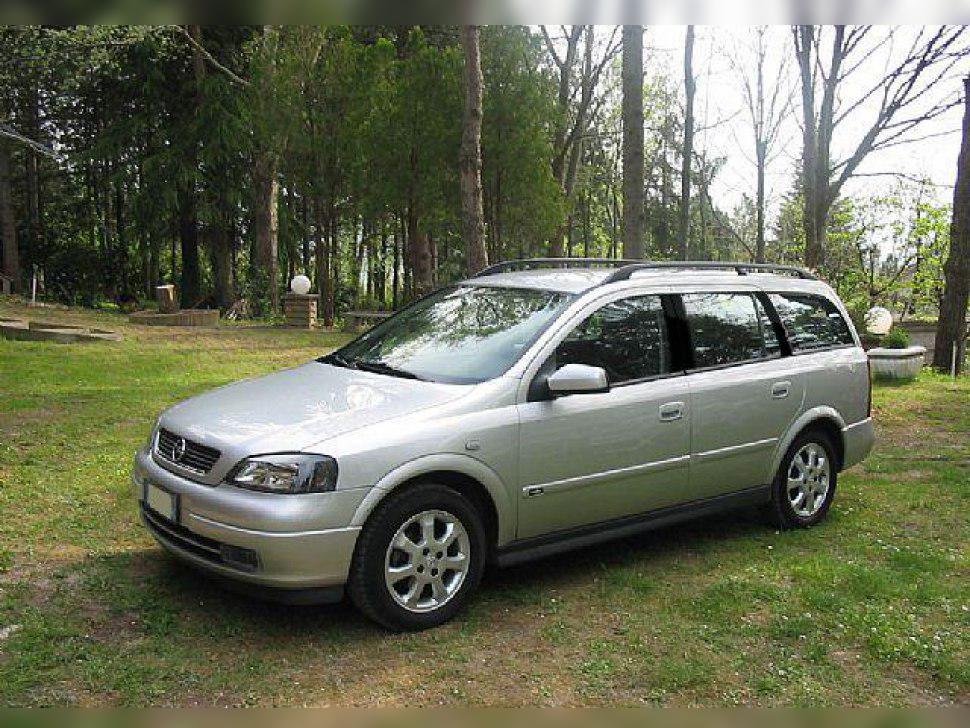
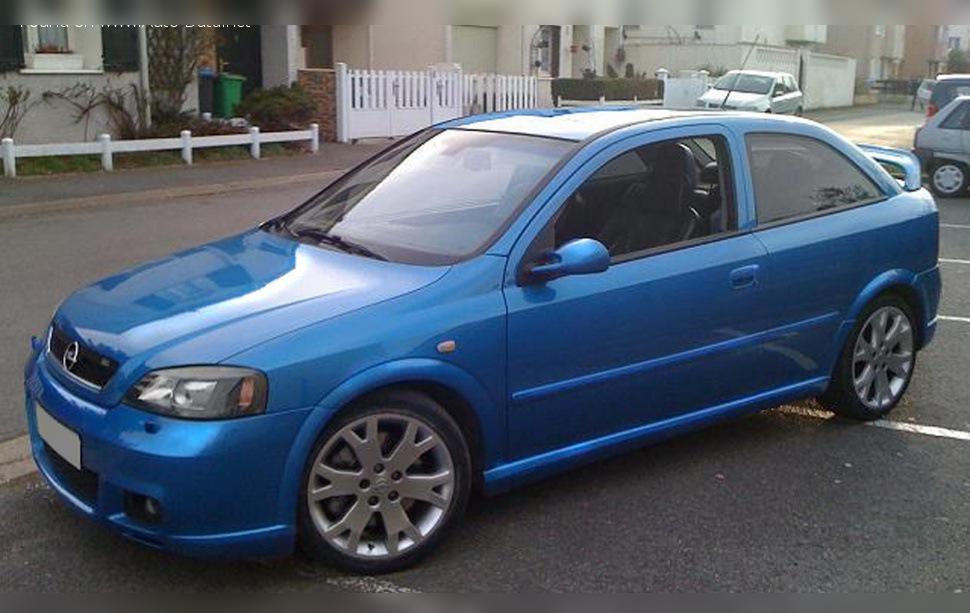
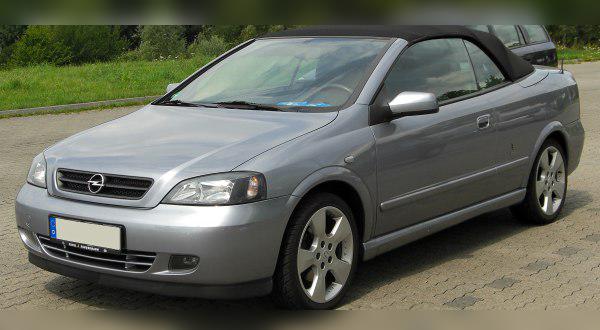
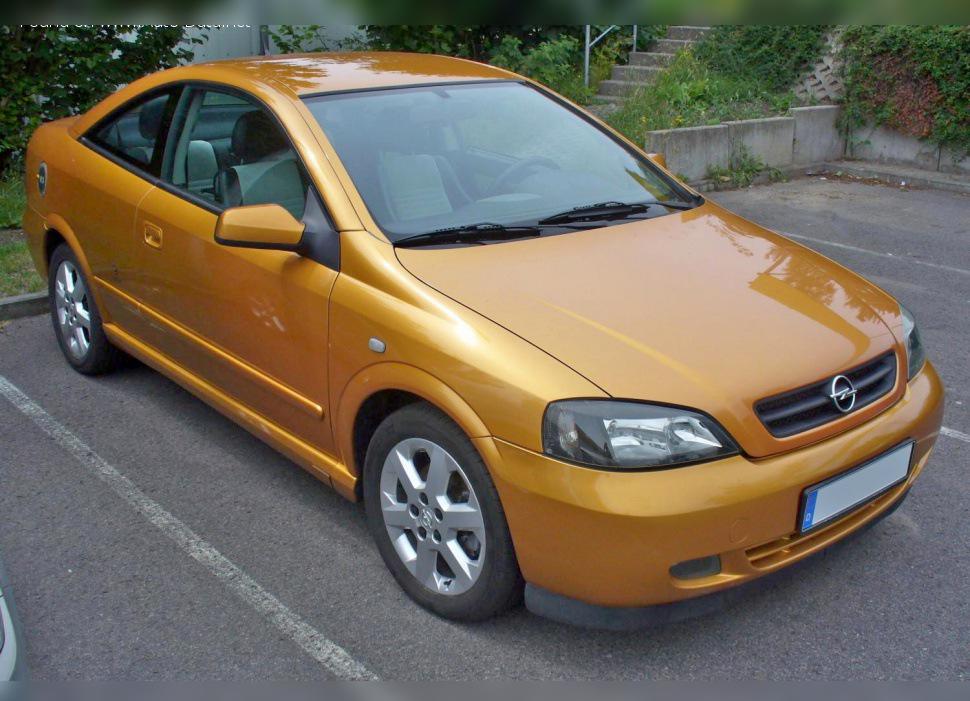
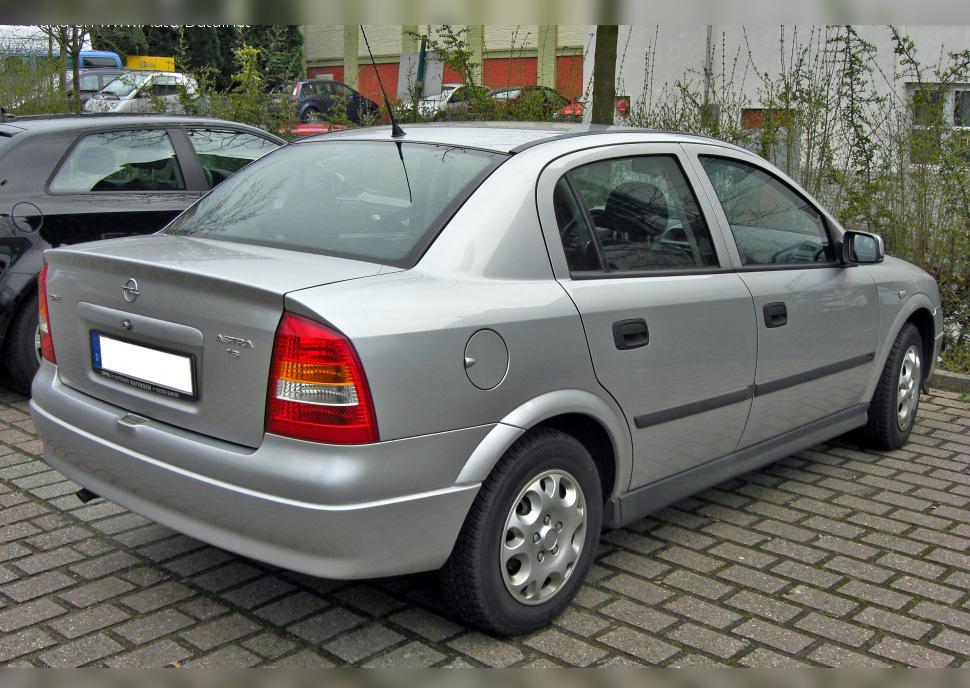
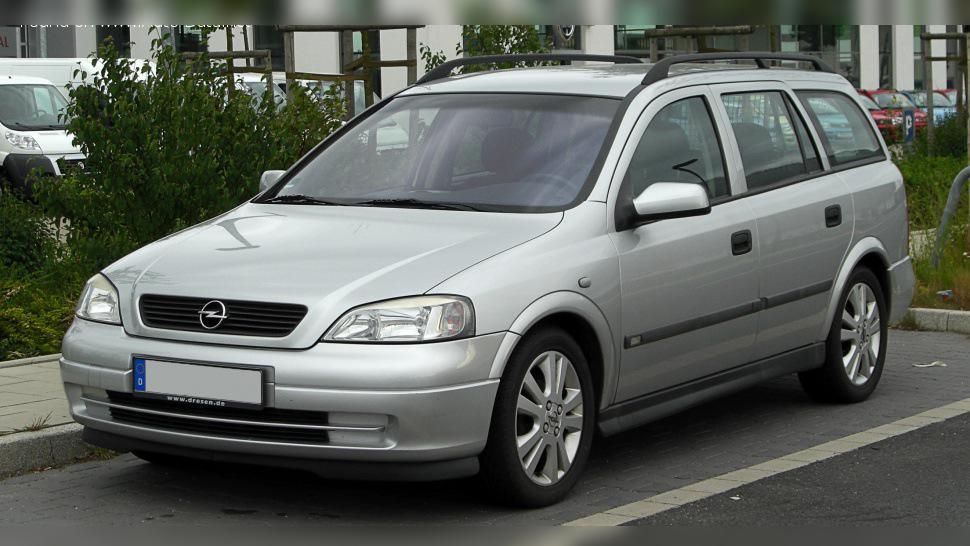
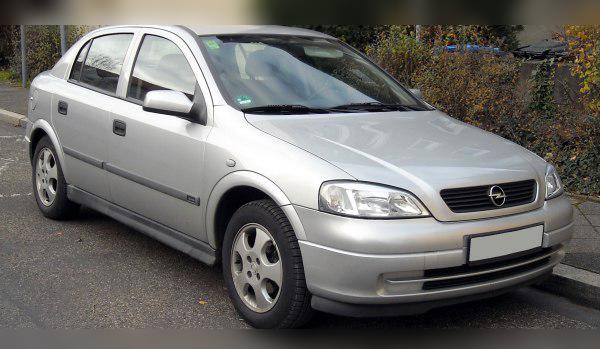
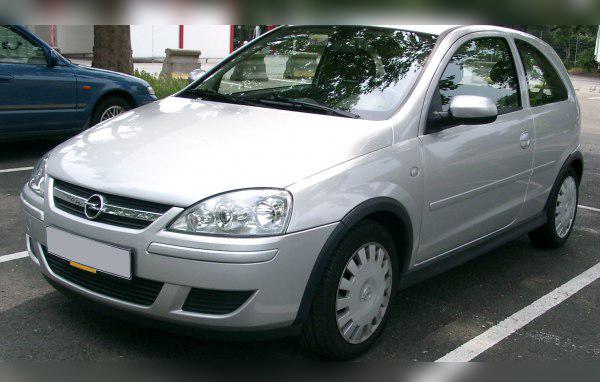
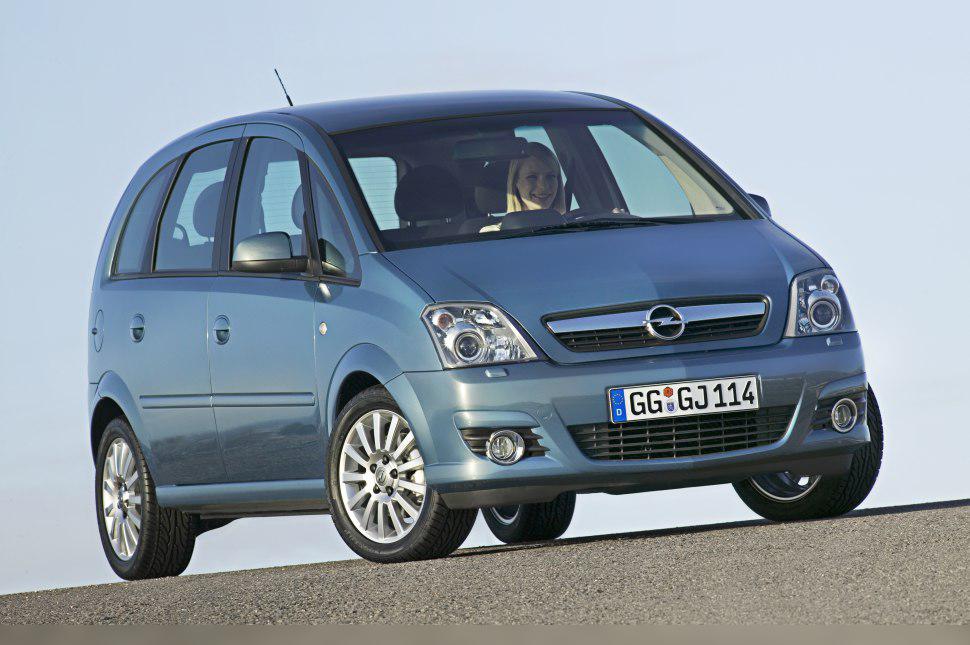
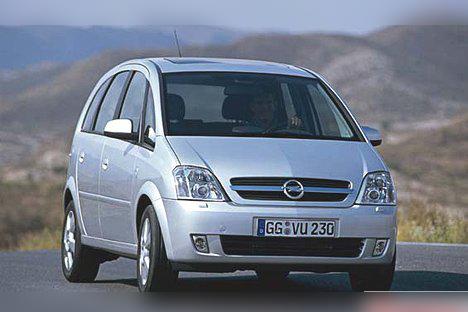
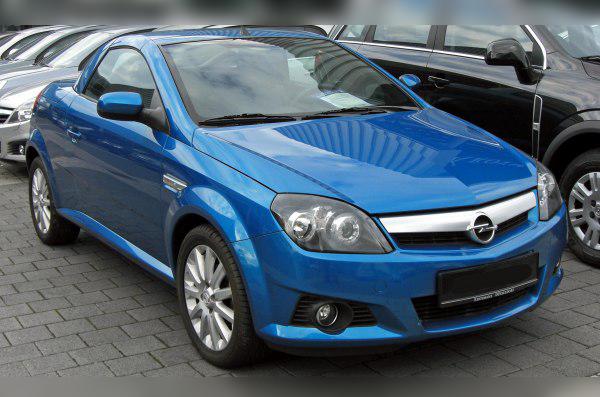
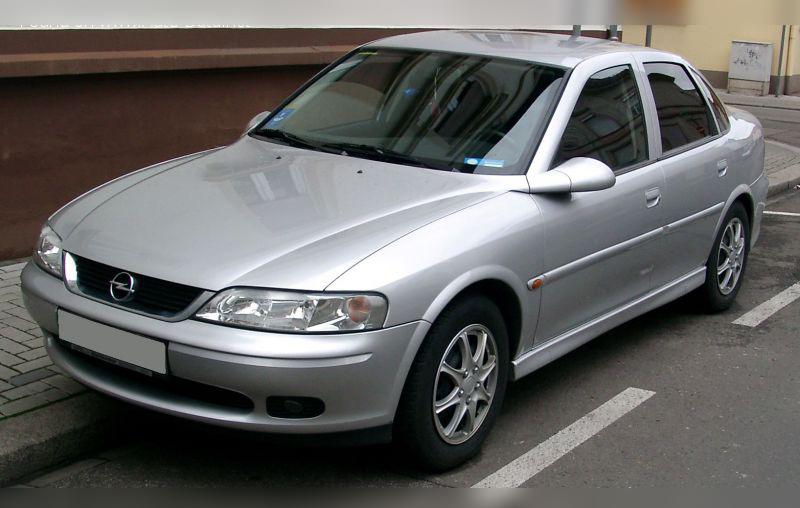
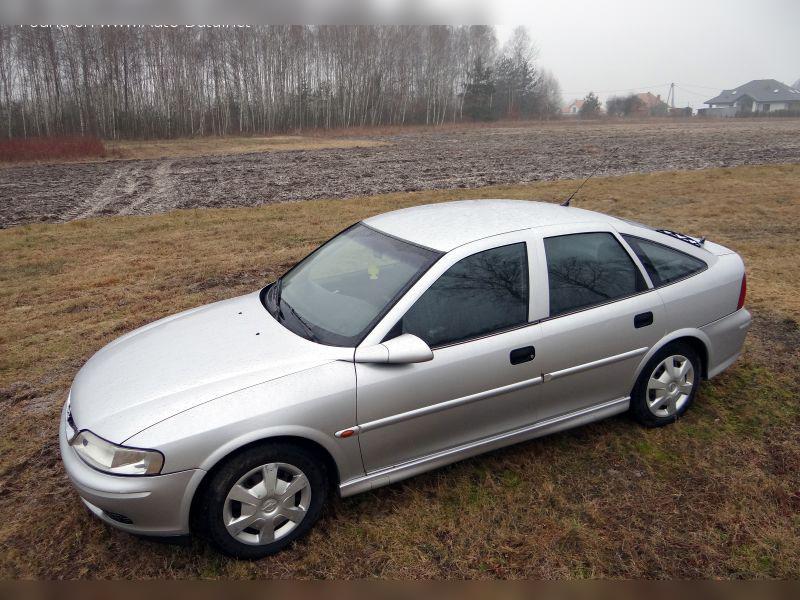
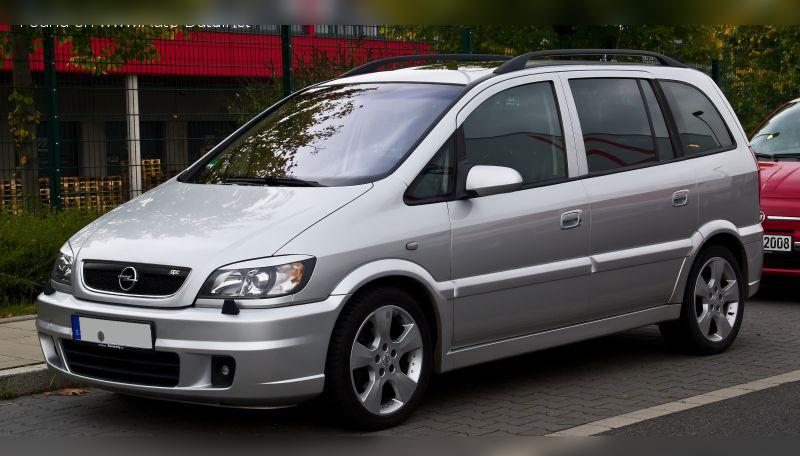
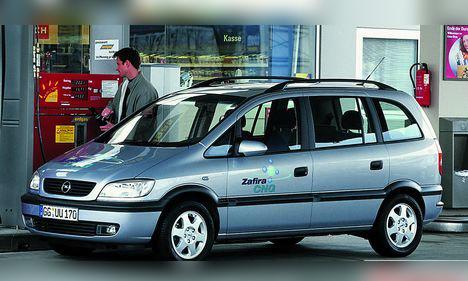
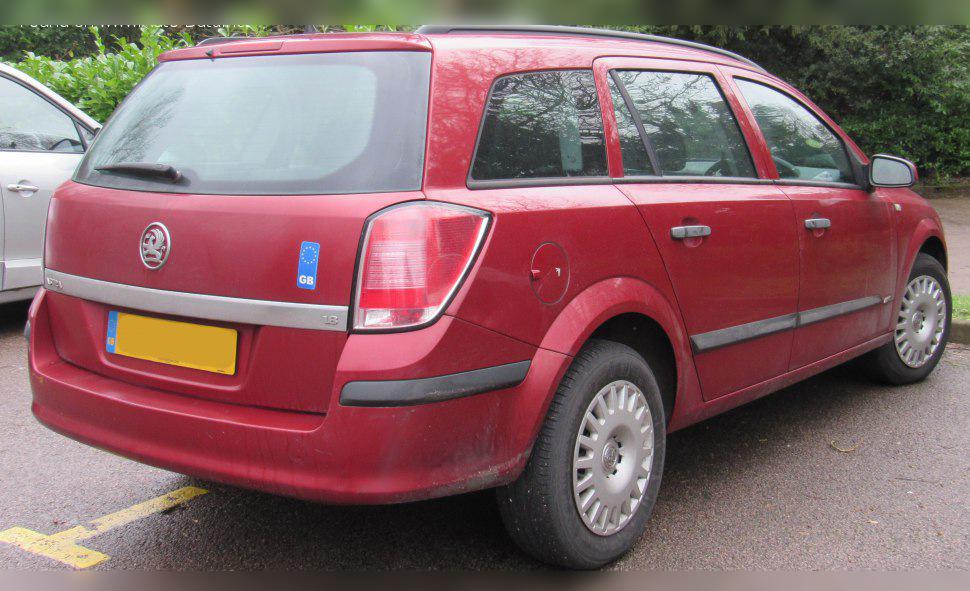
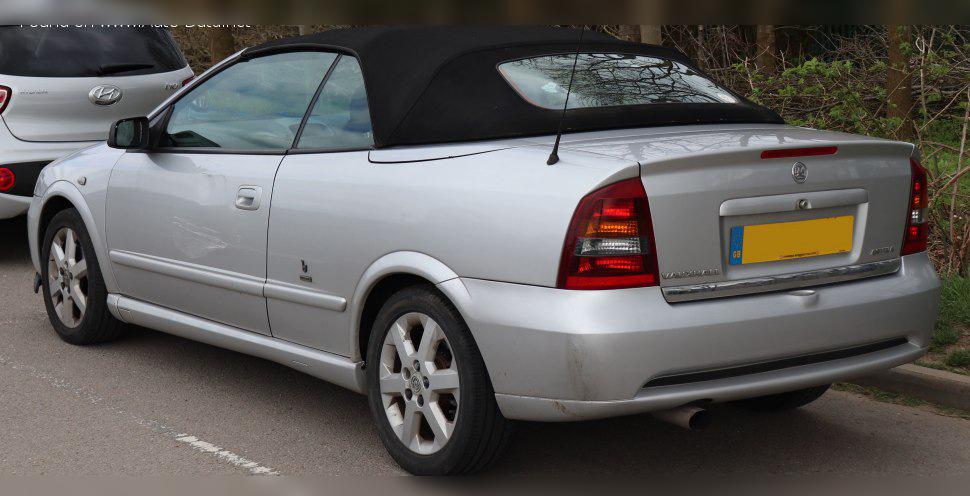
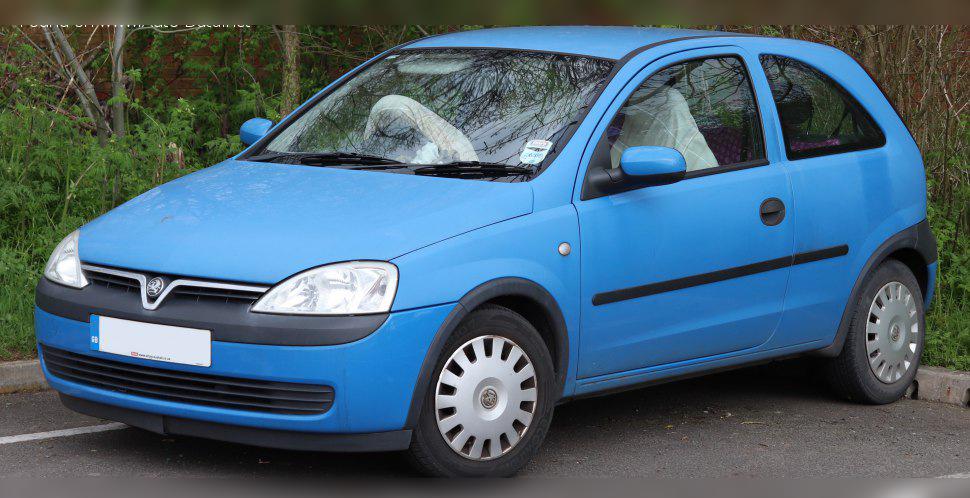
When it comes to engines from the early 2000s, very few powerplants stayed in production across so many different models and generations as Opel’s (Vauxhall) Z18XE. With its 125 horsepower (92 kW), this 1.8-liter naturally aspirated engine found its way from the small Corsa C and Tigra, through the compact Astra G and H, all the way to the family Zafira A and business-oriented Vectra B.
It is the successor to the well-known X18XE1 engine, but brings improvements such as meeting Euro 3 and Euro 4 emission standards, an electronic throttle body and the removal of the problematic EGR valve. If you’re looking for a used car that offers a balance between decent power and cheap maintenance, this is one of those engines every experienced mechanic has an opinion about. It’s not a racer, but it’s an extremely tough piece of machinery ready to cover hundreds of thousands of kilometers if you give it basic care.
Technical specifications
| Parameter | Specification |
|---|---|
| Engine displacement | 1796 cc |
| Power | 92 kW (125 hp) at 5600 rpm |
| Torque | 170 Nm at 3800 rpm |
| Engine code | Z18XE |
| Injection type | MPI (Multi-Point Injection – into intake manifold) |
| Aspiration | Naturally aspirated |
| Valve timing | Timing belt (DOHC, 16 valves) |
Reliability and maintenance
Timing belt and major service
The Z18XE uses a classic timing belt for valve timing. Unlike modern chains that often rattle and stretch, here the system is simple but does not forgive neglect. The major service must be done every 60,000 km or every 4 to 5 years, whichever comes first. The reason for such a strict interval is the water pump, which is driven by the timing belt itself. If the pump starts leaking or seizes (which happens with age), the belt snaps and the pistons hit the valves, causing total engine failure. A major service kit is not expensive – it usually costs between 80 and 150 euros (depending on the market), without labor.
Oil and oil consumption
This engine takes about 4.25 liters of oil, and the recommended viscosity is 5W-30 or 5W-40 (with GM-LL-A-025 or newer Dexos specification). These engines are known to “drink” a bit of oil between services, which is characteristic for them. The main culprits are usually valve stem seals that harden over time, or piston rings if the engine has covered more than 250–300 thousand kilometers. Consumption of up to 0.5 liters per 1000 km is, according to the manufacturer, considered “normal”, but in reality a healthy Z18XE should not consume more than 1 liter per 5000 to 8000 km. If you see blue smoke at startup or after idling, it’s time to replace the valve stem seals.
Most common failures and fixes
The thing that causes mechanics the most trouble on this engine is the electronics, namely the engine control unit (ECU – Simtec 71). The factory mounted it directly on the engine block. Because of this, the ECU is exposed to huge thermal cycles (heating/cooling) and strong vibrations, which cause micro-solder joints on the board to crack. Symptoms include the engine stalling while driving, running on three cylinders, or refusing to start until it cools down. Repair is possible (ECU refurbishment) and costs between 150 and 300 euros (depending on the market).
Besides the ECU, the throttle body often gets dirty. Since the crankcase ventilation returns oil vapors near the throttle, it gets covered in soot and oil, and the engine starts to idle roughly or stalls when you press the clutch. Cleaning the throttle body solves the problem and is usually inexpensive. Also, pay attention to the ignition coil pack, which is a single unit for all four cylinders. When it fails, the car misfires and loses power.
Spark plugs
Since this is a petrol engine, replacing spark plugs is part of regular maintenance. It is recommended to replace them every 30,000 to 60,000 km, depending on whether you use standard or iridium plugs. If you run the car on LPG, replace the plugs earlier (around 30,000 km), because LPG requires a stronger spark and wears the electrodes faster.
Specific parts (Costs)
One of the biggest advantages of this engine compared to modern units is its mechanical simplicity.
- Dual-mass flywheel: This engine does not have a dual-mass flywheel. It uses a classic solid flywheel, which means clutch replacement is much cheaper compared to diesel engines from the same era.
- Fuel injection and injectors: The system is classic MPI (fuel injected into the intake manifold at lower pressure). The injectors are extremely reliable and rarely cause problems. If they do clog (most often on cars that run on LPG for a long time with old petrol sitting in the tank), ultrasonic cleaning is quick and cheap.
- Turbocharger: The engine is naturally aspirated, which means it has no turbo, and therefore no intercooler or expensive repairs in that area.
- Emissions systems (DPF, AdBlue, EGR): As a petrol engine, it naturally has no DPF filter or AdBlue system. As for the EGR valve, the Z18XE is known for not having one from the factory (unlike the older X18XE1). This means no engine choking on soot and no jerking at low revs due to a stuck EGR.
Fuel consumption and performance
Is it sluggish?
The behavior of the Z18XE engine depends heavily on the body it’s installed in. In the Corsa C or Tigra, these 125 hp provide very sporty performance and the car “flies”. In compact models like the Astra G and H, the engine is a perfect balance – agile for everyday driving with enough power for safe overtaking. However, in heavier vehicles like the Zafira A or Vectra B estate, the engine can feel slightly “sluggish”, especially when the car is loaded with passengers and luggage, and it requires you to rev it higher to get it moving.
City driving and motorway cruising
The Z18XE is not a fuel economy champion. Real-world consumption in city driving ranges between 9.5 and 11.5 liters per 100 km, depending on vehicle weight and traffic conditions. On open roads (single carriageway), that figure drops to a very reasonable 6 to 7 liters.
On the motorway, the engine struggles with the short gear ratios of the 5-speed manual gearbox. At 130 km/h, the engine spins at a rather high 3500 to 3800 rpm. Because of this, cabin noise increases and fuel consumption rises to around 8 l/100 km. If you’re looking for quiet motorway cruising, this engine with this gearbox might be slightly tiring on long journeys.
Additional options and modifications
LPG conversion
This is one of the best pieces of news for future owners: the Z18XE is absolutely perfect for LPG conversion! Unlike its successor (the Z18XER, which has no hydraulic lifters and suffers from valve seat recession on LPG), the Z18XE has hydraulic valve lifters that automatically adjust valve clearance. Thanks to this, there’s no risk of overheating and valve damage. Installing a sequential LPG system pays off very quickly considering the city petrol consumption of around 10 liters.
Remapping (Stage 1)
Since this is a naturally aspirated petrol engine without a turbo, so-called “chipping” or ECU remapping (Stage 1) is completely pointless. At best, you might gain 5 to 8 hp, which is imperceptible in real driving. It’s better to save that money for regular maintenance or the major service.
Gearbox: Which one to choose, which to avoid?
The engine was paired with several types of gearboxes, and you should be particularly careful about this when buying.
- F17 manual gearbox (5-speed): The most common choice, but also the weakest link. It is known for problems with the bearings on the differential shaft. The symptom of this fault is a specific whining or humming noise in first and second gear. The problem occurs because the oil loses its properties over time or leaks through the seals, leaving the bearings dry. The oil in the manual gearbox must be changed or checked every 60,000 km. The cost of clutch replacement (without dual-mass flywheel) is between 120 and 250 euros (depending on the market), including labor.
- AF17 traditional automatic (4-speed): This Aisin-made gearbox is virtually indestructible if maintained properly. It is very reliable, shifts smoothly without jerks, although with only 4 gears it is quite “old-school” and slightly increases fuel consumption. It is recommended to change the oil every 60,000 km.
- Easytronic (robotized manual): This gearbox is actually a manual transmission with robotic actuators that change gears and operate the clutch instead of you. It should be avoided at all costs. Actuator motor failures are very common, the car jerks when setting off, and repairs are expensive and require software calibration.
Buying used and conclusion
What to check on the lot?
Before you sign the contract for an Astra, Zafira or Vectra with this engine, do a quick mechanical check:
- Test it cold and hot: Start the car when cold. If it’s hard to start or runs rough before warming up, the problem may be a dirty throttle body, spark plugs or the ECU itself. Be sure to drive it until it reaches operating temperature (90 °C), then switch it off and try to start it again. If it refuses to start when hot, the ECU is probably on its last legs.
- Exhaust smoke: Let the car idle for about 5–10 minutes, then suddenly rev it. If it blows a cloud of bluish smoke, the engine is crying out for new valve stem seals.
- Gearbox noise: During the test drive, open the window and accelerate in first and second gear. If you hear a whining noise (like an old trolleybus), the F17 gearbox has damaged bearings and an expensive overhaul is waiting for you.
Conclusion: Is it worth it?
Opel’s Z18XE is an excellent example of robust and reliable engineering from the era when engines were built to last, not to win emissions tests. It is aimed at drivers who value simplicity and low maintenance costs. Its biggest asset is its fantastic compatibility with LPG, which brings running costs down to a minimum.
If you find a car where the ECU issue has already been sorted or is in good condition, and the oil has been changed regularly, you’ll get a reliable partner on the road. Skip the Easytronic gearboxes, be sure to check the condition of the clutch and manual gearbox, install LPG and enjoy driving one of the most durable 1.8 engines on the European market.