Opel 2.2 Direct Z22YH (155 hp) – Experiences, issues, fuel consumption and used-car buying tips
- Most important in short (TL;DR):
- Naturally aspirated petrol engine with direct injection, intended for heavier saloons.
- Uses a timing chain, which is sensitive to oil change intervals.
- The main and most expensive weakness of this engine is the high-pressure fuel pump, which fails extremely often.
- Not the best choice for a cheap LPG conversion due to direct injection.
- Equipped with a problematic intake system with so‑called swirl flaps.
- Fuel consumption in city driving is high; the engine performs best on open roads.
Contents
- Introduction: Get to know the Z22YH engine
- Technical specifications
- Reliability and maintenance
- Specific parts and costs
- Fuel consumption and performance
- Additional options and modifications
- Gearbox and drivetrain
- Buying used and conclusion
Introduction: Get to know the Z22YH engine
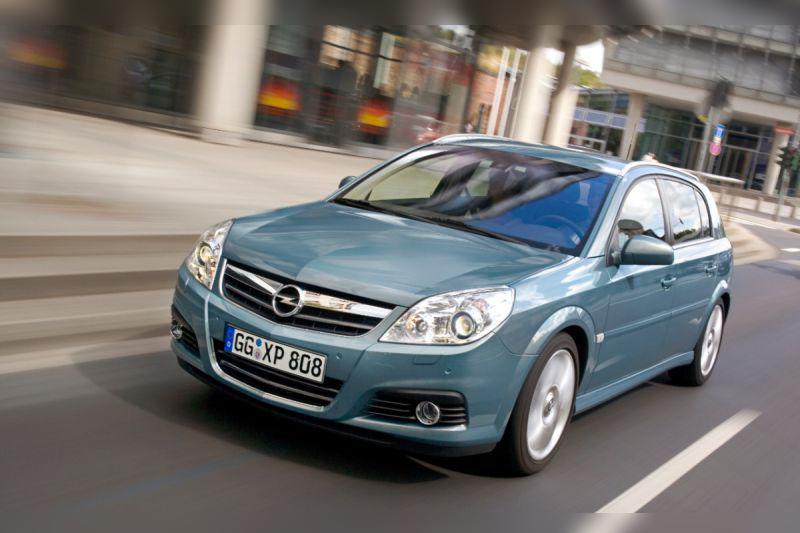
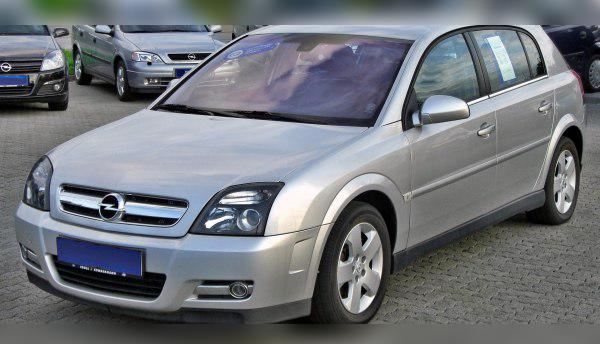
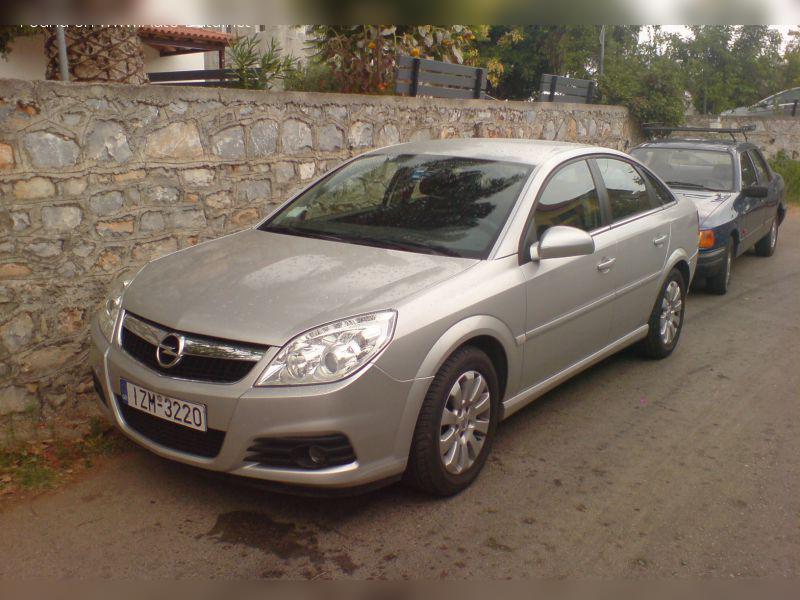
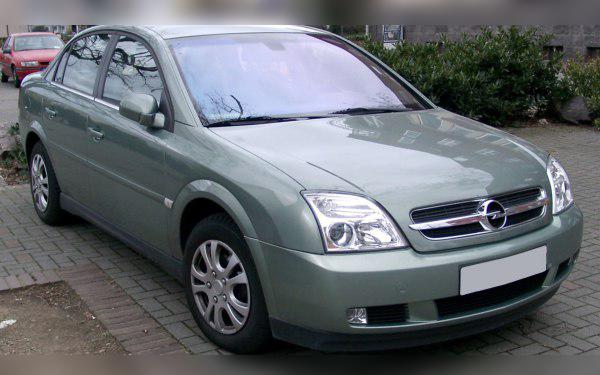
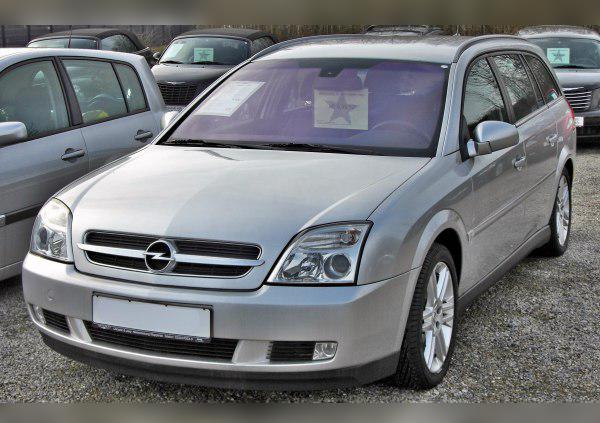
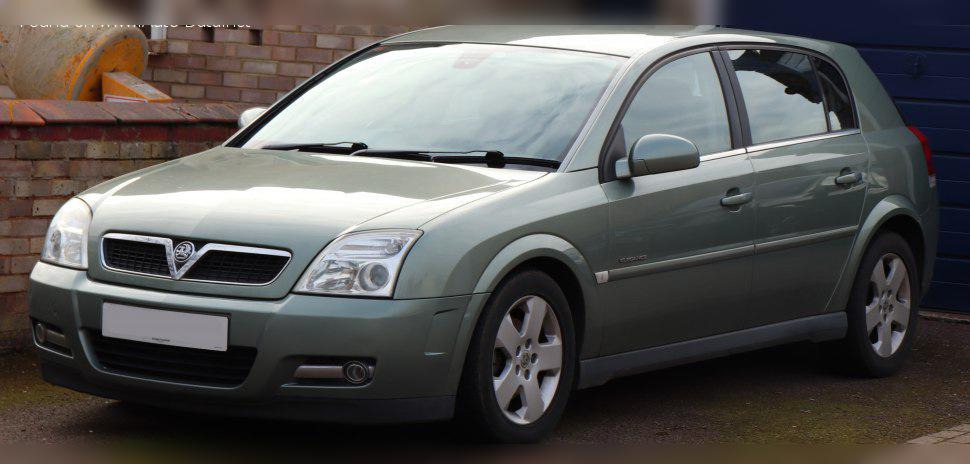
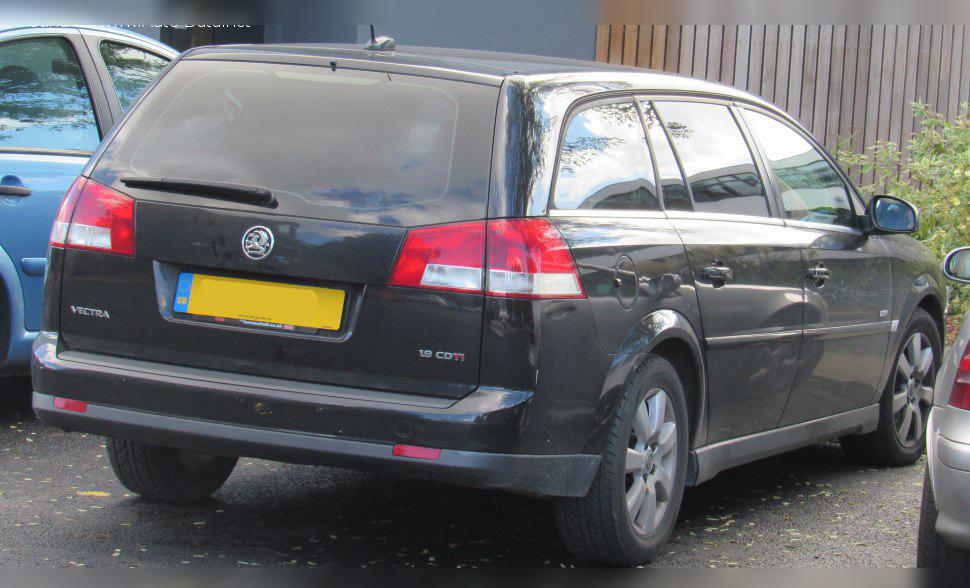
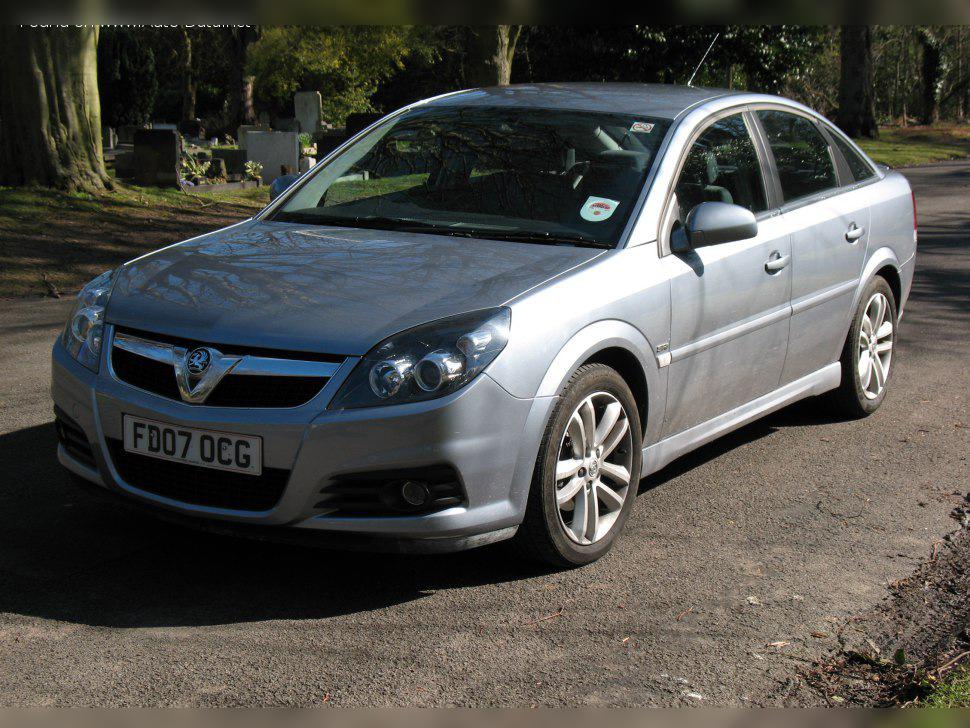
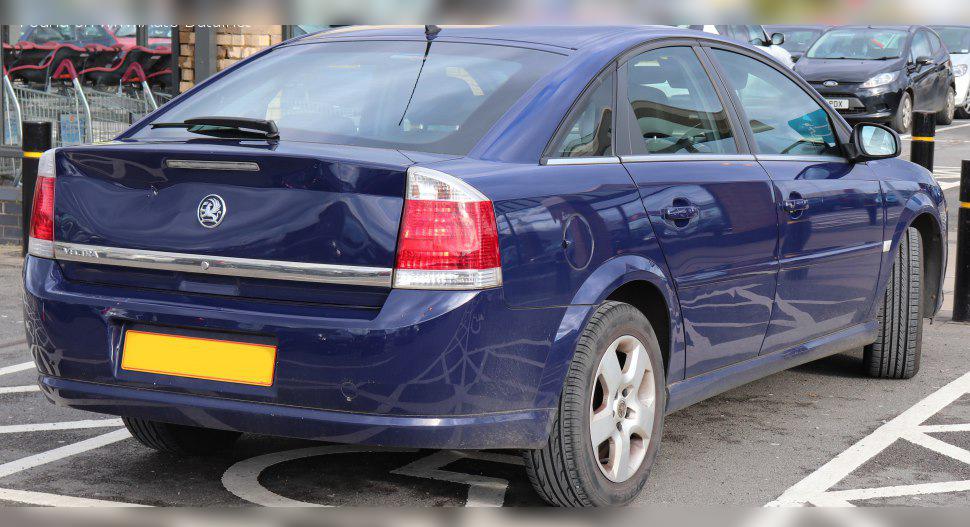
When Opel and Vauxhall were updating their engine lineup for heavier models such as the Vectra C and Signum, it was clear they needed a unit that would offer better torque and efficiency than the older engines. That is how the Z22YH came to be, a 2.2‑liter all‑aluminum engine belonging to the “Ecotec Direct” family. Its main innovation at the time was high‑pressure direct fuel injection straight into the cylinders, which allowed a slight power increase to 114 kW (155 hp) with better throttle response. Although on paper it looks like a perfect balance between performance and durability, the engineering solutions used in the injection and intake systems turned it into an engine about which mechanics across Europe have very divided opinions.
Technical specifications
| Parameter | Data |
|---|---|
| Engine code | Z22YH |
| Displacement | 2198 cc |
| Power | 114 kW (155 hp) |
| Torque | 220 Nm (at 3800 rpm) |
| Injection type | Direct petrol injection |
| Aspiration | Naturally aspirated |
| Fuel | Petrol |
Reliability and maintenance
This engine uses a timing chain to drive the camshafts, more precisely a system with two chains (one for timing, the other for the balance shafts and water pump). Because of that, there is no classic timing belt service interval (like with a toothed belt that is changed every, say, 60,000 km). However, the chain is not eternal. In practice, the major service comes down to replacing the chain kit with tensioners and guides once it starts to make noise, which usually happens between 150,000 and 200,000 km. The symptom of a stretched chain is a sharp metallic rattle on cold start that lasts a few seconds, or constant rattling from the engine area. If this is ignored, the chain can jump a tooth, which leads to catastrophic engine failure.
The oil capacity of the Z22YH engine is exactly 5.0 liters. High‑quality fully synthetic oil of grade 5W‑30 or 5W‑40 is recommended, with mandatory compliance with GM‑LL‑A‑025 or Dexos2 standards. Oil consumption on a healthy engine is between 0.1 and 0.3 liters per 1000 km. However, if oil change intervals have been too long, the piston rings tend to seize, which drastically increases oil consumption and causes bluish smoke from the exhaust.
As a classic petrol engine, the Z22YH requires regular spark plug replacement. The recommended replacement interval is every 60,000 km. Since the ignition system is sensitive (it has a one‑piece coil pack that sits on all the plugs), ignoring this interval leads to the coil “breaking down”, which manifests as engine hesitation under acceleration and the “Check Engine” light coming on. The coil pack module is quite expensive (depends on the market).
Specific parts and costs
When it comes to parts, the Z22YH hides several very serious issues. The first and scariest for owners is the high‑pressure fuel pump (HPFP). Unlike ordinary petrol engines, here the fuel is injected under high pressure directly into the cylinder. The internal membranes of this pump often fail. Symptoms: the car loses power, goes into so‑called limp mode where it does not allow revs above 3000 rpm, and a warning light with a key appears on the instrument cluster. A new pump is very expensive (depends on the market), while overhauls often have a short lifespan.
The injectors are generally more durable than the pump, but since this is a direct‑injection system, the valves are not washed by fuel. Because of that, a large amount of carbon builds up on the intake valves over time. In addition, the intake manifold has so‑called swirl flaps. The mechanism that moves them is plastic, wears out and breaks. Symptoms are rough idle, lack of low‑rpm power and increased fuel consumption. Replacing the entire intake manifold is expensive (depends on the market).
As for emissions and forced induction: this engine does not have a turbocharger, which is great news because it means one less potentially expensive failure. Also, since it is a petrol engine, it does not have a DPF filter and does not use AdBlue fluid. However, an EGR valve is present. Its job is to return part of the exhaust gases into the intake. Due to carbon buildup, it often sticks, causing engine hesitation and unstable idle. Cleaning the EGR usually solves the problem temporarily, while replacement is moderately expensive (depends on the market).
Fuel consumption and performance
Although it carries the Ecotec badge (which suggests economy), in heavy bodies such as the Vectra C estate or Signum, this engine consumes quite a lot. Real‑world city fuel consumption rarely drops below 11 to 13 l/100 km, especially in stop‑and‑go traffic and with the air conditioning on.
Is the engine sluggish? With 155 hp and 220 Nm of torque, the engine is not particularly slow, but the power delivery is very linear. You do not get that “kick in the back” that turbo diesels from the same period offer. For a body weight of around 1500+ kg, this engine is adequate, but it needs higher revs to show what it can do. For overtaking you have to rev it above 3500 rpm.
On the motorway the situation is much better. This is a true cruiser. At a speed of 130 km/h in sixth gear (if paired with the manual M32 gearbox), the engine spins at a pleasant ~3000 to 3200 rpm. Cabin noise is minimal, and fuel consumption on the open road drops to a much more acceptable 7 to 8 l/100 km.
Additional options and modifications
One of the most common questions from drivers in Eastern Europe is: Is it worth converting this engine to LPG? The answer is: very difficult and expensive. Due to direct injection, conventional sequential LPG systems do not work properly, because the petrol injectors would burn out in the cylinder without fuel to cool them. Special systems are required that inject liquid gas directly, or systems that constantly mix petrol and gas (for example, it uses 80% LPG and 20% petrol all the time). These systems are extremely expensive (depends on the market) and are hard to justify unless you cover very high annual mileage.
As for software tuning, so‑called “chipping” (Stage 1) on this engine is a waste of money. Since it is a naturally aspirated engine (without a turbo), by modifying ignition and injection maps you can gain at most 8 to 12 hp and a few Nm of torque. You will absolutely not notice that in everyday driving.
Gearbox and drivetrain
This model comes paired with different gearbox options depending on model year and trim:
- 5‑speed manual (F23): Very robust and reliable. The only potential issue is the gear selector cable, which develops play over time.
- 6‑speed manual (M32): Mostly found in facelift models. This gearbox is notorious for poor bearings, especially the 6th‑gear bearing. Symptoms are whining/humming in 5th and 6th gear and a gear lever that moves back and forth when you press and release the throttle.
- 5‑speed automatic (Aisin AF33): A classic torque‑converter automatic.
It is important to emphasize that models with manual gearboxes (especially the M32) have a dual‑mass flywheel. Its role is to dampen vibrations, but when it wears out (symptoms: shuddering when setting off, thumps when switching the engine off), the cost of replacing the complete clutch kit and dual‑mass flywheel is very high (depends on the market).
Gearbox servicing: On manual gearboxes, the oil must be changed every 60,000 km (always fill 2–3 deciliters above the factory maximum on M32 gearboxes so that the upper bearings get proper lubrication). On automatics, the oil must also be refreshed (by drain‑and‑fill method) every 60,000 km. If this is neglected, the automatic’s valve body (hydraulic block) gets dirty and fails, and the gearbox starts to shift harshly (most often from 2nd to 3rd gear).
Buying used and conclusion
When buying a used car with the Z22YH engine, you must check the following:
- Cold start: Ask the seller to keep the engine completely cold. Listen carefully to the right side of the engine when cranking. Any metallic rattle in the first few seconds indicates a stretched chain.
- High‑rev driving: When the engine warms up to 90°C, go out on an open road and floor it in third gear up to 5000 rpm. If the car hesitates, loses power or lights up the key symbol on the dash, the high‑pressure pump is on its last legs.
- Intake manifold: Remove the plastic engine cover and visually check the rod that links the swirl flaps on the intake. If it has fallen off or is oily, prepare for expenses.
Who is the Z22YH for? This engine is definitely not for people looking for a city car for short trips, nor for those who want cheap cruising on LPG. It is an engine for drivers who mainly drive on open roads or motorways, avoid diesel engines because of the DPF filter and want a quiet, comfortable ride. If you find an example where the issues with the chain and the notorious high‑pressure pump have already been resolved, with regular maintenance it will serve you for a long and comfortable time.