Porsche 2.0 Boxer MDD.PB (300 hp) – Experiences, issues, fuel consumption and used car buying guide
- Fantastic performance; the switch to turbocharging has brought massive low‑end torque.
- Uses a reliable timing chain instead of a timing belt, but regular replacement of high‑quality oil is absolutely essential.
- Direct fuel injection (DFI) inevitably leads to carbon buildup on intake valves at higher mileages.
- The automatic PDK gearbox is superior, but requires strict and very expensive maintenance of the mechatronics and oil.
- LPG (autogas) conversion is technically extremely complicated, not cost‑effective and absolutely not recommended.
- Maintenance is far from cheap; prices of specific parts are on par with a true premium sports car – very expensive (depends on the market).
Contents
- Introduction: Engine and models
- Technical specifications
- Reliability and maintenance
- Specific parts and systems
- Fuel consumption and performance
- Extras: LPG and remapping
- Transmissions: PDK and manual
- Buying used and conclusion
Introduction: Engine and models
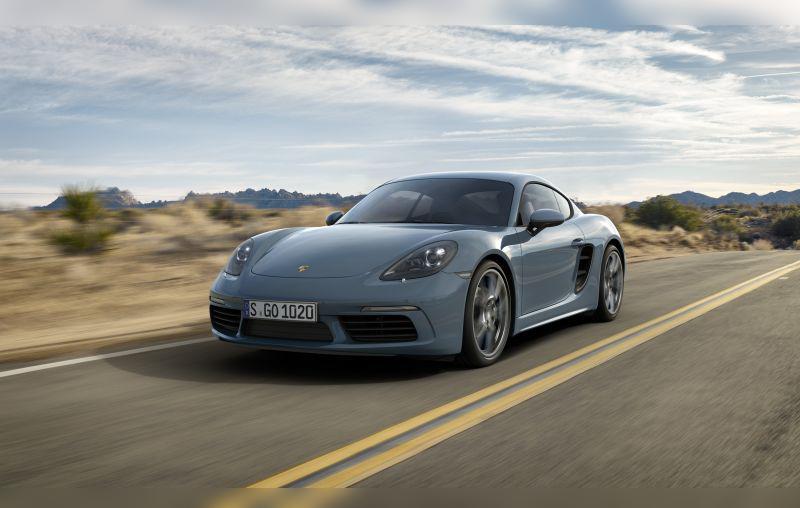
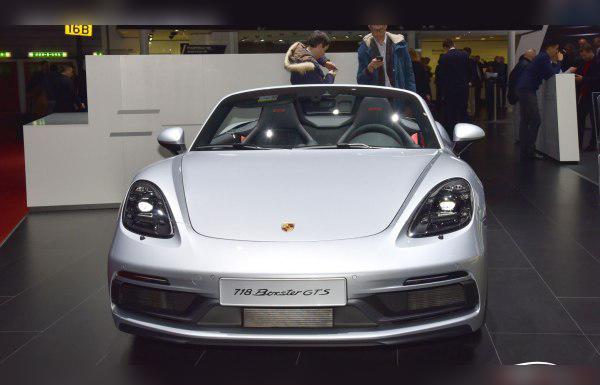
When Porsche decided to retire the naturally aspirated flat‑six engines in its entry‑level sports models, it caused a real stir in the automotive world. The result of that transition is the MDD.PB, a turbocharged 2.0‑liter four‑cylinder boxer engine found under the hood of the Porsche 718 Cayman and 718 Boxster (982 generation). Although purists complained about the change in sound compared to the six‑cylinders, this engine is a technical masterpiece that offers incredible torque and performance that older naturally aspirated engines of this displacement simply could not deliver. It is aimed at drivers who want everyday usability from a true sports car, with more reasonable registration and ownership costs compared to the more powerful versions.
Technical specifications
| Specification | Data |
|---|---|
| Engine displacement | 1988 cc |
| Engine power | 220 kW (300 hp) at 6500 rpm |
| Torque | 380 Nm at 1950–4500 rpm |
| Engine codes | MDD.PB (982 series) |
| Injection type | Direct Fuel Injection (DFI) |
| Induction type | Turbocharger with intercooler |
| Configuration | 4‑cylinder boxer engine (Flat‑4) |
Reliability and maintenance
Timing system and scheduled services
Models equipped with the MDD.PB engine do not use a conventional timing belt. The timing system is driven by a timing chain. The design of Porsche boxer engines is such that the chains are generally robust and rarely fail, so a classic “major service” in the sense of preventive replacement of the entire timing system at 100,000 km does not exist. However, what effectively takes the role of a major service is a comprehensive inspection, replacement of the auxiliary (serpentine) belt, idler pulleys, tensioners and inspection of the water pump at around 90,000 to 120,000 km.
Oil: capacity, grade and consumption
This 2.0‑liter boxer engine takes about 5.7 liters of engine oil when changing oil and filter. Porsche recommends high‑performance synthetic oils with Porsche A40 or C40 approval (depending on whether the model is equipped with a gasoline particulate filter – GPF). The most commonly used grades are 0W‑40 or 5W‑40, given that the turbocharger and the engine block itself are exposed to high operating temperatures. As for oil consumption, boxer engines are factory‑tuned to consume slightly more oil due to the horizontal position of the cylinders. Consumption of 0.2 to 0.5 liters per 1000 km during more aggressive driving and frequent runs into high revs is considered normal. It is advisable to regularly check the oil level via the digital gauge.
Most common failures and spark plugs
One of the better‑known issues on these models is failure of the water pump. Symptoms appear as slight coolant leakage or rising engine temperature. In addition, the turbocharger actuator (wastegate valve) can become noisy (rattling on cold start) or, in rare cases, trigger a fault code for insufficient boost pressure. Due to the high pressure and temperature in the combustion chamber, spark plugs are under heavy load and their replacement interval is significantly shorter than on naturally aspirated engines – they are replaced every 50,000 to 60,000 km (or every 4 years, whichever comes first). Neglecting spark plug replacement leads to coil pack failure (“misfire” – hesitation under acceleration) and potential loss of power.
Specific parts and systems
Flywheel and fuel injection system
In versions with a manual gearbox, the engine uses a dual‑mass flywheel (DMF). It is subjected to high loads due to the strong 380 Nm of torque. The fuel system is direct injection (DFI). Injectors are generally not prone to sudden failure and are not considered a widespread problem, however, a side effect of direct injection is the buildup of carbon deposits on the intake valves. Fuel is injected directly into the cylinder, so it no longer washes the valves. After 80,000 to 100,000 km, the layer of carbon can restrict airflow, which the driver will notice as rough idle and uneven acceleration, and a so‑called “walnut blasting” cleaning of the intake ports becomes necessary.
Turbocharger and exhaust systems (GPF)
Unlike the more powerful 718 S models (2.5 liters) that use an advanced variable‑geometry turbocharger (VTG), the base 2.0 MDD.PB engine is equipped with a conventional turbocharger with a wastegate valve. This is somewhat an advantage for reliability because of the simpler design. Its service life is excellent provided that oil change intervals are strictly followed and the engine is properly warmed up and cooled down (letting the engine idle for a minute after spirited driving). As this is a petrol engine, there is no DPF or EGR in the diesel sense, nor an AdBlue system. However, one important point should be mentioned: models produced after late 2018 (to comply with Euro 6d‑TEMP) were fitted with a OPF/GPF (gasoline particulate filter). It rarely clogs, but it does noticeably “mute” the exhaust note compared to earlier versions without it.
Fuel consumption and performance
Driving dynamics and city fuel consumption
Is 300 hp “lazy” for a 718? Absolutely not. The Cayman and Boxster bodies are relatively light (around 1335–1365 kg), so this car accelerates from 0 to 100 km/h in under 5 seconds. With the maximum torque of 380 Nm available from just 1950 rpm, the car pins you to the seat every time you press the throttle. There is none of that characteristic waiting for the engine to climb into the power band that was present with the naturally aspirated 2.7 engines of previous generations. As for real‑world city fuel consumption, depending on how heavy your right foot is and the amount of stop‑and‑go traffic, you can expect between 11 and 13 l/100 km.
Behavior on the highway
This model is excellent for long journeys. Aerodynamics are superb, and cabin noise is acceptable given that the engine is mounted centrally, behind the occupants. On the highway at 130 km/h, in seventh gear with the PDK gearbox, the engine cruises at quite low revs (around 2100–2200 rpm). In this relaxed cruising mode on open roads, fuel consumption drops significantly and can go down to an impressive 7.5 to 8 l/100 km.
Extras: LPG and remapping
LPG conversion
Installing an LPG system on this engine is absolutely not recommended. Firstly, this is a direct‑injection engine that requires more expensive and complex LPG systems (which must also inject petrol to cool the petrol injectors). Secondly, the space around the centrally mounted boxer engine is extremely tight, and the front trunk (frunk) or rear trunk would be completely sacrificed for the LPG tank. Finally, the typical clientele for these cars simply does not do this, and the vehicle’s value would drop dramatically in the event of resale.
Tuning potential (Stage 1)
This turbo engine has excellent tuning potential. A standard ECU remap (Stage 1), without any physical modifications to the engine (no changes to intake, exhaust or cooling), safely raises power from the stock 300 hp to a serious 350 to 360 hp, while torque climbs to over 420 Nm. Thanks to the efficient intercooler, the engine handles this very well, but it is important to note that the significant increase in torque puts additional stress on the clutch system (especially on manual gearboxes).
Transmissions: PDK and manual
Types of gearboxes and common issues
Buyers can choose between a six‑speed manual gearbox and Porsche’s well‑known seven‑speed PDK dual‑clutch transmission. The manual gearbox is mechanically extremely robust, but under aggressive driving the clutch can wear out quickly. If the gearbox uses a dual‑mass flywheel, replacing the complete set (clutch + flywheel) is very expensive (depends on the market).
On the other hand, the PDK automatic is considered by many to be the best dual‑clutch gearbox in the world – it shifts lightning‑fast and smoothly. However, it requires strict maintenance. The most common failures, although rare if the car is properly serviced, relate to position sensors inside the gearbox and issues with the mechatronics unit. When these failures occur, the repair is no longer a standard service job but requires specialized knowledge, and the cost of repair or replacement of the complete unit is extremely high.
Servicing the automatic gearbox
The golden rule for long PDK life is regular replacement of the transmission oil and filter (gearbox sump). This must be done every 60,000 km, or every 4 to 6 years, even if the car has not covered that mileage. Skipping this service will almost certainly lead to mechatronics issues and jerks when shifting from second to first gear while coming to a stop.
Buying used and conclusion
Buying a used Porsche 718 with the 2.0‑liter MDD.PB engine can be your ticket into the elite world of sports cars, but it requires a careful and methodical approach. Be sure to pay attention to the following points before signing the purchase contract:
- Cold start: Listen to the engine at the very first start. Any chain rattle lasting more than a second or metallic noise from the turbo actuator (wastegate) can be a sign of expensive repairs ahead. Visually check for coolant leaks (water pump) from underneath, as the engine bay is almost inaccessible from above.
- Service history (PIWIS diagnostics): This is MANDATORY. On models with a manual gearbox, a specialist must check the ECUs using Porsche‑specific diagnostics to read the so‑called “over‑rev report”. This data shows in which rev ranges the engine has ever operated and how many times (for example, a missed downshift that sent the engine into the red, which seriously endangers valves and the timing chain).
- Smoke levels: Bluish smoke when suddenly lifting off the throttle after acceleration suggests worn oil control rings or a problem with the turbocharger.
Who is this engine for?
The MDD.PB engine is an ideal choice for drivers looking for agility and everyday usability without the extreme noise and fuel consumption of naturally aspirated V8s or flat‑six engines. It offers sharp throttle response, huge power and the beautiful silhouette of a thoroughbred coupé (or convertible) with a mid‑mounted engine. If you understand that there can be no compromise in terms of maintenance quality and cost, and you want a true driver's car, this machine will not disappoint you.