Engine 224DT (2.2 TD4 / eD4): Real-world experience, issues, fuel consumption and used-buying tips
- Reliable unit developed in cooperation between PSA and Ford, known for longevity with regular maintenance.
- Uses a combination of a timing belt and a short chain on the camshafts.
- The dual-mass flywheel on manual gearboxes is heavily stressed due to the vehicle’s weight.
- The DPF filter and EGR valve are sensitive to predominantly city driving.
- The automatic gearbox (Aisin) is very durable, but only if the oil is changed every 60,000 km.
- Urban fuel consumption can be higher (over 9 l/100 km) due to all-wheel drive and the vehicle’s aerodynamics.
- Very suitable for Stage 1 remap, as it shares the same base with the more powerful 190 hp version.
Contents
- Introduction: About the 224DT engine
- Technical specifications
- Reliability and maintenance
- Specific parts (costs)
- Fuel consumption and performance
- Additional options and modifications
- Gearbox and drivetrain
- Buying used and conclusion
Introduction: About the 224DT engine
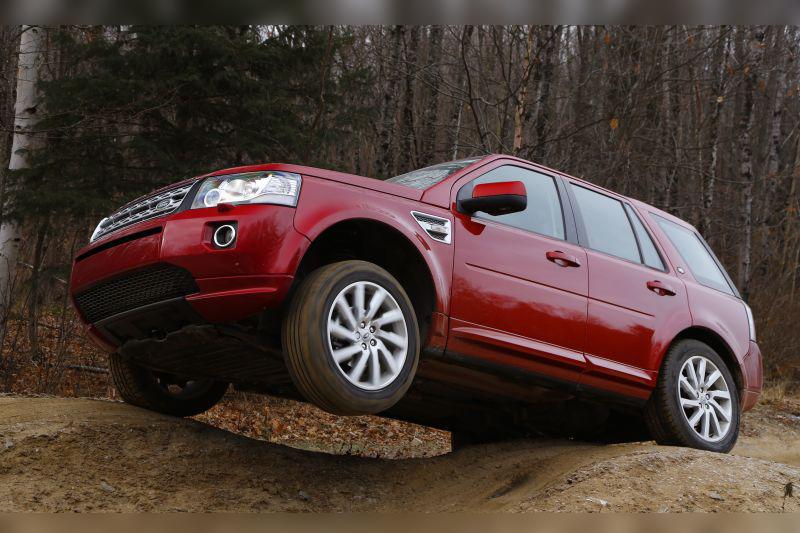
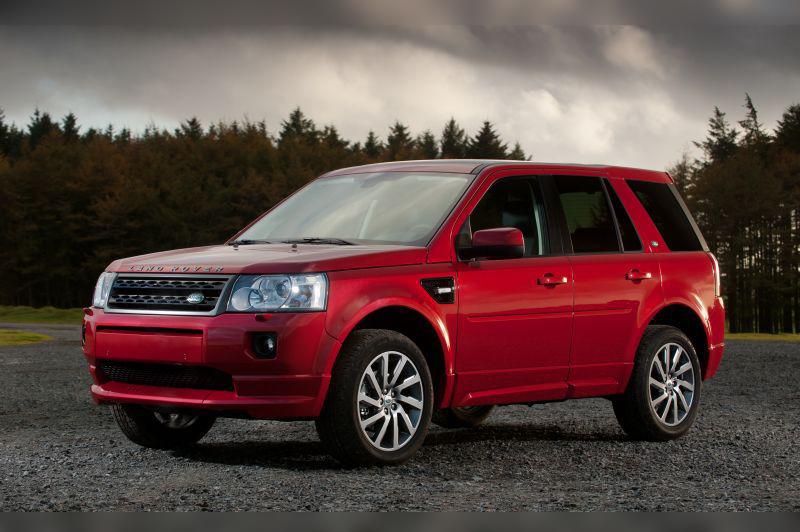
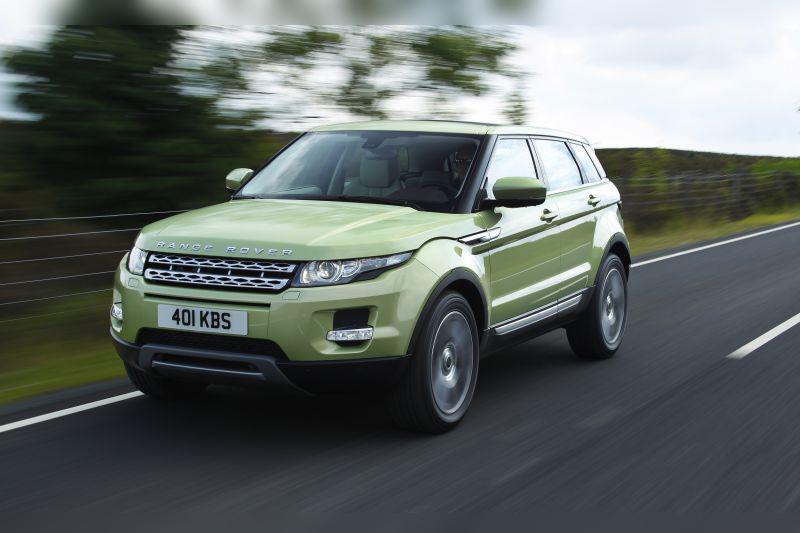
The 224DT engine is a reliable and proven 2.2‑liter diesel unit. Its roots come from a joint development by PSA (Peugeot/Citroën) and Ford (where it is known as DW12 or Duratorq). It was mostly installed in more robust vehicles, primarily the Land Rover Freelander II and the first generation of the Range Rover Evoque. Designations vary depending on the drivetrain: TD4 denotes versions with all-wheel drive (AWD), while eD4 stands for lighter, front‑wheel‑drive versions with slightly better fuel economy. Its 110 kW (150 hp) may not break lap records, but 380 Nm of torque provides solid pulling power necessary for heavy SUVs.
Technical specifications
| Characteristic | Data |
|---|---|
| Displacement | 2179 cc |
| Power | 110 kW (150 hp) |
| Torque | 380 Nm |
| Engine codes | 224DT (also known as DW12 / Duratorq) |
| Injection type | Common Rail (piezo injectors) |
| Turbo / NA | Variable-geometry turbocharger (VGT) + intercooler |
Reliability and maintenance
Timing belt or chain?
This engine has a specific timing setup: it uses a timing belt to drive one camshaft, while power is transferred to the other camshaft via a short chain (tensioned). So it has both. The factory interval for timing belt replacement is often set optimistically (sometimes up to 240,000 km), but practice and experienced mechanics suggest that the major service should be done at 150,000 km or every 7 years. If you hear rattling from the top of the engine on a cold start, this is a symptom that the short chain has stretched and must be replaced together with the major service.
Failures and oil consumption
The 224DT engine has a reputation as a fairly durable unit. The most common issues are related to intercooler hose ruptures, oil leaks on crankshaft seals on very high‑mileage engines, as well as problems with swirl flaps in the intake manifold. This engine takes between 5.9 and 6.5 liters of oil (depending on sump capacity and drivetrain). The recommended grade is 5W‑30 (most often with a specification for vehicles with a DPF filter). As for oil consumption between services (which should be done at a maximum of 15,000 km), up to 0.5 liters per 10,000 km is considered normal. If the engine consumes more, pay attention to the condition of the turbocharger or piston rings.
Injection system (injectors)
As a modern diesel, it uses a high‑pressure Common Rail system with piezo injectors. The injectors are very high quality and, with good fuel and regular fuel filter changes, routinely last over 250,000 km. Symptoms of bad injectors are rough idle (shaking), increased black smoke from the exhaust before the DPF catches it, as well as difficult first cold start in winter.
Specific parts (costs)
Dual-mass flywheel and clutch
Yes, if the vehicle is equipped with a manual gearbox, the engine uses a dual-mass flywheel. Considering that the Freelander and Evoque weigh around 1.8 tons (and often have all‑wheel drive), the flywheel is heavily stressed, especially in stop‑and‑go city driving. Symptoms of a worn flywheel are strong vibrations in the clutch pedal, metallic knocking when switching the engine off, and jerking when pulling away. Replacing the complete clutch kit with the dual‑mass flywheel is very expensive (depends on market), as it often requires removal of front suspension components and the prop shaft on AWD models.
Turbo, DPF and EGR
This engine uses a single variable‑geometry turbocharger (VGT). Its service life is long, provided the oil does not degrade. The most common issue is not the turbo rotor itself, but the variable‑geometry actuator, which can stick due to soot, causing the car to go into “safe mode” (loss of power). Turbocharger overhaul is expensive (depends on market).
The engine is also equipped with a DPF filter and an EGR valve. They are the biggest enemies of this engine if the car is driven exclusively in the city. The EGR valve clogs with soot, which causes harsh transitions when applying throttle and error codes on diagnostics. The DPF filter requires driving on open roads to perform regeneration (burning soot at temperatures above 600 °C). If regenerations are frequently interrupted, the oil level in the sump can rise (fuel mixing with oil).
Important note about AdBlue: The 224DT engine in Euro 5 specification (the one most commonly found in these generations) does not have an AdBlue system. That’s one less headache for owners, as Land Rover only introduces AdBlue on the newer 2.0 Ingenium diesel engines.
Fuel consumption and performance
In the city and on the open road
It’s important to be realistic: a 2.2‑liter displacement and the heavy, non‑aerodynamic SUV body take their toll. Real‑world fuel consumption in strict city driving ranges between 8.5 and 10.5 l/100 km, depending on traffic and whether the gearbox is automatic. The eD4 (FWD) uses on average one liter less than TD4 (AWD) models.
As for performance, 150 hp is right on the edge of feeling “sluggish” for such heavy vehicles. In city conditions you won’t really notice this thanks to the good 380 Nm of torque at low revs, but on open regional roads, overtaking at speeds above 90 km/h requires a bit of planning. Still, on the motorway it behaves like a true cruiser. At 130 km/h, the engine spins at a comfortable 2200 to 2400 rpm in sixth gear (depending on the gearbox), and fuel consumption is around 7.5 l/100 km. It is exceptionally quiet and stable at these speeds.
Additional options and modifications
Chiptuning potential (Stage 1)
This is one of the best characteristics of the 224DT engine. The manufacturer produced an almost mechanically identical version of this engine with 190 hp (SD4). Because of this, the engine handles a so‑called Stage 1 remap extremely well. Without any hardware changes (only by modifying the ECU software), power can be safely raised from 150 hp to around 185–190 hp, and torque to an impressive 420+ Nm. With this upgrade, the vehicle loses the “sluggish” feel and copes with the body weight much more easily, while under normal driving fuel consumption can slightly decrease.
Gearbox and drivetrain
Manual and automatic gearboxes
This engine was paired with a 6‑speed manual gearbox (Getrag) and a 6‑speed automatic gearbox (Aisin TF‑81SC).
The manual gearbox is mechanically very robust, but as already mentioned, the main wear items are the dual‑mass flywheel and clutch disc. It is recommended to change the oil in the manual gearbox preventively at 80,000 km.
The automatic gearbox (Aisin) is a classic torque‑converter automatic, not a dual‑clutch unit. It does not use a dual‑mass flywheel. It has proven to be extremely reliable and smooth in operation, under one strict condition: the oil must be changed every 60,000 km. If intervals are skipped, the valve body wears out, which you will notice as a harsh jolt when shifting from P to D or R, as well as rough shifts between 2nd and 3rd gear. Repairing the gearbox is then very expensive (depends on market).
We must not forget the drivetrain: TD4 versions are equipped with a Haldex coupling for the rear axle. Its pump is prone to failure if the oil and filter in the Haldex system are not changed regularly (recommended every 60,000 km).
Buying used and conclusion
What to check before buying?
When buying a used car with the 224DT engine, make sure to check the following:
- Cold start: The engine should start smoothly. Any rattling may indicate a stretched chain between the camshafts. Bluish smoke points to bad glow plugs or injectors.
- Exhaust and DPF: A finger in the exhaust (when cold) should remain relatively clean. Thick black soot means the DPF has been removed or is permanently damaged.
- Noise while driving (automatic): Pay attention to shifting on an uphill. If the gearbox “hesitates” or jerks, the valve body is close to failing.
- Drivetrain (AWD): A whining noise from the rear of the vehicle while driving often means the rear differential or the Haldex coupling bearing has failed.
Conclusion: Is this the right engine for you?
The 224DT (2.2 TD4 / eD4) engine is an excellent choice for drivers who need a strong “workhorse” wrapped in the elegant body of a Freelander or Evoque. It is intended for people who drive mixed routes (city – open road – light off‑road) and who value reliability over raw acceleration. Avoid it if you spend 90% of your time in city traffic – you will face high fuel consumption and a clogged DPF. For maximum enjoyment, the recommended choice is the version with the automatic gearbox (with documented oil‑change history) and a mild Stage 1 software tune for smoother overtaking.