Engine 5GZ EP6FDT (1.6 THP 165 hp): Experiences, issues, fuel consumption and used-car buying tips
In short (TL;DR)
- This is a significantly improved Euro 6 version of the controversial "Prince" engine, which has corrected many of the early-series issues.
- The timing system uses a chain, whose service life has been improved, but it still needs to be carefully listened to during a cold start.
- Direct fuel injection inevitably causes carbon buildup on the intake valves, which requires occasional mechanical cleaning.
- Mild oil consumption is normal; it is extremely important to check the oil level regularly and change the oil every 10,000 to 15,000 km at most.
- Automatic gearboxes (Aisin EAT6) often paired with this engine are top quality and extremely reliable, provided the oil is changed regularly.
- LPG conversion is not cost-effective for the average driver due to the specifics of direct injection.
Contents
- Introduction: What is the 5GZ EP6FDT engine?
- Technical specifications
- Reliability and maintenance
- Specific parts and costs
- Fuel consumption and performance
- Additional options and modifications (LPG and remapping)
- Transmissions: Manual vs automatic
- Buying used and conclusion
Introduction: What is the 5GZ EP6FDT engine?
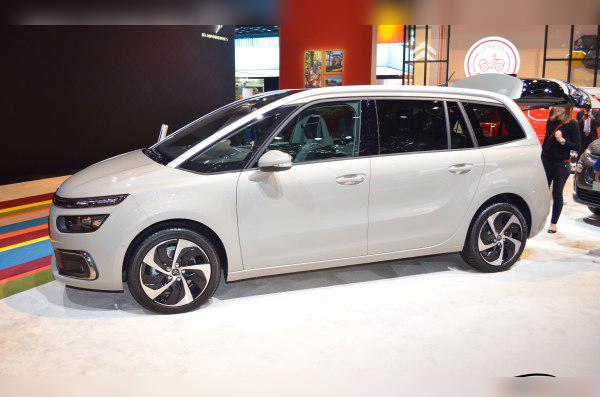
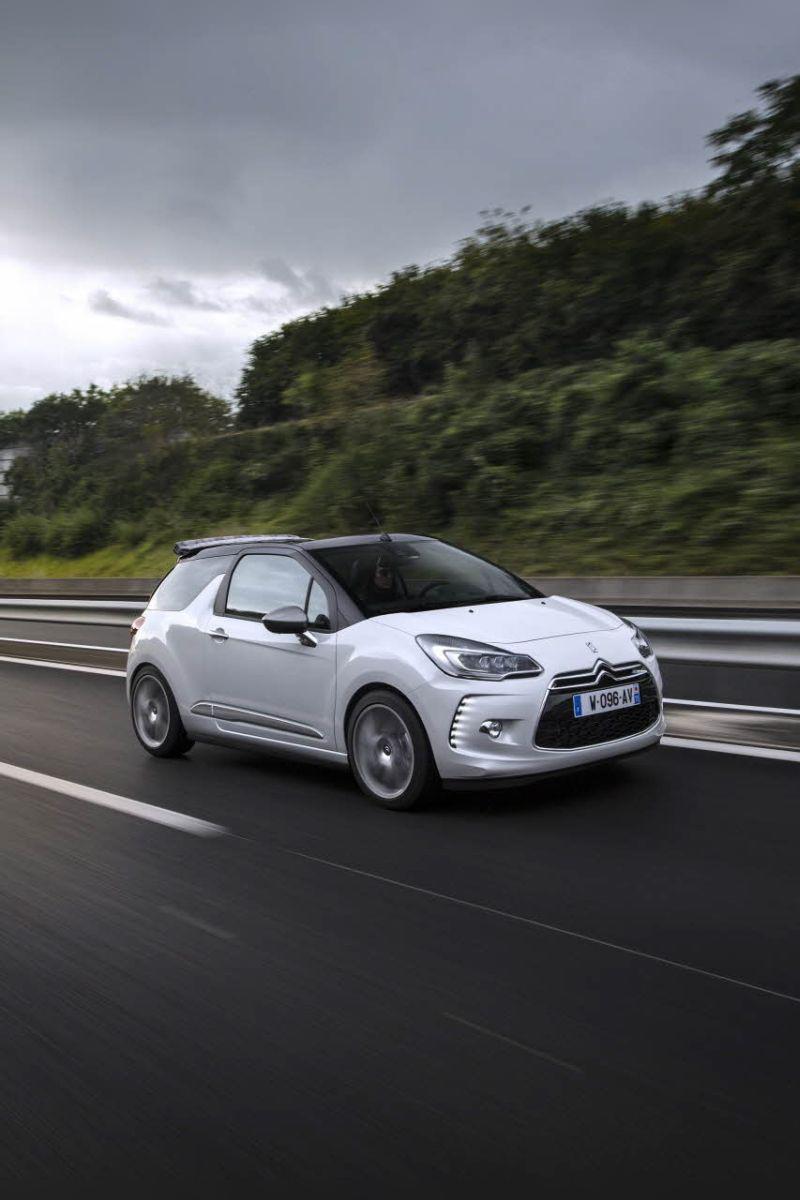
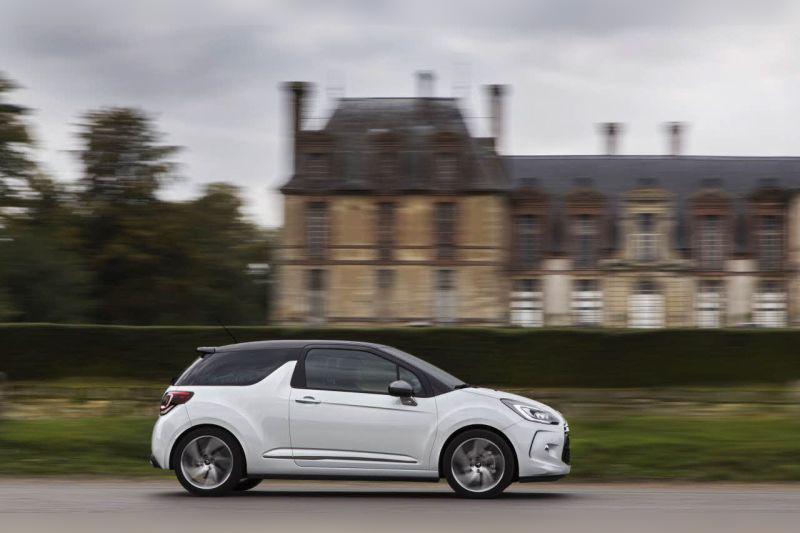
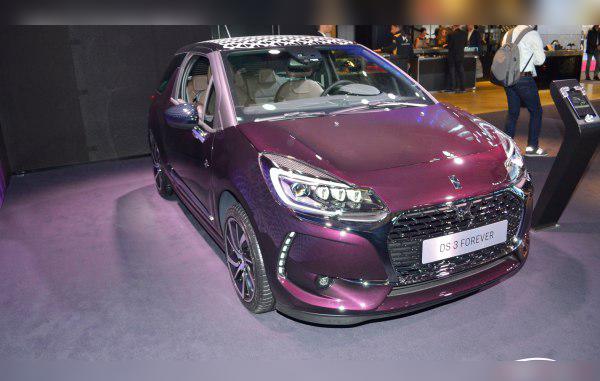
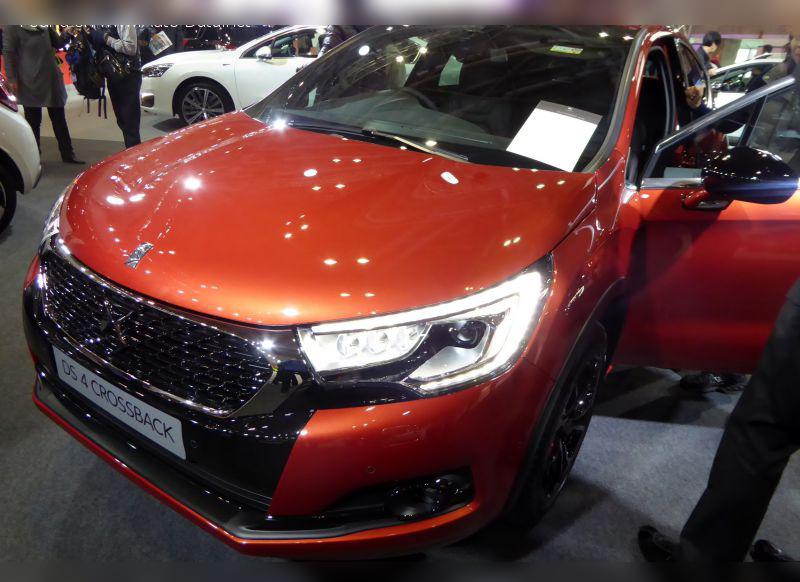
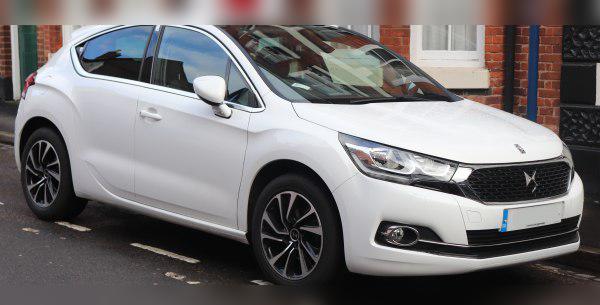
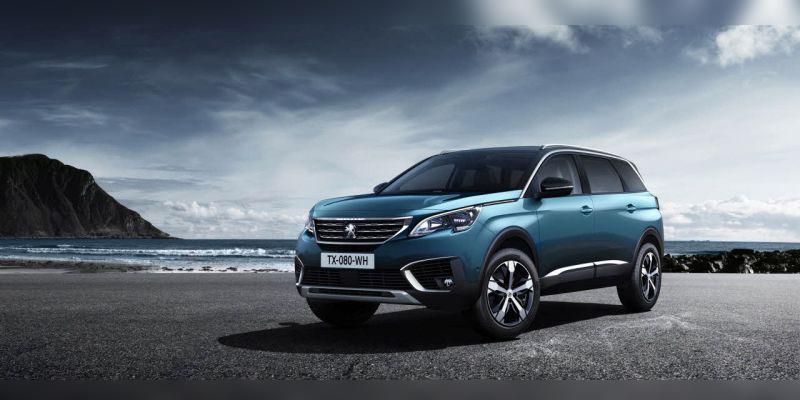
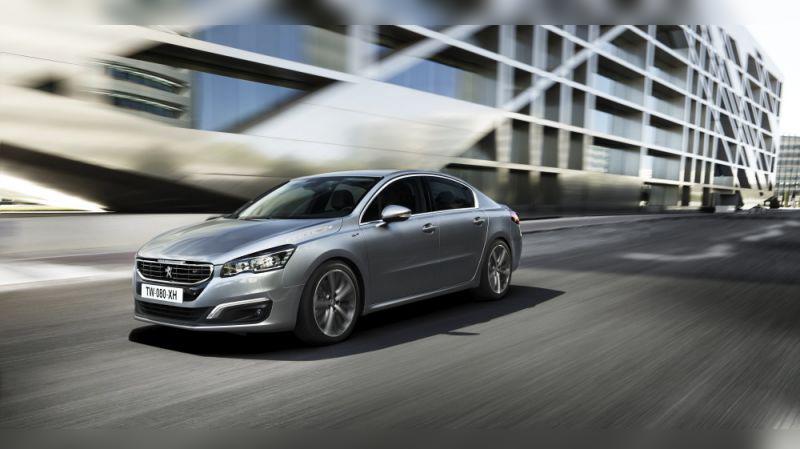
When the designation "1.6 THP" is mentioned, many experienced drivers and mechanics immediately think of the early series of this engine developed in cooperation between PSA Group and BMW (the famous "Prince" engines), which had serious problems with timing chain stretch and oil consumption. However, the engine with the code 5GZ (EP6FDT) with 165 hp represents a major turning point. This is an improved Euro 6 generation of this power unit, installed from 2014 onwards in a wide range of models, including Peugeot (3008, 5008, 508), Citroën (C4 SpaceTourer) and the premium DS line (DS 3, DS 4, DS 5).
The engineers changed the design of the chain tensioner, pistons and piston rings, which raised reliability and longevity to a much higher level. Although it still requires professional maintenance, this engine offers an excellent balance between performance and emissions, behaving more like an elastic diesel in everyday driving than a classic high-revving petrol engine.
Technical specifications
| Specification | Data |
|---|---|
| Engine displacement | 1598 cc |
| Power | 121 kW (165 hp) at 6000 rpm |
| Torque | 240 Nm at 1400 rpm |
| Engine codes | EP6FDT / 5GZ |
| Injection type | Direct injection |
| Forced induction | Twin-scroll turbocharger + intercooler |
Reliability and maintenance
Proper maintenance is the key to this engine’s long life. It does not tolerate neglect, cheap oil or skipped services.
Timing system: Belt or chain?
This engine uses a timing chain instead of a belt. Although in theory a chain is "lifetime", in practice that is not the case with THP engines. Still, on the 5GZ version, problems with rapid stretching have been reduced to a minimum. The symptom is a distinctive metallic rattle coming from the passenger side during a cold start (after the engine has been sitting overnight). If you hear rattling in the first few seconds of operation, it is a sign that the tensioner has weakened or the chain has stretched slightly.
Major service and regular maintenance
Since the engine has a chain, there is no classic major service at a fixed mileage. The timing chain kit (chain, guides, tensioner) is replaced as needed, most often preventively between 120,000 and 150,000 km, depending on the driving profile. At the same time, the water pump should always be checked.
Engine oil: Capacity, grade and consumption
The sump of this engine holds about 4.25 litres of oil. Due to the specifics of direct injection and the sensitive turbocharger, only high-quality fully synthetic oil of grade 0W-30 or 5W-30 that meets PSA B71 2312 (or newer) standards is recommended.
Does it consume oil? Yes, oil consumption is present. Due to the engine’s design and high operating temperatures, consumption of about 0.2 to 0.4 litres per 1000 km is considered completely normal. However, if the engine consumes close to 1 litre per 1000 km, this indicates a problem with the valve stem seals or piston rings (often as a result of infrequent oil changes). Tip: Change the oil every 10,000 to 15,000 km, never at 30,000 km as the manufacturer once stated!
Spark plugs
Since this is a turbocharged petrol engine with direct injection, cylinder pressures are high. Spark plugs should be replaced every 40,000 to 60,000 km. Worn plugs put direct stress on the ignition coils and can cause misfires, which in turn damage the catalytic converter.
Specific parts and costs
Dual-mass flywheel and clutch
If the engine is paired with a manual gearbox, yes, it has a dual-mass flywheel. Its job is to smooth out vibrations at low revs. When it wears out, you will feel strong vibrations when setting off, thumps when switching the engine off, or clutch slip. A clutch kit with a dual-mass flywheel is quite expensive (depends on market). Versions with an automatic gearbox do not have a dual-mass flywheel; they use a torque converter instead.
Fuel injection system and carbon buildup
The engine uses direct injection, which means the fuel is sprayed straight into the cylinder and does not wash the intake valves. The result is that oil vapours from the PCV valve accumulate on the intake valves (carbon buildup). Symptoms include loss of power, hesitation under acceleration and rough idle. Cleaning the intake ports with walnut shell blasting is recommended at around 80,000 km and is not very expensive (depends on market). The injectors themselves are generally reliable, but the high-pressure fuel pump (HPFP) can fail, which triggers the "Check Engine" light, causes hard starting and puts the engine into limp mode. Replacing the HPFP is very expensive (depends on market).
Turbocharger
The engine has a single twin-scroll turbocharger with excellent performance. Twin-scroll technology eliminates the so-called turbo lag, which is why maximum torque is available already at a diesel-like 1400 rpm. Its service life is long if the oil is changed regularly and if the engine is left to idle for about 30 seconds before switching off after hard motorway driving. Sometimes play can develop in the wastegate mechanism (wastegate rattle), which requires a turbo overhaul.
Emissions: DPF, EGR and AdBlue
Since this is a petrol engine, it does not have an AdBlue system or expensive diesel DPF filters. Newer PureTech versions later received a GPF (Gasoline Particulate Filter), but on most 5GZ units from this period, the exhaust system is relatively simple (catalytic converter + lambda sensors). The engine does not use a problematic electronic EGR valve in the diesel sense; instead, emissions are controlled by intelligent valve management (VTi system).
Fuel consumption and performance
In city driving, you can expect fuel consumption between 8.5 and 11 l/100 km, depending on vehicle weight. In heavier cars such as the Citroën C4 Grand SpaceTourer or Peugeot 5008, consumption will be closer to the upper end due to frequent stop-and-go traffic.
Is the engine "lazy"? Absolutely not. With 240 Nm already at 1400 rpm, the engine pulls very smoothly and easily moves heavier MPV or SUV bodies.
On the motorway, the 1.6 THP is an excellent cruiser. Thanks to long gearing (especially with the automatic), at 130 km/h the engine runs at very low revs (usually between 2300 and 2600 rpm). The cabin is very quiet, and average consumption on the open road ranges from 6.0 to 7.5 l/100 km.
Additional options and modifications
LPG conversion
This engine is not suitable for a cheap LPG conversion. Due to direct injection, the injectors would burn out at high temperatures if the petrol flow were completely cut off. That is why special systems are installed that inject LPG but also a small amount of petrol to cool the injectors. Such LPG systems are very expensive (depends on market), so the investment rarely pays off unless you cover extremely high mileages.
Remapping (Stage 1)
The EP6FDT unit has proven to be an excellent candidate for safe software power increases (remapping). Thanks to the high-quality twin-scroll turbo, a Stage 1 map usually raises output to about 190 to 205 hp, with torque increasing to around 300 Nm. The engine and the Aisin automatic gearbox can handle this power without issues, but the owner is then expected to use only high-octane petrol (98 or 100 RON) and to maintain the car even more rigorously.
Transmissions: Manual vs automatic
This engine is less commonly found with the six-speed manual (MCM), and much more often with the Aisin EAT6 six-speed automatic gearbox.
- Manual gearbox: Very reliable, but as mentioned, replacing a worn clutch and dual-mass flywheel is a major expense. The most common issues include oil leaks on the seals or difficulty engaging gears due to damaged selector cables.
- Aisin EAT6 (automatic): This is a conventional automatic from a Japanese manufacturer with a torque converter. Forget the jerky robotised gearboxes (BMP6/ETG) that PSA used previously. The EAT6 is quick, smooth and incredibly reliable. The most important thing to know: The oil in this gearbox is not "lifetime"! A partial oil change is required every 60,000 to 80,000 km. If the gearbox has been neglected, you will feel harsh shifts (especially from 2nd to 1st when stopping) and delayed throttle response. Repairing a damaged valve body (the gearbox "brain") is very expensive (depends on market).
Buying used and conclusion
Buying a used car with the 1.6 THP (5GZ) engine requires a bit more attention than buying a simple naturally aspirated petrol. Here is what you must check before handing over your money:
- Ask for a cold start: If possible, insist that the car has not been started that day. Listen to the engine with the bonnet open. If you hear chain rattling similar to a diesel in the first 5–10 seconds, be aware that a chain replacement is likely due soon.
- Check the exhaust: Ask someone to blip the throttle sharply while you stand behind the vehicle. Bluish smoke indicates oil burning (rings or valve stem seals). Black smoke indicates an injection problem (dirty injectors or bad spark plugs).
- Check service history: The oil change interval is gospel for this engine. If the previous owner changed the oil every 30,000 km according to the old factory schedule, there is a high chance that the engine is full of carbon deposits and that the crankshaft and turbo have suffered increased wear.
- On-road diagnostics: During the test drive, pay attention to power delivery. It should be linear and without hesitation. Hesitation or jerking (misfires) is a clear sign of problems with spark plugs, coils, the HPFP or an extreme amount of carbon on the valves.
Conclusion: Who is this engine for?
The 1.6 THP 165 hp (5GZ) engine is an excellent choice for drivers who want smooth, quiet operation, dynamic performance and motorway refinement that a diesel cannot offer. It is ideally suited to larger vehicles, where it provides plenty of torque. Due to direct injection, the engine is not ideal for exclusively short city trips to the bakery and back, as it needs operating temperature to evaporate moisture from the oil. It is intended for drivers who appreciate sophisticated engineering and who do not skimp on quality synthetic oil and regular filter changes every 10 to 15 thousand kilometres. If you buy a well-maintained example, you will be more than satisfied.