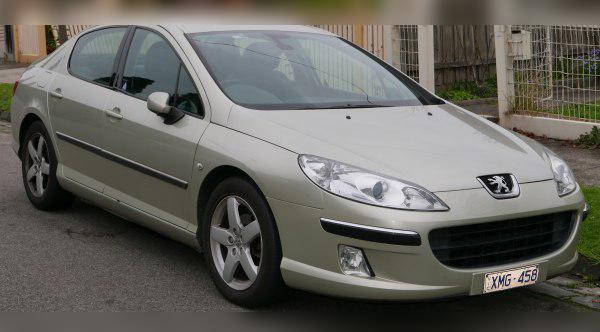
Engine 1.8 16V 6FZ EW7J4 (116 hp) – Experiences, issues, fuel consumption and used-car buying tips
Key points in short (TL;DR)
- Excellent base: A very simple and robustly designed engine without expensive components (no turbo, no dual-mass flywheel, no DPF).
- Oil consumption: The main drawback of this engine. In later years of use it often consumes oil due to hardened valve stem seals and worn piston rings.
- Fuel consumption: Relatively high in city driving (often over 10 l/100 km), especially in heavier bodies such as the Peugeot 407 or Citroën C5.
- Ideal for LPG: Classic multipoint injection makes it a perfect candidate for installing a sequential LPG system.
- Performance: Don’t expect sporty results. The engine is somewhat “lazy” for D‑segment sedans, but perfectly adequate for relaxed driving.
- Risk with automatics: The notorious 4‑speed AL4 automatic gearbox can lead to expensive repairs; the manual gearbox is a much safer choice.
Contents
- Introduction: About the engine and its applications
- Technical specifications
- Reliability and maintenance
- Specific parts and costs
- Consumption and performance
- Additional options and modifications
- Gearboxes: Manual and automatic
- Buying used and conclusion
Introduction: About the engine and its applications
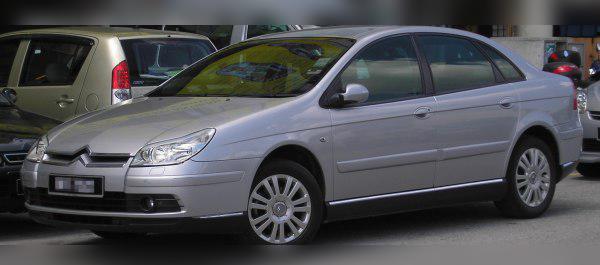
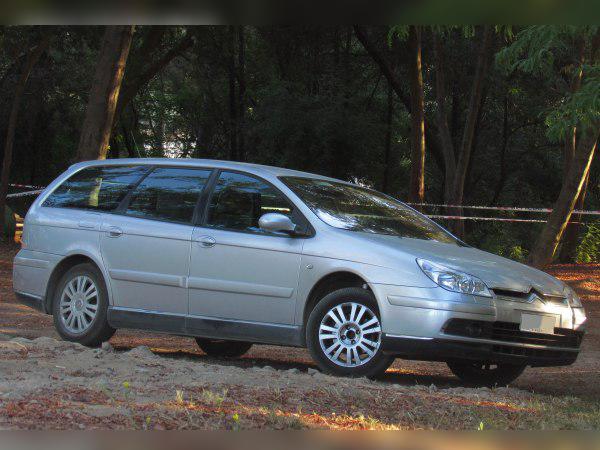
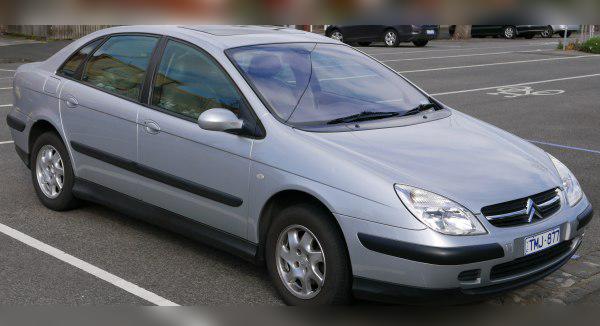
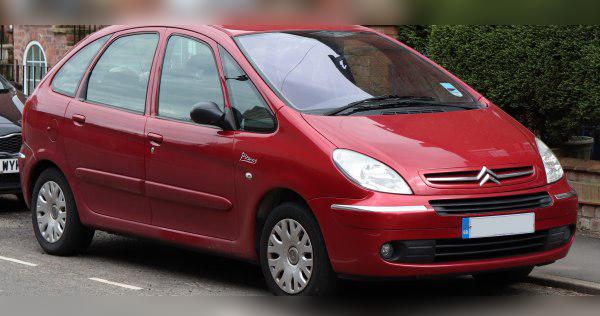
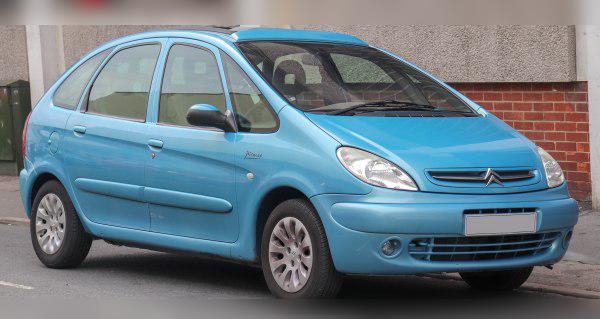
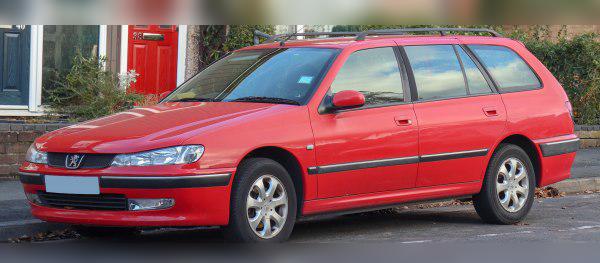
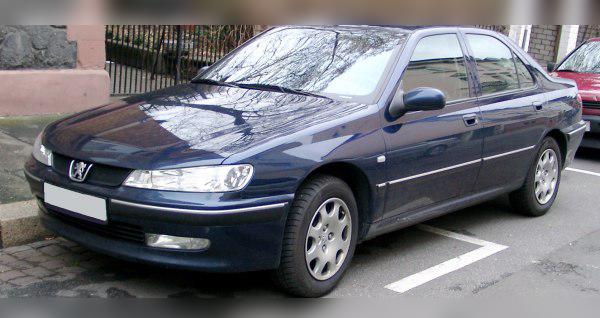
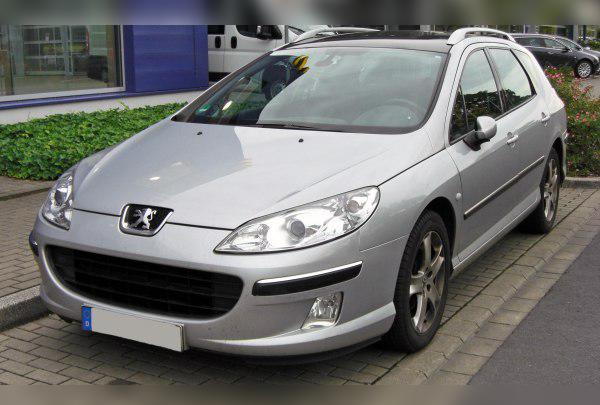
The French PSA group (Peugeot–Citroën) started transitioning from the old XU engines to the more modern EW engine series in the late 1990s. The engine designated 6FZ, commercially known as 1.8 16V EW7J4, is one of the basic petrol units from that transitional period. It appeared on the market in 1999 and was installed up until the late 2000s in some of the group’s most popular models, including the Peugeot 406, 407, as well as the Citroën C5 and Xsara Picasso.
It was conceived as a compromise between the smaller 1.6 and the larger 2.0 engine, aimed at drivers who want the reliability and simplicity of a naturally aspirated petrol engine. Due to the absence of modern, sensitive emission-control systems, this engine is today valued on the used market primarily for its low maintenance costs and excellent tolerance of alternative fuels.
Technical specifications
| Parameter | Specification |
|---|---|
| Engine displacement | 1749 cc |
| Power | 85 kW (116 hp) |
| Torque | 163 Nm |
| Engine code | EW7J4 (6FZ) |
| Injection type | Multipoint indirect injection (MPI) |
| Aspiration | Naturally aspirated |
| Fuel | Petrol (Gasoline) |
Reliability and maintenance
One of the first things every buyer wants to know is about the timing system. The 6FZ engine uses a timing belt. According to factory specifications, the major service interval is quite long (often stated as 120,000 km or 10 years), but any experienced mechanic will tell you that in practice, especially on older vehicles, it is wiser to do a major service at around 80,000 km or every 5 to 6 years. A snapped belt leads to valves hitting the pistons, which results in catastrophic engine damage.
As for lubrication, this engine takes about 4.25 litres of engine oil. The most commonly recommended grade is 5W‑40 (such as Total Quartz 9000), although on high‑mileage engines that have started to consume oil, owners often switch to semi‑synthetic 10W‑40.
Oil consumption is, unfortunately, a characteristic and often the main problem of this engine. Does it consume oil between services? In 90% of used examples – yes. Factory tolerance is high, but in practice consumption of 0.2 to 0.5 litres per 1000 km is a common occurrence on older units. The cause lies in hardened valve stem seals (oil leaks down the valve guides directly into the cylinder, most often after the car has been standing or when lifting off the throttle) and weakened oil control rings. A symptom the driver may notice is bluish smoke from the exhaust on the first cold start of the day or when suddenly flooring the throttle after prolonged engine braking. Fixing this problem requires removing the cylinder head, which is a moderately expensive job (depends on the market).
Regarding the ignition system, it is recommended to replace the spark plugs every 40,000 to 60,000 km. In addition, a common failure point is the coil pack (ignition module). When the coil fails, the engine starts to misfire, runs on three cylinders, shakes at idle, loses power and the Check Engine light comes on (often with an “Antipollution fault” message). Fortunately, replacing the coil is quick and not too expensive (market‑dependent).
Specific parts and costs
Good news for your wallet: this engine does not have a dual‑mass flywheel! It uses a classic solid flywheel, which means that clutch kit replacement is noticeably cheaper compared to modern diesels or newer turbo‑petrol engines. The clutch kit includes the pressure plate, disc and release bearing, and the price of parts and labour ranges from low to mid‑range (depending on the market).
The fuel system uses conventional indirect (MPI) injection. This means that petrol passes over the intake valves, cleaning them in the process. The injectors on this engine are not problematic. They rarely fail, and even if they get dirty due to poor‑quality fuel, ultrasonic cleaning usually restores them to perfect condition for little money.
Since this is a classic naturally aspirated petrol engine, it has no turbocharger, no DPF filter and no AdBlue system. This spares you from the most expensive failures that plague modern diesels. The engine does have an EGR valve (on certain variants/markets to meet Euro 3/Euro 4 standards) and a secondary air injection system. On petrol engines the EGR clogs much less frequently than on diesels, but if it sticks, it can cause rough idle or stalling when coming to a stop.
Consumption and performance
This is an old‑school engine, and that is most noticeable at the fuel pump. Real‑world consumption in city driving is between 10.5 and 12 l/100 km, depending on how heavy your right foot is, air‑conditioning use and vehicle weight (the Peugeot 407, for example, is a heavy car for this engine). On open roads and highways it can drop to around 6.5–7.5 litres.
Is the engine “lazy”? In a light body, no, but in models such as the Citroën C5, Peugeot 406 Estate (Break) or Peugeot 407, with its 163 Nm of torque, it definitely requires high revs to show any liveliness. Overtaking requires a mandatory downshift and some planning.
On the motorway, the lack of a sixth gear becomes apparent. At 130 km/h in fifth, the engine runs at high revs (usually between 3,700 and 4,000 rpm). This results in increased cabin noise and fuel consumption rising to about 8.5–9.5 l/100 km.
Additional options and modifications
LPG installation: This is absolutely the best thing you can do with this engine. The EW7J4 is extremely suitable for LPG. It has hydraulic tappets (no need for manual valve clearance adjustment), and the simple intake manifold allows easy and affordable installation of a sequential gas system. With LPG, running costs are cut in half, and the power loss is negligible if the system is properly mapped.
Chiptuning (Stage 1): If you are thinking about chiptuning this engine – don’t bother. Since this is a naturally aspirated unit without a turbo, remapping the ECU will bring barely a 5–8 horsepower increase. You won’t feel that gain in real driving, and the cost is not justified.
Gearboxes: Manual and automatic
With the 6FZ engine you will find two transmission options: a 5‑speed manual (mostly from the BE4 series) and a 4‑speed automatic gearbox (AL4).
Manual gearbox (5‑speed)
Very robust and reliable. Its main drawback is not mechanical failure, but the “rubbery” and imprecise shift feel (typical for PSA group cars from that period) due to the system of linkages and cables. Sometimes you may experience grinding when shifting from first to second at high revs due to worn synchros. The oil in the manual gearbox (75W‑80) is officially “filled for life” according to the factory, but any conscientious mechanic will recommend changing it at around 80,000 to 100,000 km. As mentioned, the clutch is conventional (no dual‑mass flywheel), so replacement is financially manageable.
Automatic gearbox (AL4)
If you come across an automatic (often in early C5 or 406 models), be very careful. The AL4 is a notorious 4‑speed gearbox known for problematic solenoids in the valve body. Symptoms of failure include very harsh shifts (jerking) from first to second gear, switching into “Safe mode” (locked in third gear) accompanied by an “Automatic Gearbox Fault” message on the display, especially when the oil is cold. Regular oil changes in the automatic are critical – they are mandatory every 60,000 km. Repairs on this gearbox are expensive and can exceed the value of older cars (market‑dependent).
Buying used and conclusion
When inspecting a used car with the 1.8 16V EW7J4 engine, you should focus on the following:
- Exhaust and smoke: Have the seller start the car cold. Watch the exhaust. If blue smoke comes out, the engine is seriously burning oil. Then ask someone to rev the car up to 4000 rpm while driving, suddenly lift off the throttle (engine braking) and after 5 seconds floor the throttle again. A cloud of smoke indicates bad valve stem seals.
- Rough idle: If the tachometer needle constantly fluctuates, the problem may be a dirty throttle body, idle control valve, bad coil pack or unmetered air entering through the intake manifold. It is usually not expensive to fix.
- Cooling system: Check whether the car reaches exactly 90°C and maintains that temperature. If it fluctuates, the thermostat is faulty. Also check the coolant reservoir; oil in it is a sign of a blown head gasket.
Who is this engine for?
The 1.8 16V (116 hp) engine is intended for calm drivers who are looking for the comfort of French saloons but do not want the risk of expensive failures on diesel engines (HDi). Its main drawbacks are high fuel consumption and a tendency to burn oil due to age. However, if you find a well‑maintained example, replace the valve stem seals and install a quality LPG system, you will get an extremely cheap and comfortable car for everyday use, with minimal maintenance costs. It is recommended to avoid the AL4 automatic gearbox and stick to the proven manual.