Engine 1.6 HDi 9HZ (DV6TED4): Real-world experience, common issues, fuel consumption and used-car buying tips
Key points in short (TL;DR):
- Excellent balance of low fuel consumption and decent performance, especially in lighter cars.
- Achilles’ heel: Injector washer leaks that lead to sludge build-up and clogging of the turbo oil feed strainer.
- Equipped with a dual-mass flywheel and a FAP filter that requires Eolys additive.
- Very sensitive to oil change intervals – it’s recommended to change oil every 10,000 to 15,000 km at most.
- Robotized EGS/BMP6 gearboxes in some models can be jerky and expensive to repair.
- Great candidate for a Stage 1 remap, which significantly improves drivability in heavier models like the C5 or 407.
Contents:
- Reliability and Maintenance
- Specific Components (Costs)
- Fuel Consumption and Performance
- Additional Options and Modifications
- Gearbox and Clutch
- Buying Used and Conclusion
Introduction
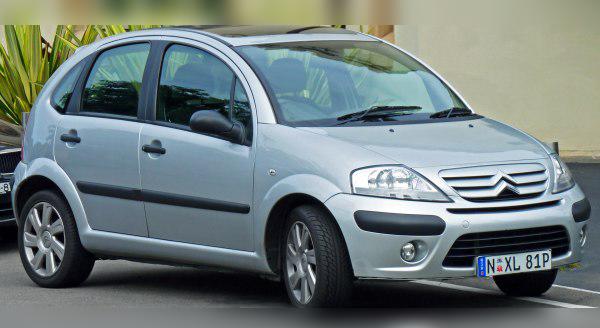
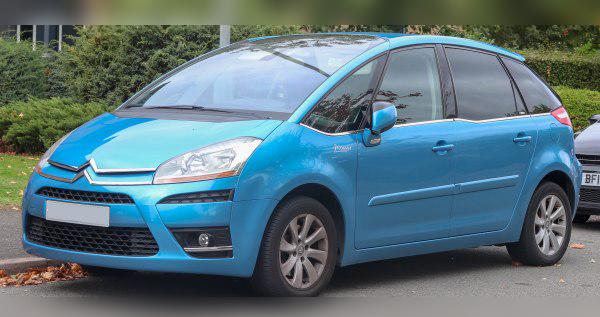
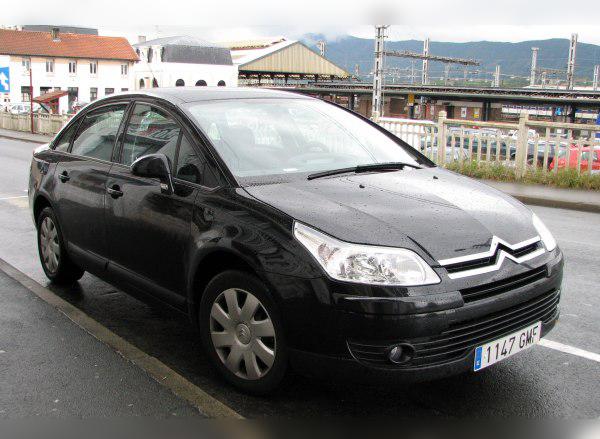
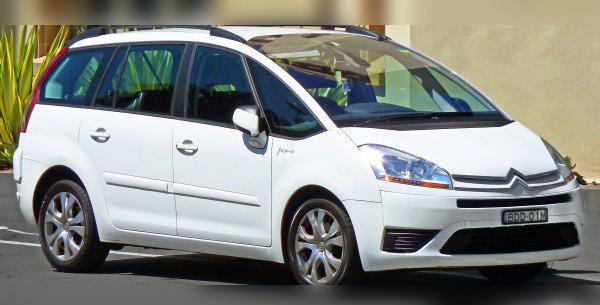
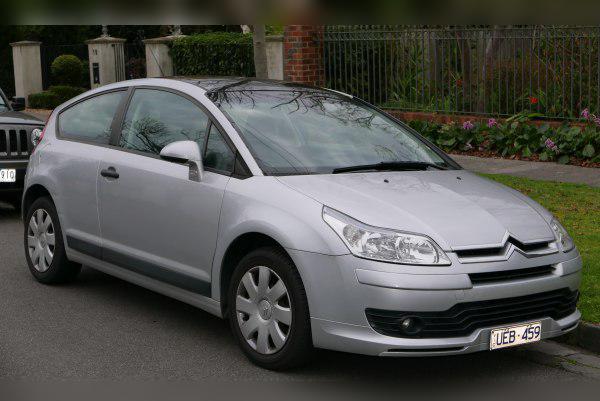
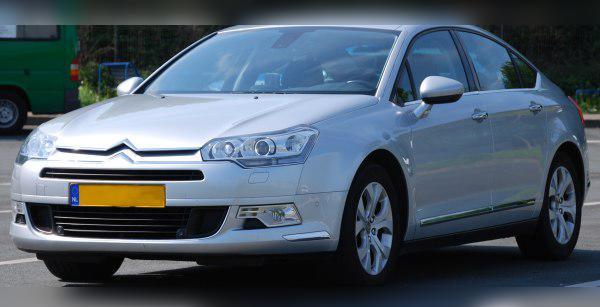
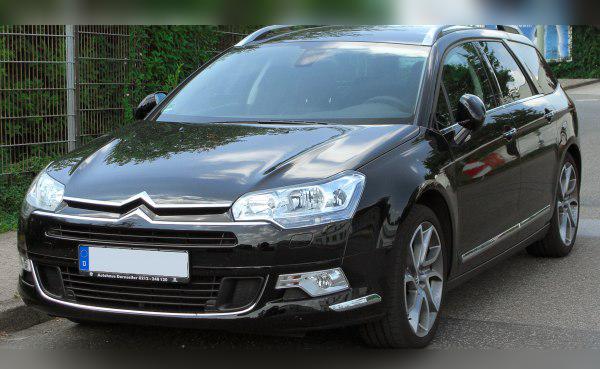
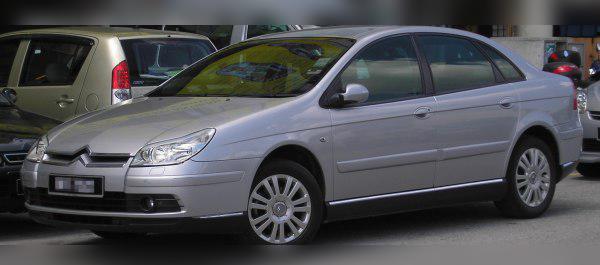
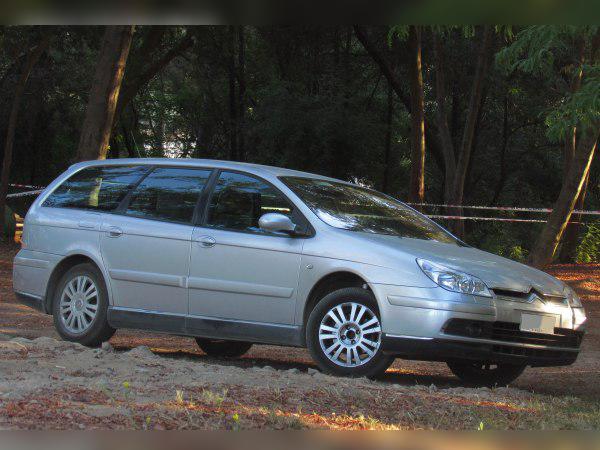
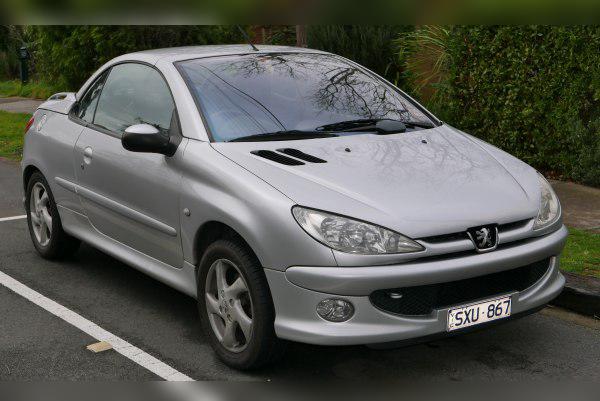
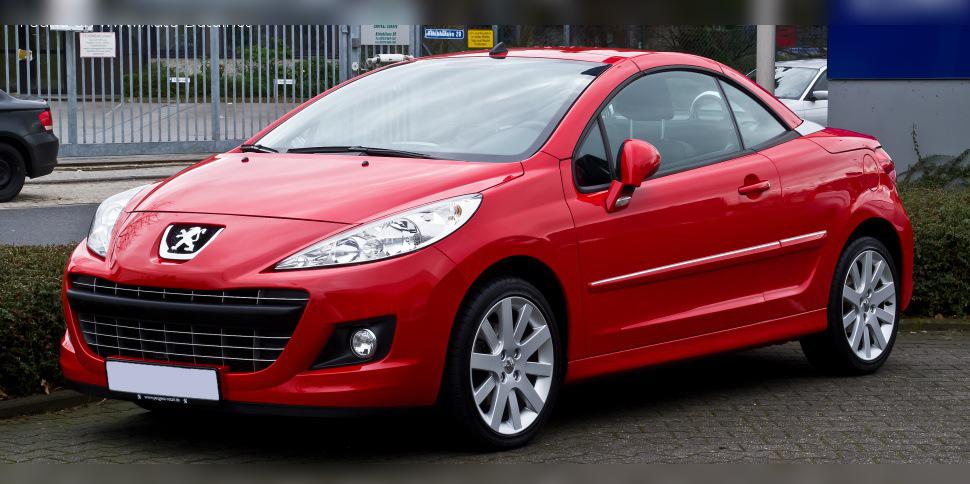
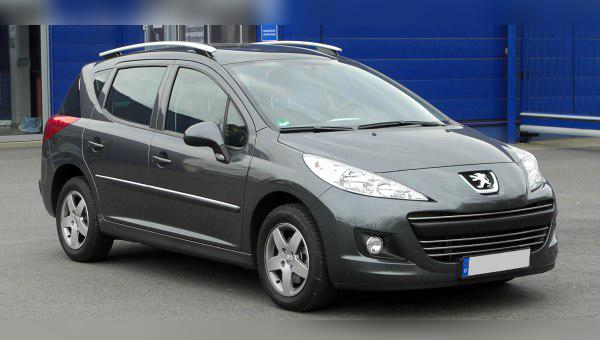
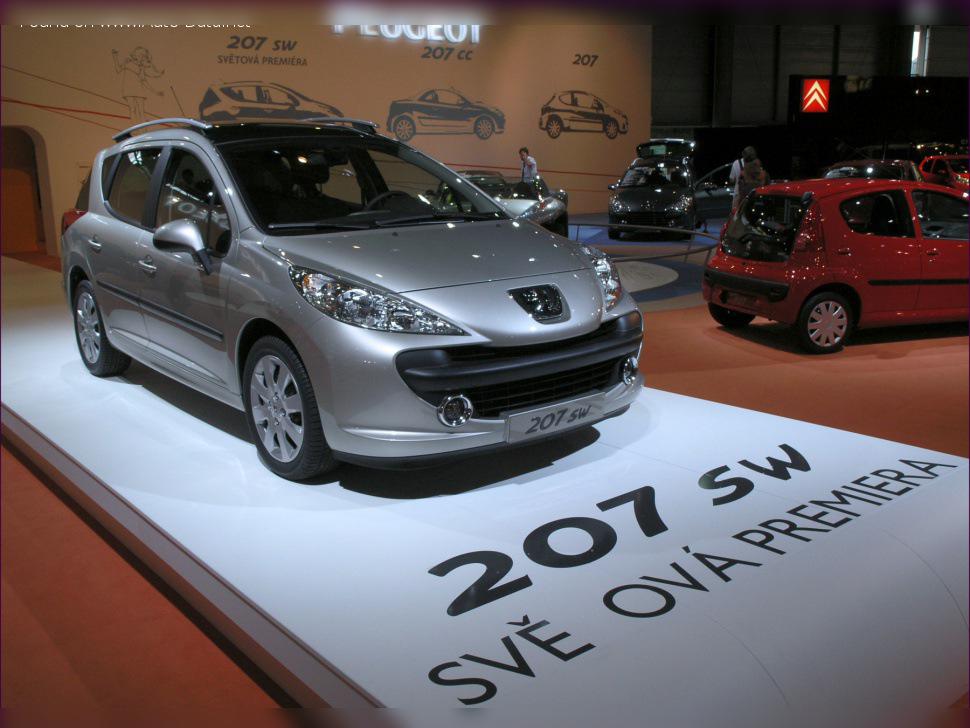
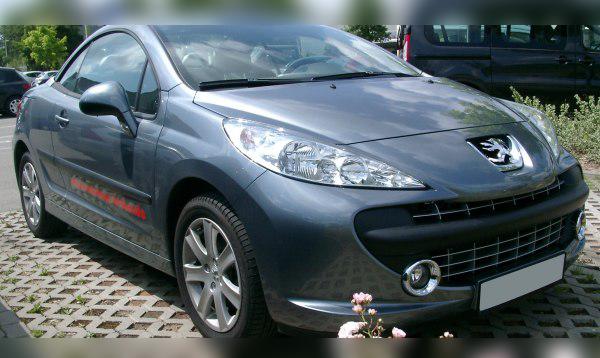
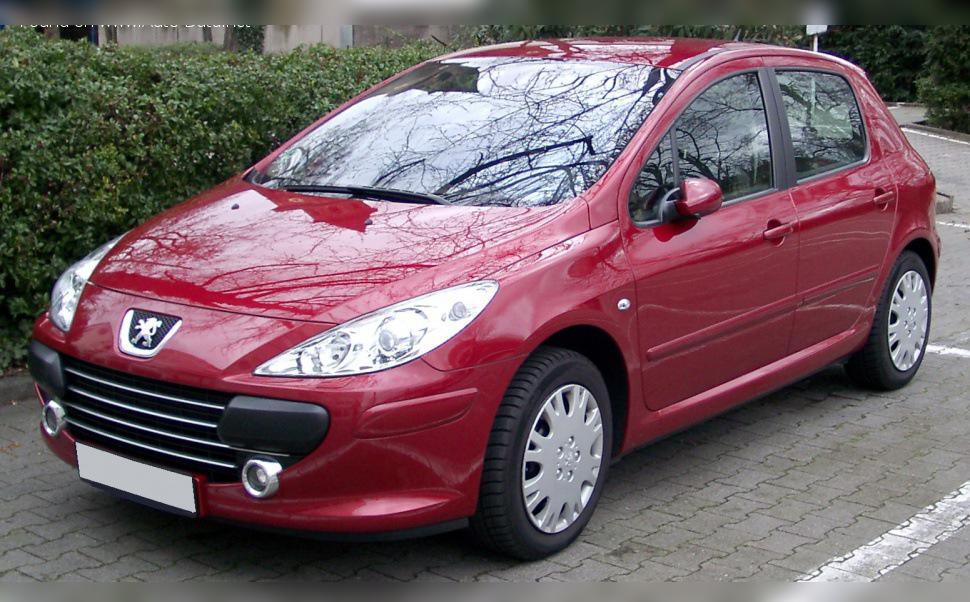
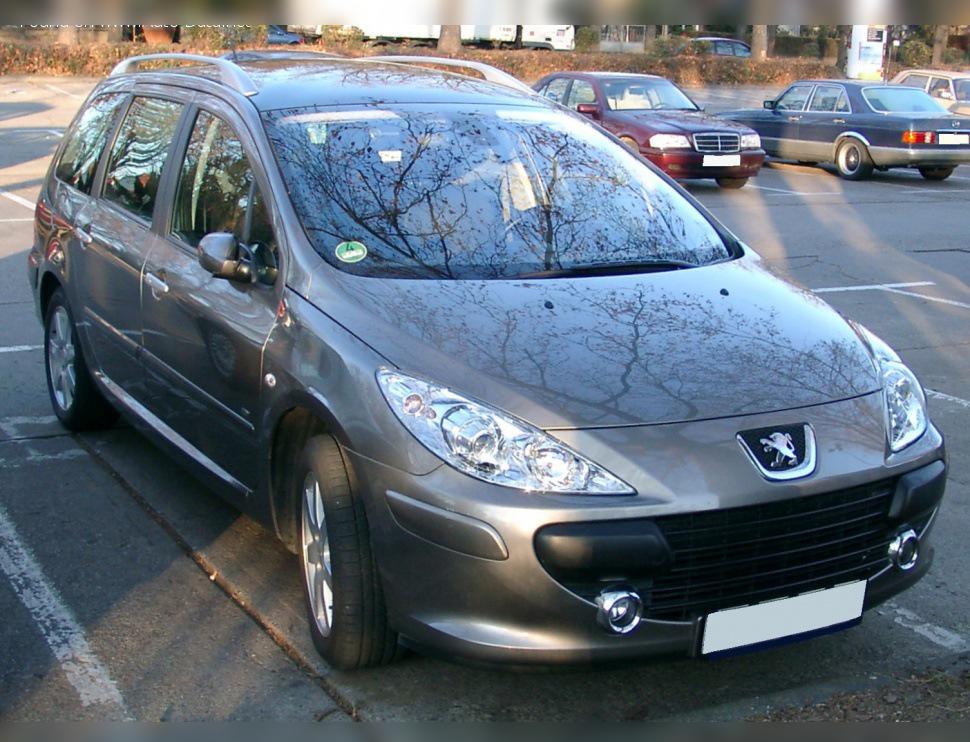
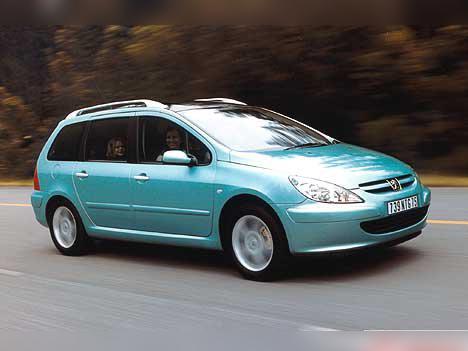
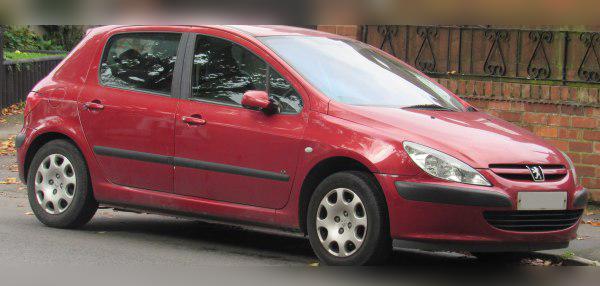
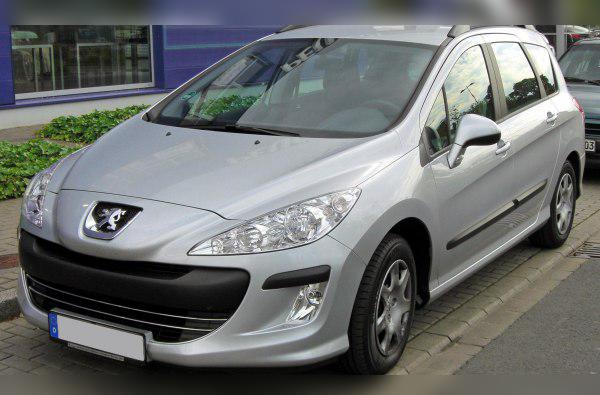
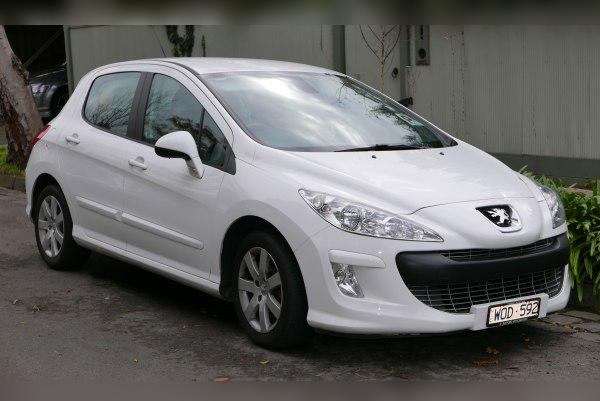
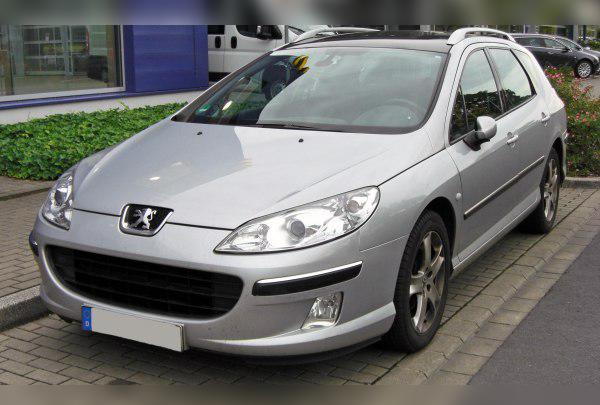
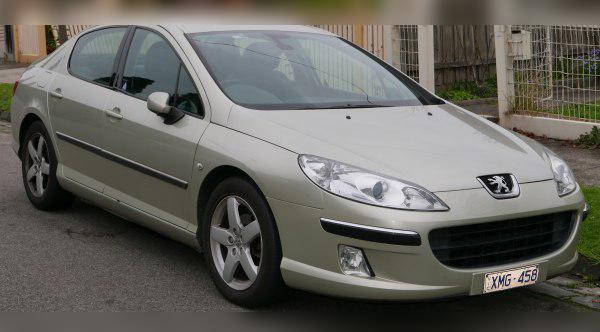
The 1.6 HDi engine with code 9HZ (DV6TED4) is one of the most important diesel units in the history of the PSA group (now part of Stellantis). With its 109 hp (80 kW) and 16 valves, this engine was widely used during the first decade of the 2000s. You can find it in a broad range of vehicles: from compact city cars like the Peugeot 207 and Citroën C3, through the popular “Golf class” (Peugeot 307, 308, Citroën C4), all the way to heavy family cruisers such as the Peugeot 407, Citroën C5 and C4 Grand Picasso. Its popularity lies in the fact that it democratized Common Rail technology, offering refined operation and very low fuel consumption, but it also comes with specific engineering flaws every owner needs to be aware of.
Technical specifications
| Specification | Data |
|---|---|
| Displacement | 1560 cc |
| Power | 80 kW (109 hp) |
| Torque | 260 Nm |
| Engine code | 9HZ / DV6TED4 |
| Fuel and injection type | Diesel, Common Rail Direct Injection |
| Charging | Variable-geometry turbocharger + intercooler |
| Number of valves | 16V |
Reliability and Maintenance
Understanding the mechanics of this engine is crucial for a long service life. The basic block is robust, but the peripheral components and lubrication system are demanding.
Timing belt or chain?
This unit uses a combined system. The main drive from the crankshaft to one camshaft is via a timing belt, while the drive between the two camshafts in the cylinder head is via a short chain with its own tensioner. During a major service, the timing belt must be replaced, but experienced mechanics also recommend checking (and if necessary replacing) the camshaft chain, as it can stretch over time and cause rattling on cold start.
Most common failures and “Black Death”
The biggest weakness of the 1.6 HDi 16V engine is failure of the copper washers under the injectors. When these washers fail, exhaust gases from the combustion chamber leak into the injector well area (you often hear a characteristic “ticking” and smell exhaust fumes in the cabin). These gases burn the engine oil nearby, creating a hard, black tar-like deposit (mechanics call it the “black death”). This carbon then makes its way down into the oil sump and clogs the strainer in the oil feed pipe to the turbo. The result? The turbo is starved of oil and fails. That’s why experienced mechanics often remove this small strainer from the turbo oil feed pipe as a preventive measure.
Major service, oil and oil consumption
Although the manufacturer once specified a very optimistic 240,000 km for the major service, in real life it’s done at 120,000 to 150,000 km (or every 5 to 7 years). As for engine oil, the system holds about 3.75 liters. Due to the FAP filter, you must use Low-SAPS 5W-30 oil (most commonly Total Quartz INEO ECS). Do the minor service strictly every 10,000 to 15,000 km. A healthy engine will not noticeably consume oil between services. A loss of up to 0.5 liters per 10,000 km is considered normal, but anything above that points to problems with piston rings, leaking seals or a worn turbo that is “throwing” oil into the intake.
Injectors and injection system
The injection system on the 109 hp version is most often supplied by Bosch (sometimes Siemens, depending on the exact series). The injectors themselves are quite durable and often exceed 250,000 km without major issues, provided good-quality fuel is used and the fuel filter is changed regularly. As already mentioned, the problem is not the injectors themselves, but the washers that seal their seat in the cylinder head.
Specific Components (Costs)
Dual-mass flywheel
Yes, the 109 hp (80 kW) version is fitted with a dual-mass flywheel. Its job is to dampen diesel engine vibrations and protect the gearbox. Its average lifespan is around 150,000 to 200,000 km. Replacing the complete set (flywheel, clutch disc, pressure plate, release bearing) falls into the category of: expensive repairs (depends on the market).
Turbocharger and EGR valve
The engine has a single variable-geometry turbocharger. Due to the aforementioned lubrication clogging issue, the turbo often fails if oil is not changed regularly. The EGR valve is prone to soot build-up, especially if the car is mostly driven in the city at low revs. Symptoms of a clogged EGR include jerking during acceleration, smoke from the exhaust and the “Check Engine” light coming on.
FAP Filter and Eolys (DPF system)
Unlike many other manufacturers, PSA uses a FAP (Filtre à Particules) that requires a special additive called Eolys. This additive is automatically dosed into the fuel tank at every refuelling and serves to lower the temperature at which soot burns in the filter. The fluid is topped up every 100,000 to 120,000 km and the cost of refilling is: not very high (depends on the market). Thanks to the additive, the FAP filter lasts longer than conventional DPFs, but it too eventually clogs with non-combustible ash. Important: This engine does not have an AdBlue system, as it meets Euro 4 (and early Euro 5) standards solely with the help of the Eolys additive.
Fuel Consumption and Performance
Fuel consumption
This is one of the most economical engines of its generation. In lighter models (Peugeot 207, Citroën C3), city consumption is around 6.0 l/100 km. In heavier vehicles (C5, 407, C4 Picasso), you can expect real-world city consumption of 7.0 to 7.5 l/100 km. On open roads, consumption easily drops below 5.0 l/100 km.
Is the engine “lazy”?
The feeling of power depends heavily on the model. In a Peugeot 307/308 or Citroën C4, 109 hp and 260 Nm are perfectly adequate for lively and safe driving. However, if you buy this engine in a Citroën C5 estate or Peugeot 407 SW and load the car with people and luggage, you will feel a lack of power on climbs and when overtaking. Simply put, 1.6 liters of displacement struggles against more than 1.5 tons of kerb weight.
Behaviour on the motorway
In versions with a five-speed manual gearbox, at 130 km/h the engine usually spins at around 2600 to 2800 rpm (depending on the gear ratios of the specific model). Because of this, cabin noise slightly increases at higher speeds, and fuel consumption rises to about 6.0 to 6.5 l/100 km.
Additional Options and Modifications
Since the engine has an excellent turbocharger and a reliable injection system, it responds extremely well to a Stage 1 chiptune (ECU remap). Power can safely be raised to about 135 hp, while torque increases to around 310–320 Nm. This modification is especially recommended for owners of heavier models (C5, Picasso) as it drastically improves overtaking and makes acceleration easier on the engine. The prerequisite is that the turbo, injectors and dual-mass flywheel are in perfect condition.
Gearbox and Clutch
Types of gearboxes and failures
The 9HZ DV6TED4 engine was mainly paired with the following gearboxes:
- 5-speed manual gearbox (BE4/5): A PSA classic. Mechanically reliable, but characterized by an imprecise, rubbery feel when changing gears and a somewhat long gear lever throw. It has no serious inherent design flaws. It’s recommended to change the gearbox oil at around 80,000 km to prolong bearing life.
- Robotized manual gearbox (EGS/BMP6) with 6 speeds: Often found in C4 Picasso models. This is NOT a true automatic, but a manual gearbox where electronics and hydraulics change gears. Common issues: Pronounced jerking during gear changes, slow response and rapid clutch disc wear. It requires occasional clutch “calibration” via diagnostics. Maintaining the actuators and replacing the clutch kit on this gearbox is: very expensive (depends on the market).
Clutch and flywheel problems
Symptoms that the dual-mass flywheel is due for replacement include harsh vibrations at idle, knocking/rattling around the gearbox area that disappears when you press the clutch pedal, and a noticeable thump when switching the engine off. Driving with a bad flywheel can damage the gearbox input shaft.
Buying Used and Conclusion
What to check before buying?
If you’re looking at a car with this engine, be sure to pay attention to the following:
- Smell in the cabin: Turn on the ventilation and check whether you can smell diesel exhaust. If you can, the injector washers have failed.
- Condition of the oil: Pull out the dipstick. If you see lumps and thick black paste (similar to tar), walk away from that car – the engine is full of sludge.
- Turbo noise: A slight whistle when the engine is cold is acceptable, but a loud siren-like howl under load means the turbo is near the end of its life.
- Diagnostics: Always check the degree of FAP filter saturation and the remaining amount of Eolys additive.
Who is this engine for?
The 1.6 HDi (109 hp) 9HZ engine is an excellent choice for drivers who cover serious mileage on mixed routes, appreciate the comfort of French cars and want low fuel bills at the pump. However, this is not an engine for careless owners. It won’t tolerate delayed services, cheap oil and short city trips that will choke it with soot in record time. If you find a car with a proper service history where the owner regularly changed the oil and proactively dealt with the injector washers, you’re buying a fantastic engine that will serve you well for a long time.