Experiences, Issues and Tips for Buying Used: Peugeot/Citroën 2.0 BlueHDi (AHR DW10FD)
Key points (TL;DR)
- Great balance of performance and fuel economy: With 150 hp and a massive 370 Nm, this engine easily copes even with heavier vans, while in hatchbacks it feels very agile.
- Timing system: Uses a timing belt with a long replacement interval, but earlier replacement is recommended for safety.
- Biggest weak point – AdBlue system: AdBlue tanks and pumps (SCR system) are prone to failure and are the most common reason for visiting the workshop.
- Dual-mass flywheel: Present in versions with a manual gearbox and considered standard wear-and-tear.
- Gearboxes: Japanese Aisin automatic gearboxes (EAT6/EAT8) are excellent, but only if regularly serviced.
- Conclusion: An excellent choice for drivers who cover high mileages on open roads; not recommended for exclusively stop‑and‑go city driving.
Contents
- Introduction: Get to Know the 2.0 BlueHDi
- Technical Specifications
- Reliability and Maintenance
- Specific Parts and Costs
- Fuel Consumption and Performance
- Additional Options and Modifications
- Gearbox and Drivetrain
- Buying Used and Conclusion
Introduction: Get to Know the 2.0 BlueHDi
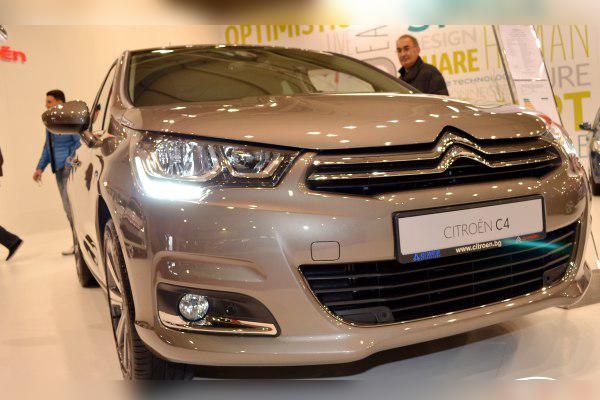
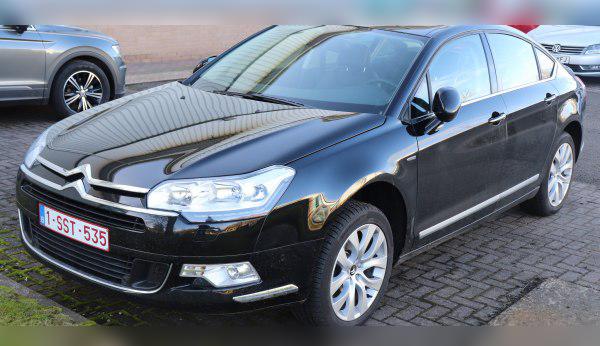
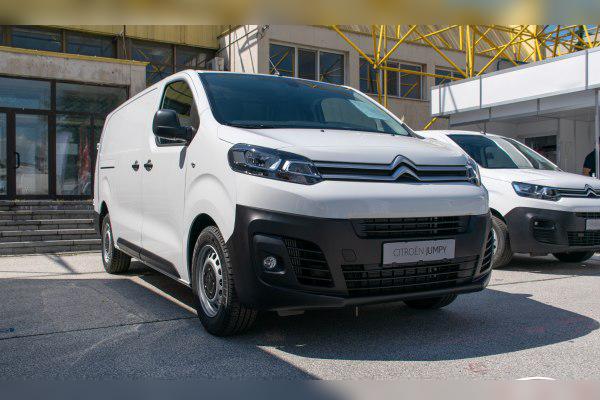
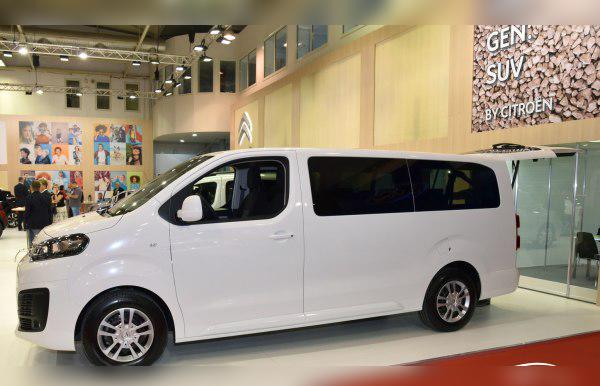
The PSA Group (today part of Stellantis) has been known for decades for its excellent diesel engines. The engine generation designated AHR DW10FD is an evolution of the legendary 2.0 HDi engine, adapted to strict Euro 6 emission standards through the introduction of BlueHDi technology. This engine produces a respectable 110 kW (150 hp) and an impressive 370 Nm of torque. Thanks to its versatility, it was installed in a wide range of vehicles – from the compact Peugeot 308 and the luxurious DS 5, through the comfortable Citroën C5, all the way to work and passenger vans such as the Citroën Jumpy and SpaceTourer. For a potential used‑car buyer, this engine offers a lot, but it also requires some prior knowledge about modern emission systems.
Technical Specifications
| Specification | Data |
|---|---|
| Engine displacement | 1997 cc |
| Power | 110 kW (150 hp) |
| Torque | 370 Nm |
| Engine code | AHR DW10FD |
| Injection type | Common Rail direct injection |
| Charging type | Variable-geometry turbocharger (VGT) with intercooler |
| Emission standard | Euro 6 (BlueHDi - SCR + FAP) |
Reliability and Maintenance
In terms of architecture, the 2.0 BlueHDi uses a timing belt to drive the camshafts (although there is also a short chain that connects the two camshafts inside the cylinder head itself). The belt is extremely reliable and the manufacturer often specifies a major service interval of up to 180,000 km or 10 years. However, any experienced mechanic will advise you to do the major service at 120,000 km or every 5 to 6 years to avoid catastrophic engine damage due to belt failure or water pump seizure.
The oil sump of this engine holds about 5.1 liters of engine oil. The use of high‑quality low‑ash synthetic oil (Low SAPS) is mandatory, most commonly in 0W-30 grade that meets the PSA B71 2312 standard. The reason lies in the sensitivity of the DPF filter and the turbocharger. As for oil consumption, the DW10FD is a very well‑sealed engine. Normal consumption is considered to be around 0.5 to 1 liter between two services (which should be done at a maximum of 15,000 km, not at 30,000 km as the handbook claims). If the engine consumes more oil, this usually indicates worn piston rings or worn bearings in the turbocharger itself.
When it comes to injectors, the Common Rail injection system is very robust. With quality diesel fuel and regular fuel filter changes, the injectors easily last for over 250,000 km. Symptoms of worn injectors include rough idle, metallic “knocking” when you press the accelerator on a cold engine, and increased black smoke from the exhaust.
Specific Parts and Costs
Dual-mass flywheel and clutch
Yes, versions with a manual gearbox are equipped with a dual-mass flywheel. Due to the high torque of 370 Nm, the flywheel is under serious stress. Its service life is usually between 180,000 and 220,000 km. The driver will notice that the flywheel is nearing the end of its life through strong vibrations when setting off, the whole body “shuddering” at low revs, and a characteristic metallic knock when switching the engine off. Replacing the complete clutch and dual‑mass flywheel set is expensive (depends on the market).
Turbocharger
The engine uses a single variable-geometry turbocharger (VGT). This turbo is reliable, and its lifespan is closely tied to the quality of the engine oil and how regularly it is changed. It rarely fails before 250,000 km. Dirty oil leads to clogging of the turbo oil feed line, which results in rapid turbo failure.
EGR, DPF (FAP) and AdBlue systems – Main weak points
This is where we come to the most sensitive aspects of this engine. The PSA Group uses a specific FAP particulate filter that is supported by Eolys fluid (an additive) to make soot burn off more easily. The FAP filter can clog if the car is driven exclusively in the city. Symptoms include frequent regenerations (cooling fan running even after the engine is switched off) and loss of power. The EGR valve also suffers from soot build‑up in city driving, which causes jerking and reduced performance.
What you absolutely must know is that this engine is equipped with an AdBlue (SCR) system for reducing NOx emissions. This is the most common source of frustration for owners. A design flaw in the tank and the pump inside it often leads to deformation of the tank itself due to vacuum, or failure of the integrated pump due to AdBlue crystallization. The symptom is a "UREA" or "Emissions fault" warning on the instrument cluster, accompanied by a countdown of the remaining kilometers after which you will no longer be able to start the engine. Repair usually requires replacement of the complete tank with pump, which is very expensive (depends on the market).
Fuel Consumption and Performance
One of the best characteristics of the AHR DW10FD engine is its efficiency. Real‑world city fuel consumption varies depending on the body style: in the lighter Peugeot 308 you can expect around 6.5 l/100 km, while in the heavier Citroën SpaceTourer or C5 that figure will rise to about 8.0 to 8.5 l/100 km in heavy traffic.
Is the engine sluggish? Absolutely not. The 370 Nm of torque is available from around 2,000 rpm. In hatchback and estate models it behaves quite sportily and allows very safe overtaking. In heavy van models, performance is still very satisfactory and the engine does not struggle even under full load on uphill sections.
Its natural habitat is the motorway. Thanks to the long gear ratios, at 130 km/h in sixth gear the engine cruises at a very relaxed 2,000 to 2,200 rpm. In this regime noise is minimal and fuel consumption stays at an impressive 5.5 to 6.0 l/100 km.
Additional Options and Modifications
Since this is a proven and robust base that is factory‑detuned (there is a 180 hp version of the same engine – DW10FC), the 2.0 BlueHDi 150 hp is very suitable for chiptuning (Stage 1). With software optimization, power can be safely raised to around 180 to 190 hp, and torque can go up to 430–440 Nm.
However, be careful: this drastic increase in torque will significantly shorten the service life of the dual‑mass flywheel and clutch on manual gearboxes. If you decide on a remap, make sure it is done by reputable tuning shops and drive “smoothly”, without sudden full‑throttle acceleration at low revs.
Gearbox and Drivetrain
Manual and automatic gearboxes
The engine was paired with 6‑speed manual gearboxes and excellent 6‑speed, and later in newer model years 8‑speed automatic gearboxes (the well‑known EAT6 and EAT8 produced by Japanese manufacturer Aisin).
The manual gearboxes are mechanically almost indestructible. The only thing to pay attention to is the aforementioned replacement of the clutch and dual‑mass flywheel set. Although the factory does not specify an interval, it is wise to change the oil in the manual gearbox at around 100,000 km (the cost is minimal and it extends the life of the synchros).
Automatic gearbox maintenance (EAT6 / EAT8)
The Japanese Aisin automatic is a conventional torque‑converter (hydrodynamic) gearbox and is among the most reliable on the market. However, the claim that “the oil is lifetime‑fill” is a myth that destroys these gearboxes. The most common failures of the automatic gearbox occur precisely because of dirty oil that damages the valve body. Symptoms include strong jolts when shifting from P to D or R, as well as harsh shifts from 2nd to 3rd gear. To keep the gearbox in perfect condition, the gearbox service and oil change must be done every 60,000 to a maximum of 80,000 km. Regular gearbox servicing is not expensive, whereas valve body repair is very expensive (depends on the market).
Buying Used and Conclusion
What to check before buying?
- Original diagnostics (DiagBox): Absolutely mandatory before purchase. Check the DPF differential pressure, the level of Eolys additive and the fault history of the AdBlue system. If there are faults related to the NOx sensor or the urea pump, be prepared to invest.
- Noise when starting/stopping: Listen for a metal‑on‑metal knock when switching the engine off (a sign of a worn dual‑mass flywheel).
- Visual inspection of the engine: Check for oil leaks around the valve cover and around the turbocharger itself.
- Automatic gearbox behaviour: With the car warmed up, shift from P to R and then to D. The gearbox should do this completely smoothly, without mechanical jolts.
Who is this engine for?
A Peugeot, Citroën or DS equipped with the 2.0 BlueHDi 150 (AHR DW10FD) engine is a perfect cruiser. It is intended for families, frequent travellers and business users who cover more than 15,000–20,000 km per year, with a large portion on open roads and highways. It has power to spare and fuel consumption is minimal. On the other hand, if you use the car solely to drive the kids to a school 3 km away and to go to the nearby supermarket, such a complex diesel with DPF, EGR and AdBlue systems will quickly become a money pit due to clogging of these emission‑control components.