PSA 1.6 BlueHDi 100 hp (BHY DV6FD): Experiences, problems, fuel consumption and used car buying tips
Most important in short (TL;DR):
- Extremely economical diesel engine, ideal for city cars and compact crossovers.
- This is the 8-valve version of the engine that has corrected many of the mechanical “teething problems” of the older 1.6 HDi 16v units.
- Biggest downside: The AdBlue system (tank and pump), which is very prone to failure and expensive to repair.
- The drive is via a timing belt; the engine does not use the problematic camshaft chains from previous generations.
- In lower-powered and lighter models it often comes with a solid flywheel, which significantly reduces maintenance costs.
- If you’re choosing an automatic, look exclusively for the EAT6 gearbox, while the robotised ETG should be avoided due to its harsh operation and faster clutch wear.
Contents
- Introduction: About the engine and models
- Technical specifications
- Reliability and maintenance
- Specific parts and costs
- AdBlue, FAP and EGR system
- Fuel consumption and performance
- Gearbox and drivetrain
- Additional options and modifications
- Buying used and conclusion
Introduction: About the engine and models
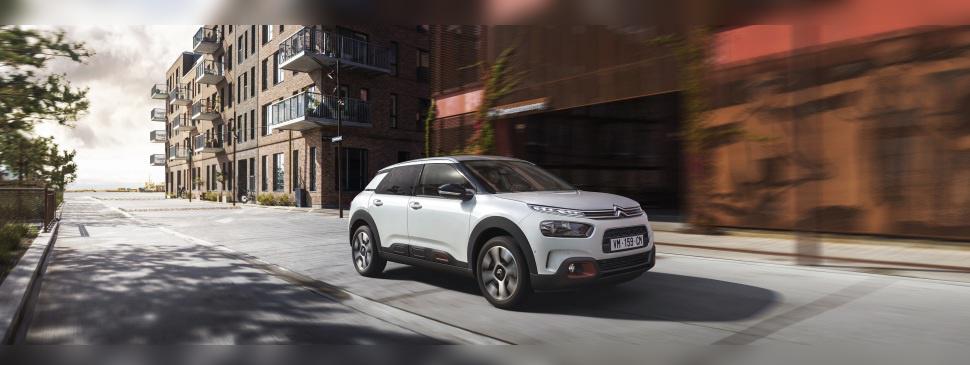
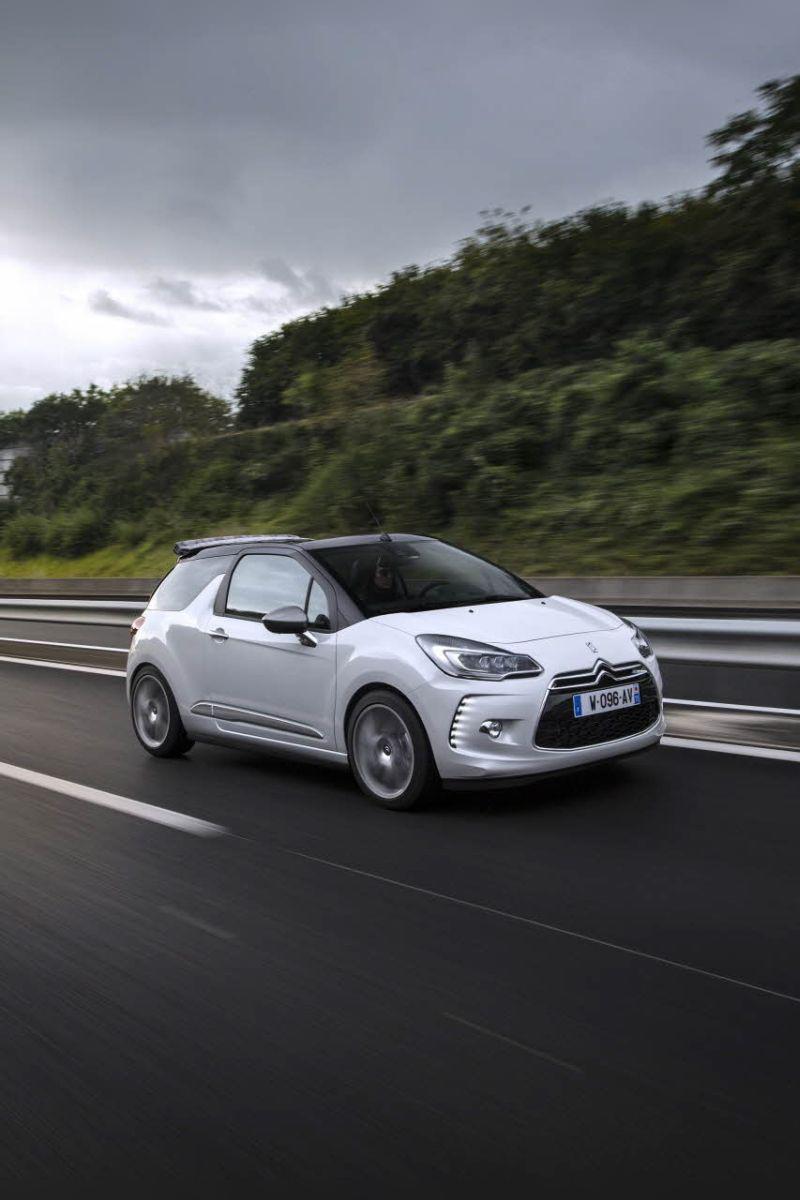
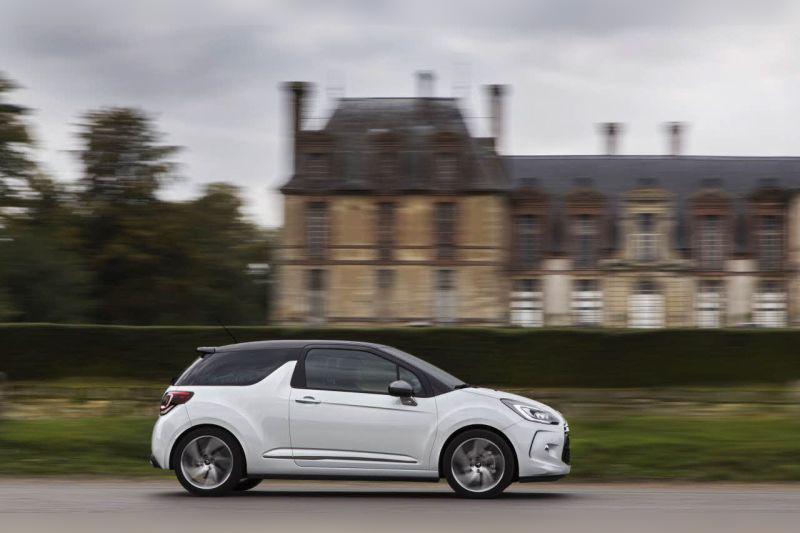
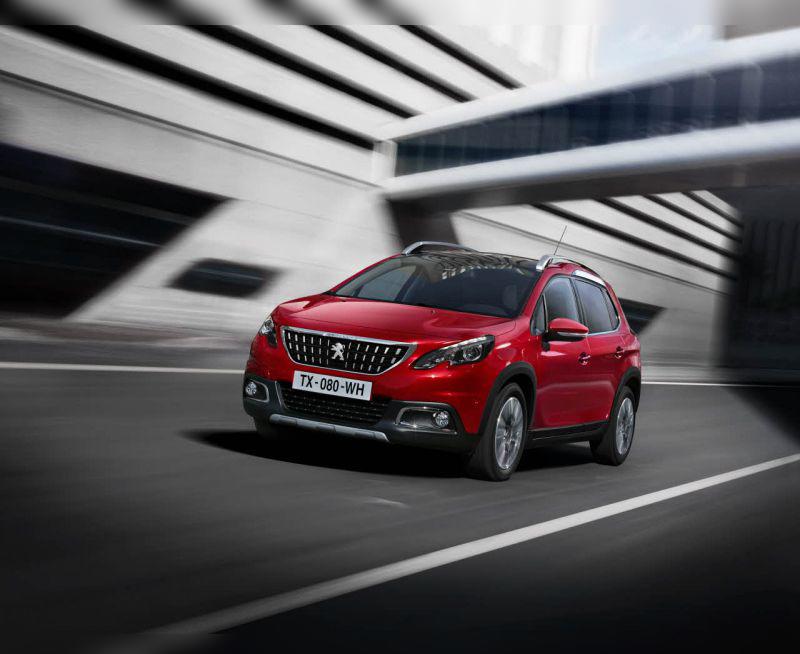
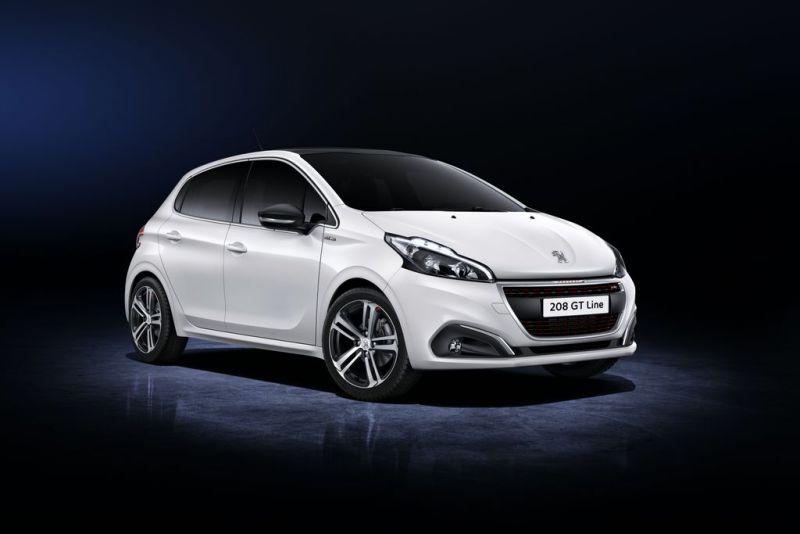
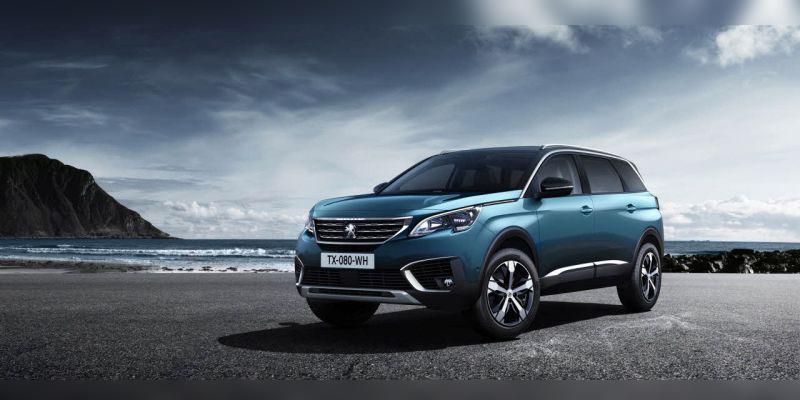
The engine designated BHY DV6FD with 100 hp (73 kW) represents the culmination of the evolution of the famous PSA 1.6 diesel, adapted to strict Euro 6 emission standards. The “BlueHDi” suffix indicates the presence of an SCR catalyst and an AdBlue system. It was installed in an extremely wide range of vehicles across Europe, from city runabouts such as the Peugeot 208 and Citroën DS 3, through popular crossovers like the Peugeot 2008 and C4 Cactus, all the way to heavier family cars such as the Peugeot 3008 and 5008. Thanks to the switch to an 8-valve cylinder head, this engine is mechanically far more robust than its 16-valve predecessors.
Technical specifications
| Parameter | Value |
|---|---|
| Engine displacement | 1560 cc |
| Power | 73 kW (100 hp) |
| Torque | 254 Nm |
| Engine codes | BHY, DV6FD |
| Injection type | Common-rail (direct injection) |
| Charging | Turbocharger with intercooler |
Reliability and maintenance
Timing system: Belt or chain?
Buyers are often confused by the history of the 1.6 HDi engines. Unlike the first generation, which had both a belt and a short chain connecting the two camshafts (which often caused problems), the BHY DV6FD has only one camshaft (8 valves) and exclusively a timing belt. This makes it significantly more reliable and cheaper to maintain. The major service, which includes replacement of the timing belt, tensioner, idler pulleys and water pump, is factory-specified at an optimistic 175,000 km, but in practice this is too long. Experienced mechanics recommend carrying out the major service at 120,000 to a maximum of 150,000 km or every 7 years, in order to avoid catastrophic belt failure and serious engine damage.
Oil: Capacity and consumption
This engine takes about 3.75 litres of engine oil. Because of the sensitive FAP (DPF) filter and BlueHDi system, the use of Low-SAPS oil is absolutely mandatory. The recommended grade is 0W-30 that meets the PSA B71 2312 specification (in warmer regions 5W-30 with PSA B71 2290 can also be used). As for oil consumption, the 1.6 BlueHDi is generally a very “dry” engine. Consumption of 0.2 to 0.5 litres between two services (which should be done every 10,000 to a maximum of 15,000 km) is considered completely normal. If the engine consumes more than that, the problem usually lies in the seals or in the turbocharger leaking oil into the intake manifold, and less often in the piston rings themselves.
Specific parts and costs
Injectors and fuel injection
The fuel injection system is high-pressure (common-rail). The injectors are mostly piezoelectric and have proven to be very durable. The average service life of the injectors on this unit is between 200,000 and 250,000 km, provided that quality Euro diesel is used and the fuel filter is changed regularly. When the injectors are worn, symptoms include uneven idle, harder cold starts in the morning, black smoke under sudden acceleration and increased fuel consumption. Injector refurbishment is a cost that falls into the category expensive (depends on market).
Turbocharger
The engine has a single turbocharger, which usually has fixed geometry with an actuator (unlike the 120 hp version, which has variable geometry). The turbo is durable and its service life often matches that of the engine itself, frequently exceeding 250,000 km. Whistling at low revs or loss of power accompanied by bluish exhaust smoke are signs that the turbo bearings are worn.
AdBlue, FAP and EGR system
This is also the most painful point of the 1.6 BlueHDi engine. Emissions control on PSA vehicles is very complex.
Problems with the AdBlue system
Yes, this engine has an AdBlue system, and it causes the most headaches for owners. The most common failure is deformation of the tank due to lack of venting, or failure of the integrated pump and electronics due to crystallisation of the AdBlue fluid. The symptom is the infamous message on the instrument cluster: “Emissions fault: Starting prevented in 1100 km”. When this happens, it is usually necessary to replace the entire tank with the pump, which is very expensive (depends on market). Many owners resort to software deactivation of the system, which is legally problematic and affects the vehicle’s ability to pass inspection. Regular maintenance includes topping up AdBlue fluid and using special additives that prevent crystallisation in the tank.
FAP filter and EGR valve
PSA vehicles use the so-called FAP particulate filter, which requires a special additive (Eolys). This additive is contained in a special pouch or small tank next to the fuel tank and is automatically dosed every time diesel is refuelled. The Eolys fluid level usually needs to be topped up at around 120,000 km. If the car is driven exclusively in the city, the EGR valve becomes clogged with soot and can get stuck, causing the engine to “choke”. The FAP filter itself is designed to last over 200,000 km, provided the Eolys system is functioning properly and the car is regularly driven on open roads to allow regeneration.
Fuel consumption and performance
Fuel consumption is by far the strongest asset of this engine.
- City driving: Real-world consumption is around 5.0 to 6.0 l/100 km, depending on the model, how heavy your right foot is and traffic conditions.
- Performance and weight: In lighter models such as the Peugeot 208, 2008 or Citroën C4 Cactus, the engine is very lively. The 254 Nm of torque comes in early and the car pulls very well. However, in heavier vehicles such as the Peugeot 3008 and 5008, this engine is objectively “lazy”. When overtaking with a fully loaded car, the lack of power at higher revs is noticeable.
- Motorway driving: At 130 km/h, depending on the gear ratios (5-speed gearbox), the engine spins at around 2,500 to 2,600 rpm. Cabin noise becomes more noticeable and fuel consumption at that speed rises to around 5.5 l/100 km. For frequent motorway cruising, models with 6 gears are a drastically better choice.
Gearbox and drivetrain
Various types of gearboxes were paired with this engine, and you need to be careful when choosing.
Manual gearboxes and dual-mass flywheel
The most common is the 5-speed manual gearbox (BVM5), and less often the 6-speed (BVM6). The 5-speed gearbox is not the most precise, often described as “rubbery”, but it is quite resistant to failures. It is recommended to change the oil in the manual gearbox every 80,000 km so that the synchronisers last longer.
Does it have a dual-mass flywheel? It depends on the market and the specific engine/vehicle combination, so it needs to be checked by VIN. Generally, in lighter models (208, C4 Cactus) paired with the 5-speed gearbox, a solid (conventional) flywheel was fitted, which significantly reduces maintenance costs. Replacing this type of clutch kit is not expensive (depends on market). On the other hand, in heavier models (3008, 5008) or vehicles with more advanced Start&Stop systems, there is a dual-mass flywheel, whose replacement together with the clutch falls into the category expensive (depends on market). Symptoms of a worn dual-mass flywheel are strong vibrations when starting and stopping the engine, as well as judder when gently releasing the clutch.
Automatic gearboxes
Two types of automatics were used:
- EAT6 (Aisin): A true hydraulic automatic with 6 gears. Excellent and very reliable. Many authorised service centres claim that the oil in it is “lifetime”, which is technically incorrect. For the gearbox to operate smoothly without jerks, the oil needs to be changed (machine flush) every 60,000 to 80,000 km.
- ETG (robotised): Installed for example in the C4 Cactus (ETG6). This is essentially a manual gearbox with robotised clutch and gear selector controls. It often shifts harshly, gets confused in city traffic and wears out the clutch kit very quickly. The recommendation is to avoid it if you like smooth driving. Its calibration repairs and robot replacements are very expensive (depends on market).
Additional options and modifications
Remapping (Stage 1)
Thanks to the strong base of the engine, the 1.6 BlueHDi with 100 hp can be very safely modified via software (“chipped”). A Stage 1 remap usually raises power to around 120 to 130 hp, while torque climbs to over 300 Nm. This dramatically changes the character of the car, especially if you have a heavier model such as the 3008 or 5008, solving that “lazy” feeling when overtaking. Since the engine shares many components from the factory with the more powerful 120 hp versions, reliability is not compromised, provided that oil changes are done regularly and the DPF/AdBlue systems remain functional (or are properly addressed in software).
Buying used and conclusion
What exactly to check before buying?
- Exhaust and smoke: Run your finger along the inside of the exhaust tip. If the pipe is coated with a white crystalline dust, the AdBlue system has a serious problem and is injecting too much fluid (or leaking). If the pipe is oily with black soot, the FAP filter has been drilled or removed. A healthy Euro 6 BlueHDi engine should have a completely clean and dry exhaust.
- Diagnostics (mandatory): Never buy this engine without reading it with the original Lexia/DiagBox diagnostic tool. You need to check the AdBlue pump pressure, the FAP filter saturation level and the status of the remaining Eolys additive.
- Sound around the injectors: Listen to the engine running without the plastic cover. A “hissing” sound in rhythm with the engine (so-called injector leak, “ps-ps-ps”) means that the injector washers have failed. Although the washers themselves are cheap, ignoring the fault leads to clogging of the oil passages and turbocharger failure.
Conclusion: Who is this engine for?
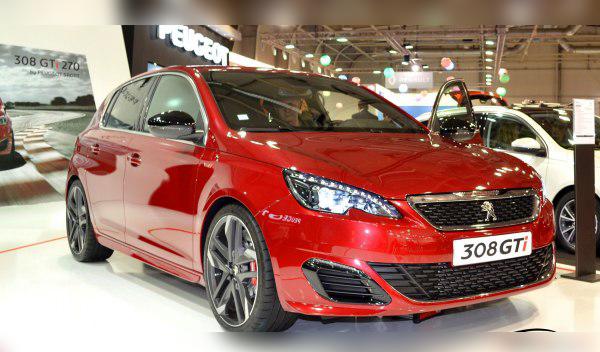
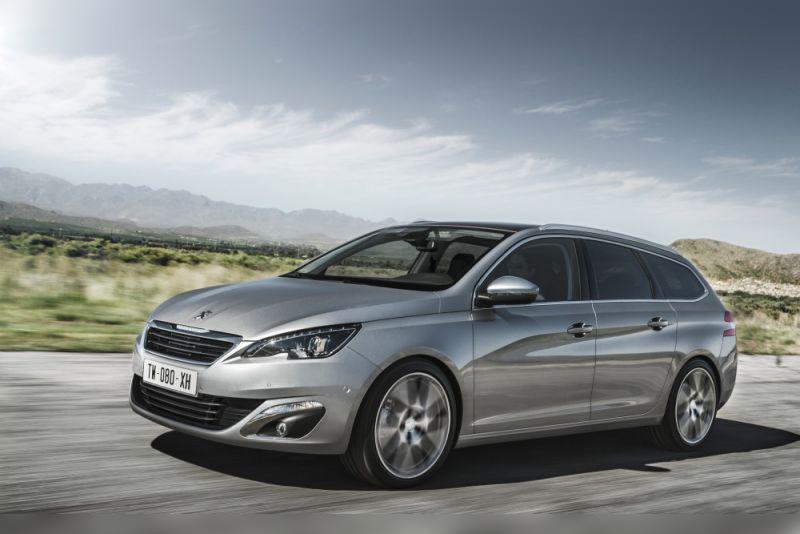
The PSA 1.6 BlueHDi 100 hp (BHY) is an excellent workhorse intended for drivers who cover serious mileage, primarily on open and main roads, where the AdBlue and FAP systems work best and where the engine can achieve fantastic low fuel consumption. It is ideal for models such as the Peugeot 208, 308 and 2008. On the other hand, if you are looking for a car primarily for short city trips (commuting, driving a cold engine), be prepared for expensive repairs of the urea tank and EGR/FAP system, because Euro 6 diesels simply are not designed for constant stop‑and‑go city driving.