Engine BHY DV6FD (1.6 BlueHDi 99 HP): Experiences, problems, fuel consumption and used-car buying tips
Key points in short (TL;DR)
- Mechanical reliability: The engine’s core (block, crankshaft, pistons) is extremely durable and can cover huge mileages without issues.
- Biggest downside: The AdBlue system (tank and pump) is prone to failures and replacement is very expensive.
- Maintenance: Cheaper compared to more powerful versions, because most models with a manual gearbox use a solid flywheel.
- Fuel consumption: Extremely economical engine, in the city it rarely exceeds 6 to 6.5 l/100 km.
- Performance: Excellent for city cars (C3, DS3, Cactus), but noticeably “lazy” in heavier bodies (Grand SpaceTourer, Partner) when loaded.
Contents
- Introduction: What kind of engine is this?
- Technical specifications
- Reliability, maintenance and common failures
- Specific components: Turbo, injectors, DPF and AdBlue
- Fuel consumption and driving performance
- Additional options: Chiptuning (Stage 1)
- Gearbox and power transmission
- Buying used and final verdict
Introduction: What kind of engine is this?
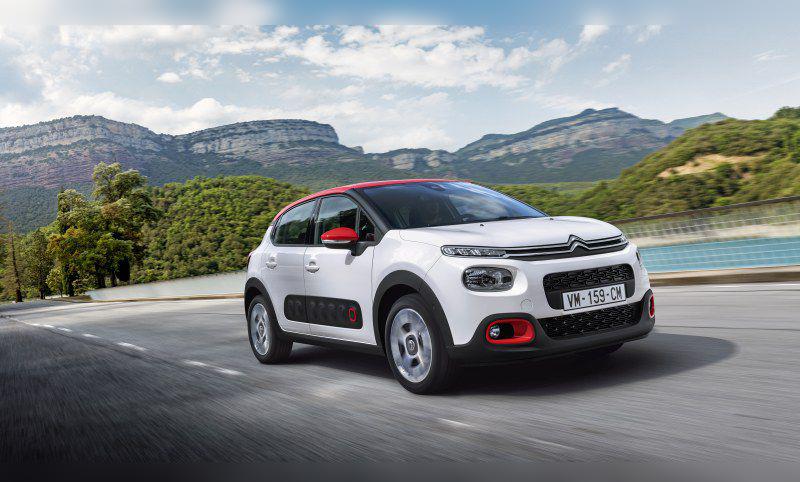
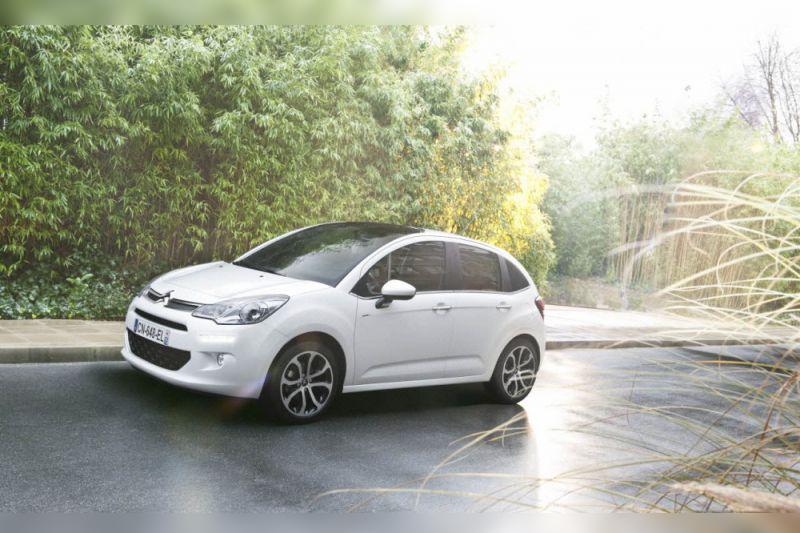
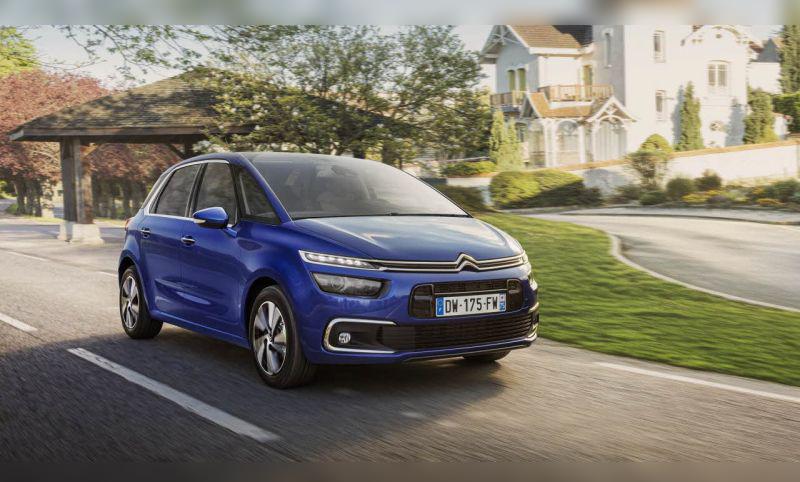
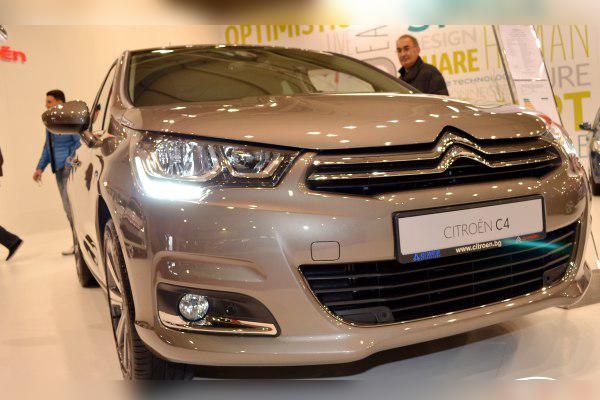
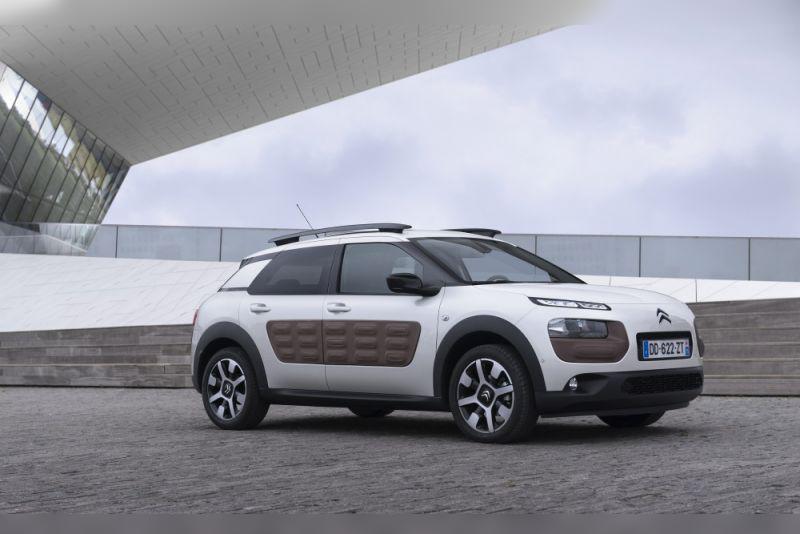
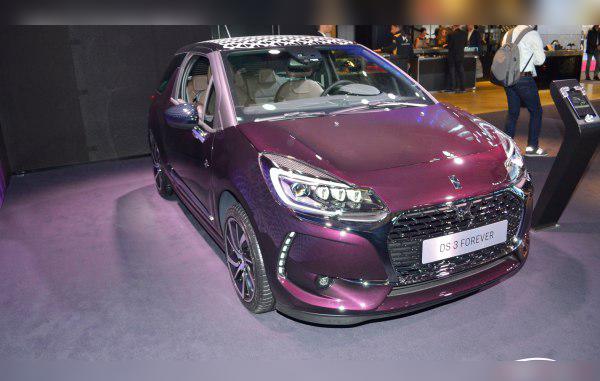
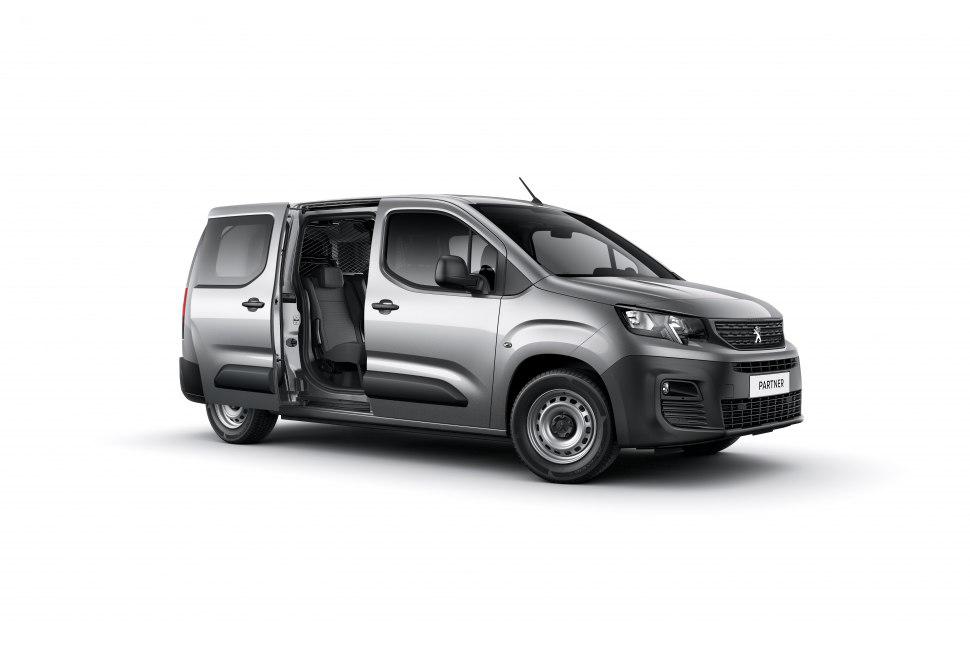
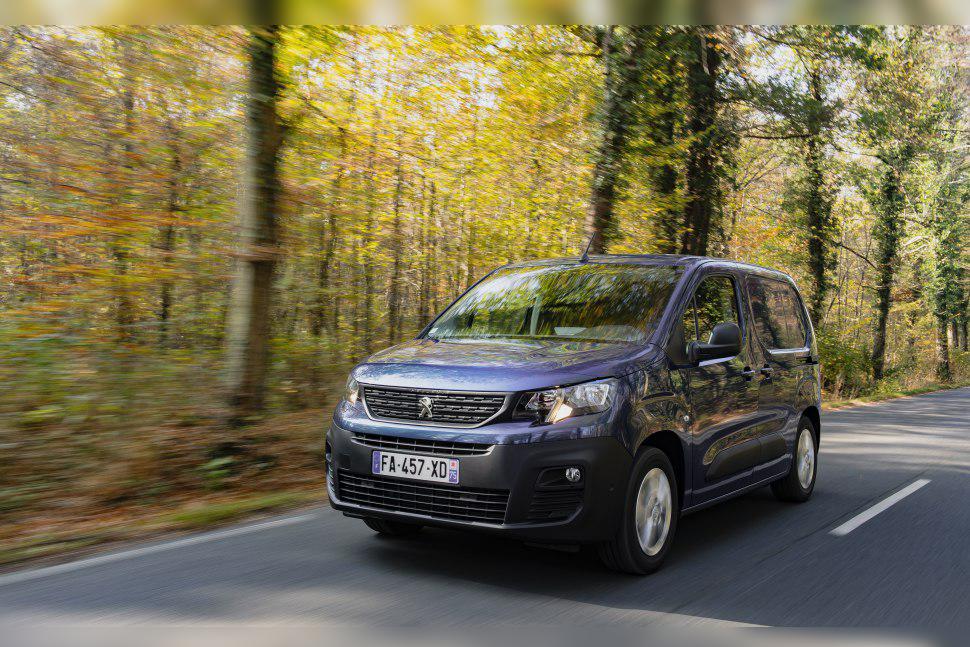
The engine designated as BHY (DV6FD) is an evolution of the famous PSA 1.6 HDi unit, adapted to strict Euro 6 emission standards, which is why it carries the commercial name 1.6 BlueHDi. This generation switched to an 8-valve architecture (instead of the previous 16), which drastically reduced issues with camshaft lubrication and chains that plagued older versions. With its 99 HP (73 kW), this is the “sweet spot” of the range, installed in a wide variety of vehicles across Europe – from small city runabouts like the DS3 and C3, through the quirky C4 Cactus, all the way to family cruisers such as the C4 Picasso/SpaceTourer and light commercial vehicles (Peugeot Partner). The engine is designed to be a long-distance runner with low fuel consumption, but modern emissions technology takes its toll.
Technical specifications
| Specification | Data |
|---|---|
| Engine displacement | 1560 cc |
| Power | 73 kW (99 HP) |
| Torque | 254 Nm |
| Engine code | BHY (DV6FD) |
| Injection type | Common Rail (Direct injection) |
| Charging | Turbocharger with intercooler |
| Fuel | Diesel |
Reliability, maintenance and common failures
The core of this engine is mechanically very robust. A timing belt is used to transfer power from the crankshaft to the camshaft. The factory recommendation for the major service (replacement of timing belt, tensioner, idler pulleys and water pump) is often an optimistic 175,000 to even 180,000 km (or 10 years), but any experienced mechanic will tell you that the major service should be done at 120,000 to 140,000 km for safety. A snapped belt leads to piston-to-valve contact, which results in total engine destruction.
During an oil change, the engine takes about 3.75 liters of oil. Due to the sensitive exhaust aftertreatment system, low-ash (Low SAPS) oil is mandatory. The recommended grade is 0W-30 that meets PSA standard B71 2312. Using the wrong oil directly shortens the lifespan of the DPF filter and the turbocharger. As for oil consumption, engines from the DV6FD series are very well sealed and rarely consume oil. Consumption of 0.2 to 0.5 liters between two services (over 10,000–15,000 km) is considered completely normal, most often due to evaporation through the breather.
Since this is a diesel engine, there are no spark plugs (there are glow plugs, which rarely fail before 150,000 km), but it is important to point out that the injectors on this engine are excellent. If you use quality fuel and regularly replace the fuel filter, the injectors can easily last over 250,000 km. Symptoms of worn injectors (rough idle, bluish smoke on cold start and more pronounced “knocking” from the engine) are rare at lower mileages.
Specific components: Turbo, injectors, DPF and AdBlue
Flywheel
One of the best pieces of news for future owners of the 99 HP version with the 5-speed manual gearbox is the absence of a dual-mass flywheel. Most of these models (especially the C3, C4 Cactus and C4 hatchback) come with a solid flywheel, which means clutch replacement is very cheap. However, keep in mind that heavier models (such as the Grand SpaceTourer) or versions with an automatic gearbox may have a dual-mass flywheel. A check by VIN is necessary, but in about 80% of cases with the 99 HP version you avoid this expensive failure.
Turbocharger and injection
The engine has a single variable-geometry turbocharger. The turbo’s lifespan is directly related to oil quality. With regular servicing, the turbo can easily exceed 200,000 km without overhaul. If you hear a “whistling” sound under acceleration or notice a loss of power accompanied by black smoke, the turbo is losing boost or leaking oil.
DPF and EGR systems
This model is equipped with a FAP (DPF) filter that uses a special additive (Eolys) to lower the soot combustion temperature. The system is very efficient, but the EGR valve can cause problems. If the car is driven exclusively in the city at low revs, the EGR clogs with soot deposits, the car loses power and the “Check Engine” light comes on. Cleaning the EGR solves the problem, but the best prevention is regular driving on open roads.
AdBlue – The biggest issue
And here we come to the main problem of this engine. In order to meet the Euro 6 standard, the 1.6 BlueHDi uses an AdBlue system (SCR catalyst). The system suffers from a serious engineering flaw: the AdBlue pump and electronics are integrated into the tank itself. The fluid crystallizes at lower temperatures (or due to age), damaging the pump or the level sensor. Symptom: an “Emissions Fault” warning appears on the dashboard, accompanied by a countdown of remaining kilometers (usually 1,100 km) until the car will no longer start. The solution is unfortunately most often replacement of the entire AdBlue tank, which is very expensive (depends on the market). Some owners resort to software disabling of the system, which is illegal and will cause the car to fail the technical inspection.
Fuel consumption and driving performance
This unit is a champion of fuel economy. Real-world consumption in city driving for lighter models (C3, C4 Cactus) is around 5.5 to 6.0 l/100 km. In heavier vehicles such as the C4 Picasso, city consumption rises to 6.5 to 7.0 l/100 km.
When it comes to performance, 99 HP and 254 Nm are more than enough for smooth driving in the city and on country roads. But is the engine “lazy”? It depends on the car. In a DS3 or Cactus the car feels quite agile. However, if you buy this engine in a Peugeot Partner or C4 Grand SpaceTourer, load it up and turn on the air conditioning, the engine really struggles. Overtaking on country roads then requires good planning and downshifting.
On the motorway, due to only five gears in most manual versions, at a cruising speed of 130 km/h the engine runs at slightly higher 2,500 to 2,600 rpm. Because of this it can be slightly noisy in the cabin, and fuel consumption climbs to around 6 liters. Versions with the 6-speed automatic are much more pleasant and quieter in this regard.
Additional options and modifications (Chiptuning)
The engine is an excellent candidate for software tuning (chiptuning). A standard Stage 1 remap can safely raise the power from 99 HP to about 120 to 130 HP, with torque increasing to around 300 Nm. The crankshaft, pistons and turbo handle this increase without issues, as mechanically the engine is almost identical to the more powerful 120 HP factory version. It is especially recommended for drivers who have this engine in a C4 Picasso or Partner, because the extra torque makes driving under load much easier.
Gearbox: Manual and automatic
The 1.6 BlueHDi 99 HP is most often paired with a 5-speed manual gearbox (BVM5). It is reliable, but suffers from the typical French “rubbery” gear lever feel with long throws. Failures are rare, and it is advisable to change the oil in the manual gearbox at 100,000 km (about 2 liters of 75W-80 oil).
As for automatic gearboxes, there are two completely different stories:
- ETG6 (Robotized gearbox): Often found in earlier versions of the C4 Cactus and C4 Picasso. This is not a true automatic, but a manual gearbox with a robotized clutch. Its major drawbacks are “jerkiness” during gear changes and sluggishness. Clutch kit replacement is more expensive, and robot calibration must be done via diagnostics.
- EAT6 (True automatic with torque converter): Manufactured by Japanese company Aisin. It is found in newer models and is a fantastic gearbox. It shifts gears smoothly and seamlessly. Maintenance requires flushing and replacing the ATF oil every 60,000 to 80,000 km. If the oil is not changed, the valve body can fail, which is a very expensive repair.
Buying used and conclusion
When buying a used car with this engine, don’t let the good looks of a “Frenchie” sweep you off your feet – keep your eyes (and ears) wide open:
- AdBlue system check: A professional diagnostic check (DiagBox) is mandatory. Check the fault history and pump pressure in the tank. Crawl under the car and check whether there are white traces of crystallization on the bottom of the tank (in front of the rear axle).
- DPF filter: Wipe the inside of the exhaust with your finger. It should be perfectly clean. If your fingers come out black with soot, the DPF has been drilled through or completely melted.
- Engine sound: The BHY must idle quietly when warm, without metallic rattling. Pay attention to oil leaks around the injectors (the so-called “black death”), which indicates bad injector washers.
Who is this engine for?
The 1.6 BlueHDi BHY (99 HP) is a fantastic choice for people who need a comfortable, extremely economical car for mixed city and highway driving. If you choose a manual gearbox in a lighter body, you get a vehicle with very low regular maintenance costs (solid flywheel and low stress on the suspension).
However, you must be prepared for the fact that the AdBlue system will fail sooner or later. You must always have a budget set aside to deal with that problem. If you are buying a heavy minivan, it is better to look for the more powerful 120 HP version (even though it comes with more expensive maintenance due to the dual-mass flywheel), because with a load on the motorway the 99 HP engine is on the verge of running out of breath.