1.6 BlueHDi 120 hp (BHZ DV6FC): Experiences, problems, fuel consumption and used-car buying tips
The most important in short (TL;DR):
- Fuel efficiency: One of the lowest fuel consumers in its class, perfect for long-distance driving.
- AdBlue nightmare: The biggest and most expensive downside of this engine is the exhaust aftertreatment system (tank and pump).
- Reliable design: The 8-valve, single-camshaft construction has proven to be much more durable than the older 1.6 HDi 16v versions.
- Two additive systems: This engine uses both AdBlue fluid (for NOx) and Eolys additive (for the DPF), which requires careful maintenance.
- Recommended gearbox: The Aisin EAT6 automatic gearbox is fantastic when paired with this engine, provided it has been regularly serviced.
- Who it’s for: Drivers who cover more than 15,000 km per year, mostly on open roads. Not suitable for exclusively city driving.
Contents
- Introduction: Meet the workhorse of European roads
- Technical specifications
- Reliability and maintenance
- Specific parts and costs
- Fuel consumption and performance
- Additional options and modifications
- Gearboxes and power transfer
- Buying used and conclusion
Introduction: Meet the workhorse of European roads
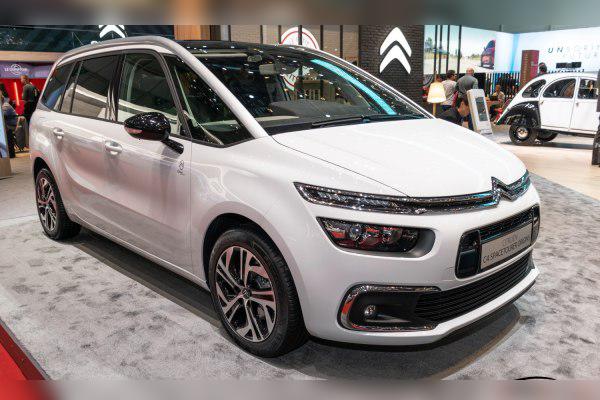
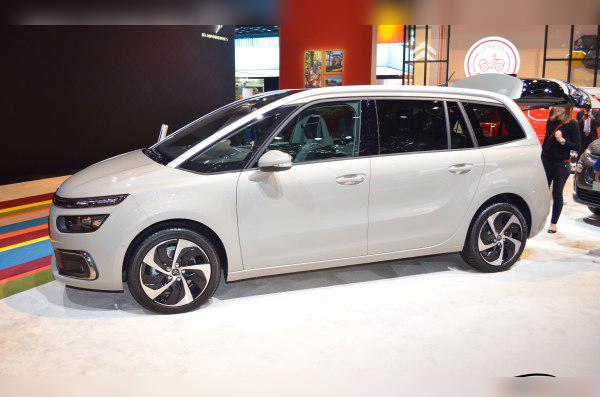
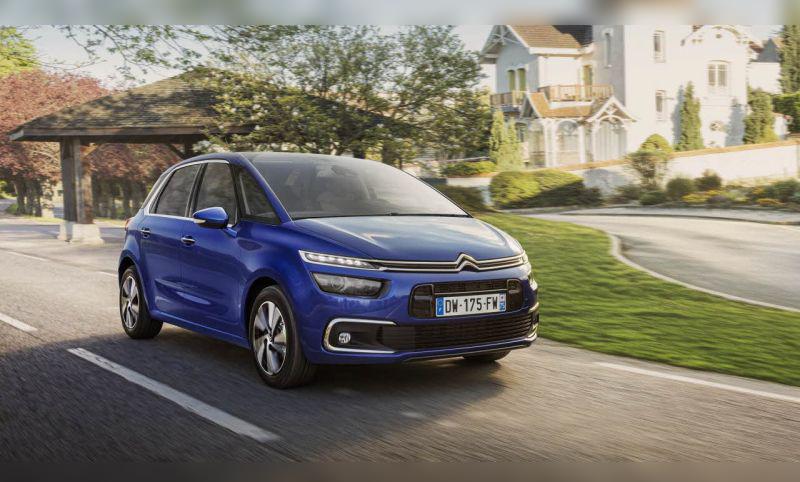
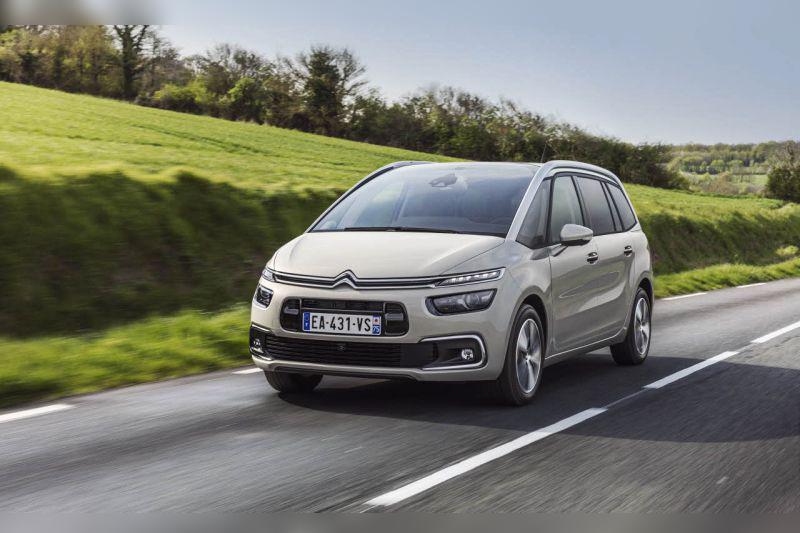
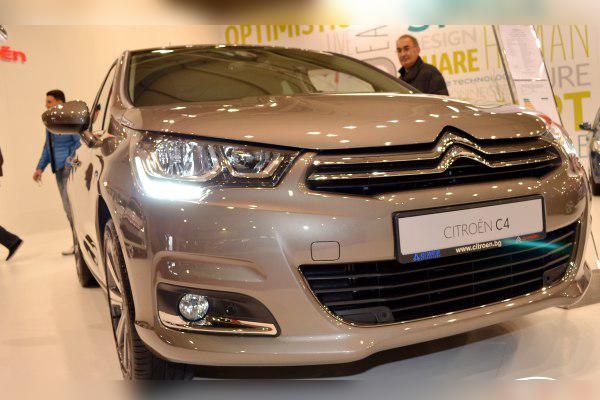
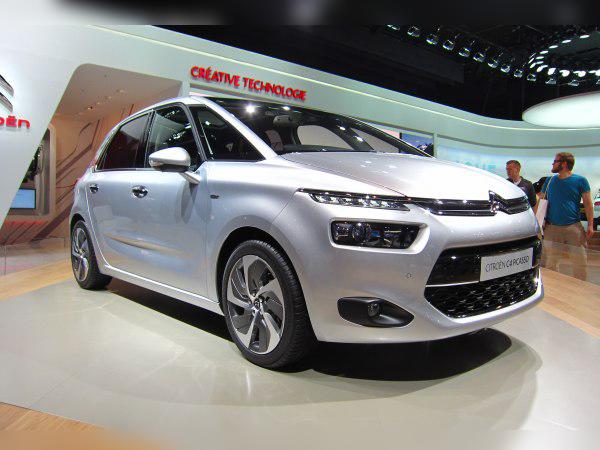
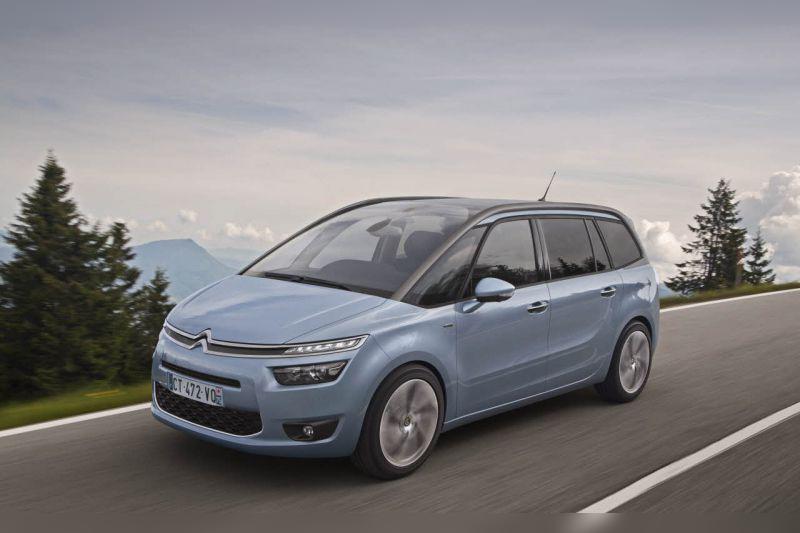
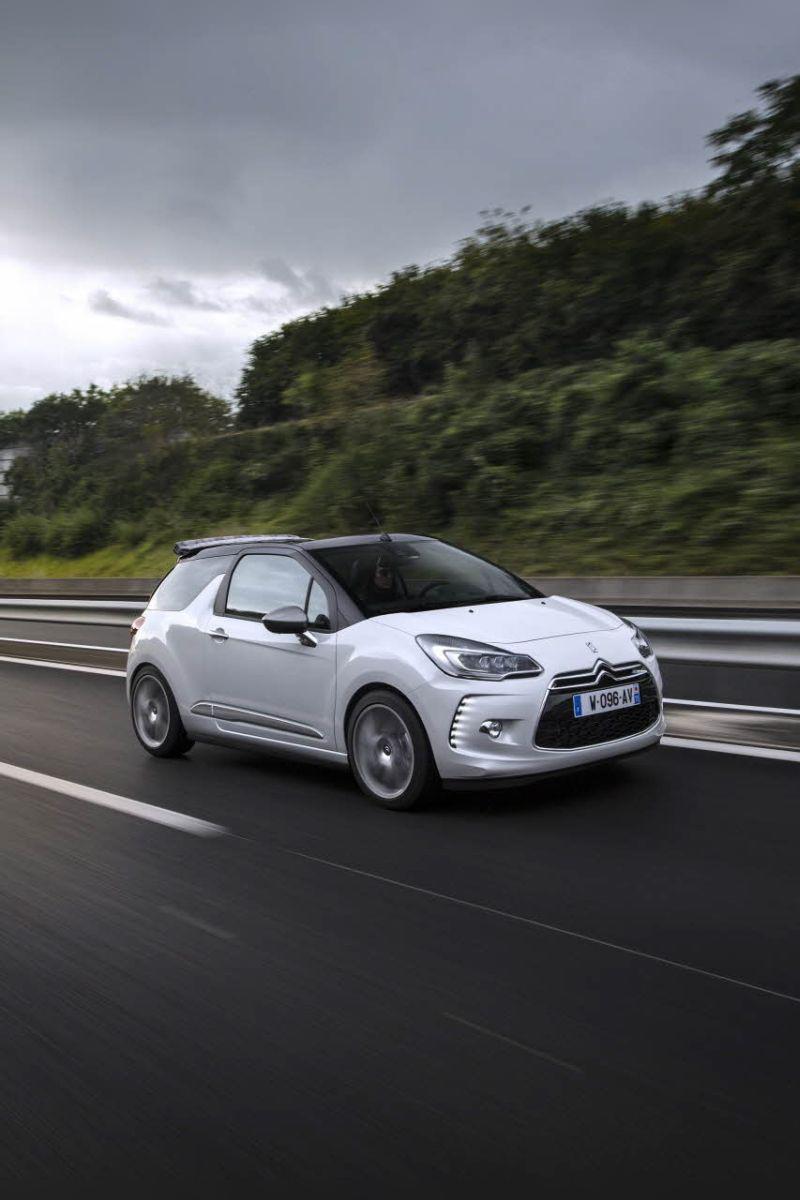
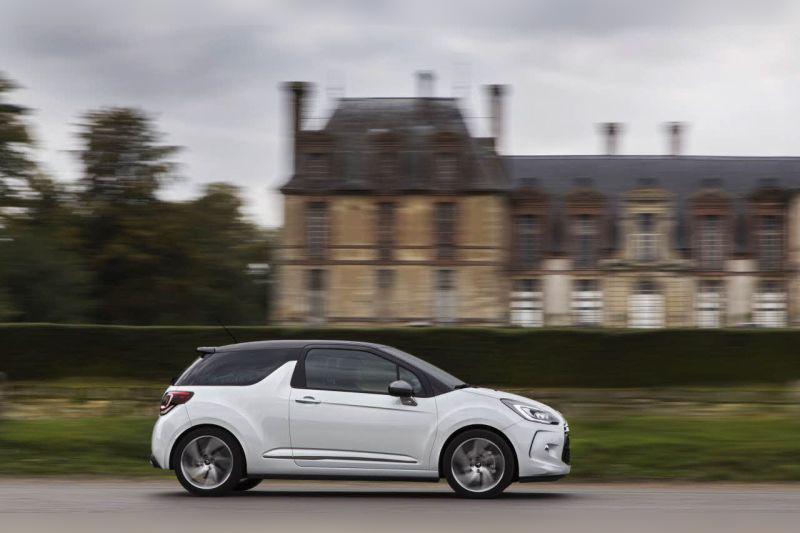
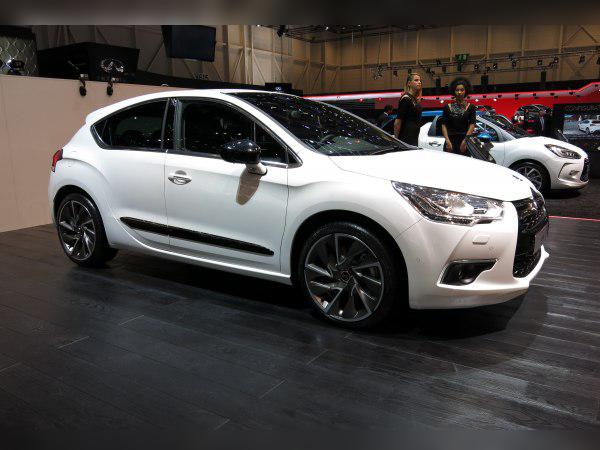
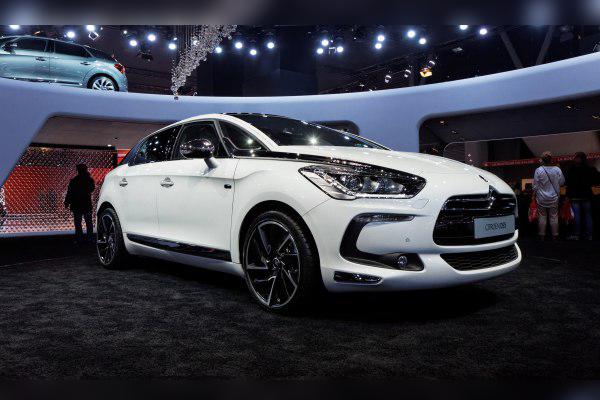
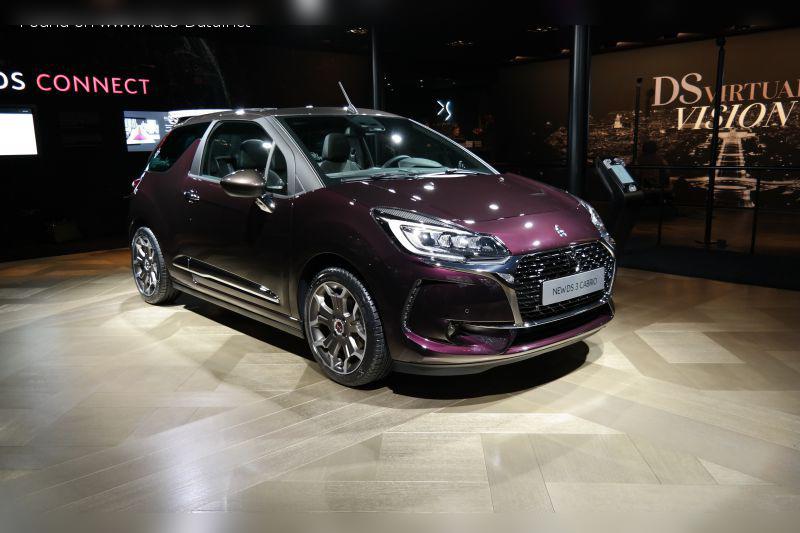
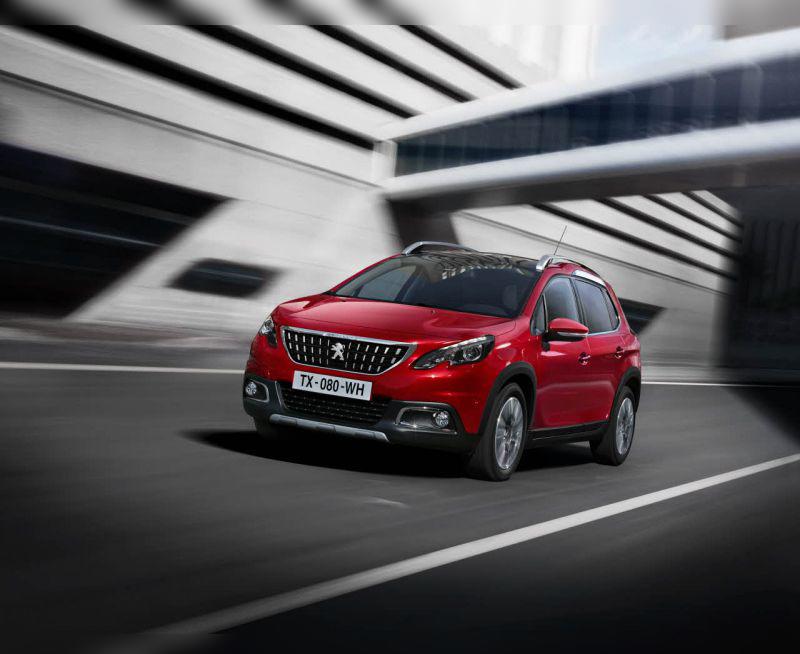
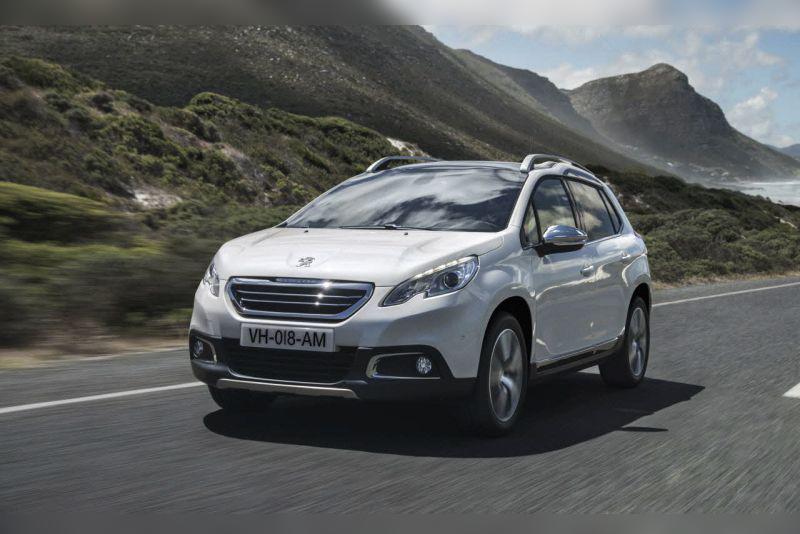
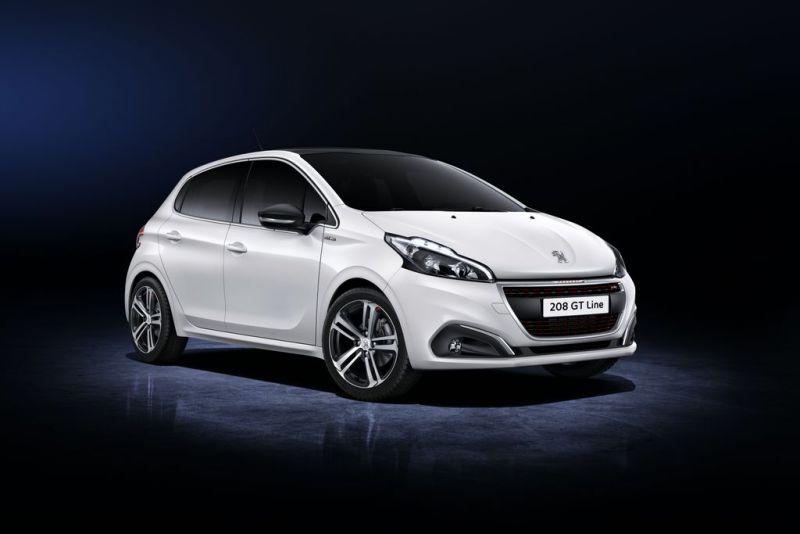
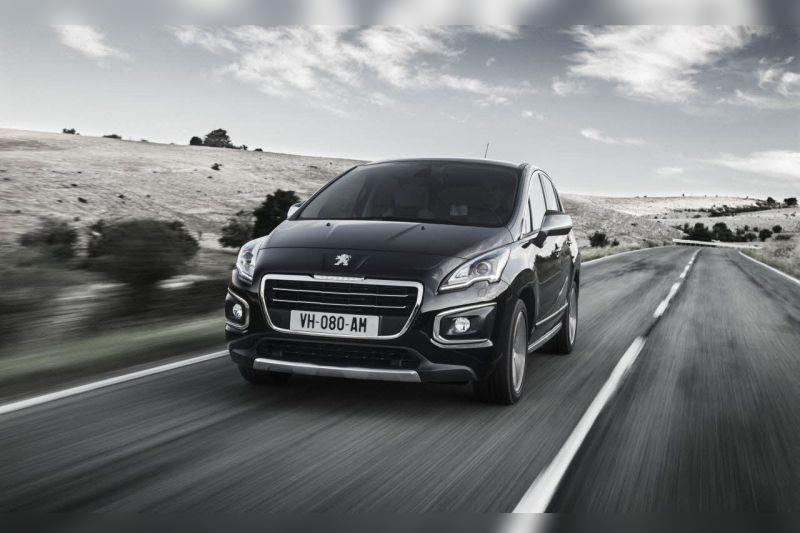
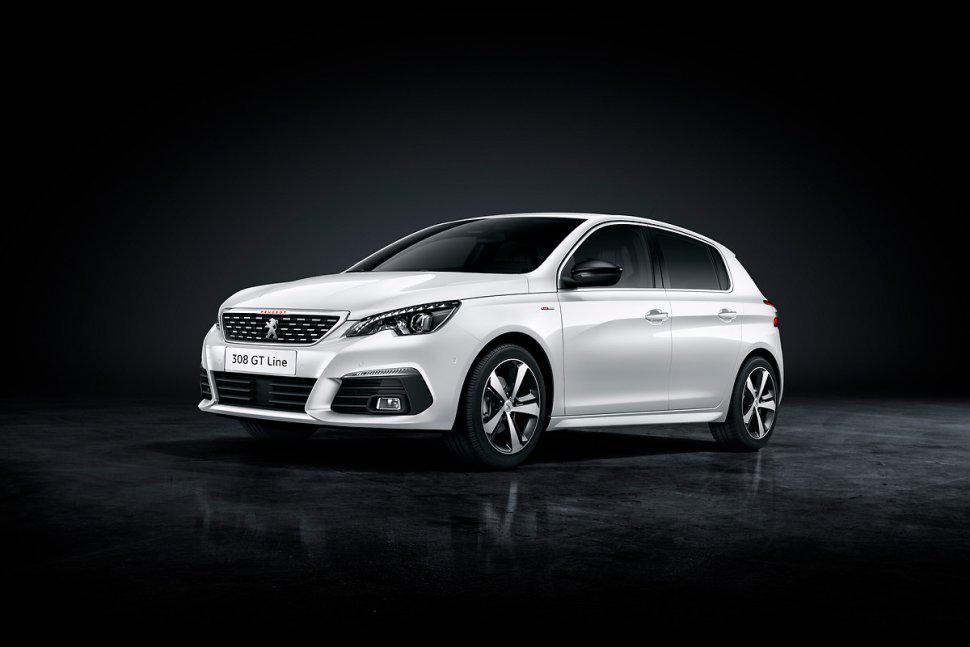
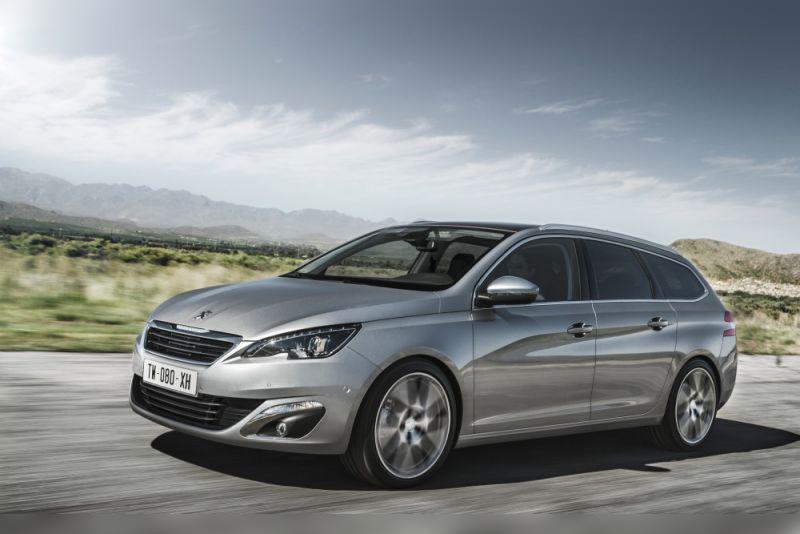
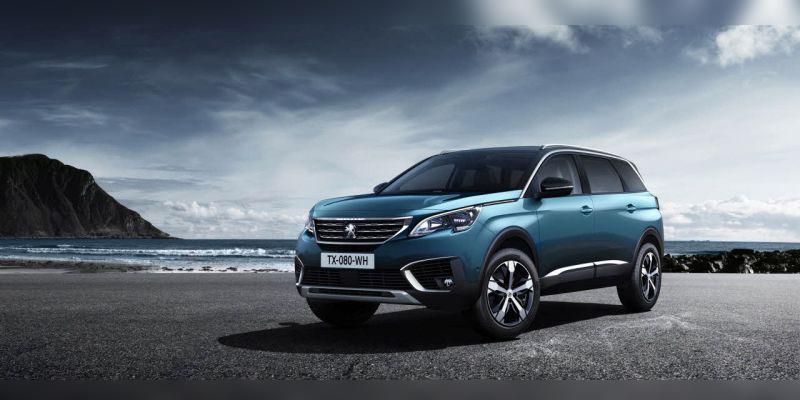
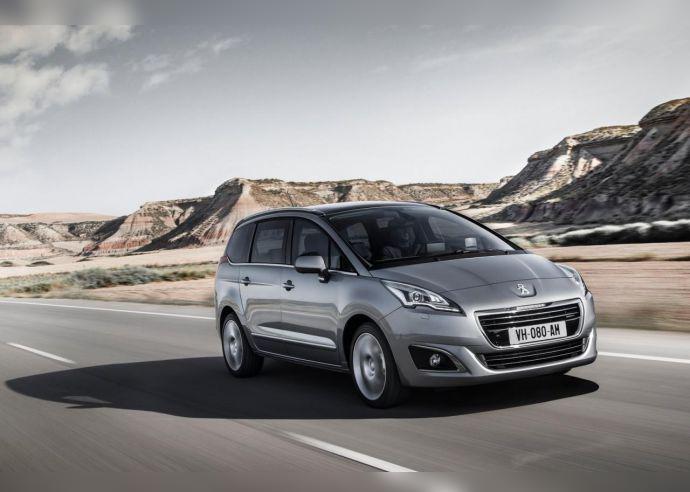
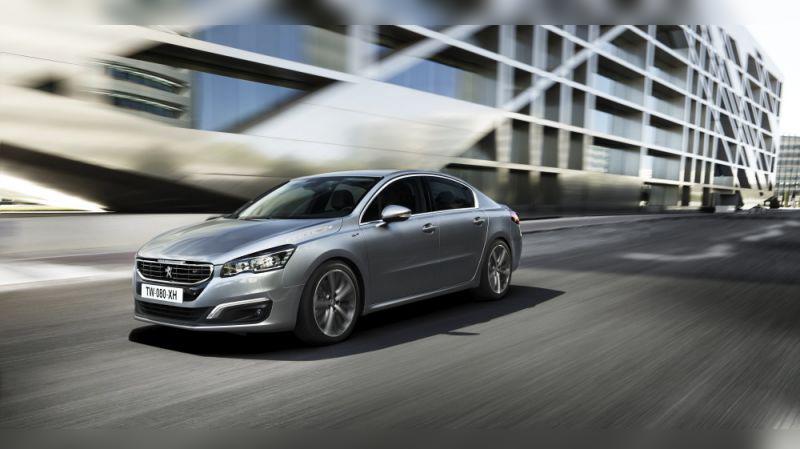
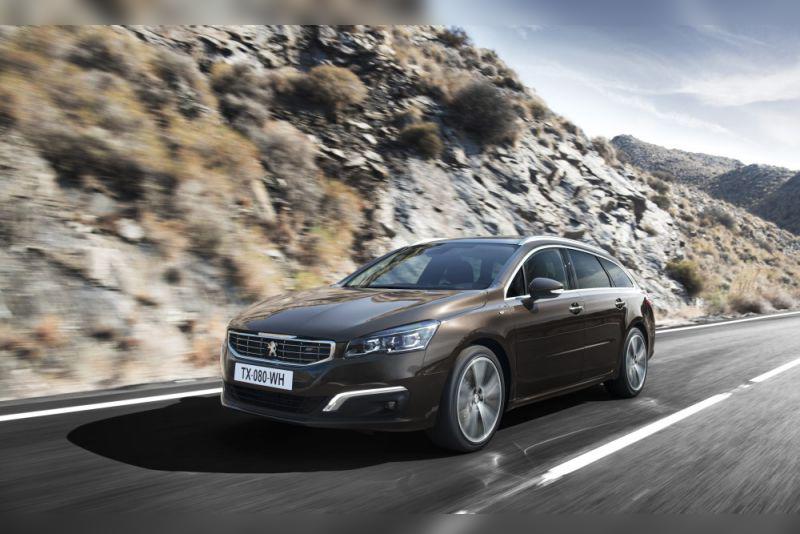
The engine designated as BHZ DV6FC represents the final and cleanest evolution of the famous PSA 1.6 HDi unit, adapted to strict Euro 6 standards under the commercial name 1.6 BlueHDi. With its 88 kW (120 hp), this engine was installed in practically the entire PSA lineup (Peugeot, Citroën, DS), from small city runabouts like the Peugeot 208, all the way to family cruisers such as the Citroën C4 Grand SpaceTourer and Peugeot 5008. Mechanics appreciate it for the refreshed cylinder head design, but also criticize it for the overly complex emission-control systems added to meet legal regulations.
Technical specifications
| Parameter | Value |
|---|---|
| Engine codes | BHZ (DV6FC) |
| Displacement | 1560 cc |
| Power | 88 kW (120 hp) at 3500 rpm |
| Torque | 300 Nm at 1750 rpm |
| Injection type | Common Rail (Direct injection) |
| Turbocharger | Variable-geometry turbo (VGT) + intercooler |
| Emissions | DPF (with Eolys additive) + SCR (AdBlue), Euro 6 |
Reliability and maintenance
Unlike older generations that had 16 valves and a chain connecting two camshafts (which tended to rattle and cause issues), the BHZ DV6FC has 8 valves and only a timing belt. This is a huge advantage for reliability and lower maintenance costs, as the engine architecture is much simpler.
The manufacturer specifies a major service (replacement of timing belt, tensioner, idler pulleys and water pump) at an optimistic 175,000 km or even 10 years, but any experienced mechanic will tell you that in practice it should be done at around 120,000 to 140,000 km (or every 6–7 years) to avoid catastrophic belt failure and serious cylinder head damage.
As for lubrication, this engine takes about 3.75 liters of oil. Due to the sensitive emission-control system, you must use 0W-30 synthetic oil only (most often with PSA B71 2312 specification, such as Total Quartz Ineo First). Oil consumption between services (which should be done every 10,000–15,000 km, not at the factory-stated 30,000 km!) is usually minimal. A loss of about 0.5 liters per 10,000 km is considered normal. Anything above that points to leaks at the crankshaft seals or oil passing through the turbo shaft.
The injection system relies on modern piezo/solenoid injectors (most often Bosch or Continental, depending on the series). On 1.6 BlueHDi engines they have proven to be very durable and, with quality Euro-diesel and regular fuel filter changes, they can easily exceed 250,000 km without overhaul. Symptoms of worn injectors include rough idle (the well-known “hammering” sound when the engine is cold) and increased black smoke under acceleration (if the DPF lets it through).
Specific parts and costs
Dual-mass flywheel and clutch
The 120 hp version produces a serious 300 Nm of torque, which is why this engine always has a dual-mass flywheel (when paired with a manual gearbox). Its lifespan largely depends on driving style (full throttle at 1,200 rpm kills it). The cost of replacing the clutch kit and dual-mass flywheel is expensive (depends on the market), but this is a standard weak point of modern diesels.
Turbocharger
The turbocharger is of the variable-geometry type (VGT). Its service life exceeds 200,000 km if oil flow is good. Older 1.6 HDi engines had issues with clogging of the strainer in the turbo oil-feed pipe, but on this generation the design has been improved. Still, if you hear an “owl” sound (a whistle proportional to engine speed) or see bluish smoke, it’s time for a turbo overhaul, which is expensive (depends on the market).
Emissions: EGR, DPF (FAP) and AdBlue – the Achilles’ heel
This is the section that interests used-car buyers the most. The engine has an EGR valve that regularly clogs with soot if the car is not taken out on the motorway to “stretch its legs”. Symptoms include jerking at around 1,500–2,000 rpm and weaker throttle response.
Then there is the DPF filter (PSA calls it FAP). The system works with a special fluid (Eolys additive) stored in a separate bag or tank and automatically dosed at every refueling. This additive lowers the temperature needed for soot burn-off, which is great for preserving the DPF. However, the bag must be replaced every 120,000–150,000 km, which is a regular maintenance cost.
The biggest and most common failure on this engine is the SCR system (AdBlue). To meet Euro 6, the engine has a separate AdBlue tank. The problem is that the pump in the tank fails (often due to fluid crystallization in cold weather or when the system draws in air). Symptom: the instrument cluster shows a “UREA” error, the “Check Engine” light comes on and you get a message that in 1,100 km the engine will no longer start. Unfortunately, PSA did not foresee repair of the pump alone; instead, the entire tank with pump and electronics must be replaced. This failure is very expensive (depends on the market). Prevention includes adding an anti-crystallization additive to the AdBlue itself and avoiding driving with the AdBlue tank “on reserve”.
Fuel consumption and performance
When everything is in order, the 1.6 BlueHDi 120 is fantastic to drive. Its 300 Nm pull very smoothly from as low as 1,750 rpm. In city driving conditions, real-world fuel consumption ranges from 5.5 to 6.5 l/100 km, depending on the body style (heavier models like the 5008 are closer to the upper limit).
Is the engine “lazy”? If you drive it in a Peugeot 208 or 308, the car is extremely agile, even somewhat sporty. However, if this unit is in a Citroën C4 Grand Picasso (which is heavy and about as aerodynamic as a brick), and you load it up with five passengers and a roof box, you’ll have to reach for the gearbox more often on hilly sections. The engine is not weak, but its small displacement can be felt under full load.
On the motorway it’s a true cruiser. Sound insulation and smooth operation make it almost unnoticeable in the cabin. At 130 km/h in sixth gear, the engine spins at an ideal and relaxed 2,200 to 2,400 rpm (varies slightly depending on the specific gearbox ratios). At that speed, fuel consumption rarely exceeds 5–5.5 l/100 km.
Additional options and modifications
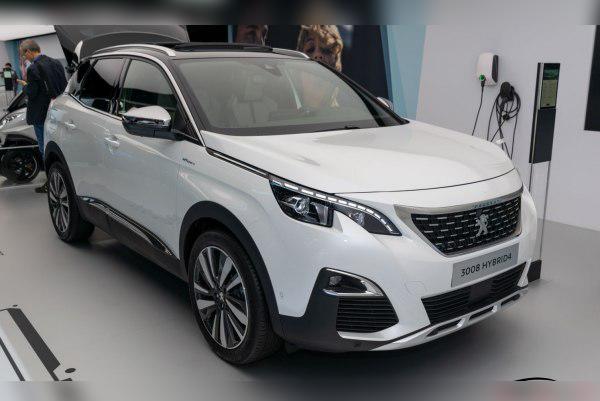
Since this is a turbo-diesel, the 1.6 BlueHDi has huge potential for ECU optimization. A quality Stage 1 remap can safely and reliably (without overstressing the injectors and turbo) raise power to around 145 to 150 hp, with torque increased to a healthy 340–350 Nm. This modification dramatically “wakes up” heavier cars like the Peugeot 3008 or 5008 and makes overtaking much safer, while with normal driving fuel consumption can drop by about 0.3 l/100 km.
Gearboxes and power transfer
This engine is mainly paired with two types of gearboxes:
- 6-speed manual (BVM6 / MCM): A precise and reliable mechanical unit. Failures of the gearbox itself are very rare, and the main maintenance focus is the aforementioned dual-mass flywheel. Oil change in the manual gearbox (about 2 liters of 75W-80) is recommended every 100,000 km to ensure smoother shifting in cold weather.
- 6-speed automatic (EAT6): It is important to stress that this is not the old, notorious robotized gearbox (EGC), but a true automatic with a hydraulic torque converter, developed in cooperation with Japanese company Aisin. This is probably the best combination with this engine. The gearbox shifts smoothly and is extremely durable. Its biggest weakness is the human factor: the manufacturer declares it “sealed for life” (no oil change), which is technical nonsense. The oil and filter in this gearbox must be changed (ideally with a machine flush) every 60,000 to 80,000 km. If this is not done, the valve body and valves suffer, the gearbox starts to jerk when shifting (especially from 2nd to 3rd when hot), and repairs are very expensive (depends on the market).
Buying used and conclusion
When inspecting a car with the BHZ DV6FC engine, your focus must be on the emission-control system. Ask the seller not to start the car before you arrive, because the first cold start tells you a lot. Listen for rough running or metallic noises (injectors). Then check the instrument cluster – you must not ignore even the smallest warning related to the UREA/AdBlue system, as this immediately puts you at risk of a bill close to a thousand euros in some markets.
Be sure to bring (or bring a mechanic with) diagnostics specifically for the PSA group (DiagBox). It must be used to check DPF (FAP) load, the amount of remaining Eolys additive in the system, as well as pressure in the AdBlue system.
Conclusion: The 1.6 BlueHDi 120 hp is a fantastic, economical and mechanically very durable engine. The core of the engine itself (crankshaft, pistons, head) is built to cover serious mileages. It is ideal for families, sales reps and anyone who drives a lot on open roads. However, you must be financially prepared for the fact that sooner or later the AdBlue system will fail – that is the price you pay for driving one of the cleanest diesel engines of its generation.