Experiences, issues, fuel consumption and used-car buying guide: In-depth analysis of the D4162T engine (Volvo 1.6 D2 115 HP)
Key points (TL;DR):
- More reliable generation: The D4162T is an improved 8-valve version of the well-known PSA/Ford engine. It is far more resistant to failures than its 16-valve (109 HP) predecessor.
- Fuel economy first: Fuel consumption is extremely low, even in heavier Volvo bodies, but performance suffers.
- No AdBlue system: Fortunately for owners, this Euro 5 unit does not use AdBlue fluid, avoiding a common source of expensive failures.
- Automatic gearbox is a ticking time bomb: Models paired with the Powershift automatic transmission require extreme caution when buying due to the astronomical cost of mechatronics repairs.
- Emission control system: Driving exclusively in the city will inevitably lead to clogging of the DPF filter and EGR valve.
- Ideal for V40, sluggish for V70: While it handles the V40 without issues, in models like the V70 or S80 this engine is suitable only for relaxed cruising.
Contents
- Introduction: Meet the D4162T
- Technical specifications
- Reliability and maintenance
- Specific components (Costs)
- Fuel consumption and performance
- Additional options and modifications
- Gearbox: Manual and automatic
- Buying used and conclusion
Introduction: Meet the D4162T
When you open the hood of a Volvo badged 1.6 D2 or 1.6 Drive produced from 2011 onwards, you are looking at the engine with the code D4162T. For those unfamiliar, this is essentially the Swedish implementation of the famous PSA/Ford diesel (known as 1.6 HDi or 1.6 TDCi), but in its modernized Euro 5 version with 8 valves.
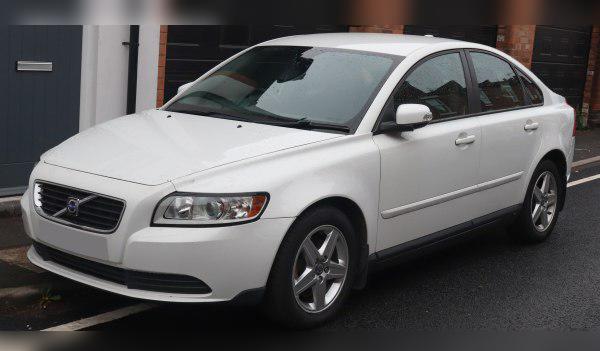
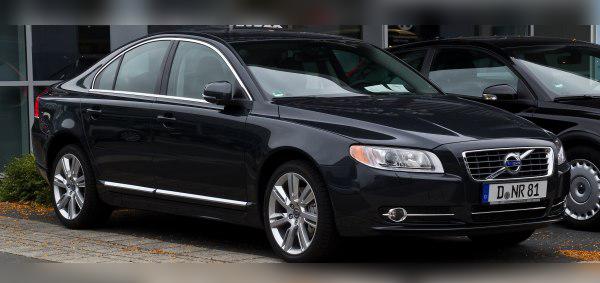
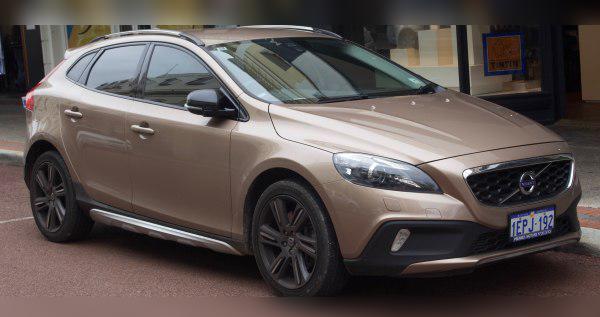
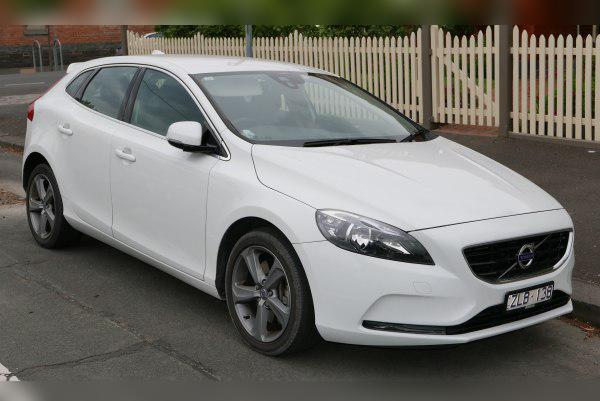
This is a crucial piece of information. The older 16-valve version (109 HP) was known for issues with turbo lubrication and the strainer in the oil sump. On the D4162T, those engineering flaws were corrected. This engine was installed in almost the entire range, from the compact C30 and S40/V50 (towards the end of their production), through the excellent V40, all the way to heavyweights like the S80 and V70. Its main mission was never to break speed records, but to bring CO2 emissions below tax thresholds across Europe and to deliver incredibly low fuel consumption.
Technical specifications
| Feature | Data |
|---|---|
| Displacement | 1560 cc |
| Power | 84 kW (115 HP) at 3600 rpm |
| Torque | 270 Nm at 1750 - 2500 rpm |
| Engine code | D4162T (based on PSA DW10C / Ford DLD-416 8v) |
| Injection type | Common Rail (Piezo injectors) |
| Intake | Variable-geometry turbocharger (VGT) + intercooler |
| Valve train type | SOHC (8 valves) |
Reliability and maintenance
Timing belt and major service
The D4162T uses a timing belt for the valve train. Volvo as a manufacturer specifies extremely long replacement intervals, sometimes up to 240,000 km or 10 years. From an experienced mechanic’s perspective, this is gambling with the engine. Real-world advice is to perform the major service every 120,000 to 150,000 km or every 7 years. The water pump is integrated into the timing system, so replacing it during the major service is absolutely mandatory.
Oil: Quantity, grade and consumption
During a minor service this engine takes around 3.8 liters of oil (including the filter). The limited sump capacity means the oil degrades faster, especially if DPF regenerations are interrupted. The recommended grade is 5W-30. Due to Volvo specifics and the emission control system, you must use oils that meet ACEA A5/B5 or Ford WSS-M2C913-D standards (since the engine is of Ford/PSA origin).
Does it burn oil? A healthy D4162T almost does not consume any oil between services (which should be done at a maximum of 15,000 km, not 30,000 km as the book says). Any noticeable drop in oil level on the dipstick usually points to leaks on seals or the early stages of piston ring and turbo wear.
Most common failures and injectors
This engine is generally very reliable. Still, it suffers from the typical ailments of modern diesels. The injectors are of the Piezo type (most often Continental/VDO). They can easily last over 250,000 km with good-quality fuel, but are very sensitive to water in diesel and metal shavings from the high-pressure pump.
One specific but inexpensive issue is injector washers (copper sealing rings). If you smell exhaust fumes in the cabin or hear a rhythmic “ticking” under the plastic engine cover, the washers have likely failed. This should be fixed immediately so that compression and soot do not bake the injector into the cylinder head.
Specific components (Costs)
Dual-mass flywheel and clutch
Yes, versions with both manual and automatic transmissions have a dual-mass flywheel. Its service life largely depends on driving style. If the driver likes to floor the throttle at 1200 rpm (which the engine seemingly allows thanks to 270 Nm), the springs in the flywheel will fail quickly. Replacing the clutch kit together with the dual-mass flywheel falls into the category: expensive (Depends on the market), and is one of the biggest maintenance expenses on this car.
Turbocharger
The engine is equipped with a single variable-geometry turbocharger (VGT). Unlike the old 1.6D 16v engine, where turbos failed en masse due to a clogged strainer in the oil feed pipe, on the D4162T the pipes were redesigned and oil flow is significantly better. The turbo’s service life is now aligned with the engine’s life, provided that oil changes are done on time and the engine is not switched off immediately after aggressive highway driving.
DPF, EGR and AdBlue
Since this is a Euro 5 engine, it does not use an AdBlue system, which is fantastic news as it eliminates problems with failing urea injectors and tank heaters.
However, the EGR valve and DPF filter are present and are the first to suffer if the car is driven exclusively in city traffic (stop-and-go driving). The EGR clogs with soot, causing engine hesitation and loss of power. The DPF filter can last over 200,000 km on open roads, but in city use it quickly fills with ash. If you ignore the regeneration warning light, diesel will mix with the oil in the sump, raise the oil level and, in the worst case, lead to engine runaway (uncontrolled engine operation on its own oil).
Fuel consumption and performance
Is this engine too sluggish for a Volvo?
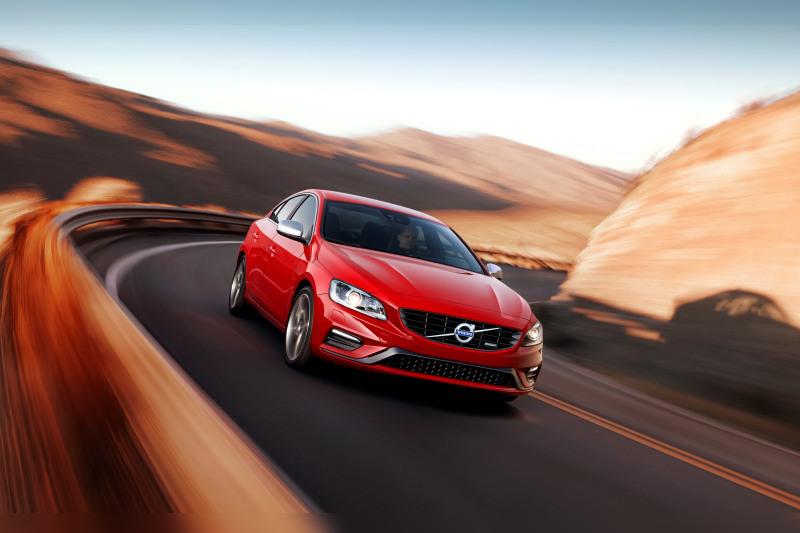
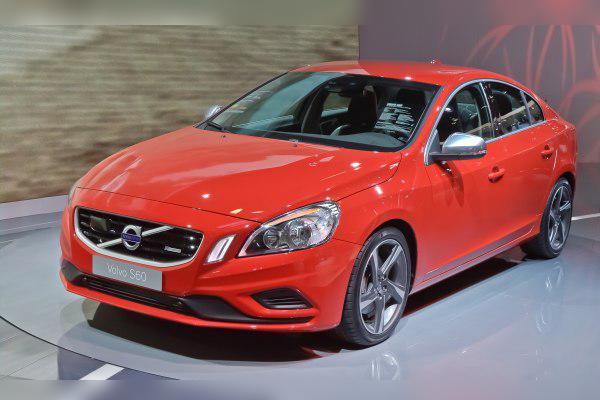
The answer depends on the model. In a Volvo V40 or S60, 115 HP and 270 Nm are perfectly adequate for normal and even mildly dynamic driving. The weight of these cars is acceptable for a 1.6 engine.
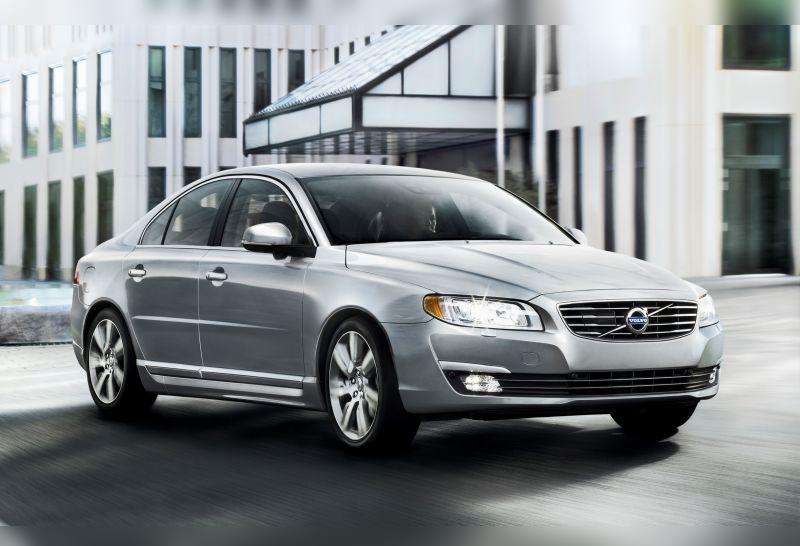
However, if you look at this engine in models like the Volvo V70 or S80, be prepared for compromises. These cars weigh over 1.6 tons empty. Loaded with luggage and family, performance becomes anaemic, the engine feels noticeably “lazy”, and every overtaking manoeuvre on a country road requires good planning and dropping down a gear.
Fuel consumption and motorway driving
The main trump card of the D4162T engine is its fuel consumption. Real-world consumption in strictly urban conditions (depending on model and gearbox) ranges from 6.0 to 7.5 l/100km. On secondary roads, with smooth driving, it can drop to an incredible 4.0 to 4.5 l/100km.
On the motorway, at 130 km/h, the gearbox ratios are excellent. The engine cruises at a relaxed around 2200 - 2400 rpm in sixth gear (with the manual gearbox). It is extremely quiet in the cabin, but at those speeds there is not much power reserve left for sudden acceleration.
Additional options and modifications
Chiptuning (Stage 1 remap)
The D4162T engine responds very well to software power increases. A safe Stage 1 remap, without mechanical modifications and without removing the DPF, raises power from 115 HP to about 140 HP, while torque increases from 270 Nm to around 310 - 320 Nm.
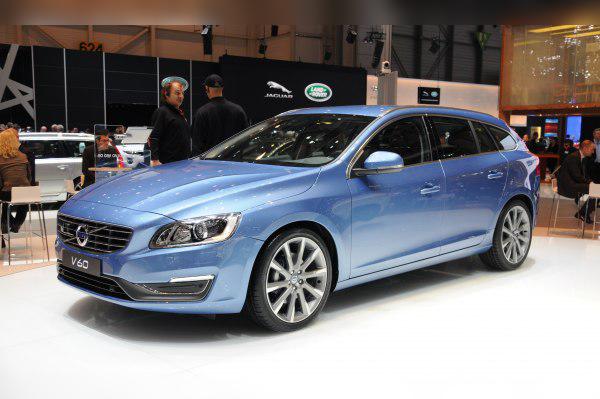
This modification is highly recommended for drivers of heavier models (V70, S80, V60) because the car noticeably “wakes up” at lower revs. Still, keep in mind that the higher torque wears out the clutch and dual-mass flywheel faster.
Gearbox: Manual and automatic
Two types of transmissions were paired with this engine: a 6-speed manual and a 6-speed Powershift dual-clutch automatic.
Manual gearbox (M66 / Ford Getrag-based)
This is the safe choice. The gearbox is robust, precise and rarely fails. The only wear items are the aforementioned clutch kit and dual-mass flywheel. Although the manufacturer claims the gearbox oil is “lifetime”, it is recommended to change the oil in the manual gearbox every 80,000 to 100,000 km to prolong the life of the bearings and synchros.
Automatic gearbox (Powershift 6DCT450) – WARNING!
Models badged “Automatic” or “Geartronic” (although that is a commercial name, with the 1.6 diesel Volvo used the Ford/Getrag Powershift) require extreme attention. This gearbox has a bad reputation for a reason.
The most common failures include mechatronics failure and dual-clutch pack issues. Symptoms are jerking when moving off (especially in first gear and reverse), knocking when changing gears, or the gearbox going into “Safe mode” (limp-home mode). Repairing this gearbox is very expensive (Depends on the market), and often exceeds a third of the value of the used car.
The biggest enemy of the Powershift gearbox is dirty oil. The system uses the same oil for the mechatronics and for lubricating the gears. That is why strict oil changes every 60,000 km are absolutely mandatory. If you are buying a used car with this gearbox and there is no service history proving regular gearbox oil changes – walk away.
Buying used and conclusion
What to check when buying?
- Cold start sound and visual check: Ask for the car to be completely cold. Listen for metallic rattling (flywheel) and be sure to remove the plastic engine cover to check for tar-like deposits around the injectors (a sign that the washers have failed).
- DPF diagnostics: Do not buy a diesel blindly. Connect an original (VIDA) or good-quality universal diagnostic tool and check the DPF ash load as well as the number of interrupted regenerations.
- Test drive with automatic: If you still dare to buy a Powershift, find an uphill road, stop and move off gently. If you feel any vibrations, shuddering or hesitation from the gearbox, walk away from the deal.
Final verdict: Who is the D4162T for?
The Volvo engine D4162T (1.6 D2 115 HP) is an excellent and thoroughly refined unit, free from the childhood diseases that plagued its 16-valve predecessor. Its biggest asset is laughably low fuel consumption combined with exceptional reliability of the engine block itself.
Buy or avoid? If you are looking for a Volvo V40, S60 or V60 for long trips and everyday driving, with a manual gearbox, this is a fantastic purchase that will not drain your wallet. But if you are looking at a heavy Volvo S80 or V70 to tow a trailer with, or you are considering a model with a Powershift automatic for frequent city driving – look for a larger 2.0 five-cylinder Volvo D3 or D4 engine with a conventional Aisin automatic. Your nerves will thank you.