Engine F15DTH (1.5 Diesel 130 HP): Experiences, problems, fuel consumption and used car buying guide
- Key points (TL;DR)
- Engine type: Stellantis (former PSA) 1.5 diesel unit, known for exceptionally low fuel consumption.
- Timing: Combination of timing belt and a small chain between the camshafts. The chain is the biggest weak point (7 mm versions tend to snap).
- AdBlue system: Prone to failures due to fluid crystallization (pump and tank).
- Maintenance: Requires specific 0W-20 oil; improper maintenance directly destroys the engine.
- Transmissions: The 8-speed automatic (Aisin) is strongly recommended over the manual.
- Performance: Excellent in the Astra, somewhat strained in the heavier Grandland under full load.
Contents
- Introduction: Engine origin and purpose
- Technical specifications
- Reliability and maintenance
- Specific parts and costs
- Fuel consumption and performance
- Additional options and modifications
- Transmission and drivetrain
- Buying used and conclusion
Introduction: Engine origin and purpose
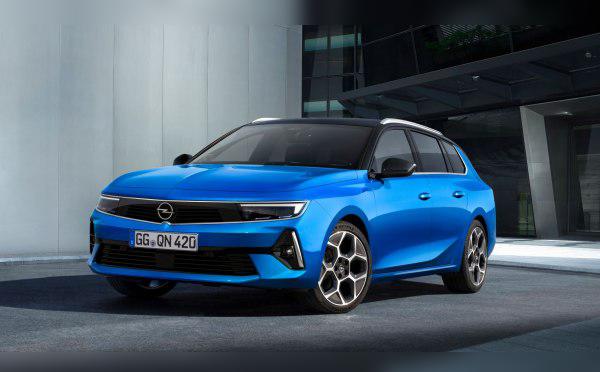
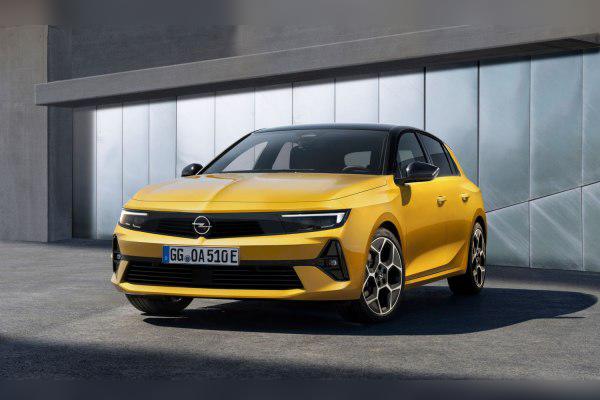
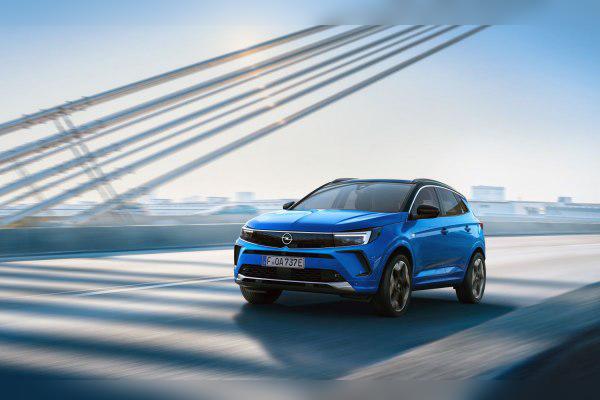
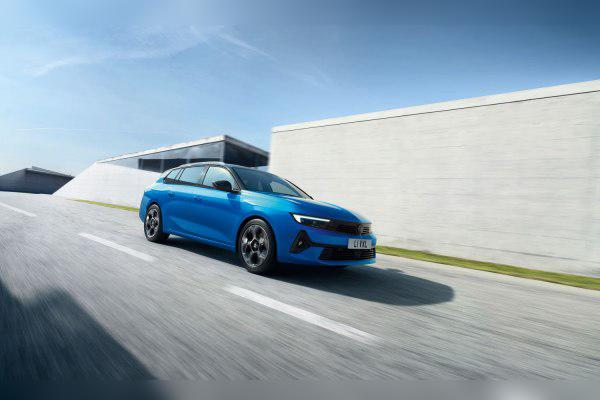
The designation F15DTH is Opel/Vauxhall’s internal name for an engine that basically comes from the PSA group (Peugeot/Citroën), where it carries the 1.5 BlueHDi (DV5RC) code. Since Opel became part of the Stellantis alliance, this unit has become the core diesel offering in models such as the Opel Astra L (including the Sports Tourer estate) and the facelifted Opel Grandland (from 2021 onwards). It was designed as an extremely clean and economical engine that meets strict Euro 6d standards, but it brings with it some specific technical solutions that owners must pay attention to.
Technical specifications
| Parameter | Value |
|---|---|
| Engine displacement | 1499 cc |
| Power | 96 kW (130 HP) |
| Torque | 300 Nm |
| Engine codes | F15DTH (Stellantis DV5RC architecture) |
| Injection type | Common Rail (Direct) |
| Induction | Variable geometry turbocharger, intercooler |
Reliability and maintenance
Does this engine have a timing belt or a chain?
This is one of the most important questions about this engine. The system is combined. The main drive from the crankshaft is via a timing belt. However, since the engine has 16 valves and two camshafts, those two camshafts are linked by a small chain. That chain is the stuff of nightmares for many owners of the first series of this engine. The factory initially installed a 7 mm wide chain which tended to stretch and snap, leading to catastrophic engine failure (valves hitting pistons). Later series (and repaired units) received a reinforced 8 mm chain and modified camshafts.
What are the most common failures on this engine?
Besides the mentioned camshaft chain issue, the most common failures are related to the exhaust aftertreatment systems. The AdBlue system is extremely problematic (pump or sensor failure in the tank). Also, on cars that are mostly driven in the city, the EGR valve and DPF filter clog up quickly. In rare cases, oil leaks from the oil filter housing have been reported.
At what mileage should the major service be done?
According to factory recommendations, the major service (replacement of timing belt, tensioner, idler pulleys and water pump) is done at around 100,000 to 120,000 km, or every 5 years. However, due to the aforementioned weakness of the small chain, experienced mechanics advise that during the major service you must check the condition of the chain and chain tensioner and replace them preventively. This significantly increases the cost of the procedure, but protects the engine.
How many liters of oil does the engine take and which grade?
The F15DTH takes about 3.9 to 4.0 liters of oil (including the filter). Only fully synthetic 0W-20 oil that meets the strict Stellantis standards (B71 2010 or newer) is recommended. Do not use thicker oils (such as 5W-30) because they cannot properly lubricate the narrow oil passages of the small chain tensioner, which drastically accelerates its wear.
Oil consumption
A healthy F15DTH engine does not consume much oil. A loss of 0.1 to 0.2 liters per 1,000 km is considered completely normal. If the engine uses more than 0.5 liters per 1,000 km, this is a clear sign of problems with piston rings or leaks at the turbocharger bearings.
Injector and fuel system longevity
The injection system (mostly Bosch) has proven to be very reliable. With quality Euro diesel and regular fuel filter changes (every second minor service), the injectors easily last over 200,000 km. When damage does occur, the most common symptoms are uneven idle (shuddering), black smoke from the exhaust and loss of power.
Specific parts and costs
Dual-mass flywheel
Yes, versions with a manual gearbox are equipped with a dual-mass flywheel to dampen diesel vibrations and the 300 Nm of torque. Replacing the complete clutch and flywheel set is an expensive job (depends on the market). In versions with an automatic transmission, instead of a clutch and flywheel there is a torque converter, which is significantly more durable.
Turbocharger
This engine has a single variable geometry turbocharger (VGT). Its service life is generally over 150,000 km, provided that the oil is changed on time (a shortened interval of 10,000 to a maximum of 15,000 km is recommended). The first signs of failure are a characteristic "whistling" sound under acceleration and increased oil consumption.
EGR, DPF and AdBlue system
The F15DTH is extremely "choked" by emissions equipment. It has an EGR valve, a DPF filter and an SCR catalyst (AdBlue).
- AdBlue: The weakest point of the vehicle. Urea fluid tends to crystallize and damage the pump, which is integrated into the tank itself. The symptom is a warning on the dashboard such as "Emissions fault - Engine will not restart in X km". The usual repair is replacement of the entire tank, which is very expensive (depends on the market).
- DPF: If the car is driven on short urban trips, the filter cannot complete regeneration. The engine oil level can rise due to diesel fuel mixing with the oil.
Fuel consumption and performance
City consumption
This is the F15DTH engine’s strongest card. Real-world consumption in heavy city traffic is around 5.5 to 6.5 l/100 km. On country roads, with smooth driving, it easily drops below 4.5 l/100 km.
Is the engine sluggish?
For the Opel Astra L (hatchback and estate), 130 HP and 300 Nm (available from just 1,750 rpm) are perfectly adequate. The engine responds very well; it’s not sporty, but it is very lively in mid-range acceleration. However, in the heavier Opel Grandland, this engine is the base option. When the Grandland is loaded with four passengers and luggage, you can feel a lack of power on climbs and the engine becomes noisier when pushed hard.
Motorway cruising
The engine performs excellently on the motorway. In the version with the 8-speed automatic gearbox (which keeps revs very low), at 130 km/h the engine spins at an ideal, quiet ~2,200 to 2,300 rpm. Fuel consumption at this speed is usually around 5.5 l/100 km.
Additional options and modifications
Remapping (Stage 1)
The F15DTH has potential for a safe Stage 1 remap. Without any mechanical modifications, power can be raised via software to about 150 to 160 HP, while torque increases to around 350 to 360 Nm. This is especially recommended for Grandland owners to gain the necessary flexibility when overtaking. It is very important that the remap is done by a reputable tuner so that exhaust gas temperatures are not raised to the point where they would melt the DPF.
Transmission and drivetrain
Types of transmissions
The engine is paired with either a 6-speed manual or an 8-speed automatic (Aisin EAT8) gearbox.
Transmission failures and maintenance
- Manual: The most common problem is not the gearbox itself, but wear of the clutch and dual-mass flywheel in drivers who start off harshly or rest their foot on the clutch pedal. The oil in the manual gearbox should be replaced at around 100,000 km, even though the manufacturer claims it is lifetime. Replacing the clutch and flywheel set is expensive (depends on the market).
- Automatic (Aisin): The EAT8 is an excellent, fast and very reliable conventional automatic gearbox (not a dual-clutch). It has no specific inherent defects, but it does require oil changes. If not maintained, it will start to jerk when shifting from second to third gear. A static or dynamic oil change in the gearbox is recommended every 60,000 to 80,000 km. The cost of a minor service on the automatic gearbox is not high, but it saves thousands of euros (depends on the market).
Buying used and conclusion
What to check before buying?
Buying an Astra or Grandland with this engine requires a careful inspection:
- Noise on cold start: Ask the seller not to start the car before you arrive. Stand by the right side of the engine (near the front passenger wheel) and listen at the moment of starting. If you hear a metallic "rattle" or "scraping" for the first few seconds, the small camshaft chain is stretched. Walk away from such a car or factor a very expensive repair into the price.
- Diagnostics (AdBlue and DPF): Always connect an OBD diagnostic tool. Check when the last DPF regeneration was performed (if it was done within the last 50 km, that’s fine; if the system is trying constantly, the filter is clogged). Check the pressure in the AdBlue tank.
- Service history: This engine does not tolerate neglect. Ask for proof that the correct 0W-20 specification oil has been used.
Who is this engine for?
Opel’s/Vauxhall’s F15DTH (1.5 diesel) is intended for drivers who cover high annual mileage, primarily on open roads and highways. Its fuel economy is top-class. The combination of this engine and the Aisin 8-speed automatic is one of the most comfortable setups in its class.
However, this is not a city engine. If you plan to drive your kids 3 km to school every day, the DPF will clog, the AdBlue system will cause problems, and the fuel savings will quickly evaporate in expensive workshop visits. When buying used, your most important tasks are to find out whether the cam chain has been updated (8 mm) and what condition the AdBlue pump is in.