1.2 PureTech 110 hp (HNP EB2ADT): Real-world experience, issues, fuel consumption and used-car buying tips
Key points (TL;DR)
- Biggest flaw: Timing belt running in oil (“wet belt”) that degrades and clogs the oil pump strainer.
- Performance: Very lively and flexible engine thanks to 205 Nm of torque, excellent for city and open-road driving.
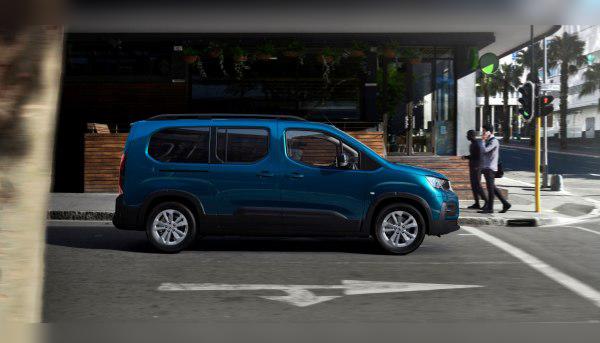
- Fuel consumption: Efficient in smaller cars (around 7 l/100 km in the city), but noticeably thirstier in heavier vehicles such as the Peugeot Rifter.
- Maintenance: Requires strict adherence to oil change intervals (only specific grades) and earlier timing belt replacement than the factory recommendation.
- Sensitivity to carbon build-up: Direct injection leads to carbon deposits on intake valves.
- Buying used: A visual inspection of the timing belt through the oil filler cap is mandatory before purchase.
Contents
- Introduction and basic information
- Technical specifications
- Reliability and maintenance
- Specific parts and costs
- Fuel consumption and performance
- Additional options and modifications
- Gearbox and drivetrain
- Buying used and conclusion
Introduction and basic information
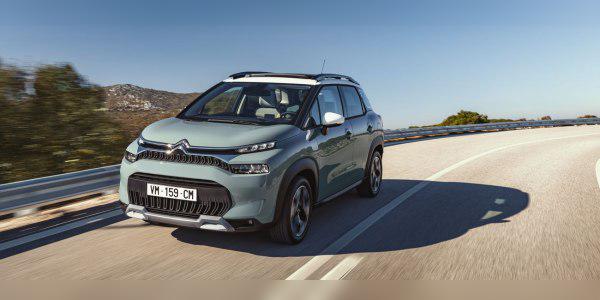
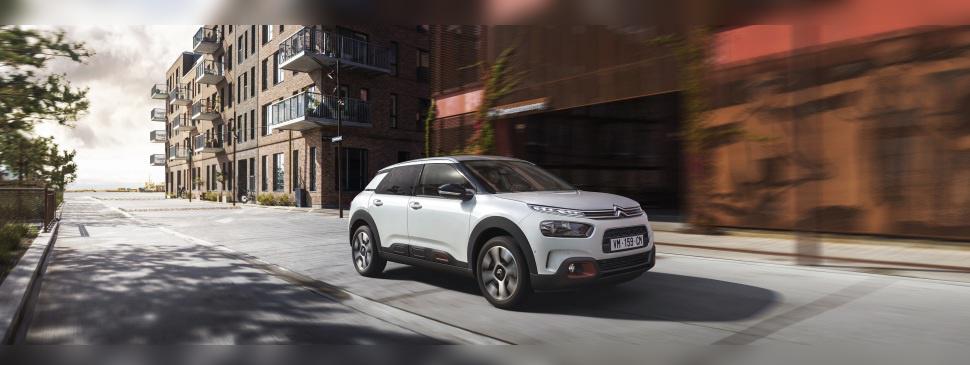
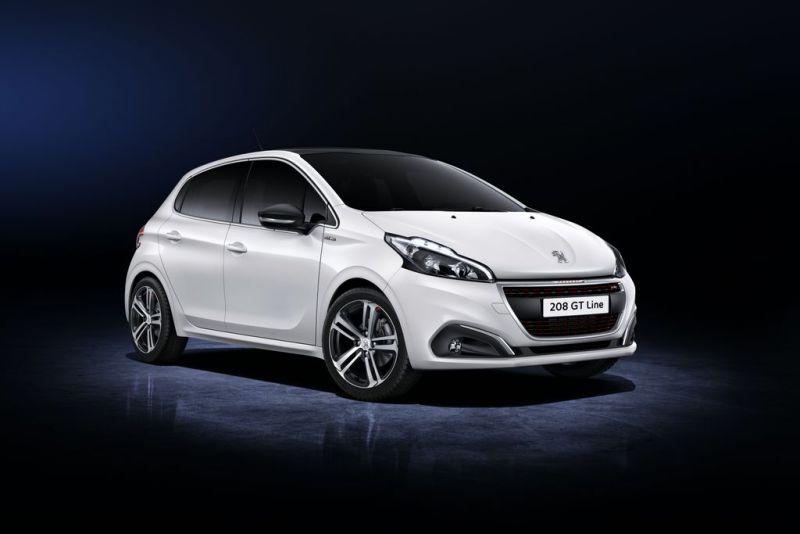
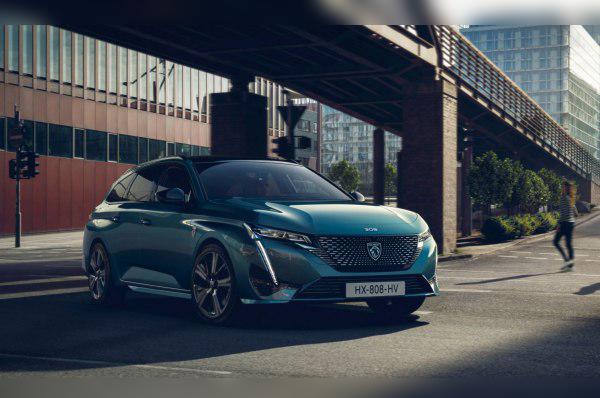
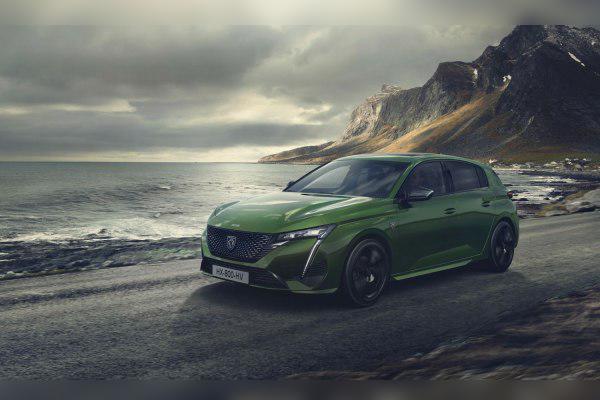
The 1.2 PureTech with 110 hp (engine code HNP EB2ADT) has been the backbone of Stellantis (formerly PSA) petrol engine range over the past decade. Designed to replace older naturally aspirated, larger-displacement engines (1.4 and 1.6 litres), this three-cylinder turbo petrol offers an excellent balance between low-end torque and reduced exhaust emissions. It has been fitted to a wide range of vehicles – from city cars such as the Peugeot 208 and Citroën C3, through the compact Peugeot 308, to heavier and boxier models like the Citroën C3 Aircross, C4 Cactus and Peugeot Rifter.
Although it has received numerous “Engine of the Year” awards, real-world use has shown that it has certain engineering flaws that demand a lot of attention from owners. If you are considering buying a car with this engine, you need to be aware of its strengths, but also of the hidden maintenance costs.
Technical specifications
| Specification | Data |
|---|---|
| Engine codes | HNP EB2ADT (depends on Euro emissions standard) |
| Engine displacement | 1199 cc (1.2 litres) |
| Power | 81 kW (110 hp) |
| Torque | 205 Nm |
| Injection type | Direct petrol injection |
| Induction | Turbocharger with intercooler |
| Configuration | 3 cylinders in-line |
Reliability and maintenance
The main point of debate around the 1.2 PureTech engine is its timing system. This engine uses a timing belt that runs in engine oil (the so-called “wet belt” system). The engineers’ idea was to reduce friction, noise and fuel consumption. However, in practice this has become the most common and most serious issue with this engine. Over time, due to contact with engine oil and unburnt fuel, the belt material starts to degrade and crumble. These rubber particles fall into the oil sump and clog the oil pump strainer, which leads to a drop in oil pressure and potential engine failure due to poor lubrication. Symptoms include the red oil pressure warning light and “Check Engine” warnings. The driver can often notice the problem earlier by removing the oil filler cap and visually checking for cracks on the back of the belt.
The factory initially specified belt replacement (major service) at as much as 175,000 km, then reduced it to 100,000 km, but experienced mechanics and real-world practice dictate that the major service must be done at 60,000 to 80,000 km or every 5 years to avoid expensive repairs.
The lubrication system capacity is about 3.5 litres of oil. It is extremely important to use only oil that meets the PSA B71 2010 (0W-20) or PSA B71 2312 (0W-30) standard. Any other grade drastically accelerates timing belt degradation! As for oil consumption, due to ring wear at higher mileage, the 1.2 PureTech can start consuming oil. Normal consumption is considered to be 0.1 to 0.3 litres per 1,000 km. If the engine uses more than 0.5 litres per 1,000 km, this indicates issues with valve stem seals or piston rings.
Since this is a highly efficient turbo petrol engine, the ignition system is under heavy load. Spark plugs need to be replaced much more frequently than on older engines – replacement is recommended every 30,000 to 40,000 km. If this is not done, ignition coils can fail, which the driver will notice as engine misfire, loss of power and rough three-cylinder running, accompanied by a “Check Engine” light.
Specific parts and costs
The cost of specific components on this engine can surprise drivers who are switching from older, naturally aspirated engines. To begin with, due to the presence of a turbocharger and the need to dampen the vibrations of a three-cylinder engine, most newer versions of this engine (from 110 hp upwards) combined with the six-speed manual gearbox are equipped with a dual-mass flywheel. If you are not sure, you need to check by VIN, as older five-speed gearboxes sometimes come with a solid flywheel. The cost of replacing the clutch kit together with the dual-mass flywheel falls into the “expensive to very expensive” category (depending on the market).
The injection system is direct (fuel is injected directly into the cylinder). The injectors themselves are generally reliable if you use quality fuel. However, the main problem of direct injection on this engine is carbon build-up on the intake valves. Since fuel does not wash the valves on its way to the cylinder, soot from the recirculation system sticks to them. Symptoms include a rougher idle and a slight drop in performance. Valve cleaning (walnut shell blasting / de-carbonisation) is recommended after around 100,000 km.
The engine is fitted with a single turbocharger (BorgWarner). Its lifespan can exceed 150,000 to 200,000 km, but only under one condition: regular oil changes. The turbocharger is the first victim if the timing belt starts clogging the oil pump strainer. Lack of lubrication causes the turbo bearings to fail. The cost of replacing or rebuilding the turbo is quite high.
In terms of emissions equipment, since this is a petrol engine, this unit does not have a DPF filter or AdBlue system (those are reserved for BlueHDi diesels). However, newer versions that meet stricter Euro 6d standards are equipped with a GPF (Gasoline Particulate Filter) that traps soot particles. It rarely clogs if the car is occasionally driven on open roads, and causes problems far less often than a diesel DPF. There is an EGR valve, but it also causes significantly fewer issues than on diesels.
Fuel consumption and performance
The performance of this engine is one of its brightest points. With 205 Nm available already at a low 1,500 rpm, the engine does not feel “lazy”. In city cars such as the Peugeot 208 or Citroën C3, acceleration is surprisingly brisk and driving is dynamic. However, in heavier bodies such as the Peugeot Rifter or 308 SW, under full load on uphill sections, the engine will require more revs and the driver will feel that it “runs out of breath” when the car is fully loaded with passengers and luggage.
Real-world fuel consumption depends on vehicle weight and driving style. In B-segment models (C3, 208), real city consumption ranges from 7.0 to 8.0 l/100 km. In heavier vehicles (Rifter, C4 Cactus) expect around 8.5 l/100 km in stop‑and‑go conditions. On country roads it is quite economical, with consumption around 5.0–5.5 l/100 km.
On the motorway, the 1.2 PureTech copes very well with cruising speeds. At 130 km/h, depending on whether the vehicle has a five-speed or six-speed gearbox, engine speed is around 2,800 to 3,100 rpm. Motorway consumption is usually around 6.5 to 7.0 l/100 km. Cabin insulation is generally good, so the characteristic three-cylinder “thrum” is not overly intrusive while driving.
Additional options and modifications
Due to high fuel prices, many people consider LPG conversion. Installing LPG on the 1.2 PureTech 110 hp is possible, but not advisable for everyone. Because of the direct injection system, special LPG kits are required, and they still have to inject a certain percentage of petrol (usually 10–20%) to cool the petrol injectors inside the cylinder. These systems are very expensive upfront (depending on the market), and given this engine’s zero tolerance for poor combustion and the risk of piston damage, they are recommended only for drivers who cover very high annual mileage and use highly specialised installers.
As for remapping (chipping), the engine has a decent margin for a safe software power increase. With a conservative Stage 1, power can usually be raised from 110 hp to about 130–135 hp, with torque increasing to around 240 Nm. However, keep in mind that this adds stress to the turbo, gearbox and, most of all, to the already sensitive timing belt and engine block. If you plan to remap, halve your regular service intervals.
Gearbox
This engine is paired with several types of gearboxes. Manual gearboxes are usually five-speed (BVM5) in older model years and lighter vehicles, or six-speed (BVM6) in newer and larger vehicles. Among automatic gearboxes, the most common is the well-known six-speed EAT6 (designed by Japanese manufacturer Aisin).
Manual gearboxes: PSA manual gearboxes are not known for top-notch precision. Drivers often complain about slight notchiness when engaging gears (especially from first to second) and a “rubbery” feel of the gear lever. True mechanical failures are rare, but it is recommended to change the oil in the manual gearbox at around 80,000 km. As mentioned in the parts section, more powerful versions and newer model years mostly come with a dual-mass flywheel. Replacing the clutch and flywheel set is expensive, and symptoms of wear include strong vibrations when setting off, jolts when switching the engine off and clutch slip (revs rise, the car does not accelerate).
Automatic gearboxes (EAT6): This is a conventional automatic with a torque converter and is considered one of the best and most reliable components of the drivetrain. It covers high mileage smoothly. The only “failures” occur when owners believe the factory claim of “lifetime fill” and never change the oil. Over time, the oil in the automatic loses viscosity and accumulates metal particles, which leads to jerks when changing gears. Mandatory servicing (automatic transmission oil change) must be carried out every 60,000 to 80,000 km. If properly maintained, the EAT6 will not cause problems, and it does not have a dual-mass flywheel in the conventional sense (it uses a torque converter instead).
Buying used and conclusion
What exactly should you check before buying?
- Visual inspection of the belt: The first and most important thing – remove the oil filler cap and use a flashlight to look inside. The timing belt is directly visible. If the edges are frayed and the surface is cracked or smooth without clearly defined grooves, do not buy the car unless you agree on immediate replacement of the entire timing kit.
- Oil pressure warning light: At the first start (cold engine), listen for engine rattling. If the red oil warning light stays on for a few seconds longer after start-up, the pump strainer is probably already clogged.
- Service history: This engine does not forgive poor maintenance. If the car has no clear proof of regular annual servicing (or every max 15,000 km) with the correct PSA-approved oil, walk away.
- Idle quality and exhaust smoke: Idle should be relatively smooth for a three-cylinder. Any shaking, uneven running or a check engine light points to worn spark plugs, coils or carbon deposits. Bluish smoke from the exhaust indicates oil consumption due to worn piston rings.
Final verdict: Who is this engine for?
The 1.2 PureTech 110 hp engine offers a genuinely pleasant driving experience: it is light, incredibly agile in the city and at low revs, runs more quietly than diesels and uses relatively little fuel. It is an excellent choice for drivers who mostly cover short to medium distances (city and suburbs) and want a dependable engine for everyday use.
However, it comes with a high price for negligence. This is an engine for meticulous owners. If you are looking for a unit you can “abuse”, stretch service intervals on and change the oil whenever you remember, the 1.2 PureTech will punish you with hundreds and thousands of euros in engine repairs. Buying used is recommended only if the car has relatively low mileage, a crystal-clear maintenance history and if you are prepared to proactively perform a full major service including inspection of the oil pump right after purchase.