Engine 1.2 PureTech HNY EB2DTS (131 hp): Experiences, problems, fuel consumption and used car buying guide
Key points (TL;DR)
- Performance: Very agile three-cylinder with excellent low-end torque (230 Nm).
- Biggest drawback: Timing belt running in oil that degrades and can clog the oil pump, leading to catastrophic engine failure.
- Fuel consumption: Expect 7.5 to 9.0 l/100 km in city driving, especially in heavier bodies (3008, SpaceTourer).
- Maintenance: Requires meticulous adherence to service intervals and strictly specified engine oil.
- Gearbox: Aisin automatic gearboxes (EAT6 and EAT8) are strongly recommended over manuals.
- Recommendation: Buy only with fully documented service history; otherwise, be prepared for expensive engine repairs.
Contents
- Introduction and basic information
- Technical specifications
- Reliability and maintenance
- Specific components (costs)
- Fuel consumption and performance
- Additional options and modifications
- Gearboxes and powertrain
- Buying used and conclusion
Introduction and basic information
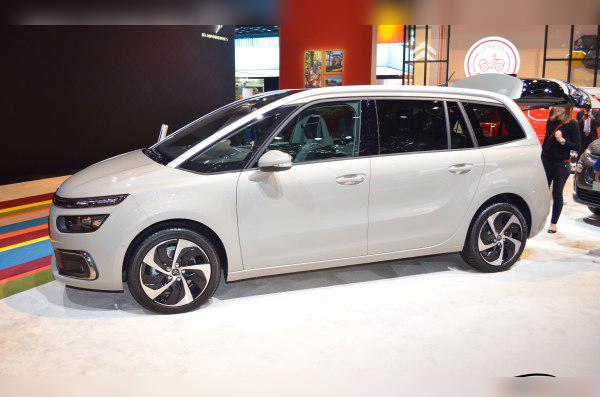
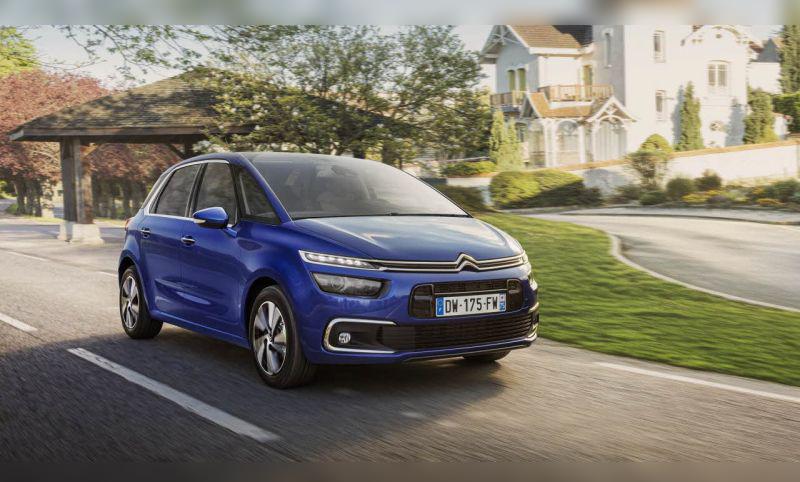
The 1.2 PureTech 131 hp engine (often marked with codes HNY or EB2DTS) is one of the most awarded yet most controversial power units from the PSA (Stellantis) group. Developed as a response to the downsizing trend, this three-cylinder turbo petrol offers the performance of larger engines with theoretically lower fuel consumption. It was fitted to a range of family and SUV vehicles such as the Citroën C4 SpaceTourer (and Grand version), Citroën C4 Picasso, as well as the popular second-generation Peugeot 3008. Although fantastic to drive, its architecture requires a serious and well-informed owner.
Technical specifications
| Engine displacement | 1199 cc |
| Engine power | 96 kW (131 hp) |
| Torque | 230 Nm |
| Engine codes | HNY / EB2DTS |
| Injection type | Direct fuel injection |
| Charging system | Turbocharger + intercooler |
Reliability and maintenance
This engine does not have a timing chain; it uses a timing belt that runs in engine oil. This engineering solution was designed to reduce friction and noise, but in practice it turned out to be its Achilles' heel. The most common and most serious failure on this engine is degradation, i.e. crumbling of that belt. Rubber particles fall off the belt and clog the oil pump strainer in the sump. When that happens, the engine loses oil pressure. Symptoms include the red oil pressure warning light coming on, and often failure of the vacuum pump (which controls the brakes), which can be extremely dangerous while driving.
Because of this issue, the interval for the major service has been drastically reduced. Although factory recommendations used to be over 100,000 km, experienced mechanics strongly advise replacing the timing belt kit every 60,000 to a maximum of 80,000 kilometers (or every 5 years). At every minor service, it is mandatory to visually inspect the condition of the belt through the oil filler cap using a belt-width measuring tool.
The engine holds about 3.5 liters of oil, and the oil grade is crucial. Only oil meeting specification PSA B71 2312 (most often 0W-30) or, in newer series, B71 2010 (0W-20) may be used. Using the wrong oil accelerates belt degradation. As for oil consumption, these engines do tend to use oil. Consumption of 0.1 to 0.2 liters per 1000 km can be tolerated. If the engine consumes more than that, the problem usually lies in stuck piston rings due to carbon buildup, or worn valve stem seals.
Since this is a petrol engine with direct injection, the spark plugs are exposed to enormous stress. They must be replaced every 30,000 to 40,000 kilometers. Worn spark plugs can cause a phenomenon known as LSPI (Low Speed Pre-Ignition) – premature ignition of the mixture that can literally break a piston or destroy the crankshaft.
Specific components (costs)
Due to the high power and torque extracted from only three cylinders, the engine generates strong vibrations. To protect the gearbox and improve comfort, versions with 130+ hp equipped with a manual gearbox have a dual-mass flywheel. Replacing it, together with the clutch kit, is very expensive (depends on market) and represents a significant maintenance cost.
The injection system is direct. Injectors are generally reliable, but the biggest problem with direct injection is carbon buildup on the intake valves, as they are no longer washed by fuel. Symptoms include rough idle, hesitation and loss of power. The solution is periodic cleaning of the intake ports (walnut shell blasting). The high-pressure fuel pump can weaken at higher mileages.
The engine has a single turbocharger with an intercooler. Turbo lifespan is quite good, provided that oil is changed regularly (every 10,000 km) and the oil pump strainer is not clogged with belt debris. If the engine loses lubrication, the turbo is the first to fail, and repair or replacement is quite expensive.
Since this is a petrol engine, it does not have an AdBlue system or a traditional DPF filter typical of diesels. However, newer versions of this engine (since the introduction of stricter Euro 6.2 standards) have a GPF (Gasoline Particulate Filter) that traps fine soot particles. Unlike diesels, GPF regenerates much more easily due to the high exhaust gas temperatures of petrol engines, so it rarely causes problems. A classic EGR valve is often replaced by variable valve timing (VVT), which performs the same function of recirculating exhaust gases.
Fuel consumption and performance
Although small, this engine is paired with fairly large vehicles. Because of that, real-world city fuel consumption for models such as the Citroën Grand SpaceTourer or Peugeot 3008 is between 7.5 and 9.0 liters per 100 km. On open roads and highways, consumption can drop to an impressive 5.5 l/100 km.
As for performance, the engine is far from sluggish in everyday situations. The trick lies in the maximum torque of 230 Nm available from just 1750 rpm. The car pulls strongly right from the start. However, on steep climbs or when the vehicle is fully loaded with passengers and luggage on the motorway, the small displacement (1.2 liters) becomes noticeable at higher speeds.
On the motorway, the car behaves very smoothly. At 130 km/h in top gear (sixth in the manual, or eighth in the automatic), the engine cruises at a relaxed 2600 to 2800 rpm, which keeps cabin noise at a pleasantly low level.
Additional options and modifications
When it comes to LPG conversion, this engine is not the best choice. Due to the direct injection system, expensive and specific sequential LPG systems are required, which must also inject a certain percentage of petrol to cool the petrol injectors located directly in the cylinder. The savings are smaller and the risk of failures higher, so conversion only pays off for extremely high annual mileage.
Regarding software tuning (Stage 1 remap), the engine can safely be pushed to around 150–160 hp and about 280 Nm. However, any additional stress on this unit is not recommended. Increasing turbo pressure and combustion temperatures dramatically raises the risk of LSPI and piston failure. The stock 131 hp is a well-optimized maximum for the reliability of this architecture.
Gearboxes and powertrain
This engine comes with two types of gearboxes: a 6-speed manual and the excellent Japanese Aisin EAT6 or EAT8 automatic (with a traditional torque converter).
Manual gearboxes are generally precise, but can suffer from rapid synchro wear if driven aggressively, which results in grinding when shifting, most often into third gear. As mentioned, replacing the clutch together with the dual-mass flywheel on these models is a costly job (depends on market).
The automatic gearboxes (Aisin) are highly recommended. They are incredibly smooth and robust. The most common issue with the automatic is not mechanical failure, but jerking and harsh engagement when stopping at traffic lights or when shifting from second to first gear. This occurs due to oil degradation in the gearbox and a contaminated valve body.
Gearbox maintenance is crucial. Although PSA claims the gearbox oil is "sealed for life", in practice servicing is essential. For the manual gearbox, it is advisable to drain and refill the oil every 80,000 km. For the automatic, a full fluid exchange (flush) must be done every 60,000 to 80,000 kilometers. This service is of moderate cost (depends on market), but saves thousands of euros on gearbox overhaul.
Buying used and conclusion
If you are buying a used car with the 1.2 PureTech (131 hp) engine, the mandatory checks include the following steps:
- Service history check: If the car has not been regularly serviced and the oil has not been changed with the strictly specified grade – walk away immediately.
- Visual belt inspection: Your mechanic must remove the oil filler cap and check the timing belt for cracks and delamination.
- Diagnostics: Check the ECU memory for stored faults related to oil pressure drop ("oil pressure fault") or braking system errors.
- Cold start: Listen to the engine when cold. It should run smoothly; although it is a three-cylinder, strong shaking indicates problems with carbon buildup on the valves or a worn dual-mass flywheel.
- Exhaust: Bluish smoke from the exhaust under full throttle indicates serious oil consumption.
Conclusion: The 1.2 PureTech 131 hp engine offers a delightful driving experience, spacious cabins in the cars it is fitted to, and perfectly adequate performance. It is ideal for European roads and family use with occasional long trips. However, this is not an engine for owners who neglect their cars. It is intended for drivers who will diligently monitor oil level, perform services strictly on time (or earlier) and proactively maintain the timing belt. If you give it that kind of attention, it will be an extremely comfortable and capable companion.