PSA 1.2 PureTech 110 hp (HNZ EB2DT): Experiences, issues, fuel consumption and used car buying tips
- Timing belt in oil: The biggest weak point of this engine. It requires meticulous maintenance and a shortened timing belt replacement interval to avoid clogging of the oil pump.
- Excellent performance: Thanks to the turbocharger and 205 Nm of torque, the engine is very lively and flexible, even in slightly heavier bodies.
- Specific oil: Using any oil other than the factory-specified one (mainly 0W-30 PSA B71 2312) is a direct path to engine failure.
- Direct injection: Carbon buildup on the intake valves is present, which requires occasional decarbonization.
- No expensive eco-equipment: Because it is a petrol engine, this generation does not have a DPF, complex EGR valves or AdBlue systems that drain your wallet.
- EAT6 automatic gearbox: If you choose an automatic, it is paired with an excellent Aisin gearbox which is extremely reliable if serviced regularly.
Contents
- Introduction
- Technical specifications
- Reliability and maintenance
- Specific parts (costs)
- Fuel consumption and performance
- Additional options and modifications
- Gearbox
- Buying used and conclusion
Introduction
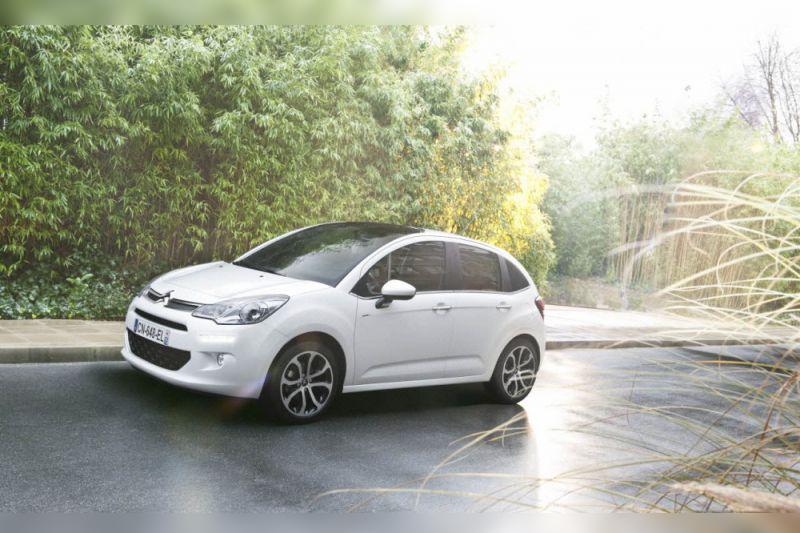
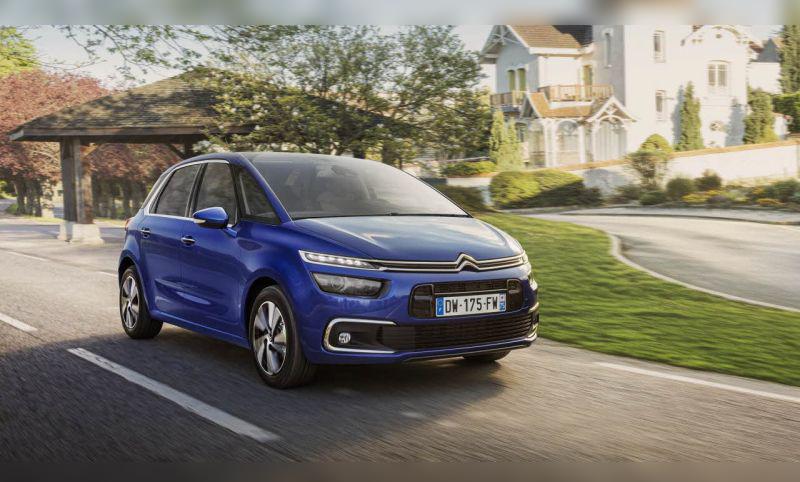
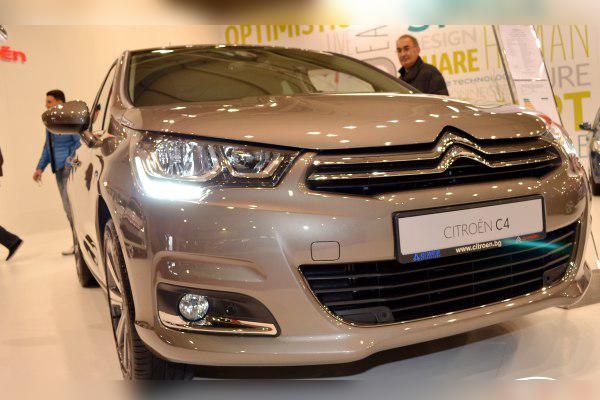
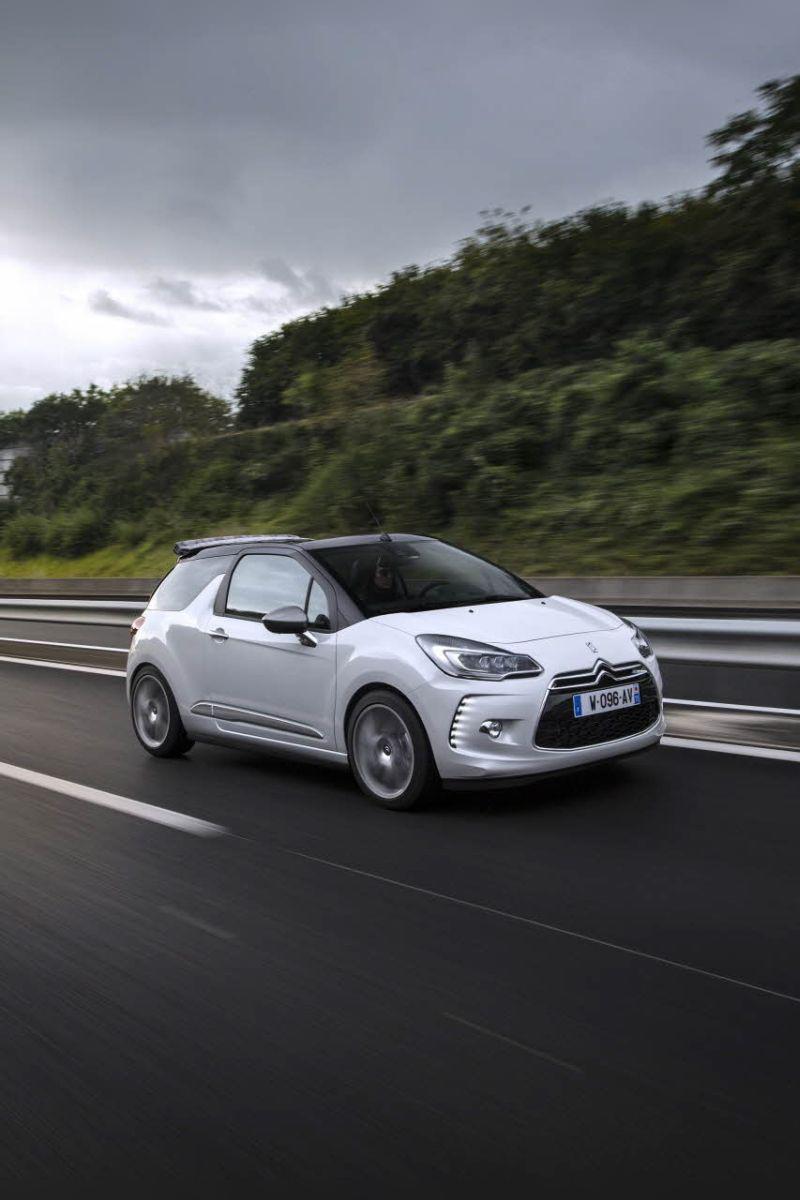
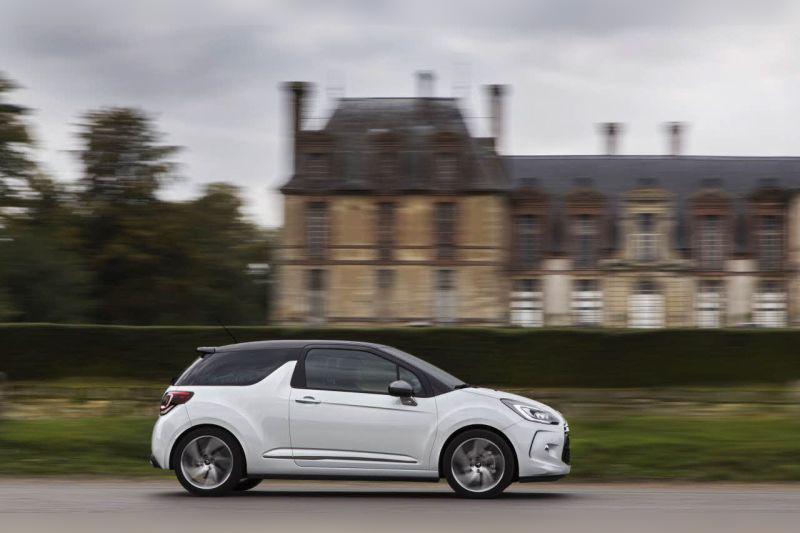
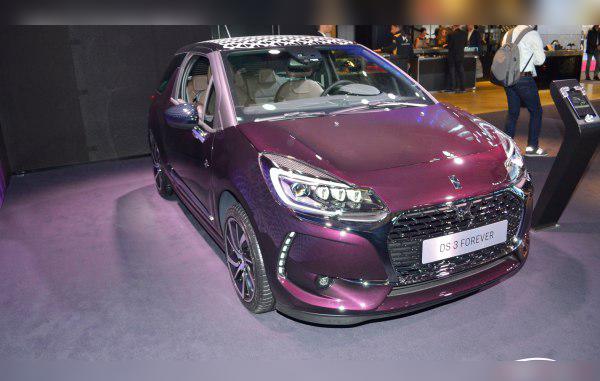
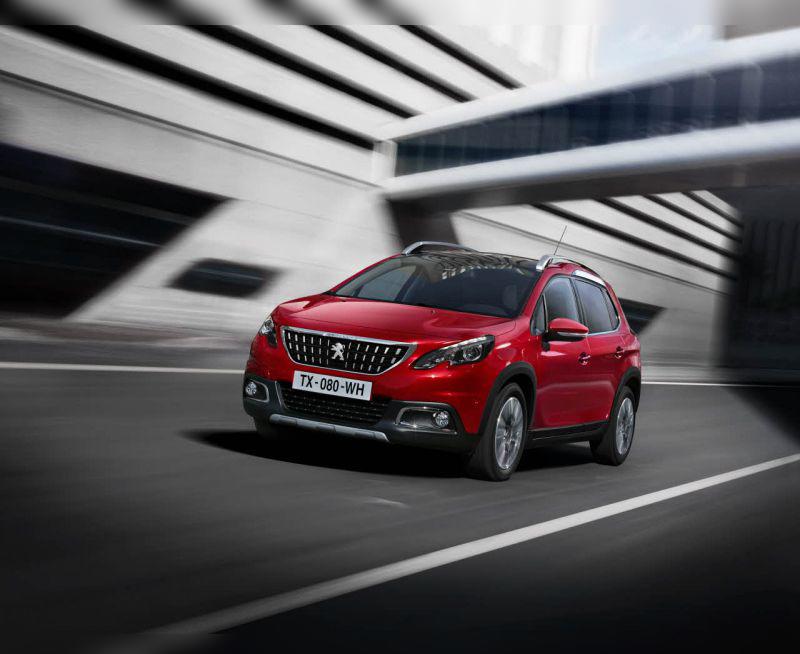
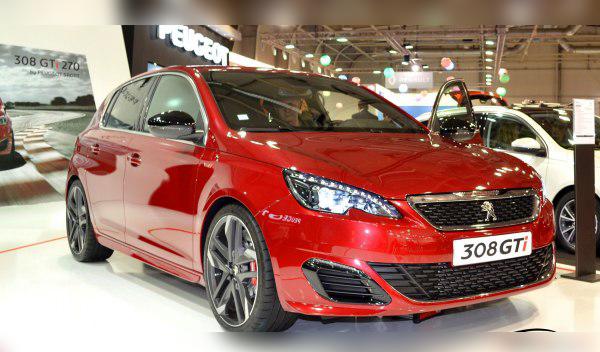
The engine designated as HNZ EB2DT, commercially known as the 1.2 PureTech with 110 hp, is the backbone of PSA group’s petrol lineup from the previous decade. It was installed in a wide range of vehicles, from city runabouts like the Peugeot 208 and Citroën C3, through the attractive DS3, all the way to family models such as the Peugeot 308 and Citroën C4 Picasso. This three-cylinder turbo petrol engine has been repeatedly awarded the “Engine of the Year” title thanks to its excellent balance between performance and fuel consumption. However, behind the glowing press reviews lie several serious engineering solutions that demand a strict maintenance regime from the owner. If you are planning to buy a used car with this engine, it is essential that you understand its quirks, because this is not an engine that tolerates neglect.
Technical specifications
| Parameter | Value |
|---|---|
| Engine name and code | 1.2 PureTech (HNZ / EB2DT) |
| Engine displacement | 1199 cc |
| Engine power | 81 kW (110 hp) |
| Torque | 205 Nm |
| Injection type | Direct petrol injection |
| Aspiration (charging) | Turbocharger with intercooler |
Reliability and maintenance
Timing belt in oil (Wet Belt)
This engine uses a timing belt that runs in engine oil. This engineering solution was introduced to reduce friction and noise, but in practice it is the engine’s biggest weakness. Over time, due to exposure to oil, fuel vapors (especially in city driving) and heat, the belt material starts to crumble. Fibers from the belt fall into the oil pan and clog the oil pump strainer. Symptoms include the oil pressure warning light coming on and problems with the vacuum pump (the brake pedal suddenly becomes hard). If ignored, this leads to complete loss of lubrication and engine seizure, as well as turbocharger damage.
Most common failures
Besides the belt issue, owners most often encounter carbon buildup on the intake valves. Since the engine has direct injection, fuel does not wash the valves. Symptoms are rough idle, loss of power and increased fuel consumption. Also, due to carbon buildup and poor-quality oil, the LSPI (Low Speed Pre-Ignition) phenomenon can occur – premature ignition of the mixture at low rpm, which can damage pistons and rings. Ignition coils are quite durable, but sensitive to prolonged use of worn spark plugs.
Major and minor service
Although the manufacturer initially specified a timing belt replacement interval of an optimistic 160,000 km or 10 years, in practice this proved disastrous. The recommendation of every experienced mechanic is to perform the major service no later than at 60,000 to 80,000 km, or every 5 to 6 years. The cost of a major service ranges from 300 to 500 EUR (depending on the market). Minor service should strictly be done every 10,000 to 15,000 km, never at 30,000 km as allowed by the onboard computer.
Oil and oil consumption
The engine takes about 3.5 liters of oil. The grade is absolutely critical: you must use 0W-30 that meets the PSA B71 2312 standard (or the newer 0W-20 B71 2010 for certain markets; always check by VIN). Oil of the wrong specification will literally “eat” the timing belt. As for oil consumption, the acceptable working minimum is up to 0.2 liters per 1000 km. However, if the engine consumes more than that, it is a clear sign that the oil control rings are stuck due to carbon buildup or that the turbocharger is leaking oil. Repairing the rings is extremely expensive and requires opening the engine.
Spark plug replacement
In this high-pressure turbo petrol engine, spark plugs are heavily stressed. It is recommended to replace the spark plugs (iridium only) every 40,000 to 50,000 kilometers. If the interval is extended, the driver may feel hesitation during acceleration, and ignition coils may fail.
Specific parts (costs)
Dual-mass flywheel
This engine model most often comes paired with a five-speed manual gearbox (BVM5) and in that configuration it usually does not have a dual-mass flywheel, but a classic solid flywheel with a clutch disc that has springs to dampen vibrations. This significantly reduces maintenance costs. Versions with the automatic gearbox (EAT6) do not have a conventional clutch but a hydraulic torque converter. (Note: The more powerful 130 hp version with 6 speeds often has a dual-mass flywheel, but for the 110 hp model this is not standard.)
Fuel injection system
The engine features high-pressure direct fuel injection. The injectors are precise and generally reliable, but very sensitive to dirty fuel. The most common issue is not mechanical failure of the injector itself, but fouling of its tip with carbon, which alters the spray pattern. Cleaning in an ultrasonic bath often solves the problem, but a new injector is very expensive. Therefore, regular fuel filter replacement and using quality petrol are imperative.
Turbocharger
A small and efficient BorgWarner turbocharger is fitted. Its lifespan is closely tied to regular oil changes. If the oil pump strainer gets clogged (by timing belt fibers), the turbo is the first to fail due to lack of lubrication. Symptoms include a characteristic whistling noise, blue smoke from the exhaust and loss of power. Turbocharger overhaul costs from 250 to 450 EUR (depending on the market).
DPF, EGR and AdBlue
Since this is an older-generation petrol engine, it does not have a DPF filter (the GPF/OPF particulate filter for petrol engines was only introduced after 2018 with newer Euro 6d-TEMP standards). It also does not have an AdBlue system, which is a huge advantage in terms of maintenance compared to modern diesels. There is no conventional EGR valve that would get clogged; exhaust gas recirculation is controlled by variable valve timing (VVT) through valve overlap.
Fuel consumption and performance
Real-world fuel consumption
In city driving conditions, the engine consumes between 6.5 and 8 l/100 km, depending on how heavy your right foot is and the type of gearbox (the automatic adds about 0.5 l). On open roads and highways it can be extremely economical at around 4.5 to 5 l/100 km.
Performance and acceleration
Is the engine “lazy”? Absolutely not! With its 205 Nm of torque available from as low as 1500 rpm, this engine behaves like a diesel. It carries bodies like the Peugeot 208 or Citroën C3 Cactus with ease, and copes quite well even in the larger Peugeot 308. The turbocharger provides excellent in-gear acceleration without the need for constant downshifting.
Behavior on the motorway
On the motorway, at 130 km/h, the engine is not too noisy despite having three cylinders. With the five-speed manual gearbox, revs are somewhat higher (around 2800–3000 rpm), while with the EAT6 automatic the situation is much more relaxed. It cruises smoothly, and fuel consumption at that speed is about 6 to 6.5 l/100 km.
Additional options and modifications
LPG conversion
Given that the HNZ EB2DT has high-pressure direct fuel injection, LPG conversion is technically complex and expensive. Specialized LPG systems are required that operate on liquid phase injection, or systems that constantly use a certain percentage of petrol to cool the petrol injectors (so they do not burn out in the cylinder head). Investment in such a system costs from 800 to 1200 EUR (depending on the market) and usually does not pay off unless you cover very high mileages.
Chiptuning (Stage 1 remap)
The engine responds very well to software modifications (Stage 1). Power can be easily and safely raised from 110 hp to 130 to 135 hp, while torque increases from 205 Nm to around 240 Nm. However, keep in mind that higher power creates higher temperatures in the cylinders, which requires perfectly functioning spark plugs and top-quality oil to avoid the previously mentioned LSPI phenomenon and cracked pistons.
Gearbox
Types of gearboxes and failures
There are two basic gearbox options with this engine:
1. Five-speed manual gearbox (BVM5): This gearbox is known for its somewhat rubbery, imprecise shift feel – typical of older PSA models. Mechanically it is reliable, but over time the synchros in second and third gear can wear out if shifted aggressively.
2. Six-speed automatic gearbox (EAT6 - Aisin): A real gem. It is a conventional hydraulic automatic from a Japanese manufacturer. Failures are extremely rare, gear changes are very smooth, and the only thing that can shorten its life is improper maintenance.
Clutch replacement cost
Given the absence of a dual-mass flywheel with the BVM5 manual gearbox, the cost of replacing the complete clutch kit (pressure plate, disc, release bearing) ranges from 150 to 250 EUR, excluding labor (depending on the market). This is considered quite affordable, and a relatively inexpensive job on a modern car.
Gearbox maintenance
For the manual gearbox, it is recommended to change the oil every 80,000 to 100,000 km, which greatly improves gear engagement at low temperatures (in winter). For the EAT6 automatic, the manufacturer often states that the gearbox is “sealed for life”, which experienced mechanics strongly disagree with. The oil in the automatic must be changed every 60,000 to 80,000 km. Usually a partial oil change (“refresh”) is performed, because machine flushing under pressure on neglected gearboxes can stir up sludge and destroy the valve body.
Buying used and conclusion
What to check before buying?
When buying a used car with the 1.2 PureTech 110 engine, focus most of your attention on the service history and the following details:
- Visual inspection of the belt: When you open the oil filler cap, you can see the timing belt with the help of a flashlight. If you notice cracks, threads or a rough surface on the back of the belt, the car immediately requires a major service and removal of the oil pan to check the oil pump strainer.
- Noises while running: The engine should have an even, “purring” three-cylinder sound. Loud ticking or rattling when you blip the throttle may indicate problems with hydraulic lifters, a worn belt or severe carbon buildup.
- Service history: Look only at cars where the owner can prove that the specified 0W-30 (or 0W-20) oil was used at intervals of no more than 15,000 km. Avoid imported cars without a service book.
- Blue or black smoke: If the car emits blue smoke when you accelerate (especially after idling for a longer time), this indicates worn rings or a damaged turbo. Black smoke under full throttle points to heavy carbon buildup.
Conclusion: Who is this engine for?
The PSA 1.2 PureTech 110 hp (HNZ EB2DT) is a brilliant engine to drive. Thanks to its low weight and 205 Nm of torque, it offers a great feel behind the wheel and economical fuel consumption, making it excellent for urban environments and occasional motorway trips. However, it requires a meticulous owner. The timing belt in oil is a design flaw you simply have to accept. If you are not the type of person who strictly adheres to service intervals and the exact oil specification your mechanic pours into the engine, skip this model. But if you find a well-kept example with a clear service history and schedule a major service immediately after purchase, this engine will serve you faithfully and with a high dose of driving pleasure.