Engine KFU ET3J4 (1.4i 16V 88 hp): Experiences, problems, fuel consumption and used-car buying tips
- Reliable and simple naturally aspirated petrol engine, perfect for predominantly city driving in smaller cars.
- No expensive components such as a dual-mass flywheel, DPF filter, AdBlue system or turbocharger.
- Oil consumption and leaking head gasket are the most common mechanical issues.
- In heavier vehicles (Peugeot 307, Citroën C4) the engine is quite sluggish and uses more fuel.
- Gearboxes: Avoid the robotised SensoDrive and the old AL4 automatic, the best and safest choice is the manual gearbox.
- Ideal for LPG conversion, which significantly reduces running costs.
Contents
- Introduction: About the engine and where it was installed
- Technical specifications
- Reliability and maintenance
- Specific parts and costs
- Fuel consumption and performance
- Additional options and modifications
- Gearbox: Which one to choose and which to avoid?
- Buying used and conclusion
Introduction: About the engine and where it was installed
When talking about the PSA group (Peugeot and Citroën) from the first decade of the 2000s, the code KFU, better known as ET3J4, represents one of the most widely used small-displacement petrol engines. It is an evolution of the well-known and robust TU3 engine. Unlike the old 8-valve unit, the ET3J4 brings a 16-valve (16V) head and variable valve timing, which increased the power output from 75 to 88 hp (65 kW).
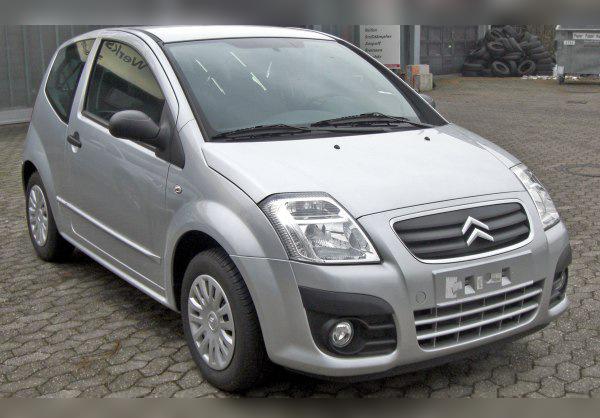
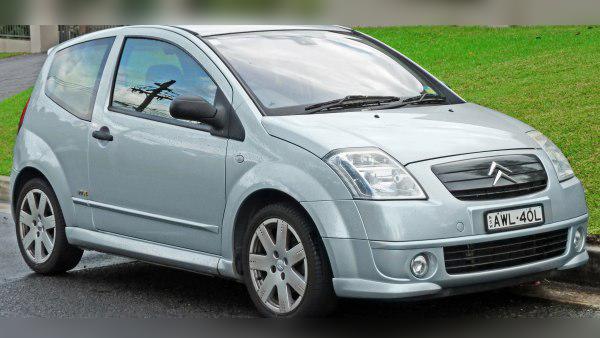
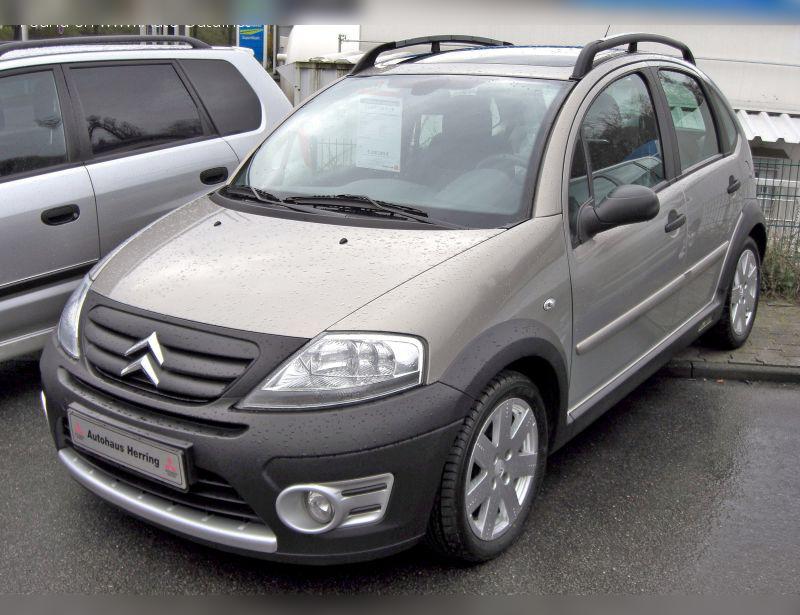
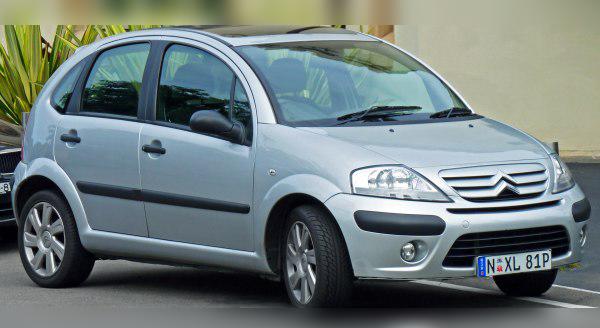
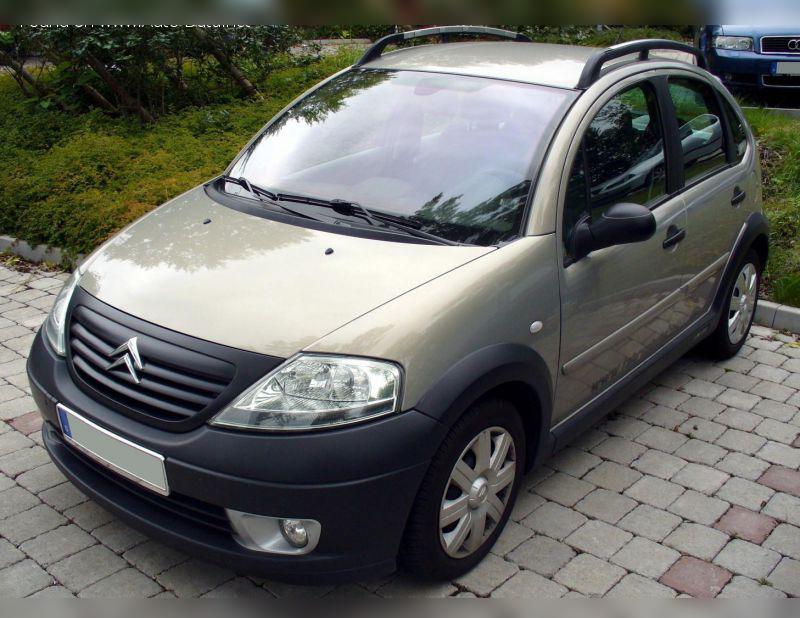
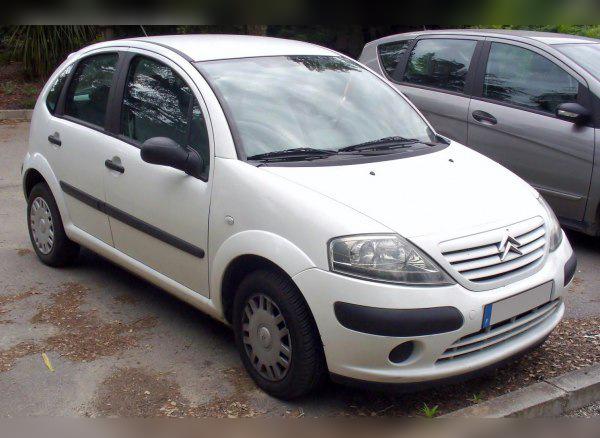
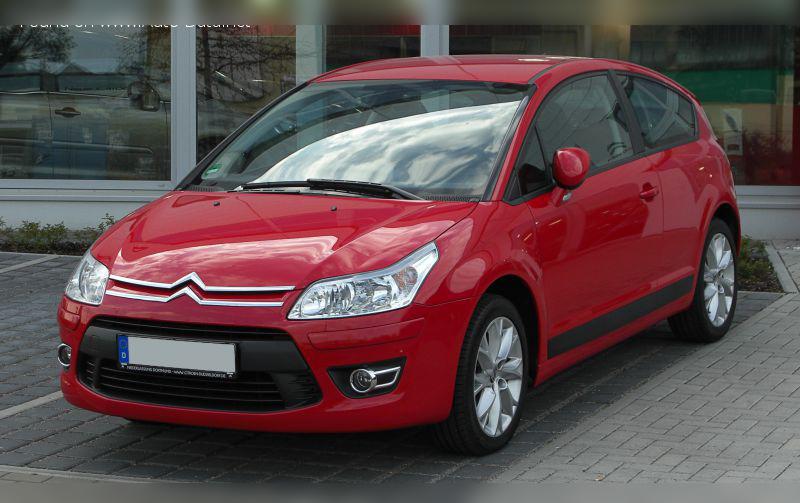
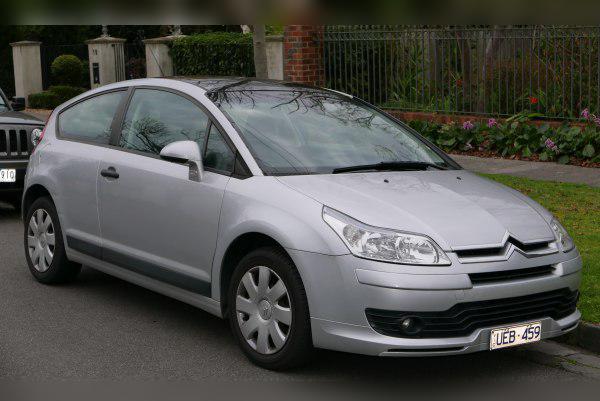
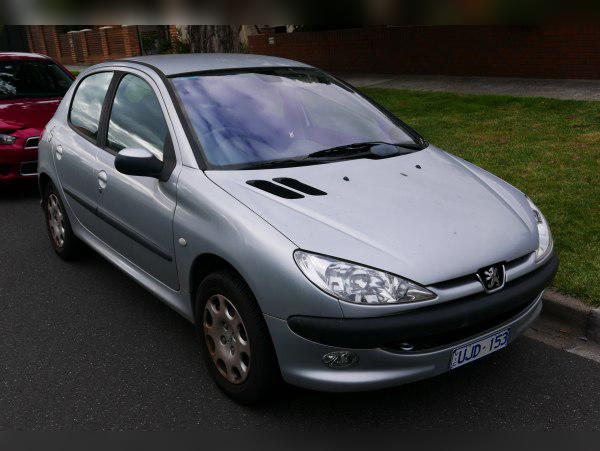
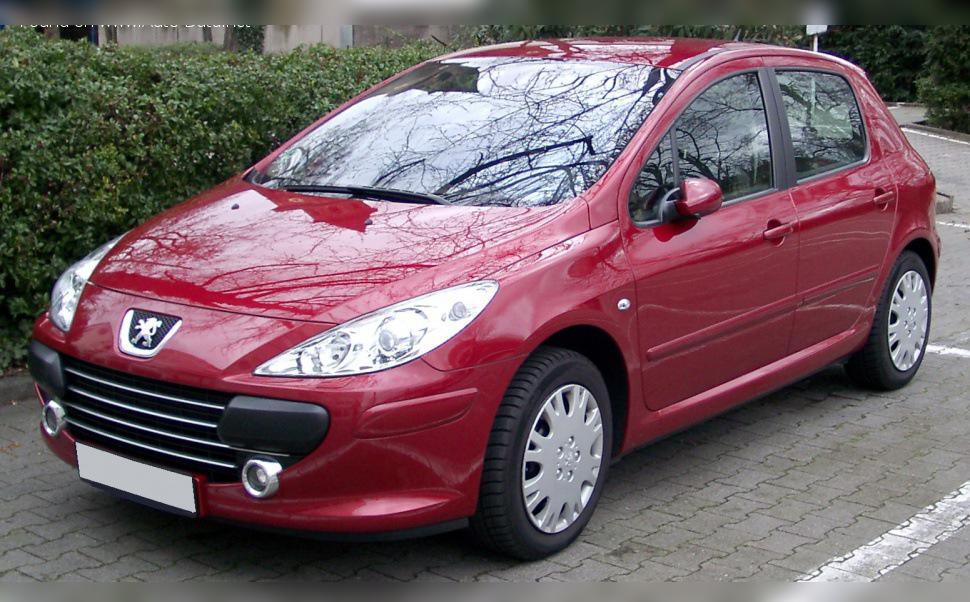
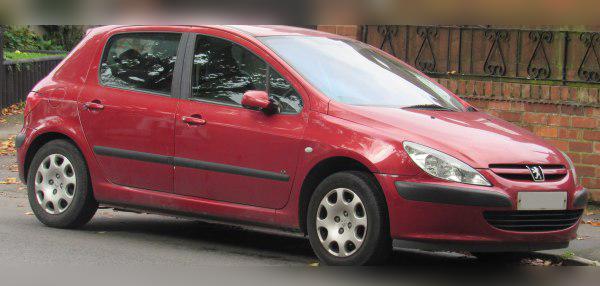
This engine was installed in an extremely wide range of vehicles. For Citroën, these were mainly small city runabouts: C2 and C3 (first generation, including X-TR and Start/Stop SensoDrive versions), but also the compact first-generation C4 (Coupe and Hatchback). For Peugeot, the heart of the ET3J4 beats under the bonnet of bestsellers such as the Peugeot 206 (facelift models from 2003 onwards) and heavier models like the Peugeot 307 (after the 2005 facelift). The engine is extremely important on the used-car market because it represents that “golden middle ground” for drivers who want a petrol engine that is cheap to register and maintain, without the complexity of modern diesels.
Technical specifications
| Specification | Data |
|---|---|
| Displacement | 1361 cc |
| Power | 65 kW (88 hp) |
| Torque | 133 Nm |
| Engine codes | KFU (ET3J4) |
| Injection type | Multipoint indirect injection (MPI) |
| Aspiration | Naturally aspirated (no turbo) |
Reliability and maintenance
This engine uses a timing belt for cam drive. Although the factory replacement interval for some models goes beyond 100,000 km, real-world practice and experience show that the major service (replacement of timing belt, tensioner, idler pulleys and water pump) should be done at 80,000 to 90,000 km, or every 5 to 6 years, whichever comes first. A snapped belt leads to contact between valves and pistons, which requires opening the engine and incurs high costs. The price of the major service is not high (depends on the market).
As for engine oil, this unit takes around 3 to 3.2 litres of oil, and the grade recommended by PSA is synthetic 5W-40 (Total Quartz is the factory recommendation). One of the most common questions owners ask is whether this engine consumes oil between services. The answer is: Yes, it often does. Consumption of up to 0.2–0.3 litres per 1000 km is considered normal, but on engines with more than 150,000 km, that figure can suddenly increase. The main culprit is worn valve stem seals which harden and let oil into the combustion chamber. Fortunately, replacing the seals is not excessively expensive, but it should not be postponed in order to avoid damaging the spark plugs and catalytic converter.
The most common faults on the KFU engine are closely related to sealing. Oil leaks from the valve cover gasket and cylinder head gasket are a classic PSA issue. In addition, the ignition coil pack can cause problems, which manifests itself as rough idling, “stumbling” when you press the accelerator and the “Check Engine” light coming on. Since this is a petrol engine, maintenance of the ignition system is essential – spark plugs should be replaced every 40,000 to 60,000 km to keep combustion optimal and to protect the coil pack.
Specific parts and costs
One of the biggest advantages of buying a Peugeot or Citroën with this 1.4 engine is precisely the absence of expensive components. This engine does NOT have a dual-mass flywheel, but uses a conventional solid flywheel, which makes clutch kit replacement quite affordable (Clutch kit is not expensive, depends on the market).
The fuel injection system is a classic multipoint (MPI), which means there is one petrol injector per cylinder in the intake manifold. These injectors are extremely durable and rarely fail; you won’t be facing the eye-watering bills typical of diesels. If they do get clogged due to poor-quality fuel, ultrasonic injector cleaning solves the problem easily and cheaply.
Since this is a naturally aspirated engine, it does not have a turbocharger (neither one nor two). There is no complex boost pressure system, turbo cooling, or potentially huge turbo rebuild costs. In terms of emissions equipment, as an older-generation petrol engine, this unit has no DPF filter and no AdBlue system. That means there is no AdBlue pump to fail, no tank with heaters, and no risk of DPF clogging in city driving. The EGR valve (exhaust gas recirculation valve) on many variants of this engine practically does not exist in the classic form that gets dirty and sticks, because the engine uses variable valve timing to achieve internal recirculation. The only things that can get dirty are the throttle body or the crankcase ventilation system (breather), which can be sorted with simple and inexpensive cleaning.
Fuel consumption and performance
When talking about fuel consumption and performance, it is essential to distinguish which car the ET3J4 is installed in. In small and light vehicles (C2, C3, Peugeot 206), this engine is quite lively to drive and not sluggish at all. However, if you choose this engine in a Peugeot 307 or Citroën C4, be prepared for disappointment in terms of performance. The weight of these vehicles (which exceed 1200+ kg empty) “swallows” the 133 Nm of torque. When overtaking you will have to downshift aggressively to get the most out of the engine.
Real-world city fuel consumption is around 8 to 8.5 litres per 100 km for the C2/C3/206. For the heavier C4 and 307, in stop‑and‑go traffic, consumption easily goes to 9.5 to 10 l/100 km, especially with the air conditioning on.
On the motorway the situation is not ideal. The gearbox has fairly short ratios, so at a cruising speed of 130 km/h the engine runs at a very high 3800 to 4000 rpm. This results in increased cabin noise and fuel consumption of over 7.5 litres per 100 km on the motorway. It is not designed for multi‑hour high‑speed motorway runs; it is at its best in the city and on secondary roads.
Additional options and modifications
For drivers who want to cut fuel costs to a minimum, the good news is that this engine is absolutely suitable for a sequential LPG system. The MPI system allows easy and affordable LPG installation (installation cost varies, but is not high), and the 16‑valve cylinder head handles LPG combustion temperatures very well. The only thing to watch is regular valve clearance checks and adjustment by a mechanic every few tens of thousands of kilometres, if the system does not have hydraulic tappets (which depends on the exact ET3J4 series/year).
On the other hand, for those who would like more power, Stage 1 chip tuning on this engine is a complete waste of money. Since this is a small‑displacement naturally aspirated petrol engine, remapping the ECU can extract at most 5 to 7 hp and maybe 10 Nm, which you will not really feel in everyday driving. Your money is better spent on quality tyres or refreshing the suspension.
Gearbox: Which one to choose and which to avoid?
The ET3J4 engine came with three basic types of transmission, and the choice of gearbox has a huge impact on your experience with these cars.
1. Manual gearbox (MA5 series): This is by far the most common and best choice. It has 5 gears and no dual‑mass flywheel. The clutch is light, the gearshift is slightly vague (typical French feel from that era), but it is relatively reliable. The most common failures on the manual gearbox are whining and wear of the input shaft bearings, as well as difficulty engaging first gear or reverse due to worn synchros. Mechanics often overlook the gearbox oil, but it should be changed every 60,000 to 80,000 km to extend the life of the bearings.
2. SensoDrive (robotised manual): Often fitted in the C2 and C3. Basically it is a mechanical gearbox where a computer‑controlled actuator operates the clutch and shifts instead of the driver. This should be avoided. The driving experience is jerky (it lurches when changing gears), and the clutch actuators and electronics are extremely failure‑prone. Calibration work, replacement of the clutch electric motor and the robot are very expensive and require highly specialised mechanics. Note: The SensoDrive Stop/Start version in the Citroën C2/C3 uses a so‑called “reversible alternator” (an alternator that also acts as a starter for frequent city stop‑start). This part is extremely expensive to replace when it fails.
3. Automatic gearbox (AL4): Four‑speed torque‑converter automatic. An infamous gearbox within the PSA group. The most common failures include harsh shifts and jolts when changing from 1st to 2nd gear when cold, and going into “Safe mode” (locked in 3rd gear), all due to poor solenoids (electromagnetic valves) responsible for oil pressure in the valve body. Repairs are expensive (depends on the market, but expect them to be very costly). If you are forced to go for this automatic, the oil must be refreshed every 40,000 to 60,000 km despite the old manufacturer claims of “lifetime” oil.
Buying used and conclusion
When you go to inspect a used car with the ET3J4 engine, your primary focus must be on the condition of the engine bay and fluids.
- Be sure to take a flashlight and inspect the joint between the block and the cylinder head (especially on the passenger side). Oil leaks here are a sure sign that the head gasket has failed.
- Unscrew the oil filler cap: If you see thick white sludge (mayonnaise‑like emulsion) and the car is used on normal journeys, this is a red flag that oil and coolant are mixing.
- Start the engine cold. It should run smoothly. If it shakes, sounds like a “tractor” running on 3 cylinders, the usual culprits are the spark plugs, coil pack (around 50–80 EUR), and in the worst case low compression due to poor maintenance.
- Check whether it emits blue smoke from the exhaust when you rev it after idling for a few minutes (a sign that the valve stem seals are bad and it is burning oil).
Who is this engine for?
The 1.4 16V KFU engine is ideal for city drivers, young drivers, and those looking for a simple car without expensive DPF, turbo and AdBlue failures. In a C2, C3 or 206 body, it is an excellent recommendation. If you are looking for a more comfortable and larger car (Peugeot 307 or C4) for regular trips or long distances, it is better to avoid this engine – it will be underpowered, noisy at higher speeds and disproportionately thirsty. If you do go for it, make sure you choose one with a manual gearbox, install a quality LPG system and you will have an extremely cheap car for getting from point A to point B.