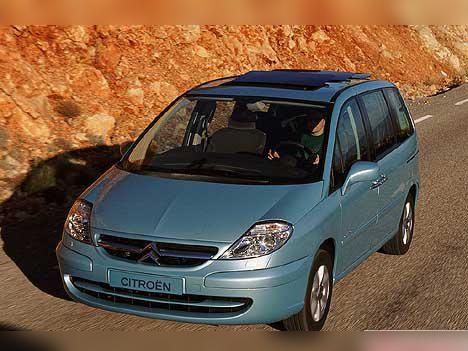
PSA 2.0 16V (RFJ EW10A): Experiences, problems, fuel consumption and used car buying guide
Key points (TL;DR)
- Old-school engine: Classic naturally aspirated petrol engine with MPI injection, extremely resistant to poor fuel quality and harsh operating conditions.
- Cheap to maintain: No turbocharger, no dual-mass flywheel (in most cases), no DPF or AdBlue system.
- Excellent for LPG: Thanks to indirect injection, LPG installation is simple, not expensive (Depends on the market) and saves a huge amount of money in the long run.
- High fuel consumption: In heavy bodies (C8, C4 Picasso) city consumption easily exceeds 12 l/100 km.
- Automatic gearbox issues: Avoid the notorious 4-speed AL4 automatic; the EGS automated manual requires getting used to and regular adaptations.
- Oil consumption: At higher mileage you can expect increased oil consumption due to worn valve stem seals.
Contents
- Introduction: Old-school French engineering
- Technical specifications
- Reliability and maintenance
- Specific parts and electronics
- Fuel consumption and performance
- Additional options and modifications
- Gearbox and drivetrain
- Buying used and conclusion
Introduction: Old-school French engineering
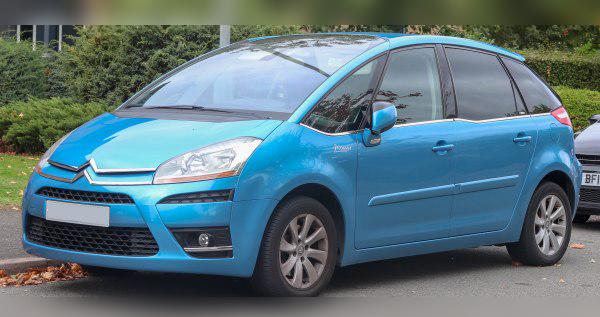
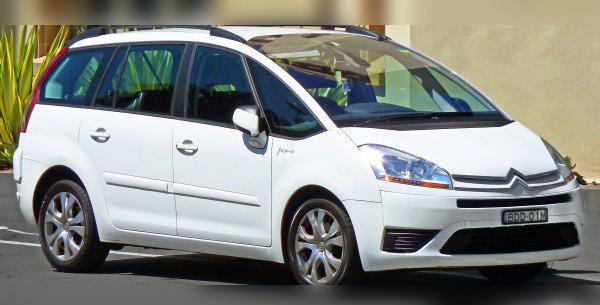
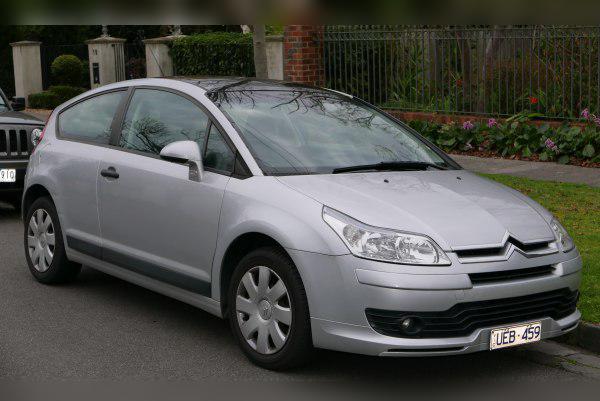
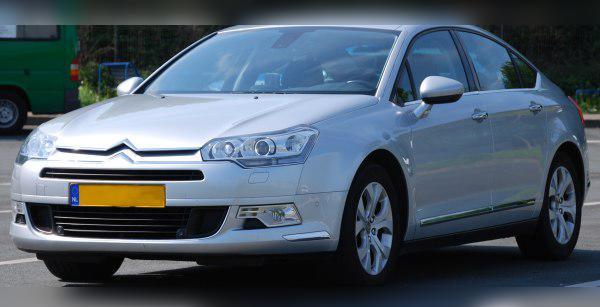
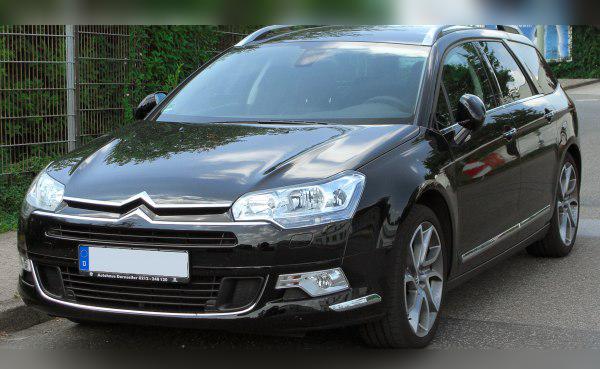
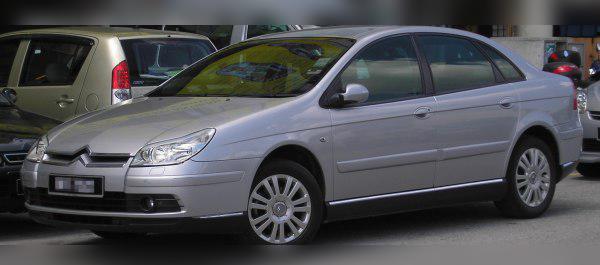
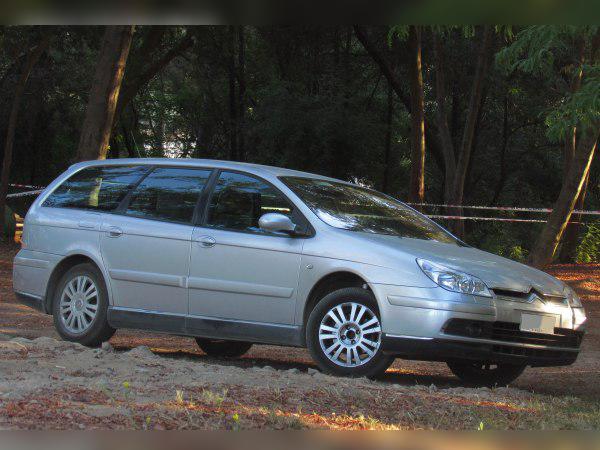
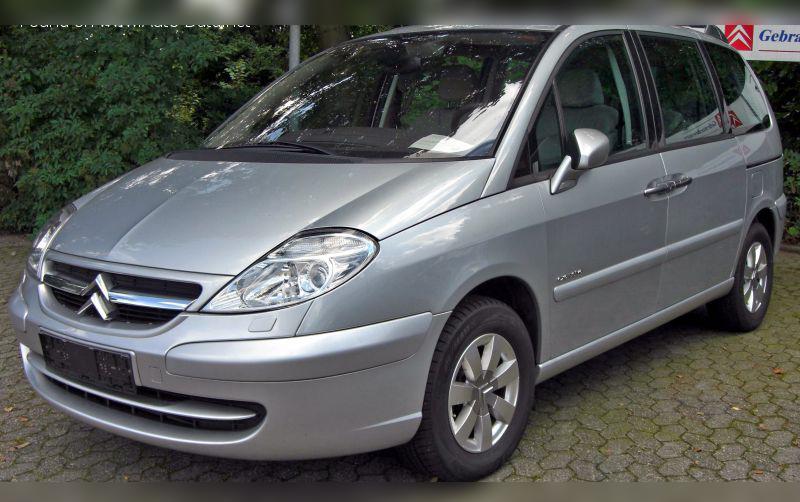
The engine with the code RFJ (EW10A family) represents the pinnacle of the PSA group when it comes to naturally aspirated 2.0 petrol engines before the era of mass “downsizing” and turbochargers (the famous but problematic THP engines). This unit was installed in almost the entire Citroën range in the mid-2000s – from the compact C4 and the C5 sedan, all the way to family cruisers like the C4 Picasso and the C8 MPV.
Why is this engine important today? In a sea of used cars with complex diesel systems and sensitive small turbo-petrol engines, the EW10A offers peace of mind. It’s an engine where there isn’t much that can go wrong, but it does come with the downside of higher fuel consumption and weaker elasticity compared to modern units.
Technical specifications
| Parameter | Value |
|---|---|
| Displacement | 1997 cc |
| Power | 103 kW (140 hp) at 6000 rpm |
| Torque | 200 Nm at 4000 rpm |
| Engine code | RFJ (EW10A) |
| Injection type | Multi-Point Injection (MPI - indirect) |
| Aspiration | Naturally aspirated engine |
| Fuel type | Petrol (Gasoline) / Supports Bioflex (E85) in specific versions |
Reliability and maintenance
This engine uses a classic timing belt rather than a chain. That’s actually good news, because French chain-driven engines from that period were known to cause headaches. The major service (replacement of the timing belt, tensioner, idler pulleys and water pump) is officially scheduled at 120,000 km, but experienced mechanics recommend shortening that interval to 80,000 to 100,000 km or every 5 years to avoid catastrophic belt failure that would destroy valves and pistons. The cost of the major service is not high (Depends on the market).
Most common failures and symptoms
The main issues on the EW10A are mostly peripheral:
- VVT actuator (Variable valve timing solenoid): The engine sounds like a diesel at the first cold start (metallic rattling). If ignored, the car may lose power and trigger the “Check Engine” light. The failure is most often caused by irregular oil changes.
- Ignition coils: The coil pack can fail. The driver will notice jerking under acceleration, the engine running on three cylinders and loss of power with the warning light on.
- Oil leak from the valve cover gasket: A very common flaw. You’ll notice the smell of burning oil in the cabin because oil drips directly onto the hot exhaust manifold. Fortunately, replacing the gasket is very cheap (Depends on the market).
- Dirty throttle body: The engine speed fluctuates at idle or the car stalls when you press the clutch approaching a traffic light. This is solved by simply cleaning the throttle body.
Oil and spark plugs
The engine takes about 4.25 liters of oil. The manufacturer recommends 5W-40 or 5W-30. It’s very important to use quality synthetic oil to protect the hydraulic tappets (if you use thick or poor-quality oil, you’ll hear them “ticking” at idle). Oil should be changed every 10,000 to 15,000 km.
Does it burn oil? Yes, especially in later years of use. Due to high operating temperatures, the valve stem seals harden over time and the piston rings lose elasticity. Consumption of 0.3 to 0.5 liters per 1000 km on used cars with over 200,000 km is considered normal. If it burns more than that (and emits bluish smoke from the exhaust when revved), it’s time to open the cylinder head and replace the seals.
As for spark plugs, since this is a petrol engine, replacement is recommended every 40,000 to 60,000 km. Delaying this directly leads to coil pack failure.
Specific parts and electronics
Unlike modern diesels, the EW10A is a “mechanic’s dream”.
- Dual-mass flywheel: The engine does not have a dual-mass flywheel (it uses a classic solid flywheel) on almost all versions with manual and automated (EGS) gearboxes. This drastically reduces maintenance costs.
- Injectors and fuel system: It uses a classic indirect MPI injection system. The injectors are very robust and rarely cause problems. If they do get dirty due to poor fuel, ultrasonic cleaning is cheap (Depends on the market). There are no expensive high-pressure pumps.
- Turbocharger, DPF and AdBlue: These systems do not exist on this engine. Consequently, there are no costs for turbo overhauls, DPF removal or issues with the AdBlue pump.
- EGR valve: Although the engine has an exhaust gas recirculation system and an air pump for “cold start” to meet emission standards, it doesn’t clog with soot like on diesel engines. Problems are rare and are usually solved by software deactivation or cleaning if a vacuum hose cracks.
Fuel consumption and performance
This is where the RFJ engine shows its age and conceptual drawbacks.
Fuel consumption: If you run this engine in a lighter C4 hatchback, city consumption is around 9 to 10 l/100 km. However, in bodies such as the C8, C5 Tourer (estate) or C4 Grand Picasso, due to the vehicle’s weight, the engine struggles. Real-world city consumption in these heavyweights is between 11 and 13 l/100 km, and in winter with an automatic gearbox it can reach 14 l/100 km.
Performance: Is it “lazy”? With a maximum torque of only 200 Nm (available as high as 4000 rpm), in heavy vehicles (over 1.5 tons) the engine feels weak at low revs. To accelerate, you have to rev it high, which directly increases cabin noise and fuel consumption. In the C4 Coupé, on the other hand, it is quite adequate and lively.
On the motorway: At 130 km/h, the version with the 5-speed manual “cruises” at a relatively high 3600 to 3800 rpm. Because of this, engine noise in the cabin is noticeable, and motorway consumption is around 7.5 to 8.5 l/100 km.
Additional options and modifications
LPG conversion: This is by far the biggest advantage of this engine. Thanks to indirect MPI injection, installing a sequential LPG system is simple, not expensive (Depends on the market) and in practice the engine runs fantastically on gas. The valves are durable and, with a properly mapped LPG system, you won’t even feel a difference in performance. Because of the high factory fuel consumption, LPG conversion pays off very quickly.
Remapping (Stage 1): Since this is a naturally aspirated petrol engine without a turbo, remapping is a waste of money. By modifying ignition and fuel maps you can gain at most 8 to 10 hp, which the driver will not really feel in practice. This engine is best left in stock form.
Gearbox and drivetrain
This is an area that requires great attention when buying, because completely different types of transmissions were paired with this engine.
- Manual gearbox (5-speed - BE4): Very reliable, but sometimes vague and “rubbery” when shifting, which is typical of French cars from that era. The gearbox oil should be changed every 80,000 km (it takes about 2 liters). The clutch is usually without a dual-mass flywheel, so a complete clutch kit (pressure plate, disc, release bearing) is very affordable (Depends on the market).
- Automatic gearbox (AL4 / DP0 - 4-speed): This gearbox is the weakest point of the whole car. The old-fashioned 4-speed automatic further strangles the engine and increases fuel consumption. The most common failures include faulty solenoids in the valve body, oil overheating and harsh shifts between 1st and 2nd gear. If the car goes into “Safe mode” while shifting, you’re looking at a very expensive valve body overhaul (Depends on the market). A partial oil change every 40,000 to 60,000 km is mandatory.
- EGS / BMP6 gearbox (6-speed - automated manual): Often fitted in the C4 Picasso. Many confuse it with a conventional automatic, but it is actually a manual gearbox where electronics (a robot) change gears and operate the clutch instead of you. Driving is often jerky (especially between first and second gear in the city). Failures include actuator (robot) failure for the clutch and the hydraulic release bearing. It uses a standard solid flywheel and clutch disc, but due to specific calibration, whenever the clutch is replaced a software “adaptation” of the gearbox via diagnostics is required. Regularly change the oil in the robot unit and in the gearbox itself every 60,000 km.
Buying used and conclusion
When you go to inspect a used car with the 2.0 16V EW10A engine, pay attention to the following:
- Cold start: Insist that the engine is completely cold. Listen whether it rattles like a diesel in the first 5 seconds (sign of a worn VVT actuator).
- Idle sound: The sound should be even. Ticking from the top of the engine indicates worn hydraulic tappets or oil that has lost its viscosity.
- Exhaust and smoke: Have someone sit in the car and rev it up to 4000 rpm. If it emits blue smoke, the engine is already heavily burning oil through the valve stem seals or piston rings.
- Diagnostics (Lexia / DiagBox): Always check engine operating parameters and gearbox fault codes, especially if you’re buying an EGS or AL4 automatic. The entire behaviour of the gearbox can be seen in the oil pressure parameters.
Who is this engine for?
This engine is ideal for families and drivers who want cheap maintenance, don’t mind LPG installation, and hate expensive repairs that come with modern diesels. It’s not for aggressive drivers, because it lacks punch at low revs. If you’re buying a C5 or C8, accept the fact that the car won’t be a sports car and make sure you look for a version with a manual gearbox, as this is the only way to avoid the one truly expensive and problematic component on this vehicle. With regular maintenance, good oil and timely replacement of the timing components, this unit can easily cover 400,000 kilometres.