RFN EW10J4 2.0 16V Engine (136 hp): Experiences, Problems, Fuel Consumption and Used Car Buying Tips
- Reliable and long-lasting: Old-school naturally aspirated petrol engine without overly complicated electronics.
- Excellent for LPG: The engine handles alternative fuel brilliantly, which is a real money-saver.
- High fuel consumption: In city driving and heavy bodies (such as MPVs) it regularly exceeds 11 l/100 km.
- Cheap maintenance: No dual-mass flywheel, no turbocharger and no expensive injectors.
- Problematic automatic: Versions with the 4-speed AL4 automatic transmission should be avoided or checked very carefully.
- Typical issues: Oil leaks from the valve cover, sensitive ignition coils and a dirty throttle body.
Contents
- Introduction: The Old PSA School
- Engine Technical Specifications
- Reliability and Maintenance
- Specific Parts and Costs
- Fuel Consumption and Performance
- Additional Options and Modifications (LPG and Remapping)
- Gearbox: Manual vs Automatic
- Buying Used and Conclusion
Introduction: The Old PSA School
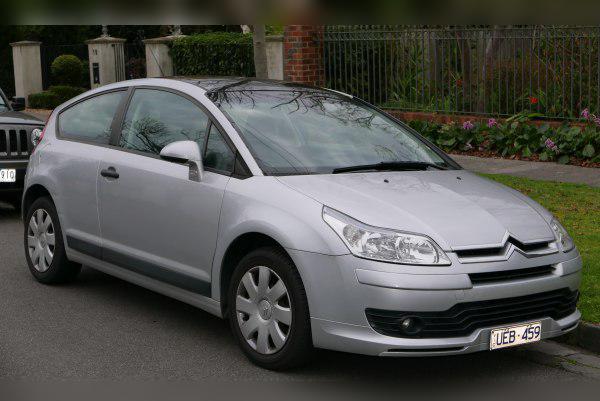
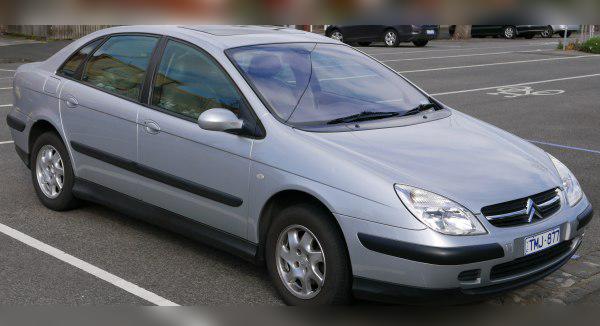
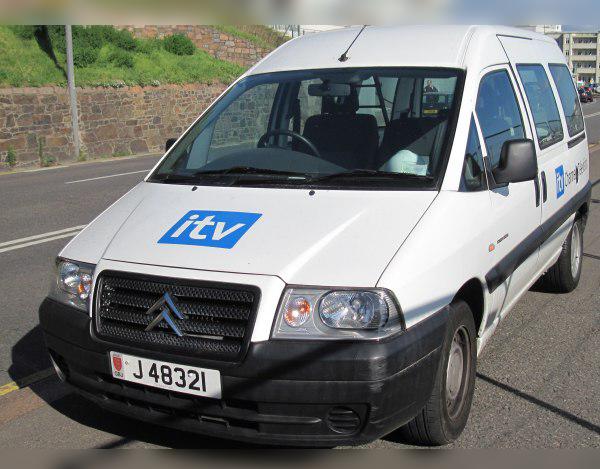
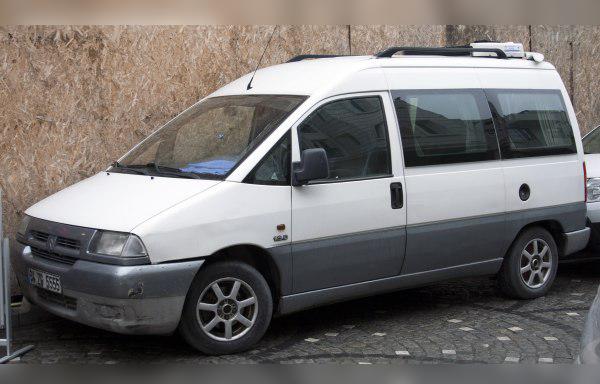
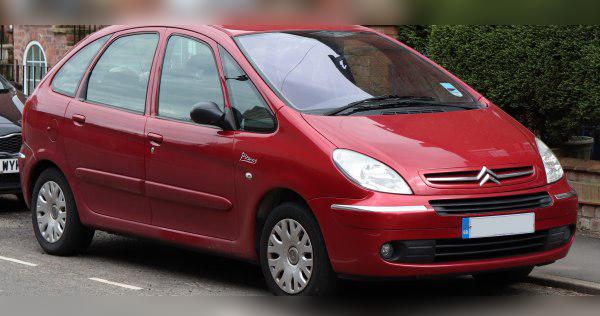
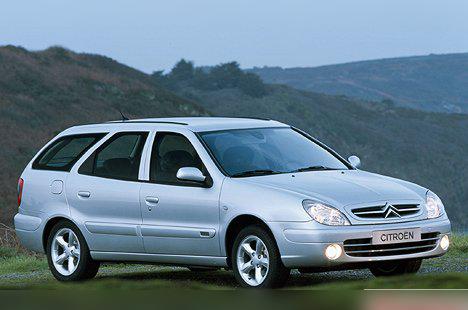
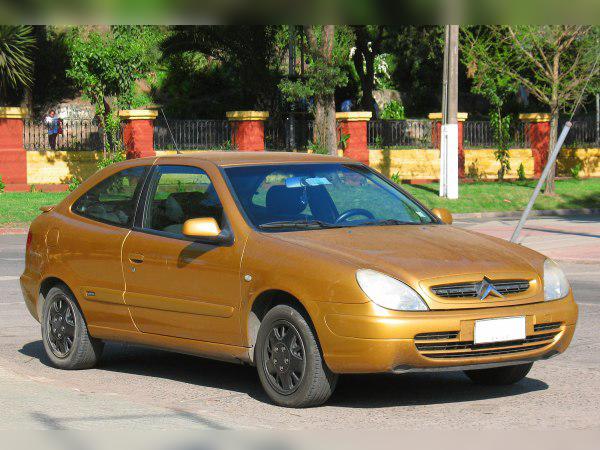
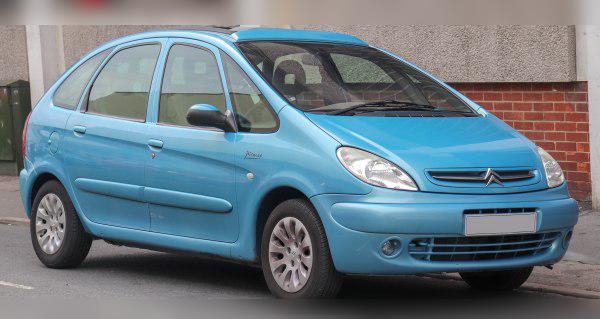
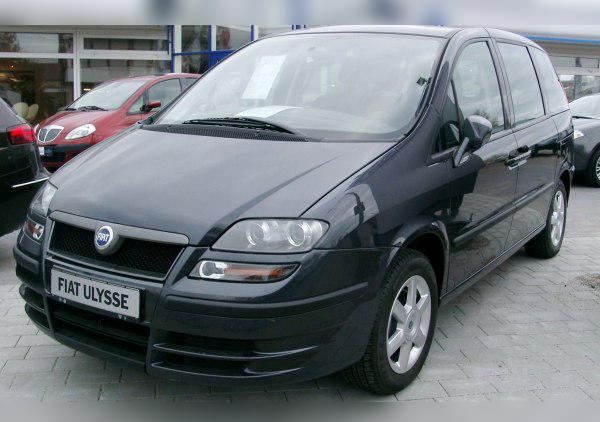
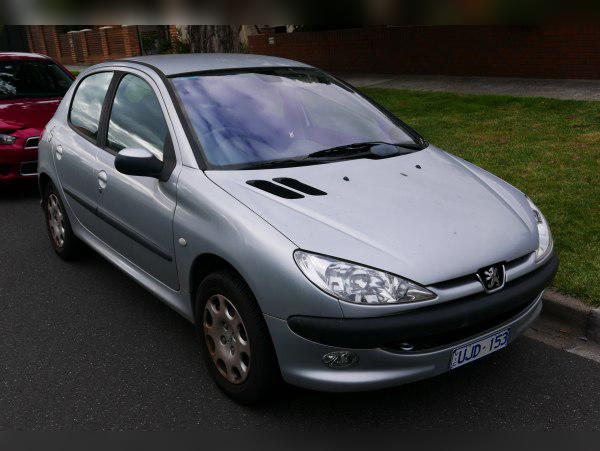
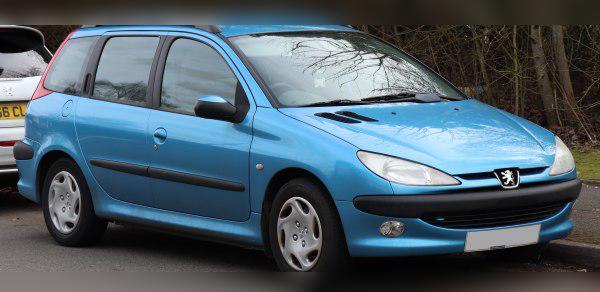
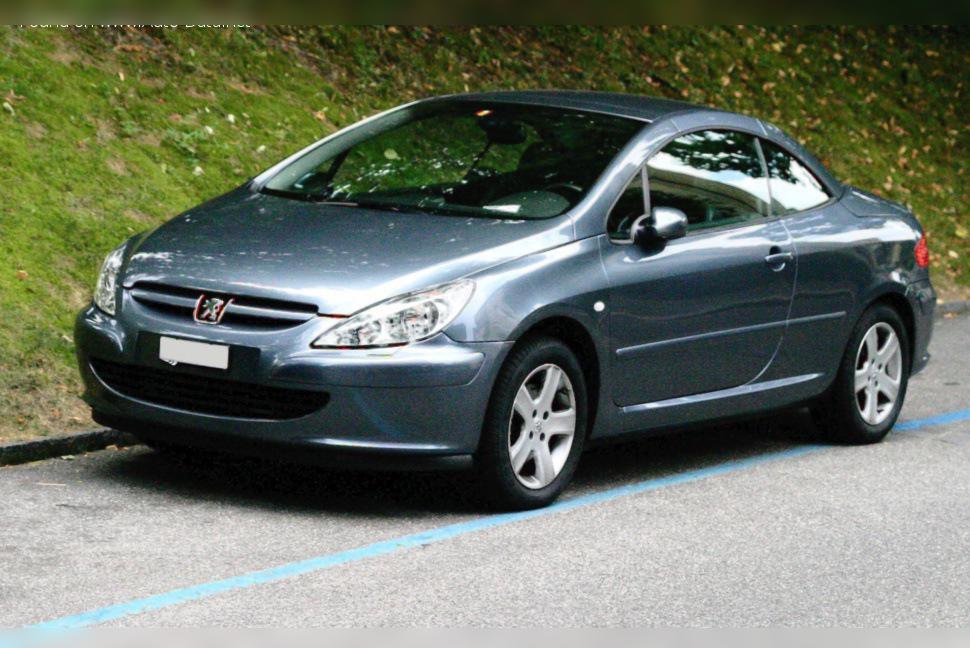
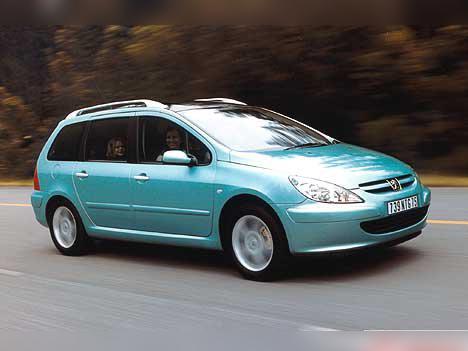
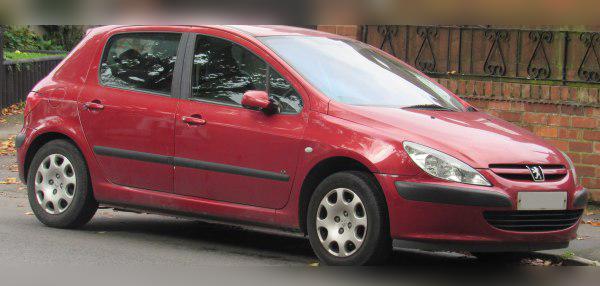
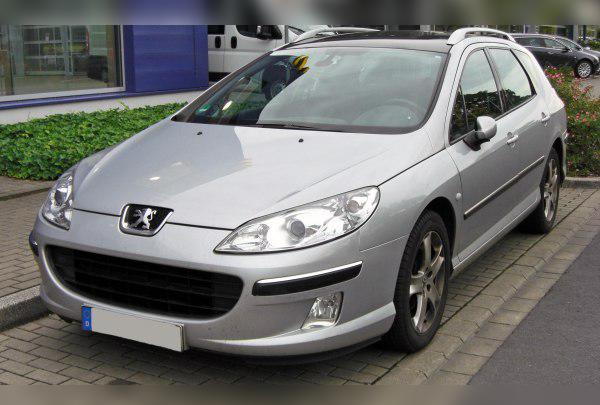
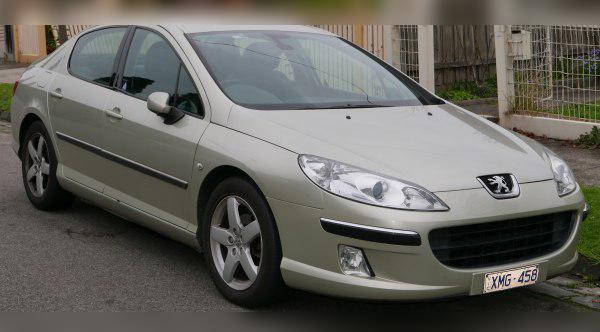
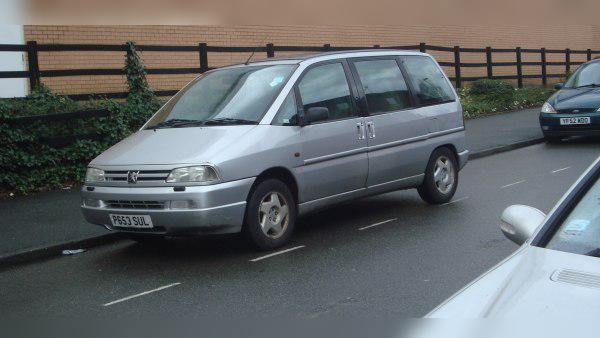
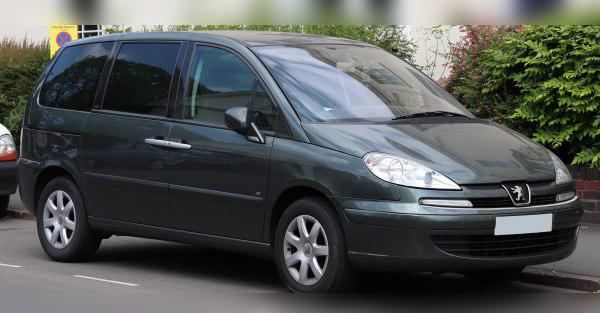
The engine designated RFN EW10J4 is one of the best-known 2.0-liter petrol units from the PSA group from the early 2000s. This 1997 cc, 100 kW (136 hp) engine is a true workhorse that was installed in almost everything that rolled off Peugeot and Citroën production lines – from light sporty hatchbacks like the Peugeot 206 GTI, through elegant sedans (407, C5), all the way to heavy family vans such as the Fiat Ulysse, Lancia Phedra and Citroën Jumpy.
This is an engine from the era when naturally aspirated petrol units dominated, before the mass arrival of “downsizing” and small turbo engines. Its design is fairly simple, which makes it extremely rewarding to own as a used engine today, provided you know its specific quirks.
Engine Technical Specifications
| Parameter | Specification |
|---|---|
| Engine displacement | 1997 cc |
| Power | 100 kW (136 hp) at 6000 rpm |
| Torque | 190 Nm at 4100 rpm |
| Engine code | RFN (EW10J4) |
| Injection type | MPI (Multi-Point Injection) |
| Induction | Naturally aspirated |
Reliability and Maintenance
Timing belt and servicing
This engine uses a classic timing belt for the valvetrain, not a chain. The manufacturer specified fairly long intervals for the major service, but in practice it has proven safest to do it every 80,000 to 90,000 km or every 5 years. A snapped belt on this engine leads to serious collision between valves and pistons, so this is not something to gamble with. A full timing kit (belt, rollers, tensioners, water pump) falls into the “not expensive” to “moderate” category (depending on the market).
Oil and oil consumption
The engine takes about 4.25 liters of oil. The 5W-40 grade has proven to work best, although 5W-30 can be used in colder climates. Oil should be changed at a maximum of 15,000 km, although experienced mechanics recommend lowering that to 10,000 km, especially if the car is driven mostly in the city.
Does it burn oil? Yes, the EW10J4 is known for using some oil between services. An amount of around 0.3 to 0.5 liters per 1000 km is often considered “normal” on older examples. The main culprit is hardened valve stem seals, which lose elasticity over time due to heat. If you notice bluish smoke on the first cold start of the day, it’s a clear sign the valve stem seals are due for replacement.
Spark plugs and the most common failures
Since this is a classic petrol engine, spark plugs should be replaced every 40,000 to 60,000 km. Regular spark plug replacement is critical because bad plugs directly damage the ignition coil. This engine uses a “cassette” type coil that sits over all the plugs. Models equipped with Sagem coils suffered frequent failures, which manifest as engine jerking, running on three cylinders and the “Check Engine” light coming on.
Another common issue is a dirty throttle body and idle control stepper motor, which causes fluctuating idle speed and engine stalling when you press the clutch approaching a traffic light. Cleaning the throttle body solves the problem and is a very cheap job. Also, hydraulic tappets can be heard (ticking) on cold start, especially if the owner has not been changing the oil regularly.
Specific Parts and Costs
This is where the RFN engine really shines compared to modern units.
- Dual-mass flywheel: Fortunately for owners, this engine in the vast majority of manual versions comes with a conventional solid flywheel. Clutch replacement costs are therefore low (depending on the market).
- Turbocharger: The engine is naturally aspirated, which means there is no turbo. One big and expensive worry less.
- Injectors and fuel system: The system is MPI (Multi-Point Injection) and extremely robust. Injectors rarely fail, and even when they get dirty, ultrasonic cleaning usually solves the problem. There are no expensive repairs like on diesels.
- DPF, AdBlue and EGR: Being a petrol engine, it has neither a DPF filter nor an AdBlue system. It does have an EGR valve responsible for exhaust gas recirculation, which can build up soot over time and cause rough running, but it is easy to clean or blank off. One specific system is the secondary air pump (used to heat up the catalytic converter faster), which can become as noisy as a vacuum cleaner on cold start when its bearings fail.
Fuel Consumption and Performance
Is this engine “sluggish”?
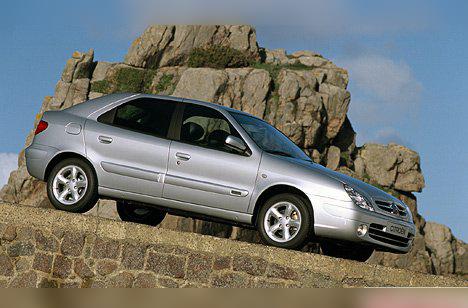
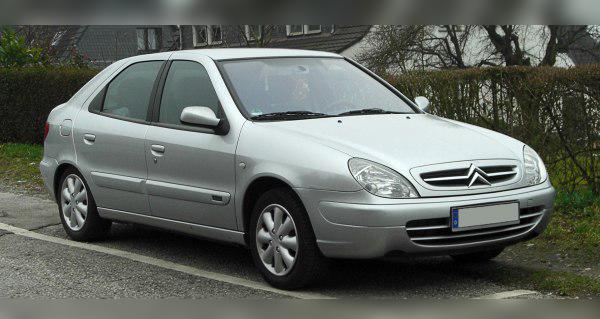
The answer depends mostly on the body it’s installed in. In the Peugeot 206 (where it carries the GTI badge) and the Xsara, this engine is a little rocket, very sharp on throttle response. However, in models like the Peugeot 407, Citroën C5, or especially in heavy MPVs (Peugeot 807, Fiat Ulysse), the 190 Nm simply doesn’t provide enough low-end torque to pull the heavy chassis. In those vehicles it feels very sluggish and you have to rev it high to get any serious overtaking performance.
Fuel consumption and highway driving
Real-world city fuel consumption is its biggest downside. In town, in smaller cars (Peugeot 307), consumption is around 10 to 11 l/100 km. In heavy vans and vehicles with an automatic gearbox, in heavy traffic that figure easily climbs to 13 to 14 liters. On open roads it can be brought down to a reasonable 6.5 to 7.5 liters.
On the motorway, at 130 km/h, the engine usually spins between 3,500 and 3,800 rpm (depending on the gearbox ratios in the specific model). Because of this, it can be a bit noisy in the cabin, and fuel consumption at that speed is around 8.5 l/100 km.
Additional Options and Modifications (LPG and Remapping)
LPG (autogas) conversion
If you buy this engine, the first thing you should do is install an LPG system. The RFN EW10J4 is perfect for LPG. It has reinforced valves and an aluminum head that tolerates the higher combustion temperatures of gas very well. There is no need to install additional valve lubrication systems. With a good sequential LPG kit, you won’t notice any power loss, and you will halve your running costs which, to be fair, are very high on pure petrol.
Remapping (Stage 1)
In short: Don’t waste your money. On naturally aspirated petrol engines without a turbo, a “Stage 1” remap is practically pointless. In the best case, you might gain 6 to 9 hp (from 136 to about 145 hp), which you won’t really feel in everyday driving. Throttle response may be marginally better, but that does not justify the cost of remapping.
Gearbox: Manual vs Automatic
The choice of gearbox drastically changes the ownership experience with this engine.
Manual gearbox (BE4)
This is a 5-speed manual gearbox known for its durability, but not for its precision. The gear lever often has a long and somewhat “rubbery” throw. The most common failures are related to the gear linkage (the plastic ball joints on the rods develop play). The oil in the manual gearbox should be changed every 100,000 km. As mentioned, there is no dual-mass flywheel, so a clutch kit is very affordable (depending on the market).
Automatic gearbox (AL4 / DP0)
This engine was paired with the infamous 4-speed automatic known as AL4. This is a gearbox that requires extreme caution. It is very slow, strangles the engine and increases fuel consumption by almost 2 liters in city driving. Its most common failures include solenoid (electrovalve) failures in the hydraulic block. Symptoms are strong jolts when engaging “D” or shifting from first to second gear, as well as sudden switching to “Safe Mode” (stuck in 3rd gear) with a “Gearbox Fault” message on the display.
If you still decide on an automatic, you must know that the oil MUST be changed every 60,000 km, even though some dealers used to claim it has “lifetime oil”. Repairing the AL4 hydraulic block is expensive (depending on the market), and a full gearbox overhaul is very expensive.
Buying Used and Conclusion
What to check before buying?
- Cold start: Start the car completely cold. Listen for rattling hydraulic tappets. If the rattling lasts longer than a few seconds, the engine has been poorly maintained and oil changes were not done regularly.
- Idle behavior: If the rev counter needle is hunting up and down, expect to have the throttle body cleaned or a potential issue with the coil/spark plugs.
- Fluid leaks: Look at the top of the engine under the plastic cover. The valve cover gasket often leaks oil, which can run straight into the spark plug wells. Check for traces of coolant on the block (water pump and thermostat housing).
- Automatic gearbox test drive (if applicable): Warm up the gearbox with 15–20 minutes of driving. Only then check whether it jerks when shifting under load or during kick-down. A cold AL4 can work perfectly, and once hot it can behave catastrophically.
Who is this engine for?
The RFN EW10J4 engine is intended for drivers who want straightforward, predictable mechanics. It is not difficult or expensive to maintain, it doesn’t suffer from costly diesel-related issues, but it does take its toll at the fuel pump. The ideal purchase assumes installing an LPG system. If you are looking for a family car on gas for everyday driving without stress about EGR, DPF and injectors, this is one of the best choices on the used market. Just be sure to avoid the automatic and be prepared to top up a bit of oil between services.