RFV XU10J4R Engine (2.0 16V 132 HP): Experiences, Problems, Fuel Consumption and Used Car Buying Tips
Key points (TL;DR)
- Old school: A robust naturally aspirated petrol engine without complicated electronics, ideal for fans of classic mechanics.
- Maintenance: No dual-mass flywheel, no turbocharger and no expensive high-pressure injectors. Maintenance is generally cheap.
- Fuel consumption: The main downside. In city driving it easily exceeds 12 l/100 km, especially in heavier body styles.
- LPG (Autogas): Handles sequential LPG systems extremely well, which makes it more economical for everyday use.
- Main issues: Oil leaks from the valve cover, hardened valve stem seals (increased oil consumption) and a dirty idle control valve (unstable idle).
- Performance: In smaller models like the Peugeot 306 it feels lively, but in heavyweights (Citroën Evasion, XM, Peugeot 605) it comes across as rather sluggish.
Contents
- Introduction: What You Need to Know About the XU10J4R Engine
- Technical Specifications
- Reliability and Maintenance
- Specific Parts (Costs)
- Fuel Consumption and Performance
- Additional Options and Modifications
- Gearbox and Drivetrain
- Buying Used and Conclusion
Introduction: What You Need to Know About the XU10J4R Engine
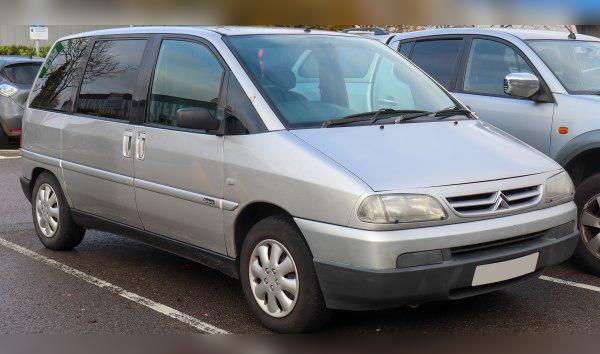
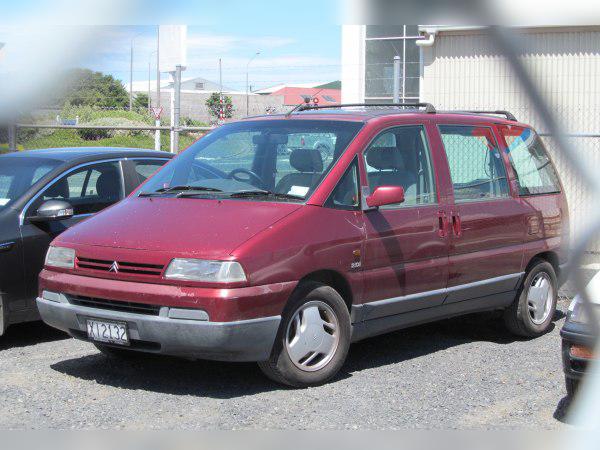
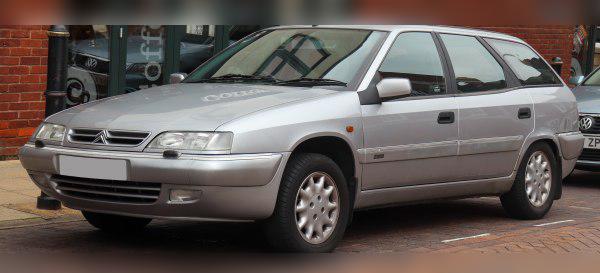
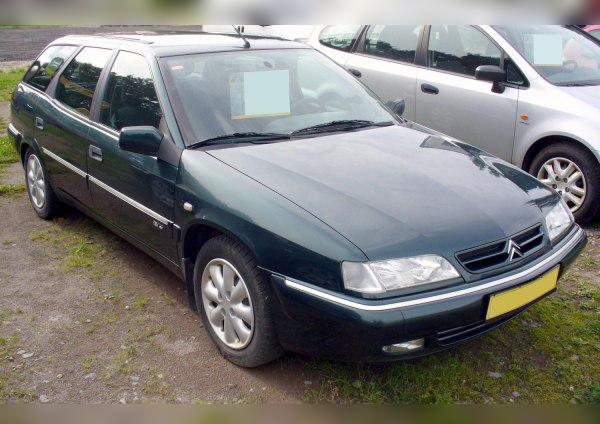
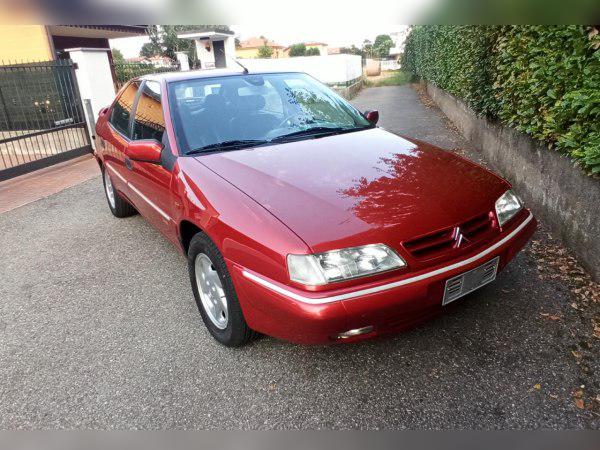
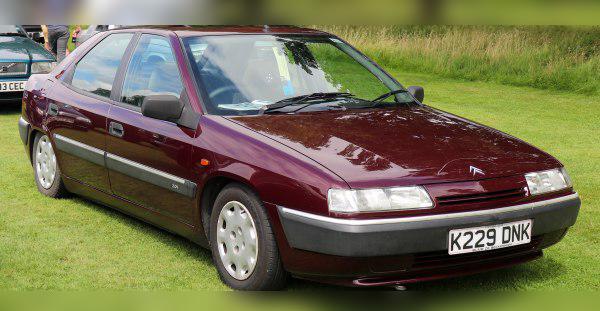
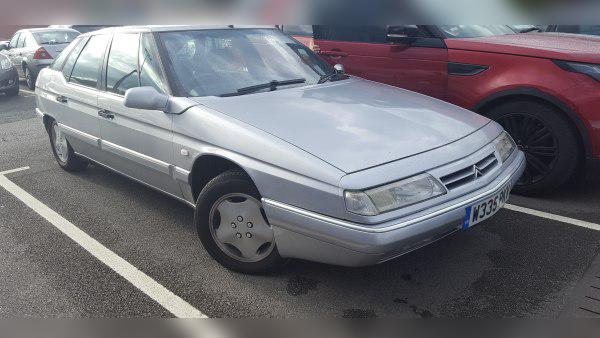
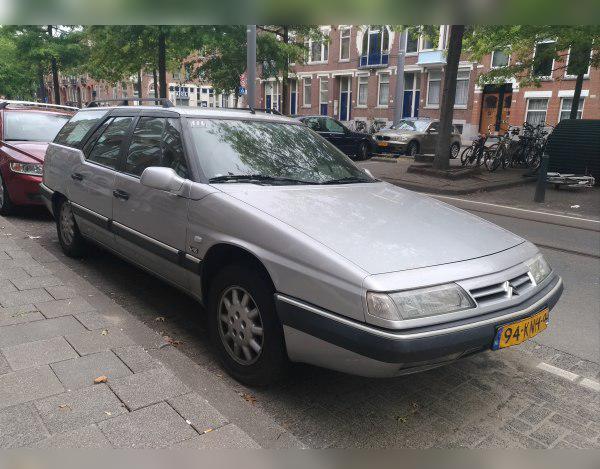
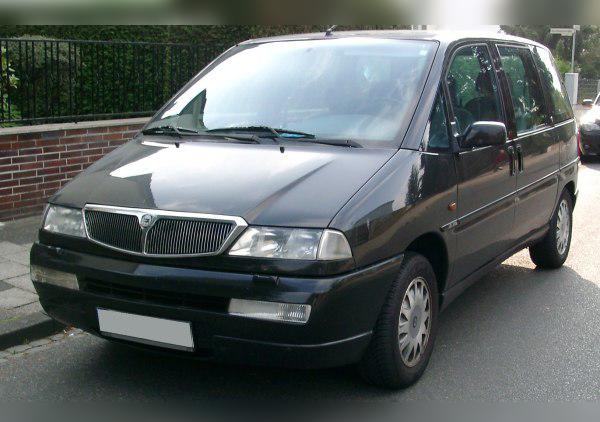
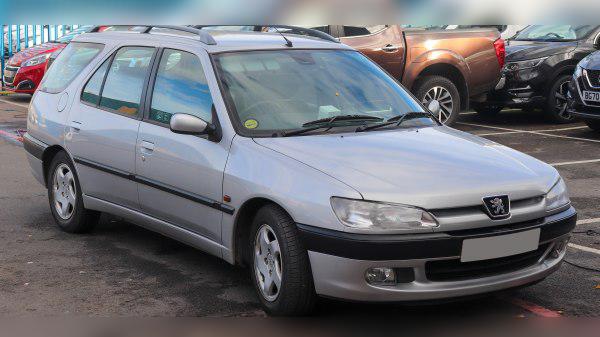
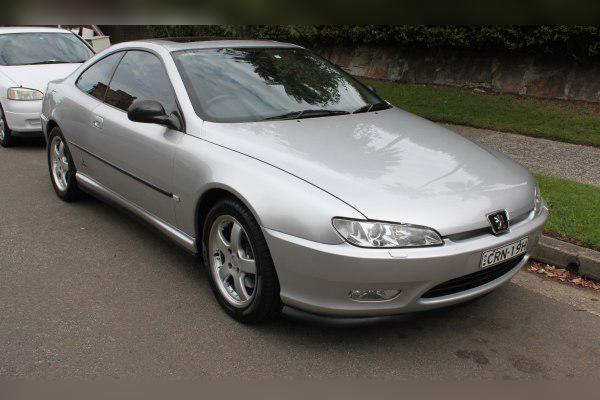
The engine with the code RFV (XU10J4R) is one of the most recognizable petrol units from the PSA group (Peugeot and Citroën) during the 1990s and early 2000s. As a 2.0-liter naturally aspirated 16-valve engine, it was installed in a wide range of vehicles – from compact and sporty models (Peugeot 306, 406 Coupé), through comfortable sedans (Citroën Xantia, XM, Peugeot 605), all the way to large family MPVs (Citroën Evasion, Lancia Zeta).
Today this engine is viewed through the lens of the "old school". It was built to last, from the era before strict emission standards (downsizing) and excessive electronics. Its design is simple and failures are predictable, which makes it popular among mechanics and drivers who want a car whose maintenance does not require taking out a loan.
Technical Specifications
| Specification | Data |
|---|---|
| Engine codes | RFV, XU10J4R |
| Engine displacement | 1998 cc |
| Power | 97 kW (132 HP) at 5500 rpm |
| Torque | 180 Nm at 4200 rpm |
| Injection type | MPI (Multipoint injection) |
| Induction | Naturally aspirated (No turbocharger) |
| Camshaft drive | Timing belt |
Reliability and Maintenance
Timing belt or chain?
This engine uses a timing belt. Its valvetrain system is simple and it is recommended to perform the major service every 80,000 to 90,000 km, or every 5 years (whichever comes first). Tensioners and idler pulleys rarely fail prematurely, but given the age of the vehicles this engine was fitted to, you should never postpone this job.
Most common failures and symptoms
Mechanically, the bottom end (crankshaft, big-end and main bearings) is virtually indestructible, but the peripherals and top end do tend to show signs of age:
- Idle control valve: Almost every XU engine owner has dealt with this. Due to dirt from the intake, idle speed starts to fluctuate, the car stalls at traffic lights or holds unnaturally high revs (over 1500 rpm). Cleaning solves the problem temporarily, but replacement is the long-term solution. It is not an expensive part.
- Ignition coil and spark plugs: Rough running on three cylinders (jerking under acceleration) often points to a worn-out coil pack.
- Oil leak from the valve cover gasket: Plastic/metal covers warp or the gasket hardens. Oil leaks down the engine block and sometimes into the spark plug wells, which causes misfires.
- Valve stem seals: Due to age, the rubber hardens. The engine starts pulling oil into the combustion chamber. Symptom: bluish smoke from the exhaust on first cold start in the morning or after you floor the throttle following prolonged engine braking.
Oil and service intervals
The sump of this engine holds about 4.25 liters of oil (with filter). PSA traditionally recommends 10W-40 (semi-synthetic), but if the engine is in excellent condition in winter, you can switch to 5W-40. Perform regular (minor) services every 10,000 to 12,000 km.
Oil consumption: Yes, this engine consumes oil between services. Due to hardened valve stem seals, consumption of 0.3 to 0.5 liters per 1,000 km is considered completely normal and within "factory" tolerance for engines of this age. If it uses more than 1 liter per 1,000 km, it is time to pull the head and replace the seals/rings.
Spark plug replacement
Since this is a classic petrol engine, standard spark plugs are replaced every 30,000 to 40,000 km. These plugs are cheap. If you use iridium or platinum plugs, the interval extends to around 60,000 km, which is especially useful if you have LPG installed.
Specific Parts (Costs)
Flywheel and clutch
Unlike modern diesels, this petrol engine has a solid (conventional) flywheel. You do not have to worry about expensive dual-mass flywheel repairs. The clutch kit lasts quite a long time and is not expensive, usually costing from 100 to 150 euros (depending on the market).
Injection system and electronics
The injection system is multipoint (MPI). Fuel is injected at low pressure directly into the intake manifold. The petrol injectors are extremely reliable. Problems with them appear only if the car is driven for years almost exclusively on LPG, so the injectors "stick" due to inactivity and dirty petrol in the tank. Cleaning them in an ultrasonic bath (from 30 to 50 euros – depending on the market) solves the problem in 99% of cases.
Emission systems and compressors
A real relief for owners: This engine does not have a turbocharger, has no DPF filter, and no AdBlue system. It belongs to an older generation of emission standards (mostly Euro 2 or early Euro 3). Early models do not even have an EGR valve, while those from the very end of production (around the year 2000) have a simple EGR which very rarely clogs because petrol engines do not produce as much soot as diesels.
Fuel Consumption and Performance
Fuel consumption: Expect frequent visits to the petrol station
To be blunt, this is not an economical engine. Due to its relatively high torque but old-school injection design:
- City driving: Real-world consumption ranges from 11 to 13 l/100 km. In heavy models (Citroën XM, Evasion), with the A/C on in rush hour, expect close to 14 liters.
- Open road: On country roads it can drop to a reasonable 7 to 8 l/100 km.
Sluggishness and power
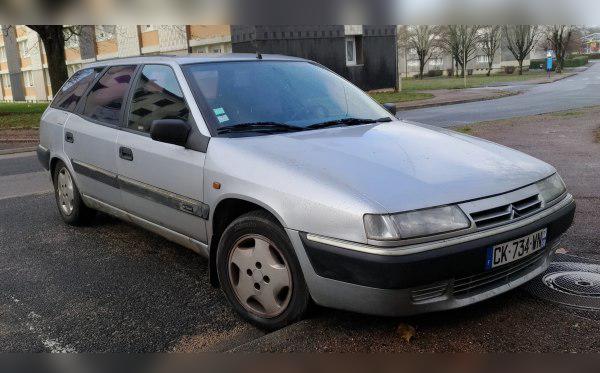
Is the engine "sluggish"? That depends entirely on what it is installed in. In a light Peugeot 306, it is a little rocket (132 HP in under 1200 kg). However, if you put the same engine in a Citroën Evasion (an MPV weighing almost 1.6 tons) or a heavy Xantia estate (Break), you will clearly feel a lack of power on uphill sections. In such body styles the engine has to rev high to provide safe overtaking.
On the motorway
On the motorway the engine behaves stably, but due to the ratios in the 5-speed gearbox, at a speed of 130 km/h it cruises at a relatively high 3,800 to 4,000 rpm. This brings two downsides: increased cabin noise and fuel consumption that easily exceeds 8.5 l/100 km on the motorway.
Additional Options and Modifications
Is it suitable for LPG (Autogas)?
Absolutely yes. This is one of the best engines on the market for LPG conversion. Thanks to hydraulic tappets it does not require periodic valve clearance adjustment. Installing a standard sequential system is quick and cheap. Since city fuel consumption can be frightening, fitting LPG is the best move you can make, and the engine "accepts" it without loss of performance or jerking.
Remapping (Stage 1) – Is it worth it?
The short answer: It is not worth it. On old-generation naturally aspirated petrol engines, remapping is a waste of money. The realistic gain from a "Stage 1" remap will be barely 5 to at most 8 HP and around 10 Nm of torque. As a driver you will not feel that change at the accelerator pedal.
Gearbox and Drivetrain
Manual gearboxes
The most common gearbox paired with this engine is the 5-speed manual from the famous PSA BE series (BE3/BE4). These gearboxes are mechanically bulletproof. The most common issues are not with the gears themselves but with the gear linkage. Due to worn plastic bushes on the linkages, the gear lever develops excessive play and it becomes harder to engage gears (especially first or reverse). The solution is not expensive – the linkage set is replaced.
Automatic gearboxes (Risk when buying)
Automatics from this era (most commonly the well-known PSA/Renault AL4 4-speed, or early ZF units) are quite problematic. By modern standards they are very slow, further dull the engine and increase fuel consumption by at least 1 to 2 liters.
Most common automatic failure: Solenoid (electro-valve) failure in the valve body. Symptoms are thumps and jerks when shifting from "P" to "D" or harsh shifts from first to second gear. Oil in the manual gearbox is changed preventively every 80,000 km, while in the automatic gearbox it must be changed at a maximum of 60,000 km. If the previous owner did not change the oil in the automatic on time, be prepared for an expensive overhaul.
Buying Used and Conclusion
What you must check before handing over your money
Considering you are buying a car that is over 20 years old, the condition of the bodywork and interior is often a bigger issue than the engine itself, but under the bonnet you must check the following:
- Oil seepage on the engine: Remove the plastic cover (if fitted) and look around the valve cover gasket. Oil around the spark plugs is a sign that you need to replace the gaskets immediately.
- Exhaust smoke color on cold start: Ask the seller not to start the car before you arrive. If on first start it blows a blue cloud of smoke that quickly disappears, the engine is "drinking" oil through the valve stem seals.
- Smooth idle: The rev counter needle must be rock steady (usually around 850 rpm) on a warm engine. If it "hunts", you have a problem with the idle control valve or an air leak in the intake.
Final verdict
The RFV 2.0 16V (132 HP) engine is a relic from a time when engines were built simpler and more durable. Who is it for? It is intended for drivers looking for a cheap, large and comfortable used car for little money, who do not mind occasionally getting their hands dirty with oil from the valve cover.
It is not for you if you cover huge city mileages on petrol (because fuel costs will drain you financially), but if you plan to install LPG, you get an excellent, reliable workhorse that will not surprise you overnight with 1000-euro failures, simply because it does not contain modern, overly expensive components that could cost that much.