Engine 2.0 HDi / BlueHDi (RHE DW10CTED4) 150 HP: Experiences, problems, fuel consumption and used car buying tips
Key points (TL;DR)
- Reliability: Considered one of the best and most durable diesel engines in its class, capable of very high mileage with regular maintenance.
- Timing system: Combined system – it has a timing belt, but also a short chain that connects the camshafts.
- Maintenance: FAP filters use Eolys fluid that must be refilled, while newer BlueHDi versions require AdBlue, whose tanks are known to be problematic.
- Flywheel: Equipped with a dual-mass flywheel. Replacing the clutch and flywheel set is a major but expected expense at higher mileage.
- Gearboxes: Recommended are manual gearboxes or classic Aisin automatics. EGS (robotized) gearboxes should be avoided due to harsh operation and higher maintenance costs.
- Tuning: Very suitable for a "Stage 1" remap without sacrificing longevity.
- Use case: Ideal for highway driving and heavier cars (SUVs, MPVs), not recommended for exclusively stop‑and‑go city driving.
Contents
- Introduction: About the DW10CTED4 engine
- Technical specifications
- Reliability and maintenance
- Specific parts and systems
- Fuel consumption and performance
- Additional options and modifications
- Gearbox and drivetrain
- Buying used and conclusion
Introduction: About the DW10CTED4 engine
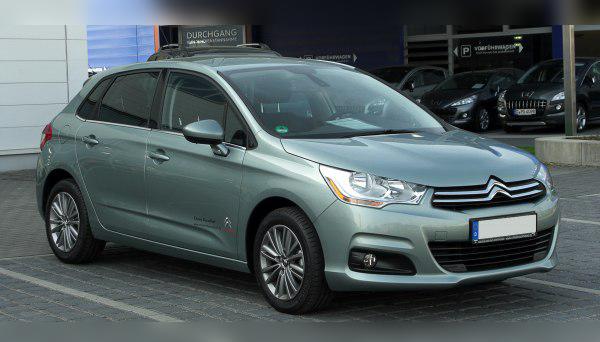
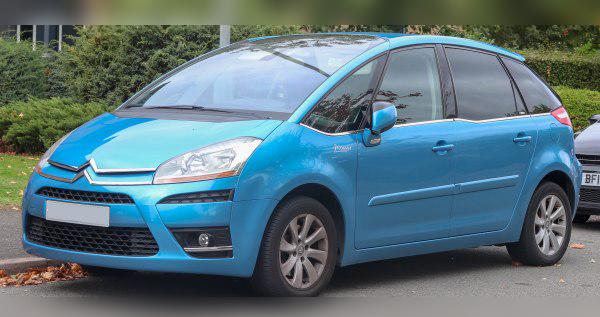
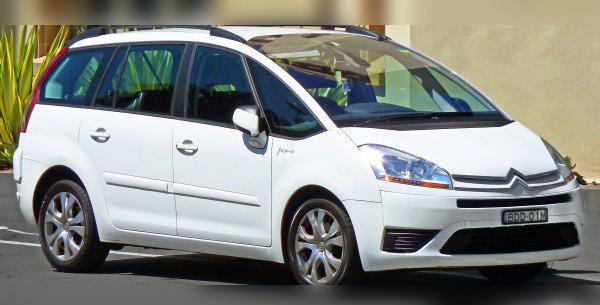
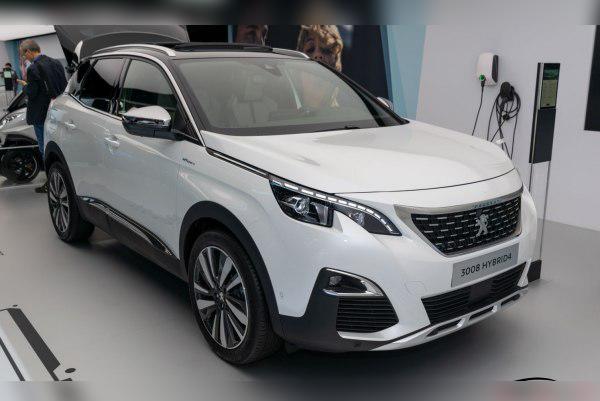
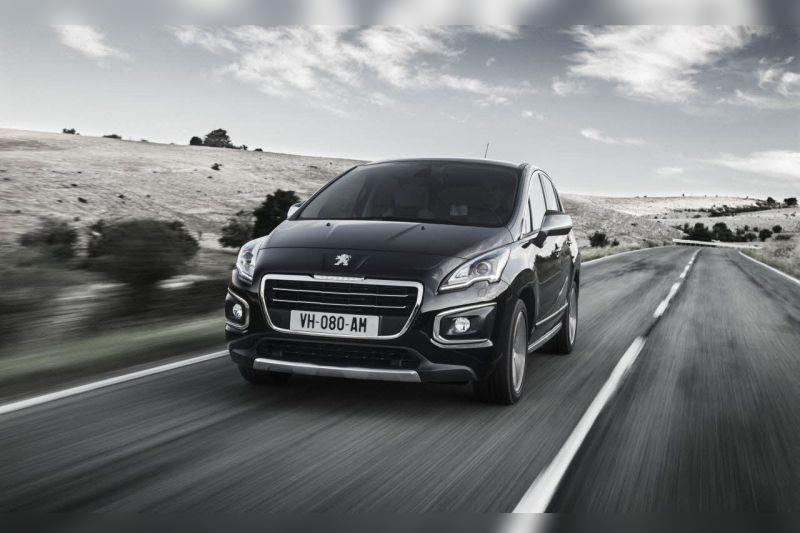
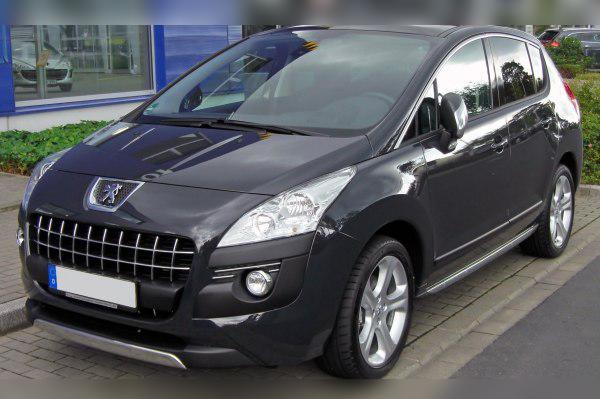
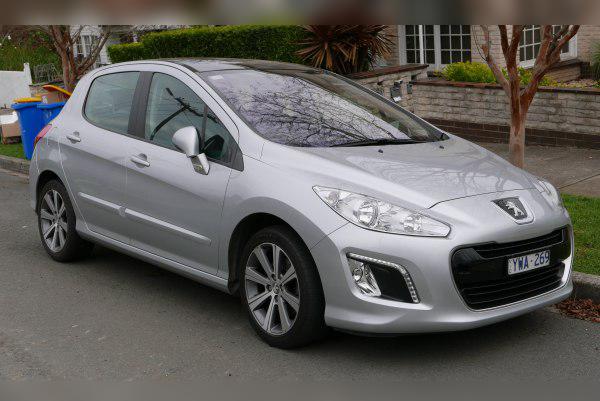
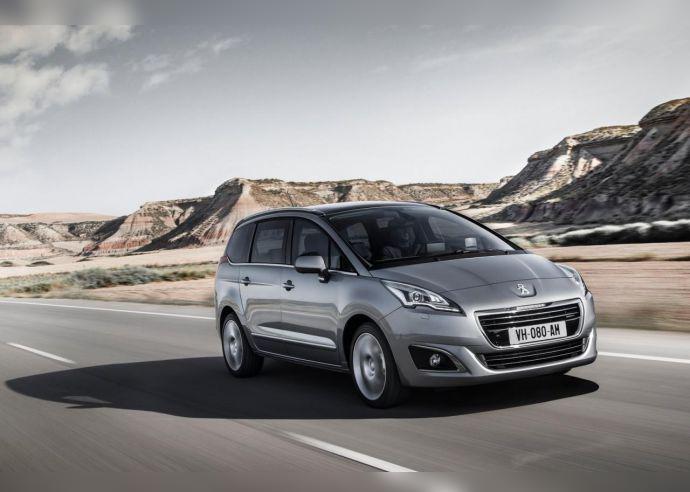
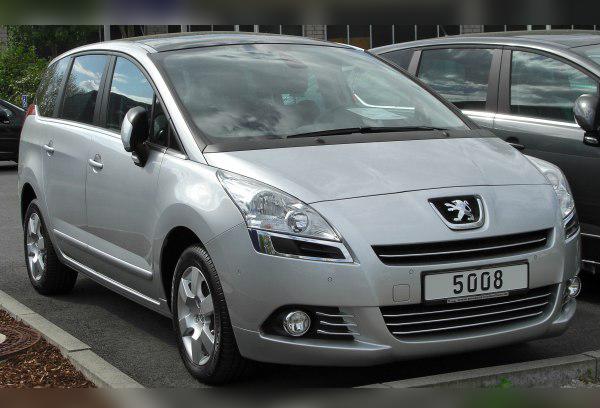
The engine with the code RHE (DW10CTED4) is a refined evolution of the well‑known and highly regarded 2.0 HDi engine from the PSA group. With an output of 110 kW (150 HP), this unit was designed to power heavier bodies, which is why it was predominantly installed in MPVs such as the Citroën C4 Picasso / Grand Picasso, Peugeot 5008, as well as in SUVs and hatchbacks like the Peugeot 3008, 308 and Citroën C4.
Thanks to its massive torque, this engine is synonymous with easy overtaking and towing on long journeys. Over the years, it evolved from the standard FAP (Euro 5) version to the BlueHDi (Euro 6) system, which includes an SCR catalyst and AdBlue technology to reduce NOx emissions. Although fundamentally very robust, the complexity of the emission control systems on this engine dictates the way it must be maintained.
Technical specifications
| Parameter | Value |
|---|---|
| Engine code | RHE (DW10CTED4) |
| Engine displacement | 1997 cc |
| Power | 110 kW (150 HP) |
| Torque | 340 Nm (at 2000 rpm) |
| Fuel type | Diesel |
| Injection type | Common Rail (Direct) |
| Charging system | Variable-geometry turbocharger, intercooler |
Reliability and maintenance
Does this engine have a timing belt or a chain?
This engine uses a combined timing system. The main drive (from the crankshaft to the first camshaft and the high‑pressure pump) is via a timing belt. However, since the engine has two camshafts (16 valves), the rotation between the two camshafts themselves is transmitted by a small chain. Over time, the chain tensioner can weaken, which results in a characteristic rattling noise in the upper part of the engine during the first start in the morning.
What are the most common failures on this engine?
The engine’s mechanicals (block, pistons, crankshaft) are extremely robust. Failures are most often related to peripheral and emission systems:
- EGR valve clogging: A consequence of exclusively city driving. Symptoms are loss of power, jerking and black smoke when accelerating.
- FAP filter and Eolys fluid: Differential pressure sensors often fail, and the Eolys additive pump can seize.
- Oil leaks at seals: Slight sweating can appear at the crankshaft oil seal at higher mileage.
At what mileage should the major service be done?
The manufacturer often states very optimistic timing belt replacement intervals, sometimes up to 240,000 km or 10 years. In real‑world use, however, it is recommended that the major service be done every 150,000 km up to a maximum of 180,000 km or every 7 years. The reasons are local driving conditions, rubber aging and possible weakening of the water pump.
Engine oil and oil consumption
The sump of this engine holds about 5.25 liters of oil (including the filter). It is MANDATORY to use oil that meets the PSA B71 2290 specification for FAP filters, most often in the 5W‑30 grade (e.g. Total Quartz Ineo ECS), while newer BlueHDi versions can also use 0W‑30 (PSA B71 2312). The engine is not prone to oil consumption. If between two minor services (which should be done every 10,000 to 15,000 km) the level on the dipstick drops from maximum to halfway (consumption up to 0.5 liters per 10,000 km), this is absolutely normal. If it consumes more, the condition of the turbocharger and crankcase ventilation (oil vapors) must be checked.
How long do the injectors last and how reliable are they?
This model uses sophisticated piezo injectors (mainly Delphi or Siemens VDO). With clean Euro‑diesel and regular fuel filter replacement (every second minor service), the injectors easily exceed 250,000 to 300,000 km. If they are problematic, symptoms include rough idling, "hammering" of the engine when cold (so‑called knocking) and harder starting in winter.
Specific parts and systems
Dual-mass flywheel and clutch
Yes, this engine is equipped with a dual‑mass flywheel in order to smooth out the substantial 340 Nm of torque. The flywheel’s lifespan depends mostly on driving style – frequently flooring the throttle from low revs (below 1500 rpm) wears it out quickly. Symptoms of wear include vibrations on the clutch pedal, a metallic "clang" when switching the engine off, and juddering when setting off. Replacing the complete set (clutch, release bearing and flywheel) is expensive (depends on the market), but that is the price of driving a modern powerful diesel.
Turbocharger
The engine is fitted with a single variable‑geometry turbocharger. It is very durable provided that the engine oil is changed regularly. The biggest enemy of the turbo is the so‑called strainer (mesh) in the banjo bolt of the turbo oil feed line. Many mechanics remove this strainer because over time it clogs with carbon deposits in the oil, which leads to oil starvation of the turbo and rapid failure.
DPF (FAP) filter, EGR and AdBlue system
This is the area buyers need to pay the most attention to. The DW10CTED4 has a FAP filter whose regeneration is assisted by Eolys fluid (a separate tank next to the fuel tank). This fluid lowers the soot combustion temperature and must be physically refilled at around 100,000 – 150,000 km. Refilling itself is not very expensive, but resetting the ECU requires professional diagnostics.
BlueHDi versions (newer models from 2014 onwards, Euro 6): In addition to the FAP, they also have an AdBlue system. This is probably the biggest weak point of these engines. The problem lies in the tank itself, which integrates the AdBlue pump and heater. When the pump fails or the electronics give up, a countdown appears on the instrument cluster showing the remaining kilometers until the engine can no longer be started (often 1100 km). Replacing the entire tank is very expensive (depends on the market).
Fuel consumption and performance
City driving and body style impact
Real‑world fuel consumption in heavy city traffic depends on the vehicle model. For the lighter Peugeot 308, it is around 6.5 to 7 l/100 km. However, if this engine is pushing "vans" such as the C4 Grand Picasso or a fully loaded Peugeot 5008 from traffic light to traffic light, you can expect consumption between 7.5 and 8.5 l/100 km. The engine is by no means "lazy". The 340 Nm of torque is available already at 2000 rpm, so it easily and smoothly pulls even the heaviest bodies it is installed in.
Highway cruising
This engine was made for the highway. Thanks to the well‑matched six‑speed gearbox, at 130 km/h in sixth gear the engine cruises at a very relaxed ~2100 to 2300 rpm. In this driving mode, fuel consumption drops below 6 l/100 km, and cabin noise is minimal.
Additional options and modifications
Remapping (Stage 1 optimization)
The 2.0 HDi 150 HP engine is an excellent candidate for a Stage 1 remap (software power increase). Since many components are shared with more powerful versions (such as the 163 HP one), the engine can safely be taken to about 180 to 190 HP and 390 to 410 Nm of torque. Such a modification drastically improves acceleration in heavier vehicles. However, you should be aware that increasing torque puts more stress on the dual‑mass flywheel and clutch, so aggressive driving at low revs is not recommended.
Gearbox and drivetrain
Types of gearboxes and common issues
Three types of gearboxes were offered with this engine, and they make a big difference to the driving experience:
- 6‑speed manual (ML6C): Reliable, robust and very well matched to the engine. Failures of the gearbox itself are very rare, apart from regular oil changes in the gearbox (every 60–80 thousand km). Maintenance costs are limited mainly to the clutch set and dual‑mass flywheel when they wear out.
- Conventional automatic (Aisin AM6 – torque converter): This gearbox is excellent. It does not have a dual‑mass flywheel or dual clutches. Failures occur only if the owner believes the oil is "lifetime". If the oil is not changed, the solenoids in the valve body fail. The oil (and a flush) must be changed every 60,000 to 80,000 km. If this is done, the gearbox will last virtually forever. The service is not expensive compared to repair costs after a failure.
- Robotized semi‑automatic (EGS / BMP6): In models such as the C4 Picasso you will often see the EGS badge. This is actually a manual gearbox with "robots" (actuators) that change gears and operate the clutch instead of you. They are known for harsh and slow gear changes ("nodding" when accelerating). They have a dual‑mass flywheel and clutch just like the manual, and when they wear out the cost is identical, plus complicated actuator calibration via diagnostics. It should be avoided if you want smooth driving.
Buying used and conclusion
What to check before buying?
When looking at a used car with the 2.0 HDi/BlueHDi RHE engine, pay attention to the following:
- Cold start and diagnostics: The engine should start "on half a turn" without a cloud of smoke behind. Be sure to connect professional diagnostics and check the FAP filter clogging percentage and the remaining level of Eolys fluid.
- Clutch/flywheel test: Set off under light load in first gear. Any shuddering of the car suggests that the clutch and flywheel need replacement. Switch the engine off; if you hear a loud rattle, the flywheel is near the end of its life.
- BlueHDi check: If the model has a BlueHDi system, ask for service history. If the AdBlue tank has not yet been replaced or preventively reprogrammed, be prepared that this expense will likely fall on you.
Who is this engine for?
The 2.0 HDi (DW10CTED4) 150 HP engine is an excellent choice for drivers who cover a lot of kilometers, often drive outside the city, go on long family trips and drive larger, heavier cars. Its reliability and flexibility are its biggest strengths. On the other hand, if you need a car solely for a 5‑kilometer commute in heavy city traffic, this engine is not for you – the emission systems (EGR, FAP) will quickly clog with soot and cause large and unnecessary maintenance costs.