2.0 HDi RHH DW10CTED4 Engine (163 HP) – Real-world experience, issues, fuel consumption and used-car buying tips
- Powerful and flexible: An excellent balance of power (163 HP) and torque for heavier bodies.
- Combined timing drive: It has a timing belt, but also a small chain between the camshafts that needs attention at higher mileage.
- Eolys system: This is a Euro 5 engine that uses a FAP filter with additive (Eolys), not a classic AdBlue system.
- Sensitive to city driving: Frequent short trips quickly clog the EGR valve and the DPF filter.
- Aisin gearbox: The automatic gearbox is reliable, but only if the previous owner changed the oil regularly.
- Recommendation: A phenomenal choice for long journeys and motorway use, less ideal for purely urban driving.
Contents
- Introduction: Get to know the 2.0 HDi (RHH)
- Technical specifications
- Reliability and maintenance
- Specific parts and costs
- Fuel consumption and performance
- Additional options and modifications
- Gearbox and drivetrain
- Buying used and conclusion
Introduction: Get to know the 2.0 HDi (RHH)
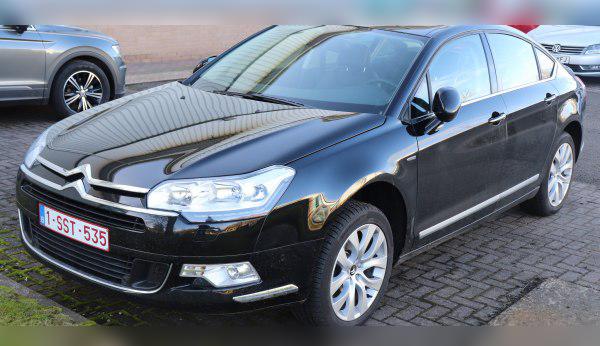
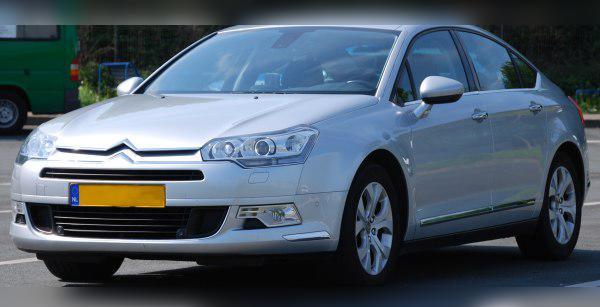
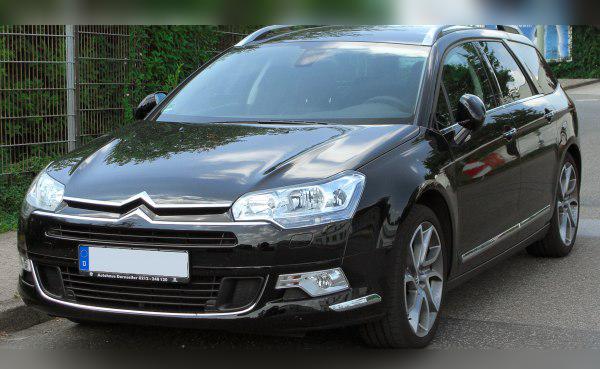
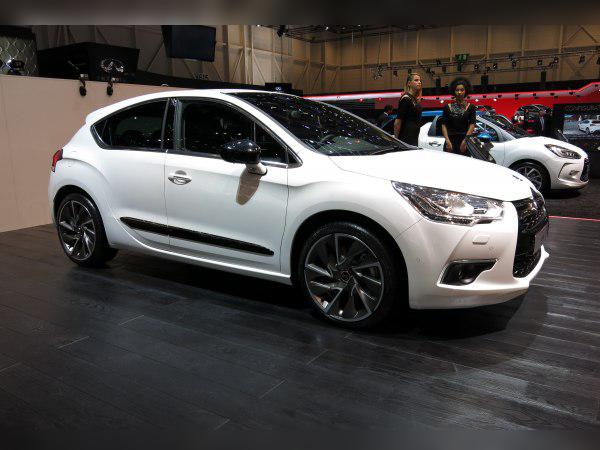
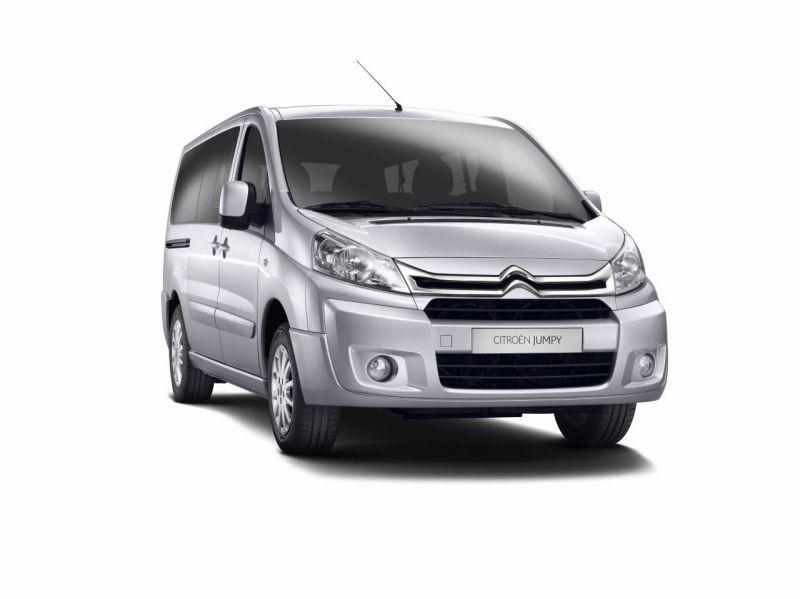
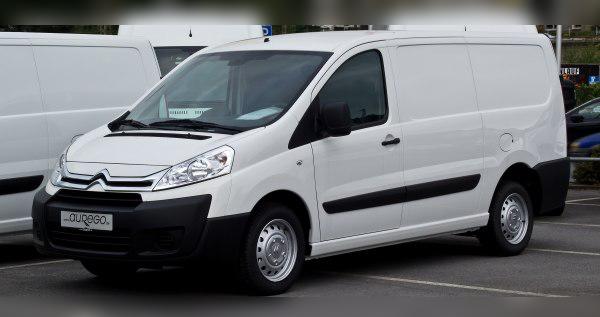
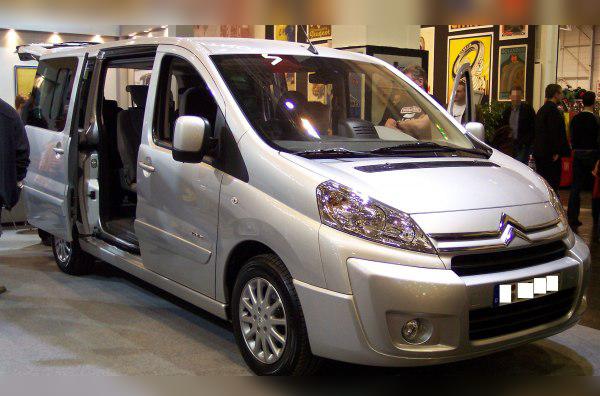
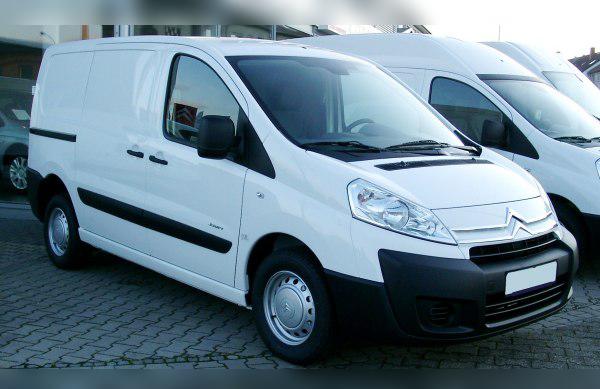
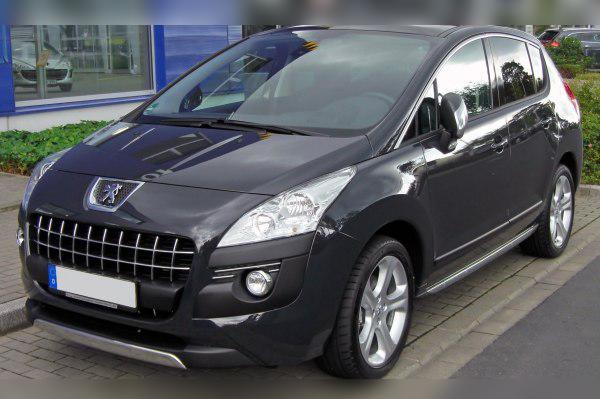
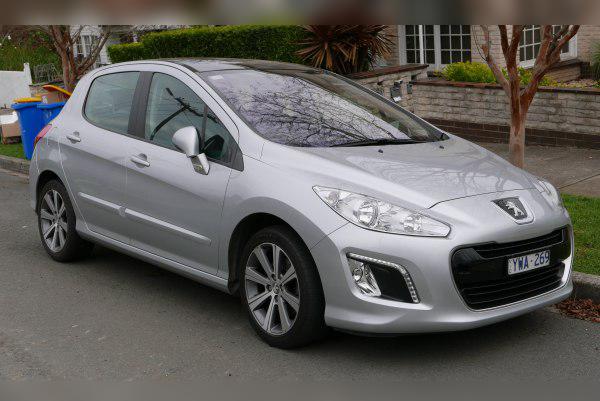
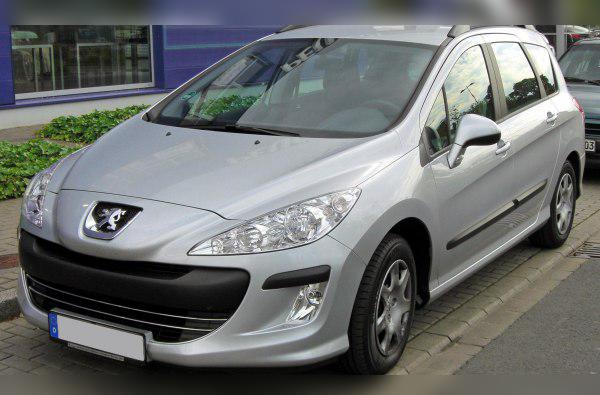
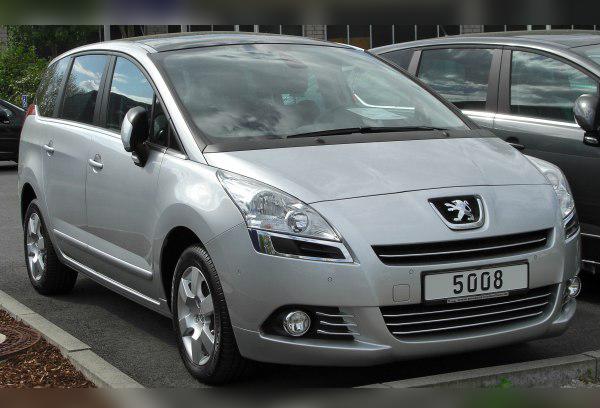
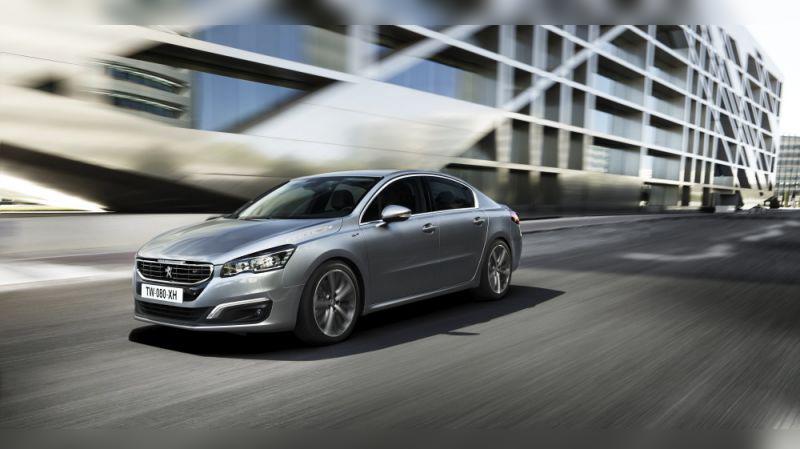
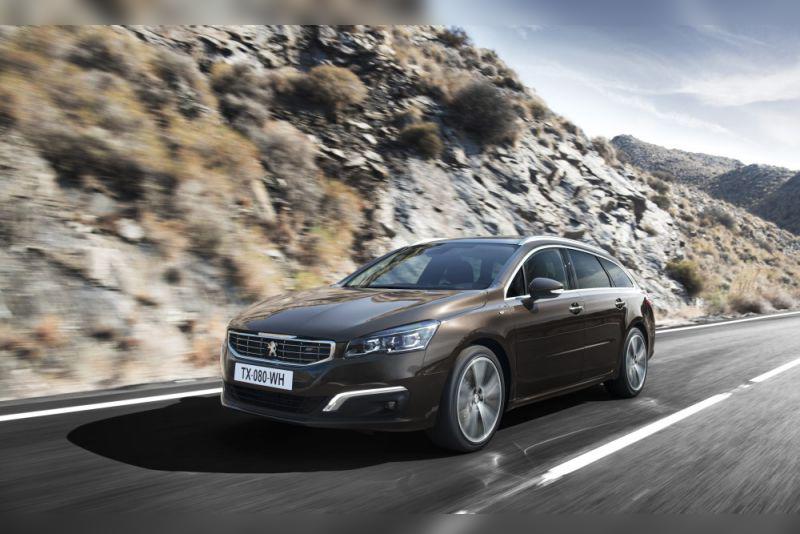
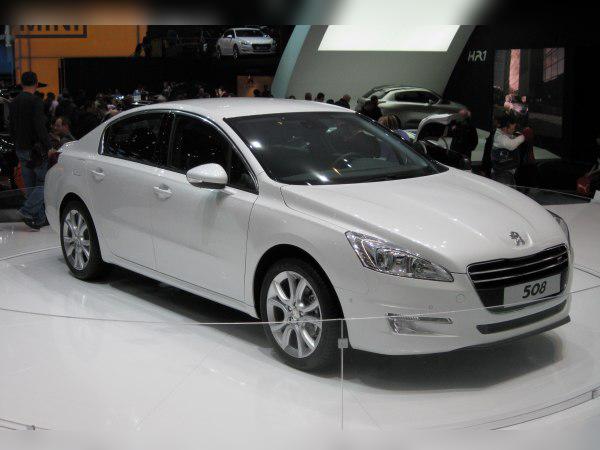
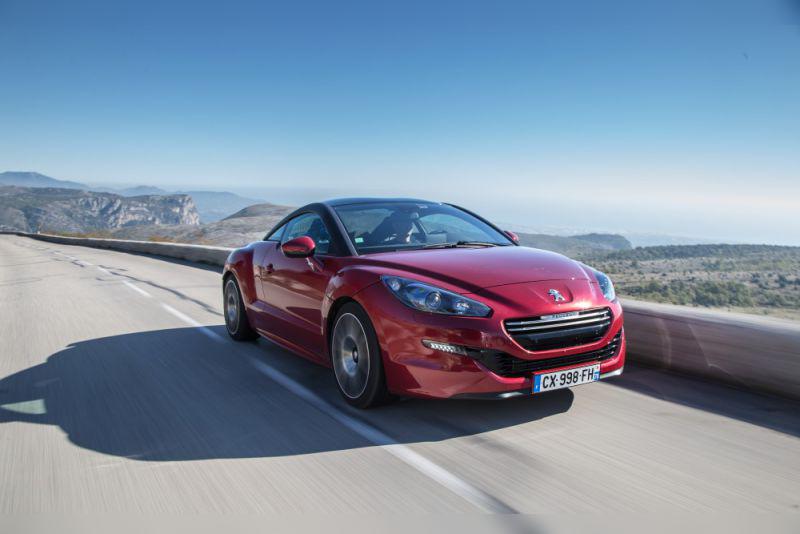
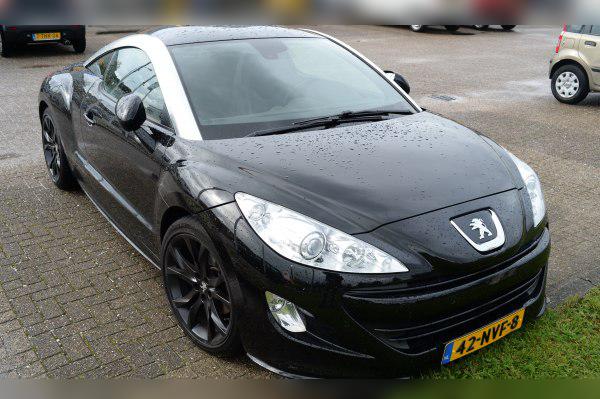
The engine with the code DW10CTED4 (often also marked as RHH) is one of the most recognizable and most reliable power units of the PSA group in the Euro 5 generation. It was installed in a wide range of vehicles, from compact sports cars like the Peugeot RCZ, through cruisers such as the Citroën C5 and Peugeot 508, all the way to heavy passenger vans like the Citroën Jumpy. With its 163 HP, this engine was designed to offer an ideal balance between serious pulling power and reasonable fuel consumption, making it a favorite among drivers who cover high mileage.
Technical specifications
| Parameter | Value |
|---|---|
| Displacement | 1997 cc |
| Power | 120 kW (163 HP) |
| Torque | 340 Nm |
| Engine codes | RHH, DW10CTED4 |
| Injection type | Common Rail (Direct injection) |
| Charging system | Turbocharger (VGT) + Intercooler |
Reliability and maintenance
Timing belt or chain?
This engine uses a combined timing system. The main drive from the crankshaft to one camshaft is via a timing belt. However, the drive between the two camshafts inside the cylinder head is handled by a small chain with a tensioner. Because of this, you must not assume there is no chain you need to worry about. The timing belt is robust, but the small chain can stretch over time and its tensioner can weaken. The symptom of this problem is pronounced metallic rattling or “clattering” on cold start until the engine builds up oil pressure. If this is ignored, the chain can damage the housing or snap, which leads to catastrophic valve damage.
Most common failures and fixes
Mechanically speaking, the engine block itself is extremely durable. The most common failures are related to emissions systems and peripherals. Clogging of the EGR valve is a standard occurrence if the car is driven on short trips (under 10 km) where the engine does not reach operating temperature of around 90 °C. Symptoms of a clogged EGR are jerking at low revs, loss of power and the “Check Engine” light coming on. Also, oil leaks at the crankshaft and camshaft seals occasionally appear after 200,000 km, which should be dealt with during a major service.
Major and minor service
Although the manufacturer specifies a major service interval at an optimistic 240,000 km or 10 years, in practice any experienced mechanic will tell you to shorten that. Due to material fatigue and temperature fluctuations, the major service should be done at 150,000 to a maximum of 160,000 km (or every 5 to 7 years). The engine takes about 5.25 to 5.5 liters of oil. Because of the FAP filter, it is absolutely mandatory to use fully synthetic 5W-30 oil that meets the PSA B71 2290 standard (Low SAPS oils, most often Total Quartz INEO ECS), in order to prevent rapid ash build-up in the filter.
Oil consumption and injector condition
This 2.0 HDi is known for not consuming oil in alarming quantities. A loss of 0.2 to 0.5 liters per 10,000 km is considered completely normal. If you notice higher consumption, the problem is usually not in the piston rings, but rather oil leaking at intake joints, or being pushed through by a worn turbocharger. As for injection, the injectors (most often Delphi piezo-electric) are long-lasting and easily cover over 200,000 to 250,000 km with quality fuel. Symptoms of injector wear are rougher idling, harder cold starts in winter and occasional increased smoke. Rebuilding is possible, but the price is quite high (depends on the market).
Specific parts and costs
Dual-mass flywheel and turbo
This engine in the manual gearbox version has a dual-mass flywheel, whose job is to tame the massive 340 Nm of torque. Its service life is on average between 160,000 and 200,000 km. Signs that the flywheel is at the end of its life are strong shuddering when taking off from a standstill, knocks when switching the engine off and vibrations in the clutch pedal. The price of a clutch kit with dual-mass flywheel is very high (depends on the market). The engine uses a single turbocharger with variable geometry (VGT). Its lifespan is excellent provided you don’t switch off a hot engine immediately after motorway driving. Failures mostly come down to the variable vanes sticking due to soot build-up (symptom: the car goes into “Safe Mode” and loses pulling power).
DPF, EGR and AdBlue system
The RHH engine from the Euro 5 generation does not use an AdBlue system (that is reserved for newer BlueHDi engines). Instead, it uses the well-known PSA FAP system with Eolys fluid. This fluid is stored in a separate tank (or pouch) and is automatically dosed into the fuel tank every time you refuel. Eolys lowers the temperature required for DPF regeneration. The Eolys pouch/tank is usually replaced or refilled at around 120,000 to 150,000 km. If the fluid level drops to a minimum, the system will display the error “Risk of particle filter clogging”. The DPF and EGR are generally reliable if the car is regularly driven on open roads.
Fuel consumption and performance
Don’t let anyone fool you with stories of 4 l/100 km. Reality is different, but still excellent considering the vehicle weight. In city driving in heavier models (C5, 508, Jumpy), consumption ranges from 7.5 to 9.0 l/100 km, especially in winter and with the automatic gearbox. However, this engine is anything but “lazy”. With 340 Nm, it carries massive bodies effortlessly. The true territory of this 2.0 HDi engine is the motorway. At speeds of 130 km/h the engine cruises at a very relaxed 2,200 to 2,400 rpm in sixth gear (depending on the gearbox), with an extremely quiet cabin and fuel consumption dropping to an excellent 5.5 to 6.5 l/100 km.
Additional options and modifications
For performance enthusiasts, the DW10CTED4 is one of the most suitable engines for so-called “chip tuning” (Stage 1). Since the injectors, high-pressure pump and turbo are sized with plenty of headroom, the engine can safely be taken from the stock 163 HP to about 190 to 200 HP, while torque jumps to an impressive 400 to 420 Nm. After a remap, throttle response is dramatically better, but you must keep in mind that higher torque wears out the dual-mass flywheel and clutch disc faster on manual gearboxes.
Gearbox and drivetrain
The 163 HP version is paired with either a six-speed manual gearbox (ML6C) or a six-speed conventional automatic (Aisin AM6 / TF-80SC).
- Manual gearbox: Extremely reliable. Synchros rarely fail, and the gear lever can become a bit “rubbery” due to wear in the shift cables. The oil in it (75W-80) should be preventively changed every 80,000 to 100,000 km to preserve the shaft bearings. The cost of the clutch and dual-mass flywheel has already been described as high, but it is still considered a consumable.
- Automatic gearbox (Aisin): This is a hydrodynamic gearbox with a torque converter, which by design does not use a classic dual-mass flywheel like the manual (it has a torque converter instead). It is extremely comfortable, but requires maintenance. The biggest mistake owners make is believing the phrase “lifetime oil”. If the oil is not changed every 60,000 km, dirt and metal shavings will destroy the valve body. Failure symptoms: strong jolts when shifting from 2nd to 3rd gear, harsh engagement into “D” or “R” while stationary, and delay when downshifting. Rebuilding the automatic is very expensive (depends on the market).
Buying used and conclusion
What must you check before buying?
When looking at a used car with this engine, focus on the following:
- Cold start: Listen carefully to the right-hand side of the engine. If you hear metallic scraping and rattling that disappears after a few seconds, the small camshaft chain is due for replacement.
- Automatic gearbox test: The gearbox must be tested when the oil is fully hot (after about 20 km of driving). A cold gearbox with a worn valve body can work perfectly, but as soon as it heats up, it will start to slam when changing gears.
- Diagnostics (Lexia / DiagBox): Be sure to check the Eolys fluid level and ash mass in the DPF filter. Check injector correction values at idle (ideally they should be as close to zero as possible; anything over +/- 1.5 indicates a problem).
- Oil leaks: Inspect the engine around the injectors and at the rear side towards the firewall where the turbo is located. Oily deposits indicate worn seals.
Who is this engine for?
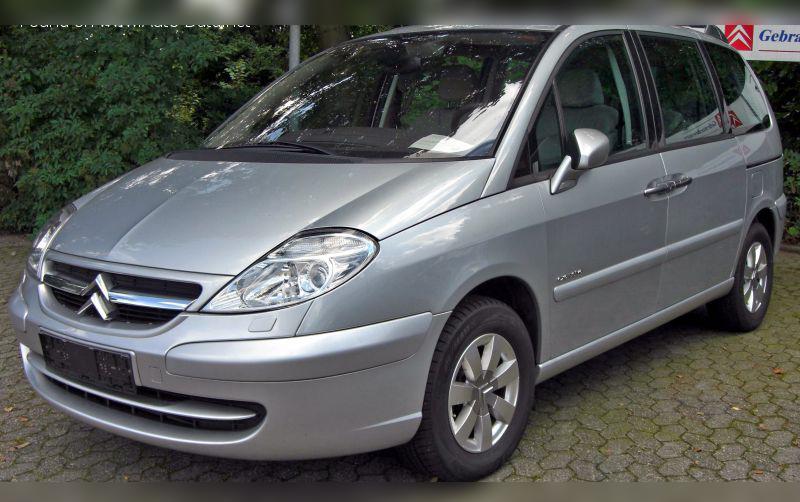
The 2.0 HDi 163 HP (RHH) engine is a true workhorse and one of the best buys in the used diesel segment. It is intended for drivers who regularly travel outside the city, use the motorway or tow trailers. In heavy vehicles such as the Citroën C5 or C8 it shows its true cruising character. If you need a car primarily for taking kids to a school 3 km away and driving in city traffic jams, skip it – the FAP system and EGR valve will quickly drain your wallet. For long journeys, this is an engine with which you can truly relax.