2.0 HDi RHK DW10UTED4 (120 HP): Experiences, problems, fuel consumption and used-buying tips
Key points in short (TL;DR)
- Extremely durable engine base, known for very high mileage when properly maintained.
- Uses a timing belt which must be replaced on time to prevent catastrophic failure.
- The engine does not have an AdBlue system, but models with a DPF use a specific Eolys fluid that needs to be refilled.
- A dual‑mass flywheel is present and its replacement is one of the more expensive maintenance items.
- In heavy vehicles (vans, MPVs with 7–9 seats) city fuel consumption is higher and the engine can feel sluggish under full load.
- Main weaknesses are related to peripherals: clogged EGR valve, FAP/DPF issues and oil leaks on crankshaft seals.
Contents
- Introduction: The French group’s workhorse
- Technical specifications
- Reliability and maintenance
- Specific parts and costs
- Fuel consumption and performance
- Additional options and modifications
- Gearbox and power delivery
- Buying used and conclusion
Introduction: The French group’s workhorse
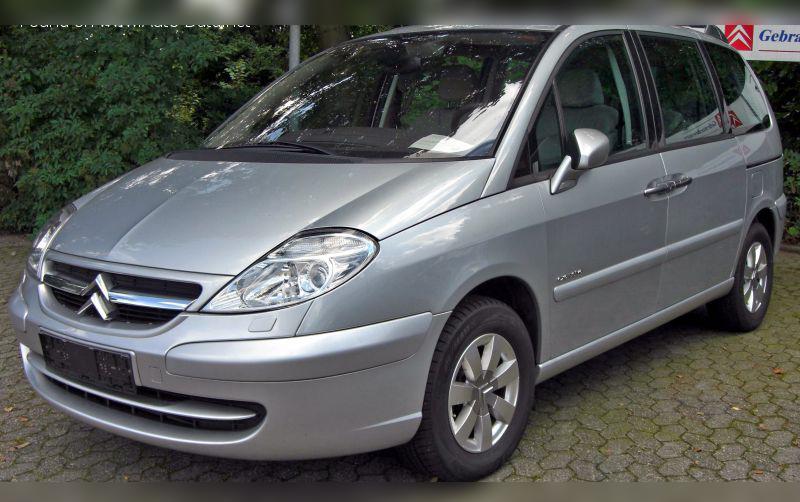
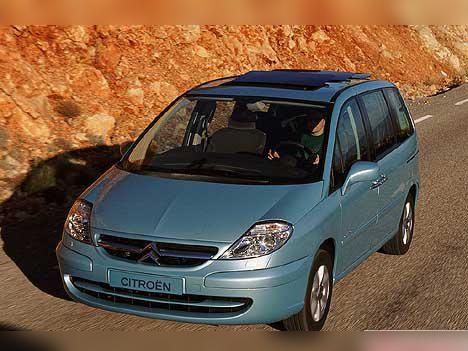
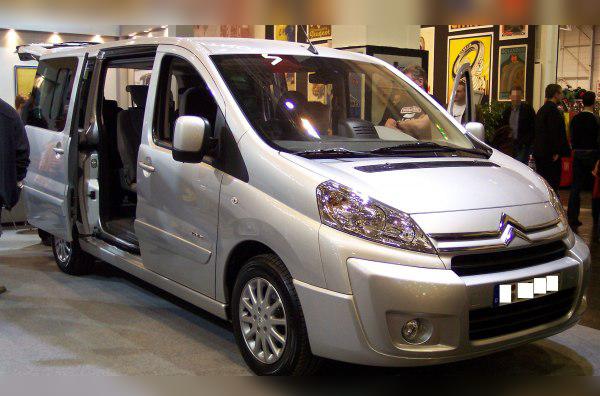
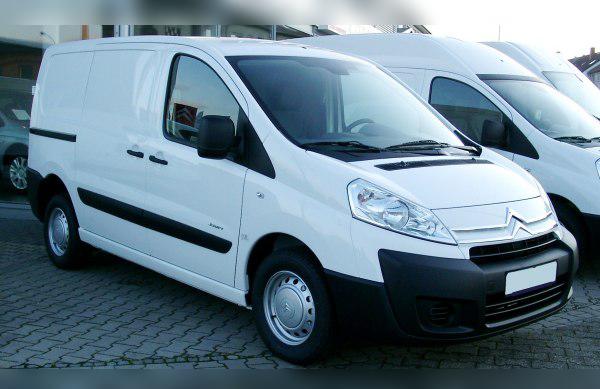
The RHK DW10UTED4 engine from the PSA group is one of the most widespread diesel units in the MPV segment and light commercial vehicles. With its 120 horsepower, this 2.0 HDi is not a racer, but a reliable workhorse designed to cope with heavy loads and carry more passengers. You most often find it in passenger and cargo versions of the Citroën Jumpy, as well as in the family cruiser Citroën C8. Its 16‑valve design brought better torque delivery and cleaner exhaust gases compared to older generations, but also introduced more complex electronics and emission systems that future owners must take care of.
Technical specifications
| Engine displacement | 1997 cc |
| Power | 88 kW (120 HP) |
| Torque | 300 Nm |
| Engine code | RHK (DW10UTED4) |
| Injection type | Common Rail (direct injection) |
| Charging | Turbocharger with intercooler |
| Camshaft drive | Timing belt (+ short chain between camshafts) |
Reliability and maintenance
Does this engine have a timing belt or a chain?
This engine uses a timing belt to drive the camshaft and high‑pressure pump. However, since this is a twin‑cam (16V) engine, there is also a small timing chain that connects the intake and exhaust camshafts inside the cylinder head. The belt is primary, and if it snaps it leads to severe engine damage (bent valves and damaged rocker arms).
What are the most common failures on this engine?
The block and crankshaft mechanics themselves are virtually indestructible, but the peripherals cause headaches. The most common issues are with the EGR valve, which sticks due to soot build‑up, resulting in power loss and black smoke. Oil leaks on the crankshaft seal and valve cover are a regular occurrence on engines with over 200,000 km. The fuel pressure sensor and pressure regulator on the pump can also fail, causing unstable idle or stalling while driving.
At what mileage should the major service be done?
Although the manufacturer lists optimistic intervals for some markets (up to 160,000 km or 10 years), real‑world practice and any experienced mechanic will tell you that the major service (replacement of timing belt, tensioners, idlers and water pump) should be done at 100,000 to 120,000 km or every 5 to 6 years, whichever comes first. The small chain between the camshafts is usually replaced every second major service or if it starts rattling on a cold start.
Oil: quantity, grade and consumption
The DW10UTED4 engine takes about 5.25 liters of oil (including the filter). If the vehicle has a DPF (FAP) filter, it is MANDATORY to use oil that meets the Low SAPS specification (most commonly 5W‑30, e.g. Total Quartz Ineo ECS). If the car does not have a factory‑fitted DPF, a quality 5W‑40 synthetic can also be used. As for oil consumption, a healthy 2.0 HDi uses very little. A loss of 0.5 to 1 liter per 10,000 km is considered normal due to evaporation and minimal passage through the turbocharger. Anything above that points to a problem (most often worn valve stem seals, turbo leakage or gasket/seal leaks).
How long do the injectors last and how reliable are they?
The injection system is usually Siemens/VDO. The injectors are extremely robust and it is not uncommon for them to last 250,000 to 300,000 km without overhaul. Symptoms of worn injectors are hard starting in winter, “clicking” of the engine under load and grey smoke from the exhaust. What you should pay attention to are the copper washers (injector sealing washers) – if they fail, you will hear a characteristic “hissing” sound around the engine and a black, tar‑like mass will build up around the injector, which can damage the engine if ignored.
Specific parts and costs
Does the engine have a dual‑mass flywheel?
Yes, this engine is always paired with a dual‑mass flywheel. Since it is installed in heavy vehicles (Jumpy, C8), the flywheel is under huge stress, especially in stop‑and‑go city driving. Replacing the complete clutch and dual‑mass flywheel set is an expensive job: prices range from 450 to 800 EUR (depending on the market) depending on the parts manufacturer and labor cost. Symptoms of failure are strong vibrations at idle, thumps when starting and shutting off the engine, and difficulty engaging gears.
Turbocharger
The engine has a single turbocharger and it is very durable, provided the oil is changed on time (recommended every 10,000 to 15,000 km, not more). Its service life is generally over 250,000 km. If you hear a loud siren‑like whistle when you press the accelerator, or the car is losing oil without visible external leaks, the turbo shaft has developed play and it is ready for overhaul.
DPF filter, EGR and AdBlue system
Pay attention to the model list – some have a DPF, some do not. On those with a DPF (PSA calls it a FAP filter), the filter often clogs in city driving. This engine DOES NOT USE AdBlue fluid (that system is for newer Euro 6 engines), but the FAP system on this engine uses a special Eolys fluid (cerium) stored in a separate tank and automatically dosed into the fuel tank at each refuelling to aid filter regeneration. Eolys fluid must be topped up at approximately 120,000 to 150,000 km, and it is not cheap (around 100 to 200 EUR, depending on the market). The EGR valve is cleaned mechanically, but if the gears inside it break, it has to be replaced.
Fuel consumption and performance
What is the real fuel consumption in city driving?
Due to the high vehicle weight (often over 1.8 tons empty) and large frontal area, city fuel consumption is not low. In real conditions, in heavy traffic, expect consumption between 8.5 and 10.5 liters per 100 km. On open roads it drops to a reasonable 6.5 l/100 km.
Is this engine “lazy”?
With 120 HP and 300 Nm, when the vehicle is empty or carrying just two people, the engine is perfectly adequate. However, if you fill a Citroën C8 with 7 passengers or load a Jumpy with 9 passengers and luggage, the engine will show its limits. Overtaking will require planning and downshifting. For truly brisk performance in these bodies, the stronger 136 HP version is preferable.
How does the engine behave on the motorway?
Thanks to the six‑speed gearbox, the engine feels great on the motorway. At a cruising speed of 130 km/h in sixth gear, the engine runs at about 2,400 to 2,600 rpm (depending on the exact final drive ratio on C8 or Jumpy models). Noise levels are pleasant, and fuel consumption at that speed is around 7.5 to 8.5 liters.
Additional options and modifications
How far can this engine be safely tuned (Stage 1)?
The DW10UTED4 is an excellent candidate for a software power increase (Stage 1 chiptuning). It can safely be taken to 145 to 150 HP and torque to about 350 to 360 Nm. This drastically changes the vehicle’s behavior – it will be much easier to drive under load and the “turbo lag” will be reduced. However, before tuning, you must check the condition of the dual‑mass flywheel and clutch, because the increased torque will quickly finish off a worn flywheel.
Gearbox
Which gearboxes are fitted?
This particular 120 HP engine version usually comes only with a six‑speed manual gearbox (most commonly code ML6C). Automatic gearboxes are mostly reserved for more powerful versions of this engine (136 HP or more), so they are a real rarity on the used‑car market for the 120 HP variant.
Gearbox failures and maintenance
The manual gearbox is mechanically strong and does not fall apart easily, but it has an issue with precision. A common failure on Jumpy and C8 models are the gear selector cables, which stretch or whose bushings deteriorate, so the gear lever becomes “like in dough” and engaging gears becomes difficult. We have already mentioned the cost of clutch and flywheel replacement as an item of over 500 EUR on average. As for maintaining the gearbox itself, the manufacturer claims the oil is “lifetime”, but that is a myth. The oil in the manual gearbox must be changed every 60,000 to 80,000 km. It usually takes just under 2 liters of 75W‑80 oil, which is not expensive (around 30 to 50 EUR with labor, depending on the market), and it extends the life of the synchros and bearings.
Buying used and conclusion
When you buy a C8 or Jumpy with the 2.0 HDi 120 HP engine, you know you are buying a work vehicle. Very few of these cars on the classifieds have a genuine 150,000 km; be prepared for the reality of 300,000+ km. Before buying:
- Listen to the engine when cold: There should be no rattling from the small chain or dull knocks indicating a worn flywheel.
- Visual inspection of injectors: Remove the plastic cover and check whether there is black tar‑like residue around the injectors (sign of leaking washers).
- Test drive: Accelerate hard in third or fourth gear. If it emits thick black smoke, the EGR is probably dirty or the intercooler hoses are cracked.
- Diagnostics are MANDATORY: Check the Eolys fluid level and FAP filter saturation via live data. Repairing these emission systems can cost up to a third of the value of the entire used vehicle.
Conclusion: The RHK DW10UTED4 is truly a reliable piece of French engineering. It is intended for drivers whose primary need is space and transporting cargo/more passengers over longer distances, while keeping maintenance at an average level, familiar to any good mechanic. It is not suited to short city trips, where a clogged DPF and EGR will kill it. If you find a well‑maintained example with a healthy flywheel, it will serve you for a very long time.