2.0 HDi RHR DW10BTED4 Engine (136 HP): Experiences, Problems, Fuel Consumption and Used Car Buying Tips
- Extremely durable and long-lasting engine block; with proper maintenance it easily exceeds 400,000 km.
- Uses a timing belt, and the major service is not excessively expensive, but it must be done on time.
- Equipped with a dual-mass flywheel whose replacement is a significant, but expected expense on used cars.
- Has a FAP (DPF) filter that uses a special additive (Eolys), which requires specific maintenance.
- This model does not have an AdBlue system, which saves you from the usual issues with urea pumps and injectors that plague newer generations.
- Fuel consumption is very well balanced considering the power output, and the engine offers excellent performance even in heavy bodies (such as the C5 or 407).
- Automatic gearboxes differ drastically in quality – the conventional Aisin is recommended, while the robotized EGS should be avoided.
Contents
- Introduction: About the Engine and Its Applications
- Technical Specifications
- Reliability and Maintenance
- Specific Components (Costs and Failures)
- Fuel Consumption and Performance
- Additional Options and Modifications
- Gearbox and Drivetrain
- Buying Used and Conclusion
Introduction: About the Engine and Its Applications
When the 2.0‑liter diesel from the PSA group is mentioned among mechanics, it usually comes with an approving nod. The engine designated as RHR (DW10BTED4), delivering 100 kW (136 HP), represents a transitional 16‑valve generation of the proven 2.0 HDi engine. Developed in cooperation between PSA and Ford, this powerplant has become a true workhorse across Europe.
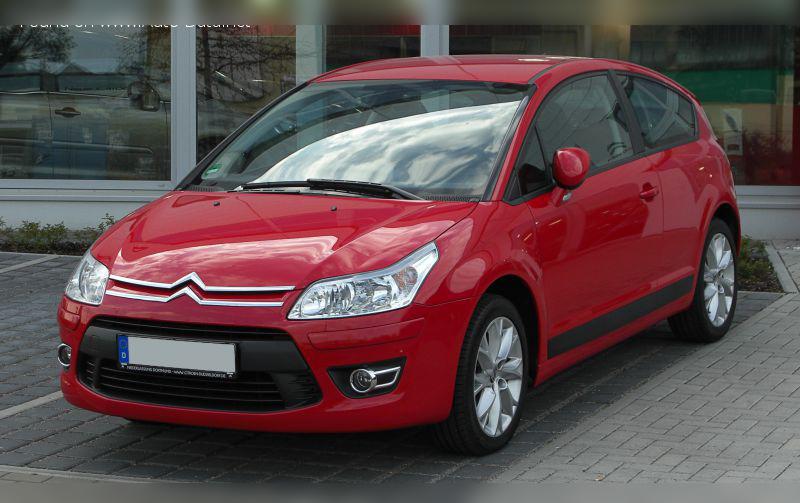
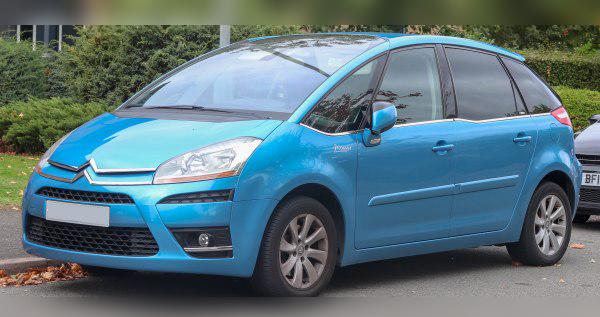
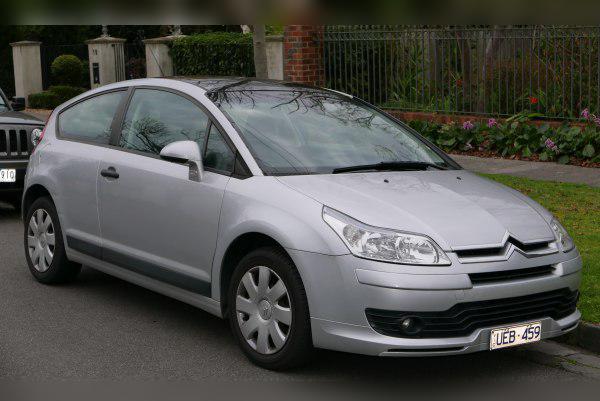
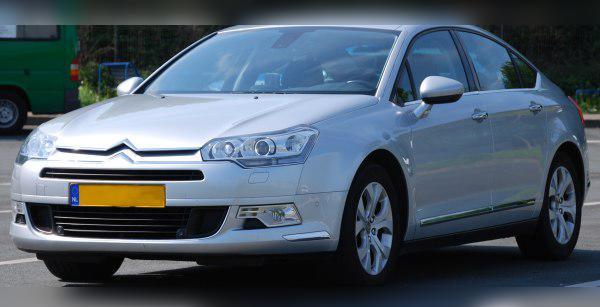
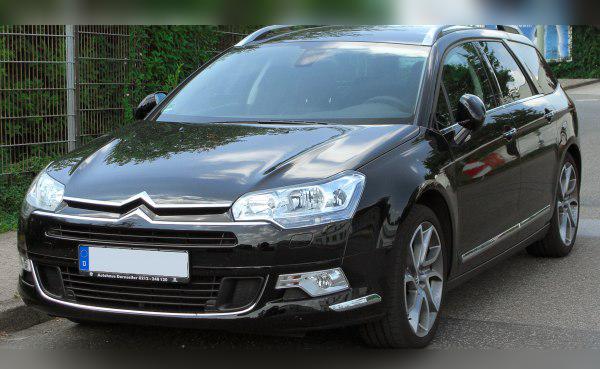
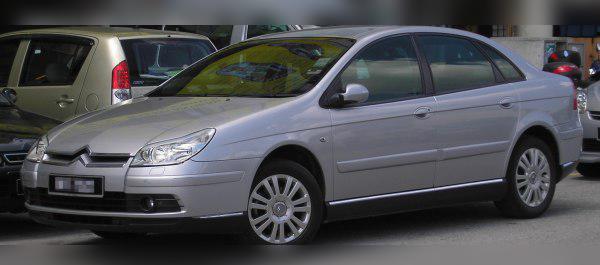
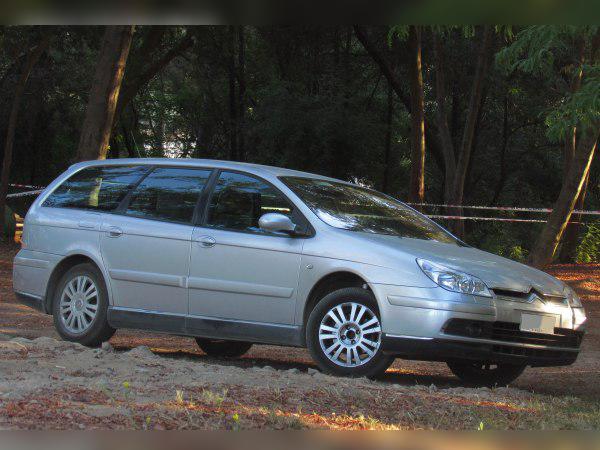
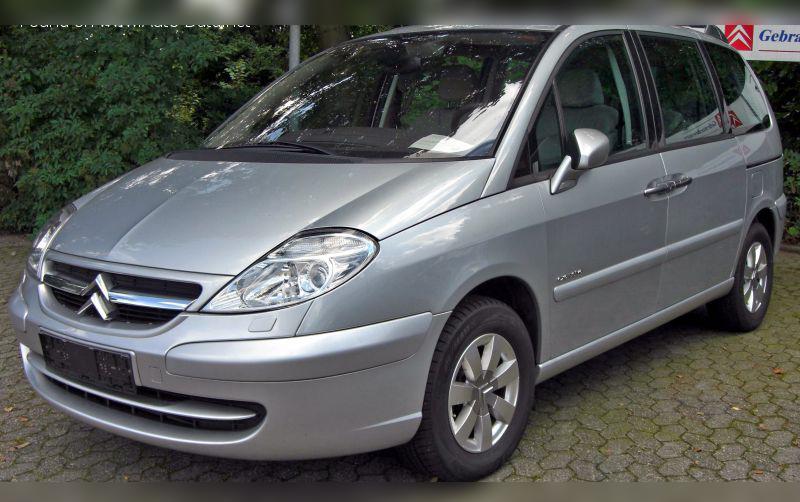
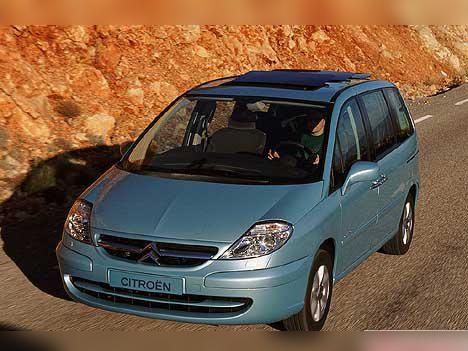
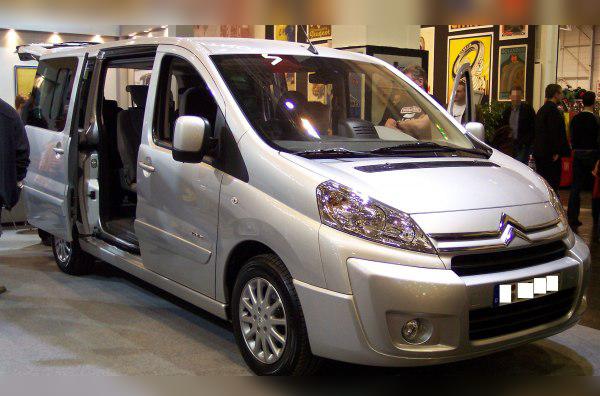
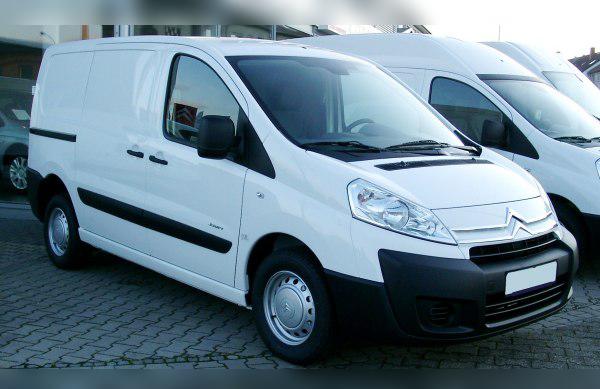
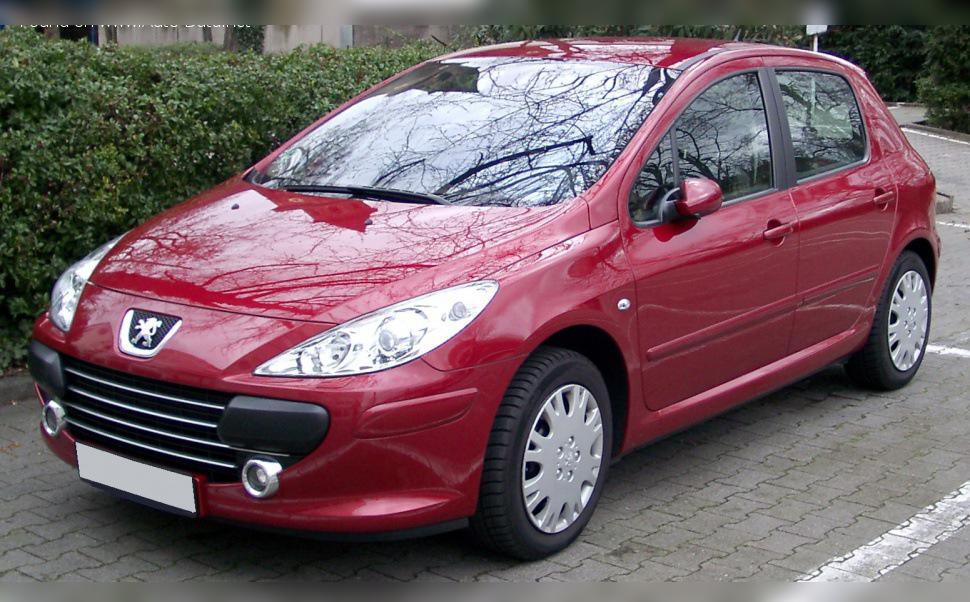
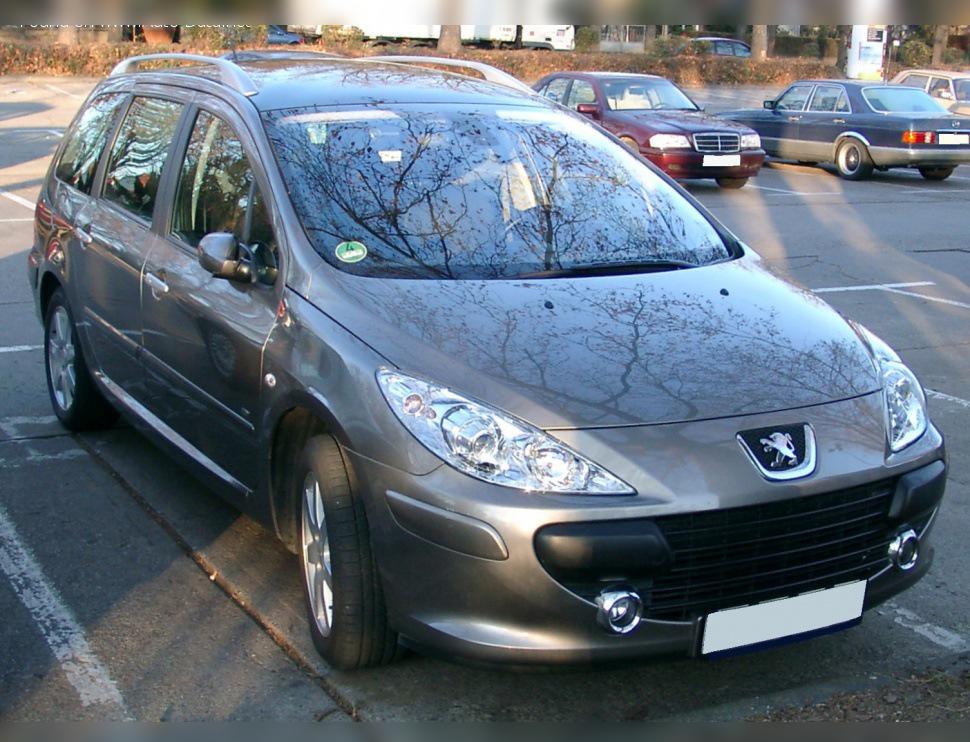
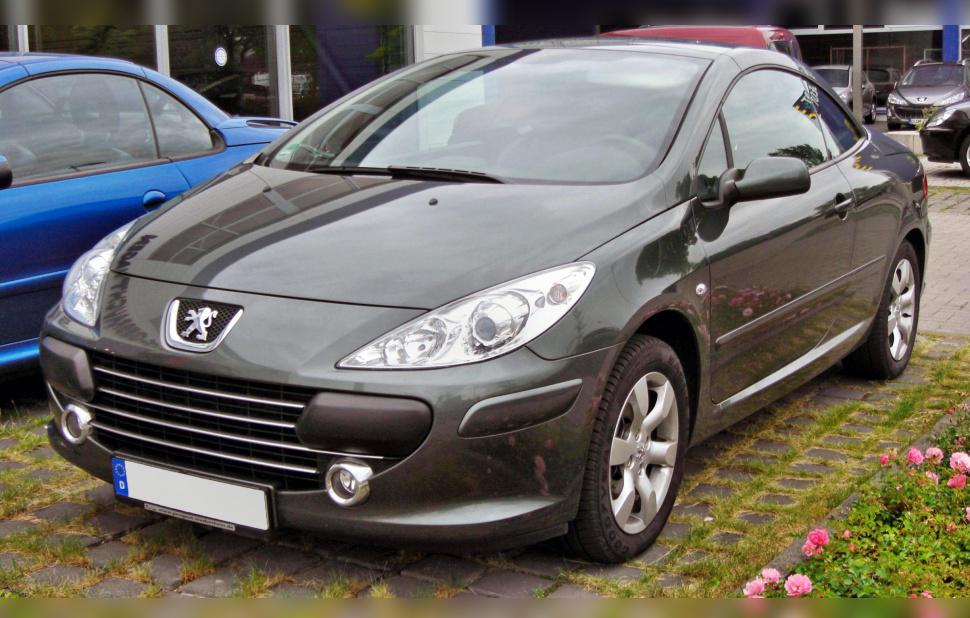
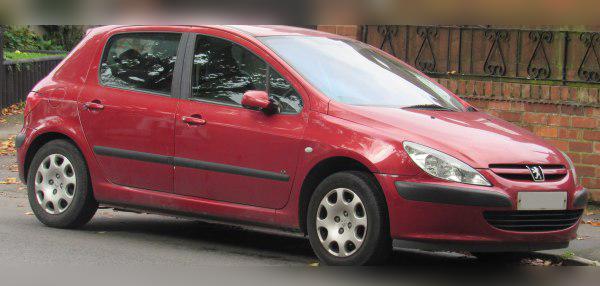
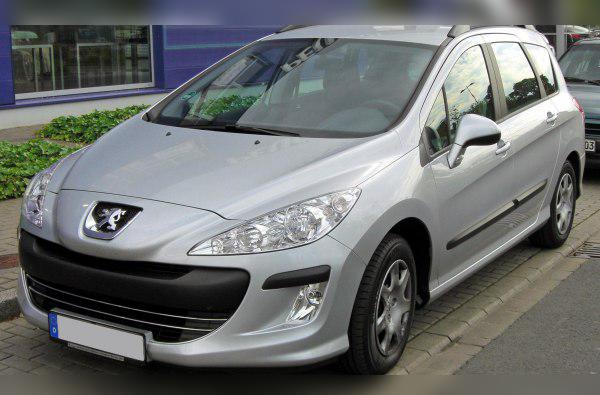
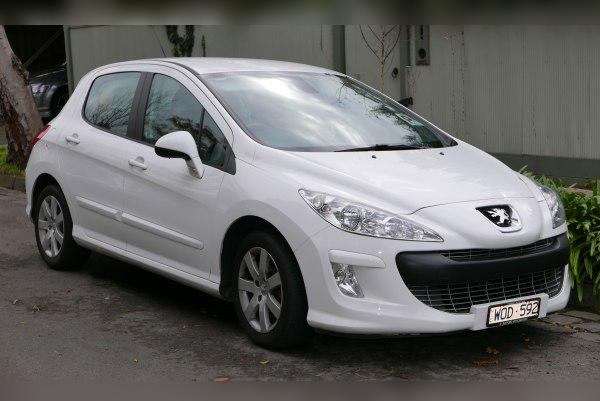
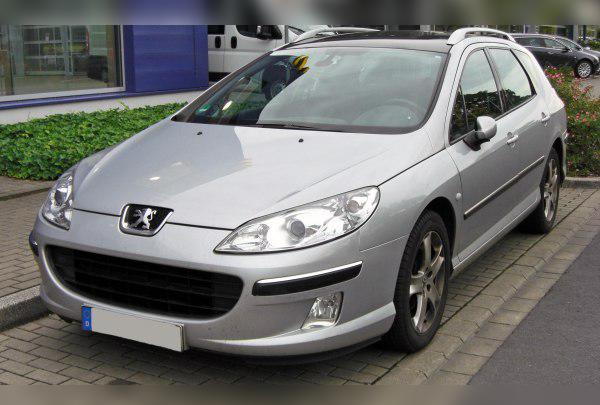
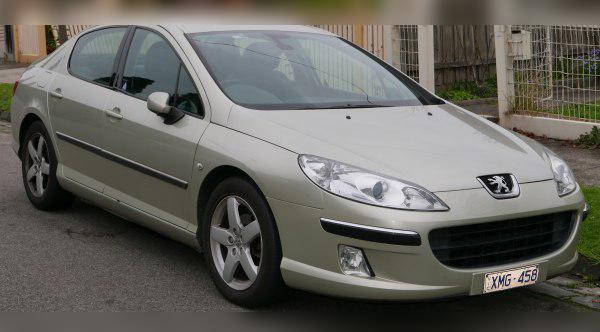
It was installed in a huge number of vehicles: from compact hatchbacks like the Peugeot 307 and 308, through family MPVs such as the Citroën C4 Picasso and C8, all the way to heavy D‑segment models like the Peugeot 407 and Citroën C5. Its versatility lies in the fact that it provides enough torque for heavy vehicles while retaining the manners of a refined and relatively economical diesel. If you are looking for a used car for long distances, there is a high chance you will come across this very engine under the bonnet.
Technical Specifications
| Engine displacement: | 1997 cc |
| Engine power: | 100 kW (136 HP) |
| Torque: | 320 Nm |
| Engine code: | RHR / DW10BTED4 |
| Injection type: | Common Rail (Siemens/VDO or Delphi) |
| Charging system: | Turbocharger with variable geometry (VGT), intercooler |
| Fuel type: | Diesel |
Reliability and Maintenance
Timing belt and major service
This engine uses a timing belt for the valvetrain, not a chain. Factory intervals for the major service (replacement of belt, tensioners, idlers and water pump) in the PSA group are, in theory, extremely long, often stated as up to 240,000 km or 10 years. However, based on workshop practice and experience, this is overly optimistic. The recommendation is to do the major service at a maximum of 150,000 to 160,000 km, or every 5 to 6 years. A snapped belt on this engine causes serious damage to the valves and cylinder head, and repairs are very expensive (depending on the market).
Lubrication system: Oil and consumption
The sump of this engine holds about 5.25 liters of oil. Due to the presence of a FAP (DPF) filter, it is absolutely mandatory to use low‑ash (Low‑SAPS) oil. The recommended grade is 5W-30 (most commonly Total Quartz Ineo ECS). When mechanically healthy, this engine is not known as an “oil burner”. A loss of about 0.3 to 0.5 liters per 10,000 km is considered completely normal. If you notice higher oil consumption, the usual culprits are not the piston rings, but a worn turbocharger letting oil into the intake, or hardened valve stem seals.
Injection system: How long do the injectors last?
On RHR engines we most often see Siemens (VDO) piezoelectric injectors, and more rarely Delphi systems. The injectors have proven to be very durable and often easily exceed 250,000 km. However, they are very sensitive to poor fuel quality and the presence of water in the system. Symptoms indicating that the injectors need overhauling (or replacement) include: rough idle (the engine shakes before it warms up), increased fuel consumption, hard starting and black smoke under sudden acceleration. Repairing piezo injectors can be challenging and expensive (depending on the market), so regular fuel filter replacement (every 20,000 km) is the best prevention.
Specific Components (Costs and Failures)
Dual-mass flywheel
Like any more powerful modern turbo diesel, this engine is equipped with a dual-mass flywheel. Its service life is usually between 150,000 and 200,000 km, depending on driving style (frequent stop‑and‑go city driving wears it out faster). How can you tell the flywheel is at the end of its life? You will feel strong vibrations through the clutch pedal, a metallic “clack” when switching the engine off without pressing the clutch, or judder when moving off from a standstill. A complete clutch kit with dual‑mass flywheel falls into the “expensive” category (depending on the market).
Turbocharger
The RHR engine uses a variable geometry turbocharger (VGT). The turbo itself is robust, but its lifespan is shortened by irregular oil changes. The most common problem is not just turbo failure, but clogging of the oil feed pipe to the turbo. Another frequent issue is related to the electro‑vacuum valve (actuator) that controls the turbo geometry. Symptoms include loss of power (the engine goes into “Safe mode” or “Limp mode”) accompanied by the “Antipollution fault” warning light.
EGR valve, DPF (FAP) filter and AdBlue
This engine belongs to the Euro 4 generation and does not have an AdBlue system, which is a huge advantage because you will not have problems with urea crystallization and failing pumps. However, it does have a first‑generation FAP filter that uses a special additive called Eolys. This additive is stored in a separate tank and is automatically dosed into the fuel to lower the soot combustion temperature. The additive tank must be refilled at approximately 100,000 to 120,000 km. If the car is driven mostly in the city, the FAP filter will inevitably clog. Symptoms include frequent regenerations (the radiator fan runs constantly), lack of power and warning messages on the dashboard.
The EGR valve is also a weak point. It easily gets clogged with soot and can stick in the open position, which leads to the engine choking at low revs and black smoke from the exhaust.
Fuel Consumption and Performance
City and highway driving
For a two‑liter engine, fuel consumption is quite reasonable. In city driving conditions, real‑world consumption ranges from 7.5 to 8.5 l/100 km, depending on vehicle weight (a heavier C5 or Peugeot 807 will be closer to the upper limit, and can even exceed 9 l/100 km in winter with an automatic gearbox). On open roads and main highways, consumption drops significantly and can easily be kept around 5.0 to 5.5 l/100 km.
Behavior on motorways and agility
This engine is anything but “lazy”. With 320 Nm of torque available already at low revs, it easily pulls even massive bodies such as the Citroën C4 Grand Picasso or Peugeot 407. Overtaking is safe and does not require frequent downshifts. On the motorway it is in its natural habitat. At 130 km/h in sixth gear (with the manual gearbox), the engine cruises at about 2,200 to 2,400 rpm. This means the cabin is very quiet, and fuel consumption at that speed is around 6.0 l/100 km.
Additional Options and Modifications
Chipping (Stage 1)
The DW10BTED4 engine responds very well to so‑called “chip tuning” (ECU remapping). The engine block, injectors and turbocharger have excellent factory tolerances. A safe Stage 1 remap can raise power from the stock 136 HP to about 165 to 170 HP, while torque increases to an impressive 380 to 400 Nm. The driver will notice significantly better acceleration, especially from 1,800 rpm upwards. However, a note of caution: before such a modification, the clutch and dual‑mass flywheel must be in perfect condition, because the increased torque can easily “kill” an already worn clutch.
Gearbox and Drivetrain
Manual gearboxes and clutch
An excellent six‑speed manual gearbox (most often the ML6C) is fitted as standard. It is very robust and rarely causes headaches. Although the manufacturer claims that the gearbox oil is “lifetime filled”, any experienced mechanic will tell you that manual gearbox oil should be changed every 60,000 to 80,000 km. The costs of replacing the clutch kit and dual‑mass flywheel have already been mentioned – this is a standard but unavoidable expense.
Automatic gearboxes: Aisin vs EGS
You need to be very careful when buying, because models with this engine come with two completely different types of “automatics”:
- Conventional automatic (Aisin AM6): This is a top‑class Japanese gearbox with a torque converter. It shifts smoothly and is very reliable, provided that the oil has been changed regularly (every 60,000 km with a machine flush). If you feel jerks when shifting from P to D or R, or harsh shifts from second to third gear, this indicates a problem with the valve body, and repairs are very expensive (depending on the market).
- Robotized gearbox (EGS/BMP6): Most commonly found in Citroën C4 Picasso models. This is actually a manual gearbox operated by actuators and electronics. It is very slow, jerks when changing gears and requires the driver to adapt (lifting off the throttle before it shifts). On this gearbox the clutch kit and flywheel wear out just like on a manual, and failures of the actuator itself (the “robot”) are frequent and fall into the “expensive” category (depending on the market). If you can, avoid this gearbox.
Buying Used and Conclusion
What to check before buying?
When looking at a used car with the 2.0 HDi (136 HP) engine, make sure you do the following:
- Cold start: The engine should start “on half a turn” without harsh vibrations. If it shakes or emits a cloud of grey smoke, the problem is with the glow plugs or injectors.
- Flywheel noise: Listen to the car idling with the door open. Press and release the clutch several times. A change in sound to a metallic rattle means you should start saving for a new flywheel.
- Exhaust condition: Floor the throttle at operating temperature. Black smoke indicates a faulty EGR or a split intercooler hose. If the exhaust tip is completely black and sooty, the FAP filter has most likely been physically removed (which can be an issue at the technical inspection/MOT).
- Diagnostics (Lexia / Diagbox): Do not buy the car without dedicated PSA diagnostics. The mechanic must check FAP filter saturation, the amount of Eolys additive and injector correction values.
Final conclusion
The 2.0 HDi RHR (136 HP) engine is definitely one of the best and most reliable diesels from the first decade of the 2000s. It is intended for drivers who cover higher mileages and need power for long journeys or hauling heavier bodies. Its weaknesses (EGR, FAP, flywheel) are not the result of poor engineering, but normal ailments of modern diesels caused by usage and unfavorable city‑driving conditions. If you find an example with a well‑documented service history, you will get a comfortable, powerful and economical car that will not let you down.