2.0 HDi 109 HP Engine (RHZ DW10ATED): Experiences, Problems, Fuel Consumption and Used-Car Buying Tips
- Excellent reliability: One of the most durable diesel engines from the PSA group; with regular maintenance it easily exceeds 400,000 km.
- Timing belt: The engine uses a timing belt, and the major service is affordable and done at around 100,000 km.
- Injection system: The common-rail system (most often Bosch) is extremely long-lasting, and the injectors are not considered problematic parts.
- Dual-mass flywheel: Present in this 109 HP version, which adds extra cost when replacing the clutch.
- EGR and FAP filter: The EGR valve tends to clog up from city driving. Some models have an early FAP filter with Eolys fluid, while there is no AdBlue system on this engine.
- Automatic gearbox (AL4): If you are buying an automatic, be very careful; the AL4 gearbox is known for valve issues and overheating.
- Buying verdict: A fantastic choice as a used car, provided you find an example that hasn’t been “killed” by poor maintenance and bad remapping.
Contents
- Introduction: Getting to know PSA’s workhorse
- Technical specifications
- Reliability and Maintenance
- Specific Parts and Costs
- Fuel Consumption and Performance
- Additional Options and Modifications
- Gearbox and Power Delivery
- Buying Used and Conclusion
Introduction: Getting to know PSA’s workhorse
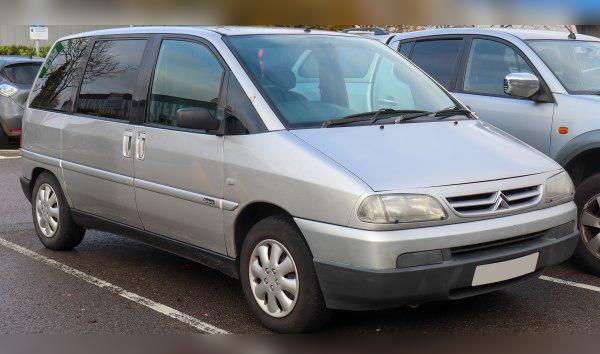
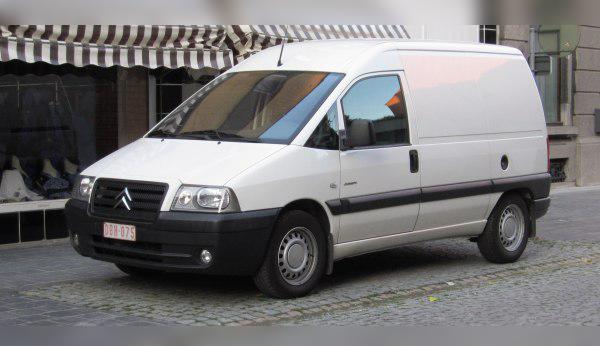
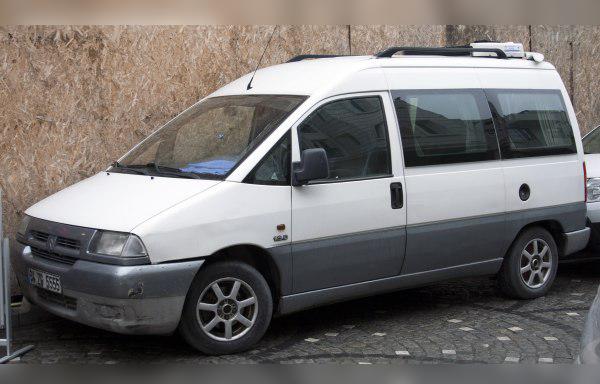
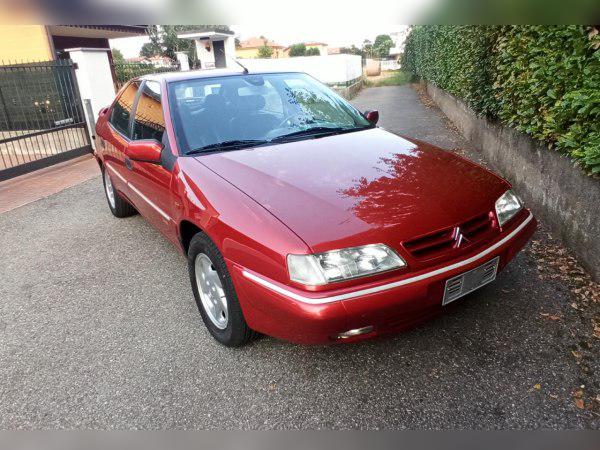
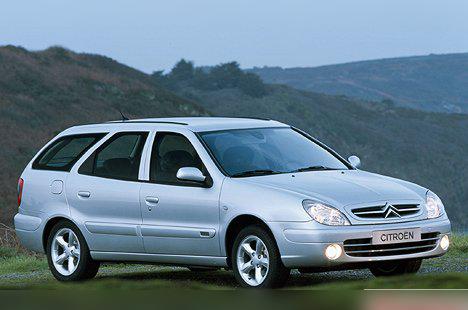
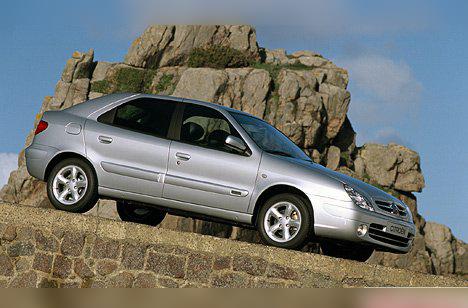
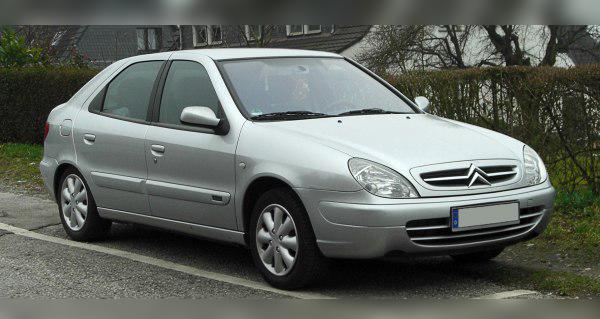
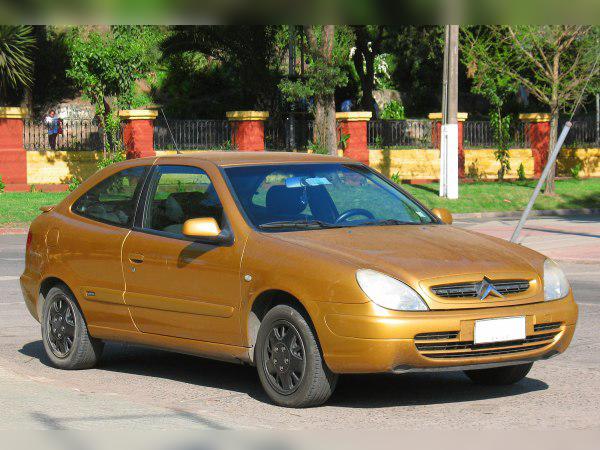
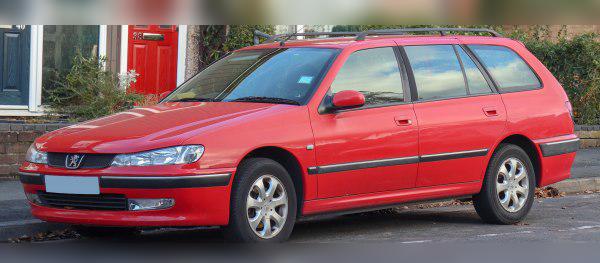
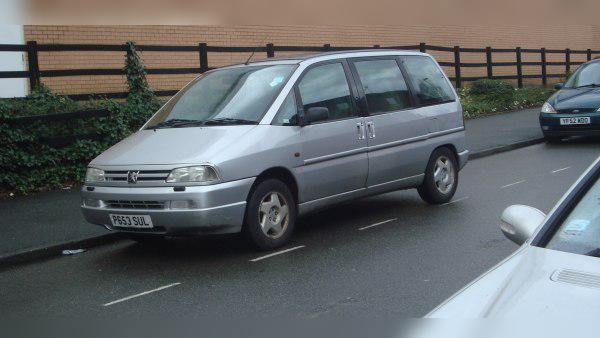
When people talk about the transition from old, noisy diesels to modern common-rail technology in the late nineties, the 2.0 HDi engine with code RHZ (DW10ATED) marks a real turning point. With its 109 horsepower (80 kW), this 8-valve engine became synonymous with longevity and flexibility. It was installed in a wide range of vehicles – from light commercial vans and MPVs such as the Citroën Evasion, Jumpy and Peugeot 806, through elegant saloons like the Peugeot 406, all the way to compact models such as the Citroën Xsara and Xantia.
What sets this engine apart in a sea of others is its simple mechanical design combined with, for that time, advanced fuel injection. Drivers love it because it forgives mistakes, mechanics love it because it is easy to work on, and on the used-car market it is considered one of the safest choices if you are looking for an older diesel car.
Technical specifications
| Parameter | Value |
|---|---|
| Engine displacement | 1997 cc |
| Engine power | 80 kW (109 HP) |
| Torque | 250 Nm |
| Engine codes | RHZ, DW10ATED |
| Fuel type | Diesel |
| Injection type | Common rail (Direct injection) |
| Charging method | Turbocharger (Fixed-geometry turbo or early VGT, depending on model) |
Reliability and Maintenance
Timing drive: Timing belt
The RHZ DW10ATED engine uses a classic timing belt, not a chain. The timing drive also includes the water pump, which means the system is relatively simple and does not suffer from chain-stretch issues that we see on newer engines.
Service intervals
The manufacturer’s recommendation for the major service (replacement of timing belt, rollers, tensioner and water pump) was often an optimistic 160,000 km, but experienced mechanics generally advise doing this job every 100,000 to 120,000 km or every 5 to 7 years. The cost of the major service falls into the category: not expensive (depends on the market).
Oil and oil consumption
This two-liter block takes about 4.2 to 4.5 liters of engine oil. The factory and experts recommend 5W-40 or 10W-40 with PSA B71 2296 specification. As for oil consumption, this is an exceptionally “tight” engine. A healthy unit almost doesn’t consume oil between two minor services (which should be done every 10,000–15,000 km). A loss of up to 0.5 liters per 10,000 km is considered completely normal. If the engine starts consuming significantly more oil, the problem is usually not in the piston rings, but in a worn turbo that lets oil into the intake or in valve stem seals.
Condition of injectors
As with any diesel, the injection system is the heart of the setup. A Bosch system was mostly used (although there are Siemens variants in some versions). Bosch injectors on this engine are extremely durable and reliable. It is not uncommon for them to last 300,000 to 400,000 km without overhaul. When they start failing due to poor fuel or age, the driver will notice symptoms such as difficult cold starts in the morning, rough idle (engine shaking) and black smoke from the exhaust under full throttle. These injectors can be overhauled and the cost falls into the category: not too expensive (depends on the market).
Specific Parts and Costs
Dual-mass flywheel
Unlike the weaker 90 HP version (RHY), which mostly has a solid flywheel, this more powerful 109 HP engine has a dual-mass flywheel. Its role is to dampen the strong vibrations produced by the 250 Nm of torque. Its lifespan is usually between 150,000 and 200,000 km, depending on driving style. Symptoms of failure include metallic rattling at idle, a thump when switching the engine off, and strong vibrations in the clutch pedal. Replacement of the complete set (flywheel, clutch disc, pressure plate, release bearing) is mandatory and falls into the cost category: expensive (depends on the market).
Injection system and turbocharger
The system is supplied by a high-pressure pump (usually the legendary Bosch CP1), which is practically indestructible, provided there is no sawdust or water in the tank. The turbo is a standard unit (most often KKK or Garrett) and will last as long as the engine itself if the oil is changed regularly and you avoid switching the engine off immediately after hard motorway driving. Symptoms of a bad turbo are a loud “whining” sound (like a police siren), bluish smoke and loss of power.
EGR valve, DPF (FAP) and AdBlue
EGR valve: It is present and very often clogs with soot, especially if the car is driven exclusively in city conditions at low revs. Symptoms are jerking at around 2000 rpm and loss of power. Cleaning solves the problem.
DPF (FAP filter): Caution! Although this is an older engine, PSA started early implementation of the FAP (Filtre à Particules) system on 406 and Evasion models with this engine. Some models have it, some don’t (you need to check by VIN). The system uses a special fluid (Eolys) for regeneration, which must be topped up. When the filter clogs, the car goes into limp mode and won’t rev past 3000 rpm.
AdBlue: This engine does not have an AdBlue system because it belongs to the Euro 3 / early Euro 4 generation, and is therefore spared the issues with SCR catalysts, pumps and AdBlue injectors that plague modern diesels.
Fuel Consumption and Performance
Real-world fuel consumption depends on the body the engine is pulling. In lighter cars like the Citroën Xsara, the engine feels very lively; in the city it uses about 6.5 to 7.5 l/100 km, while on the open road it can drop below 5 liters. However, in heavy MPVs (Peugeot 806, Citroën Evasion, Jumpy van), city consumption easily goes over 8.5 to 9.5 l/100 km.
Is it “lazy”? In the Xsara and 406, 109 HP and 250 Nm are more than enough for dynamic driving and safe overtaking. In 9-seater vans, with full load, acceleration is slow, but thanks to diesel torque the engine doesn’t run out of breath on climbs – it pulls like a locomotive.
On the motorway, at 130 km/h in fifth gear with the manual gearbox, the engine cruises at around 2600 to 2800 rpm. Cabin noise is moderate for that generation, and fuel consumption at that speed is around 6 l/100 km (for saloons).
Additional Options and Modifications
Although it is a naturally “defensive” engine, the 2.0 HDi 109 HP handles remapping very well. A quality Stage 1 remap can safely raise power to about 135 to 140 HP, and torque to an impressive 300 to 320 Nm, without endangering the engine’s internal components. However, keep in mind that higher torque puts additional stress on the dual-mass flywheel and clutch, so this is recommended only if those parts are in top condition.
Gearbox and Power Delivery
Manual gearbox (BE4)
Most models come with a five-speed manual gearbox designated BE4. This is a classic “PSA” gearbox – slightly longer gear lever throws and a somewhat spongy feel, but mechanically extremely robust. It doesn’t fail easily. It is advisable to change the gearbox oil (75W-80) every 100,000 km to maintain smooth shifting. The cost of replacing the clutch and dual-mass flywheel is: very expensive (depends on the market) compared to the current value of the car itself.
Automatic gearbox (AL4)
Some versions (especially the Xsara and 406) were paired with a 4-speed automatic gearbox called AL4. This is the sore spot of the whole car. The AL4 gearbox is known for overheating and failures of the solenoid valves in the valve body. Symptoms include harsh jolts when shifting from 1st to 2nd gear, the gearbox going into safe mode (stuck in 3rd gear) and flashing warning lights on the dashboard. The gearbox requires regular (partial) oil refresh every 60,000 km, but mechanics generally avoid it. If you are buying an automatic, be very, very careful.
Buying Used and Conclusion
What to check before buying?
- Noises on cold start: Start the car completely cold. Listen for “hammering” injectors and any metallic ringing on the left side of the engine (which indicates a worn dual-mass flywheel).
- Exhaust smoke: Heavy black smoke when you press the accelerator means a problem with the EGR valve, intake hoses or injectors. Blue smoke points to a turbo that is burning oil.
- Clutch pedal: Rest your foot lightly on the clutch at idle. If you feel strong, pulsating vibrations that disappear when you fully depress the clutch, prepare a budget for a new dual-mass flywheel.
- Diagnostics: Always check injector corrections on diagnostics and the clogging status of the FAP filter (if the model is equipped with one).
Who is this engine for?
The 2.0 HDi (RHZ DW10ATED) engine is intended for drivers who value reliability over the latest technology. These are older cars, but thanks to the robustness of the engine they still offer fantastic transport from point A to point B with minimal hassle, especially if you are carrying family or cargo in Jumpy/Evasion variants. Avoid automatic gearboxes with this engine, find a well-maintained manual, check the condition of the clutch, and you will get a true automotive workhorse that doesn’t give up.