PSA 1.6 16V TU5JP4 Engine (109 hp): Owner Experiences, Common Issues, Fuel Consumption and Used-Buying Tips
Key points in short (TL;DR):
- Exceptionally reliable and durable old-school naturally aspirated petrol engine without unnecessary complications.
- Cheap to maintain: no dual-mass flywheel, no turbocharger and no sensitive piezo injectors.
- Equipped with a timing belt whose replacement is not expensive (Depends on the market).
- Handles installation of an LPG system perfectly and without issues.
- Most common problems are minor: ignition coil pack, dirty throttle body and oil leaks from the valve cover gasket.
- In combination with the notorious AL4 automatic gearbox it can lead to expensive failures, while the manual gearbox is very reliable.
- In city driving it can have somewhat higher fuel consumption.
Contents:
Introduction: Meet PSA Group’s workhorse
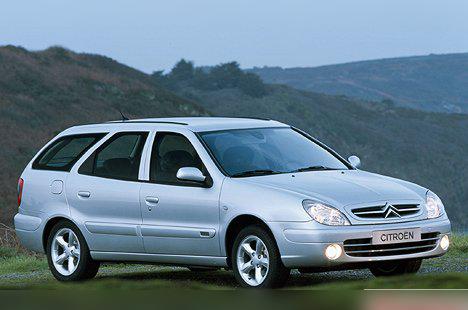
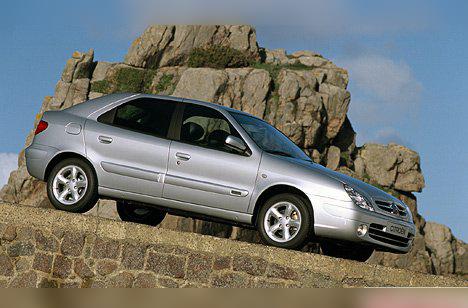
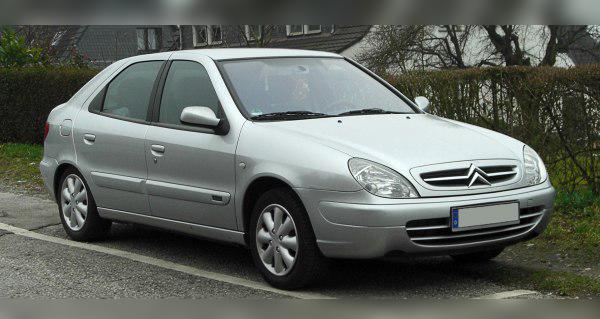
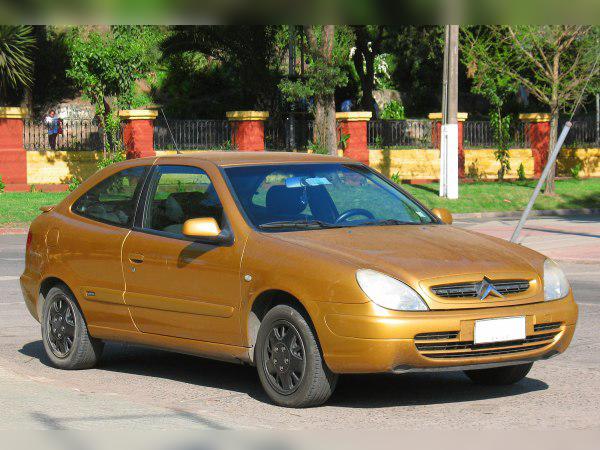
The engine with the code TU5JP4 (often also marked as NFU) is one of the most successful and widespread petrol engines ever made by the PSA Group. It was created as an evolution of the proven TU series, adopting a 16-valve head in order to meet stricter emission standards and offer better high‑rev performance. It was widely installed in many early-2000s models and is especially well known to drivers of the Citroën Xsara (including Phase II and Phase III body versions, as well as Break/estate and VTS Coupé models). If you are looking for an engine built to last, without modern, overpriced “eco” add-ons, this is a powerplant that deserves serious attention.
Technical specifications
| Specification | Value |
|---|---|
| Displacement | 1587 cc |
| Power | 80 kW (109 hp) |
| Torque | 147 Nm |
| Engine codes | TU5JP4 (NFU) |
| Injection type | Indirect (Multi-Point Injection - MPI) |
| Turbo / NA | Naturally aspirated engine |
Reliability and maintenance
Timing drive and service intervals
This engine uses a conventional timing belt to drive the camshafts. A major service, which includes replacement of the timing belt kit, tensioner, idler pulleys and water pump, is in practice recommended every 80,000 to a maximum of 100,000 km (or every 5 years, whichever comes first). Due to the age of these cars, it is strongly advised not to wait for the maximum factory interval, because a snapped belt inevitably leads to piston-to-valve contact (catastrophic engine failure).
Oil: Capacity, grade and consumption
The sump of this engine holds about 3.2 to 3.5 litres of oil including the filter. Fully synthetic oil of grade 5W40 is recommended, although on engines with very high mileage mechanics often switch to semi-synthetic 10W40. As for oil consumption, the TU5JP4 is not notorious as a heavy oil burner, but some oil consumption is possible. Topping up 0.5 to 1 litre per 10,000 km is considered absolutely normal and acceptable. However, if the engine is consuming oil drastically, the most common cause is valve stem seals which have hardened over time and heat cycles. Replacing the valve stem seals usually solves this problem and is not extremely expensive (Depends on the market).
Spark plugs and ignition system
Since this is a classic petrol engine, regular spark plug replacement is crucial for smooth running and optimal fuel consumption. Replacement is recommended every 40,000 to 60,000 km. Running worn spark plugs directly shortens the life of the coil pack (discussed below).
Most common failures
The engine itself is mechanically very robust, but ancillary components suffer from age. The best-known weak point is the ignition coil pack. Symptoms of a failing coil are very obvious: the engine starts to jerk, idles roughly, sounds like it is running on three cylinders and loses power, usually accompanied by the “Check Engine” light.
Another frequent issue is a dirty idle control / throttle body, which manifests as fluctuating idle speed or even stalling when coming to a stop at traffic lights. Cleaning the throttle body with spray usually solves the problem quickly and cheaply.
You should also expect oil leaks from the valve cover gasket. Oil often drips directly onto the exhaust manifold, so the driver may notice a sharp smell of burnt oil in the cabin through the ventilation system.
Specific parts (Costs)
When it comes to repair costs, this engine is very kind to your wallet. Specifically:
- Dual-mass flywheel: This engine DOES NOT HAVE ONE. It uses a solid flywheel only, which completely eliminates one of the most expensive failures on modern used cars.
- Fuel injection system: It uses classic indirect (MPI) injection. The injectors are very robust. They do not fail often, and if they get clogged due to poor fuel quality, removing and cleaning them in an ultrasonic bath is quick, effective and not expensive (Depends on the market).
- Turbocharger: The TU5JP4 is naturally aspirated – in other words, there is no turbo. One big and costly concern less.
- EGR valve and DPF filter: There is no DPF filter (that’s reserved for diesels), nor does it have the kind of complex, troublesome EGR system we see today.
- AdBlue: Does not exist on this engine.
Fuel consumption and performance
City and highway driving
One of the few “downsides” of this engine is its efficiency in heavy city traffic. Due to its older design, real-world consumption in stop‑and‑go driving easily sits between 9 and 10.5 litres per 100 km. On open roads (single carriageway), consumption drops to a much more acceptable 6 to 6.5 l/100 km.
Driving dynamics and revs
Is this engine “lazy”? No, especially not in models like the Citroën Xsara, whose body is not too heavy. The engine offers 109 hp and 147 Nm, which is perfectly adequate, but it requires a different driving style. There is no turbocharger, so at low revs it is quite calm. If you want brisk overtaking, you have to rev it high (above 3,500 to 4,000 rpm), where it shows its true, slightly sporty character thanks to the 16‑valve head.
On the motorway, at 130 km/h in fifth gear, the engine will be spinning at around 3,800 to 4,000 rpm. Because of these relatively short gear ratios, cabin noise becomes more noticeable and fuel consumption rises to about 7.5 to 8 l/100 km.
Additional options and modifications
LPG conversion
If city fuel consumption worries you, there is good news: the TU5JP4 is an absolutely perfect engine for a sequential LPG system! Thanks to indirect injection and robust valves and valve seats, the engine handles LPG very well without the need for valve lubrication systems (Flashlube). Installing LPG on this type of engine is not expensive (Depends on the market) and pays for itself quickly through savings at the pump.
Engine remapping (Chiptuning)
When it comes to a “Stage 1” remap – don’t waste your money. Since the engine has no turbocharger, a software tune will at best give you 5 to 8 hp, which you will hardly notice in everyday driving. Performance gains on this engine come only from mechanical modifications (different camshafts, intake and exhaust), which is economically pointless for a daily driver.
Gearbox and power delivery
Types of gearboxes and common issues
This engine was paired with two main transmission options:
- 5-speed manual gearbox: Very reliable. The most common complaints relate to the “feel” – the gear lever can become vague due to worn linkage components after many years of use. Sometimes the second‑gear synchroniser can grind slightly during fast shifts. The oil in the manual gearbox should be replaced every 60,000 km to ensure smooth shifting at low temperatures.
- 4-speed automatic gearbox (AL4): Caution! This gearbox is known to be quite problematic. Solenoids in the valve body often fail. Symptoms include harsh jolts when changing gears, the gearbox going into “Safe mode” (stuck in third gear) and overheating. It requires strict, regular oil changes every 40,000 to 50,000 km, but even with that, the risk of failure remains high.
Clutch and flywheel
On models with a manual gearbox, as already mentioned, a conventional solid flywheel is used. Replacing the complete clutch kit (pressure plate, disc, release bearing) is not expensive (Depends on the market). If the clutch pedal feels unusually heavy under your foot, it is a clear sign that the disc and pressure plate are nearing the end of their service life.
Buying used and conclusion
What to check before buying?
When looking at a used car with a TU5JP4 engine (such as a Citroën Xsara), do the following:
- Cold start: Start the car when it is completely cold. If the exhaust emits a bluish smoke that soon disappears, this is a sign of hardened valve stem seals (oil consumption).
- Idle and hesitation test: Let it idle. If the rev counter needle “wobbles” up and down or the engine shakes, the problem may lie in the spark plugs, coil pack or a dirty throttle body.
- Visual leak inspection: Be sure to shine a flashlight around the plastic valve cover on top of the engine. If the block is covered in oil, the gaskets are due for replacement.
- Automatic gearbox test (if you’re buying one): A test drive of at least half an hour is mandatory so that the gearbox oil is fully warmed up. The AL4 gearbox rarely shows its faults while the oil is completely cold. If after 20 minutes it starts to jolt or “kick” when shifting up or down, walk away from the deal.
Who is this engine for?
The PSA 1.6 16V (TU5JP4) engine is a golden middle ground between low running costs, decent performance and longevity. It is intended for drivers who prioritise reliability and low service costs and who don’t mind slightly higher fuel consumption in the city (which a savvy owner can easily solve by installing an LPG system). Avoid versions with the automatic gearbox, find a well‑kept example with a manual transmission and you will have a car that will serve you faithfully for years with minimal investment.