Ford 2.0 TDCi TXDB (163 HP): Experiences, issues, fuel consumption and used car buying tips
Key points in short (TL;DR)
- Engine basis: This is the famous DW10C engine developed in cooperation with the PSA Group (Peugeot/Citroën), known for its exceptional durability and reliability.
- Timing system: A combination of a timing belt and a small chain between the camshafts.
- DPF system: Very well designed thanks to a special evaporator (fifth injector) in the exhaust, which prevents diesel fuel from mixing with engine oil.
- Gearbox as the biggest risk: The automatic Powershift dual‑clutch gearbox requires rigorous maintenance; repairs are very expensive (depends on the market).
- Performance: With 163 HP and 340 Nm, this is a very unstressed engine that easily handles heavier bodies such as the Ford Grand C-MAX.
- Tuning: Very suitable for Stage 1 remap, with a safe increase to almost 200 HP.
Contents
- Introduction and engine origins
- Technical specifications
- Reliability and maintenance
- Specific parts and costs
- Fuel consumption and performance
- Additional options and modifications
- Gearbox (manual vs Powershift)
- Buying used and conclusion
Introduction and engine origins
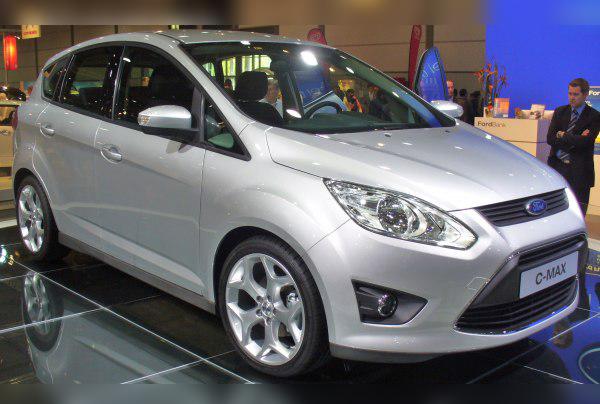
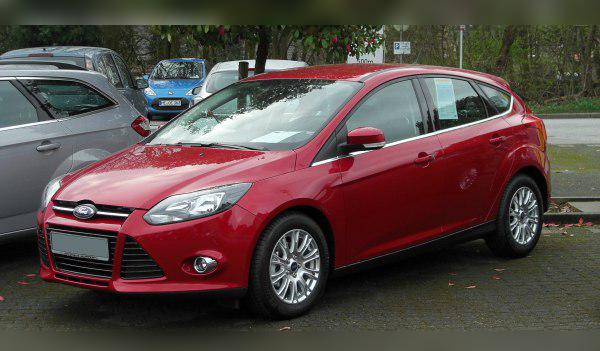
When you see the 2.0 TDCi badge on the tailgate of a 2010–2015 Ford, you’re looking at one of the best diesel engines of its era. Behind the factory code TXDB is the result of cooperation between Ford and the French PSA Group (known there as the 2.0 HDi DW10C). This 163 HP engine represented the top of the range for everyday C‑segment cars and compact MPVs. It was fitted to the third‑generation Ford Focus (hatchback, sedan, estate), as well as the versatile C-MAX and Grand C-MAX models. Thanks to its huge torque and smooth operation, it is a favourite choice for drivers who spend a lot of time on open roads.
Technical specifications
| Parameter | Value |
|---|---|
| Engine displacement | 1997 cc |
| Power | 120 kW (163 HP) at 3750 rpm |
| Torque | 340 Nm at 2000–3250 rpm |
| Engine code | TXDB (DW10C family) |
| Injection type | Common rail (direct injection) |
| Charging type | Variable geometry turbocharger (VGT) + intercooler |
| Fuel | Diesel (Euro 5) |
Reliability and maintenance
Timing system: belt or chain?
This engine uses a mixed system. The main (exhaust) camshaft is driven by a timing belt, while the intake camshaft is driven by a short chain that connects the two camshafts inside the cylinder head. The manufacturer specifies the major service (replacement of timing belt, tensioner, idlers and water pump) at as much as 200,000 km, but real‑world experience shows that it is safest to do it at 150,000 km or every 7 to 8 years. The chain between the camshafts is usually replaced only when you can hear rattling on a cold start (more often after 250,000 km).
Lubrication and oil consumption
The sump capacity is about 5.5 litres of oil. Ford strictly requires synthetic oil of grade 5W-30 that meets specification WSS-M2C913-D (or the older C). As for oil consumption, TXDB engines are known for excellent piston ring sealing. Oil consumption between services (every 15,000 km) rarely exceeds 0.5 litres, which is considered completely normal. If the engine consumes oil drastically, the problem usually lies in a worn turbocharger, not in the engine block itself.
Injector failures and longevity
The TXDB uses an advanced common rail system. The injectors are usually made by Delphi or VDO (Siemens) and have proven to be very durable. With good‑quality fuel and regular fuel filter changes, the injectors easily last over 250,000 km. When they start to fail, symptoms include difficult first start, rough idle, the engine “hitting a wall” under heavy throttle, and increased black smoke from the exhaust.
Specific parts and costs
Dual‑mass flywheel
Yes, all models equipped with this engine have a dual‑mass flywheel, regardless of whether they come with a manual or automatic (Powershift) gearbox. Its role is to absorb the substantial 340 Nm of torque. Symptoms of a worn flywheel include strong vibrations at idle, metallic “clattering” when switching the engine off, and juddering when pulling away. The price of replacing the clutch kit together with the dual‑mass flywheel for the manual gearbox falls into the mid to high range (depends on the market).
Turbocharger
The engine has a single variable geometry turbocharger (VGT). It is very reliable, but sensitive to lubrication quality. Its service life is generally over 200,000 km. Common causes of premature failure are clogged screens on the oil feed line to the turbo. If you feel a loss of power or hear a pronounced “whistle” like an ambulance siren accompanied by bluish smoke, it’s time for a rebuild.
DPF, EGR and AdBlue system
Since the TXDB meets Euro 5 standards, it does not have an AdBlue system, which is one major worry less compared to newer Euro 6 diesels.
It does have an EGR valve, which can get clogged from city driving (symptoms: hesitation under light throttle and loss of power), but it is relatively easy to clean.
As for the DPF filter, one of the best engineering solutions has been applied here. The engine has an additional so‑called “fifth injector” (evaporator) directly in the exhaust system, right in front of the DPF. During regeneration, fuel is injected there, not into the cylinders. This means there is no risk of diesel fuel running down into the sump and diluting the engine oil, which is a common problem with many other diesels from that period.
Fuel consumption and performance
Is 163 HP enough?
This engine is anything but “sluggish”. With 163 HP and 340 Nm, the Focus 3 flies down the road, while the heavier Grand C-MAX models are ideally powered and cope easily with a fully loaded boot and passengers with the air conditioning on. Overtaking is safe and efficient.
Fuel consumption
Considering the displacement and power, fuel consumption is very reasonable:
City driving: Expect between 7.0 and 8.5 l/100 km, depending on the vehicle’s weight and traffic conditions.
Open road (rural/main roads): It can go down to around 5.0 l/100 km.
Motorway: Aerodynamics play a role (the C-MAX uses more fuel than the Focus), but at 130 km/h in 6th gear, the engine cruises at a very relaxed 2200–2400 rpm, depending on the type of gearbox. Motorway consumption is around 6.0 to 6.5 l/100 km. Sound insulation is excellent, so the engine is barely audible.
Additional options and modifications
Remapping (Stage 1)
This is one of the most rewarding engines for a Stage 1 remap. Since the engine block, injectors and turbo have huge potential (the same block was later used for higher‑output versions), the TXDB can safely be taken from 163 HP to 190 HP to 200 HP, while torque rises from 340 Nm to about 400 Nm to 420 Nm. It is important to stress: if you have an automatic Powershift gearbox, torque must be limited in the software so as not to destroy the gearbox clutches.
Gearbox (manual vs Powershift)
Manual gearbox (6‑speed)
The manual gearbox paired with this engine is extremely robust. Failures of the gearbox itself are extremely rare. According to the manufacturer, the oil in the manual gearbox is “lifetime” and does not need changing, but any experienced mechanic will recommend changing it at about 150,000 km for maximum service life. The only real expense here is the clutch kit and dual‑mass flywheel when they wear out.
Automatic gearbox – Powershift (6DCT450)
This is the critical point of this car. The Powershift is a dual‑clutch automatic gearbox with wet clutches. It offers fantastic performance and fast gear changes, but requires extremely precise maintenance.
Maintenance: The oil and filter in this gearbox must be changed strictly every 60,000 km. Due to the gearbox design, debris from the clutch plates and broken plastic spring guides can clog the filter and destroy the mechatronics.
Failure symptoms: Jerking when shifting from 1st to 2nd gear, delayed movement after releasing the brake, or going into limp mode (emergency mode). Repairing a failed Powershift gearbox is very expensive (depends on the market) and requires a highly specialised mechanic.
Buying used and conclusion
What must you check before buying?
- Cold start: The engine should start “on half a turn” without harsh metallic knocks. Open the bonnet and listen for rattling from the chain between the camshafts.
- Test drive with automatic gearbox: If you’re buying a Powershift, test it in the worst possible conditions for the gearbox – stop‑and‑go city traffic. Gear changes must be smooth, without the slightest jerk. Ask for invoices proving that the gearbox oil was changed every 60,000 km.
- Exhaust check: Run your fingers inside the tailpipe. A TXDB with a healthy DPF filter should have a completely clean exhaust, with no black soot.
- Operating temperature: Diesels of this type must reach 90 °C on the open road and the gauge needle must not drop. If it does, the thermostat is faulty (a common but cheap issue).
Who is this engine for?
A Ford with the 2.0 TDCi TXDB 163 HP engine is the ultimate cruiser. It is intended for families and drivers who cover higher annual mileages, often drive on motorways or tow trailers. The engine itself is fantastic, unstressed and durable. The recommendation is always in favour of models with a manual gearbox, as you eliminate the risk of an expensive automatic gearbox repair. If you find a well‑maintained example with known history, you have hundreds of thousands of kilometres of carefree driving ahead of you.