1.6 TDCi Engine (TZJA, T3DA, T3DB) 95 HP: Real-world experience, issues, fuel consumption and used-car buying tips
- Exceptional fuel economy: One of the most economical diesels in its class, ideal for long-distance driving.
- More reliable generation: This is the 8-valve version of the engine, which corrected many flaws of the older 16V predecessor (no problematic chain between the camshafts).
- Dual-mass flywheel: Presence depends on the model. The Ford Fiesta mostly doesn’t have it, while the heavier Ford Focus and models with Start/Stop system usually do.
- EGR and DPF: The Achilles’ heel if the car never leaves city traffic. Regular open-road driving is necessary.
- Performance: Extremely lively in the Fiesta, while in the Focus estate it is intended strictly for calm drivers.
- Maintenance: Parts are easy to find, regular servicing is not too expensive, but leaking injector washers must be fixed in time.
Contents
- Introduction: The workhorse of Ford’s lineup
- Technical specifications
- Reliability and maintenance
- Specific components and costs
- Fuel consumption and performance
- Additional options and modifications
- Gearbox and clutch
- Buying used and conclusion
Introduction: The workhorse of Ford’s lineup
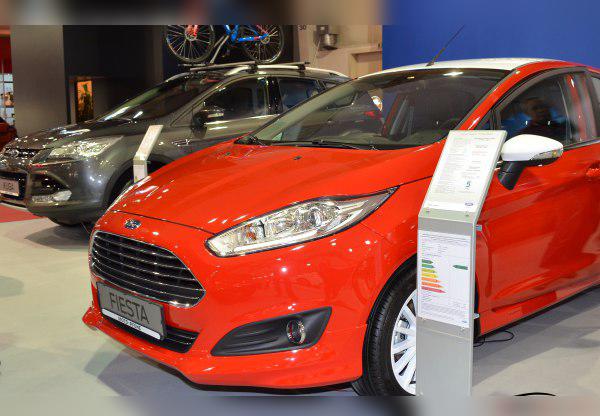
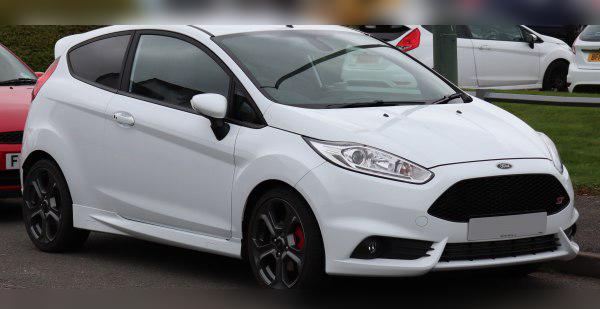
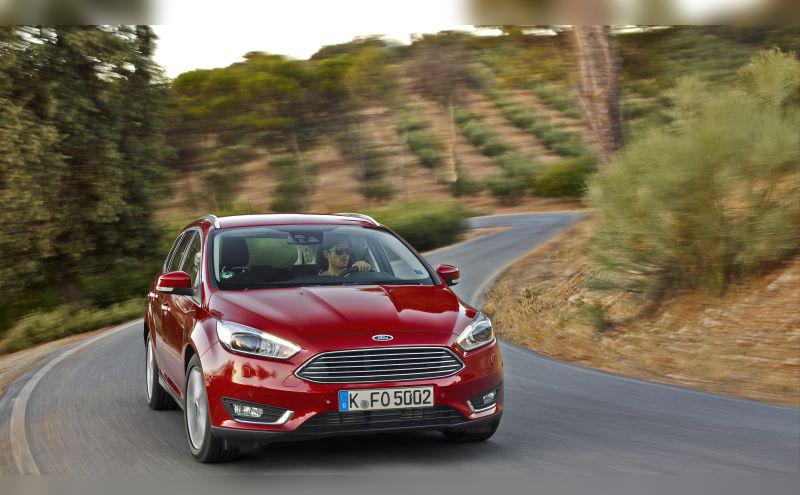
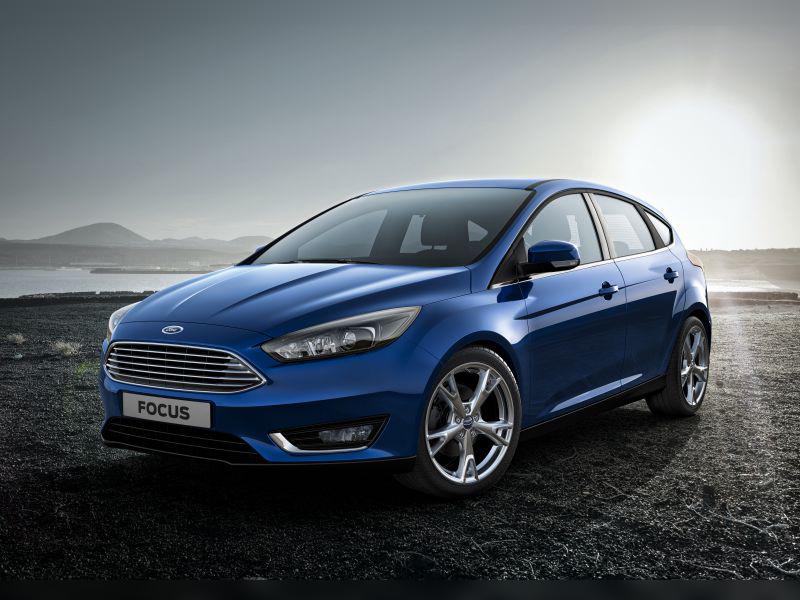
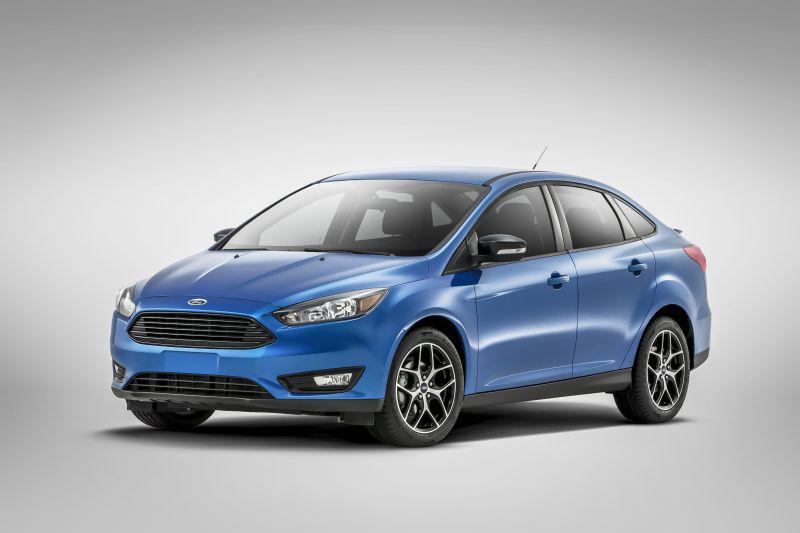
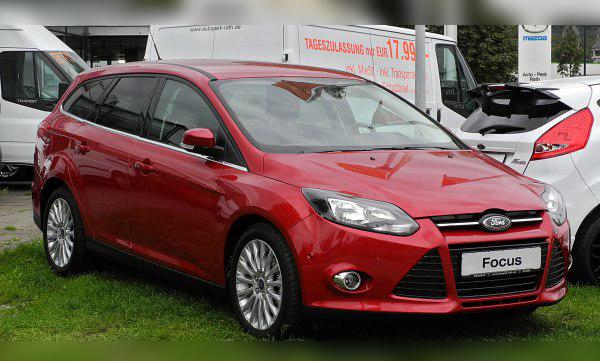
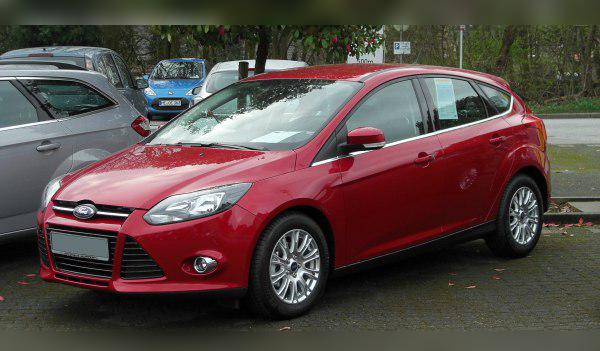
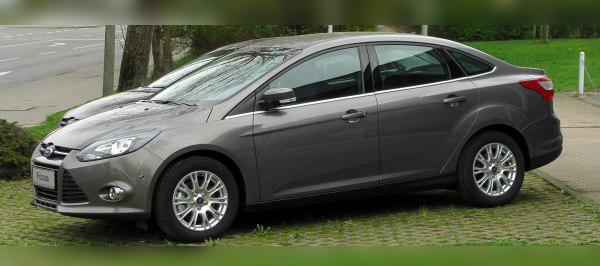
When we talk about engines with codes TZJA, T3DA and T3DB, we’re talking about the well-known 1.6 TDCi unit with 95 HP (70 kW), developed in cooperation between PSA Group and Ford. Unlike the older and more problematic 16-valve versions that struggled with turbo lubrication and stretching of the small camshaft chain, these engines come with a simplified SOHC 8-valve architecture. They were widely installed in facelifted Ford Fiesta Mk7 and Ford Focus Mk3 models. This is an engine designed to cover hundreds of thousands of kilometers with minimal fuel consumption, provided the owner doesn’t suffocate it exclusively in city traffic.
Technical specifications
| Parameter | Data |
|---|---|
| Displacement | 1560 cc |
| Power | 70 kW (95 HP) |
| Torque | 230 Nm |
| Engine codes | TZJA, T3DA, T3DB |
| Injection type | Common Rail (direct injection) |
| Charging type | Turbocharger with intercooler |
Reliability and maintenance
Timing belt or chain?
This engine uses only a timing belt. As mentioned in the introduction, switching to an 8-valve cylinder head meant removing the small chain that connected the two camshafts on older models. This is a huge advantage for reliability and reduces the cost of the major service.
Most common failures and services
Although the mechanical side is reliable, this unit has its quirks. The most common issue is injector copper washers that start leaking. Symptom: the driver notices a strong smell of exhaust gases in the cabin, and under the bonnet you can hear a characteristic “ticking” or “hissing” sound (tak-tak-tak or ts-ts-ts). If ignored, a black tar-like mass forms around the injector, making later removal difficult and potentially leading to serious cylinder head damage. In addition, failures of the DPF pressure sensor and clogging of the EGR valve due to soot are frequent.
The major service is, according to factory specification, scheduled at a rather optimistic 180,000 to 200,000 km or 10 years. However, real-world practice and mechanic’s logic dictate that the major service (replacement of timing belt, tensioner, idler pulleys and water pump) should be done at 120,000 to 150,000 km or every 5 to 7 years. The cost of the major service is: not expensive (depends on the market).
Oil: quantity, grade and consumption
During a minor service, the engine takes about 3.8 to 4.0 liters of oil. Ford strictly requires a 5W-30 grade with specification WSS-M2C913-C or D. Using inadequate oil leads directly to turbocharger failure. As for oil consumption, this engine performs very well. Consumption of around 0.3 to 0.5 liters per 10,000 km is considered normal. If it consumes more than a liter over that distance, the problem usually lies in worn piston rings or a worn turbocharger.
Injector lifespan
The injection system is quite durable. Injectors (mostly Bosch or Continental, depending on the exact year and code) on this 8V engine have proven excellent and easily last 250,000 and even over 300,000 km with quality Euro diesel and regular fuel filter changes. Symptoms of worn injectors include rough idle (engine shaking), loss of power and increased black smoke from the exhaust.
Specific components and costs
Dual-mass flywheel
The situation with the dual-mass flywheel on this engine depends directly on the model it’s installed in. If you drive a Ford Fiesta with this engine, in 90% of cases the gearbox is paired with a solid (single-mass) flywheel, which makes maintenance very affordable. However, if the engine is installed in a Ford Focus (especially the estate or models equipped with a Start/Stop system for emissions), it has a dual-mass flywheel to reduce vibrations of the heavier body and constant engine start/stop. Replacing the clutch kit with a dual-mass flywheel falls into the category: expensive to very expensive (depends on the market).
Turbocharger
The engine has a single turbocharger (most often with variable geometry on newer iterations) and an intercooler. Its lifespan exceeds 200,000 km without issues, but only if you change the oil regularly (every 10,000 to 15,000 km, never at 30,000 km as the factory sometimes suggests). The old problem with clogging of the strainer in the oil feed pipe to the turbo is significantly reduced on this 8V generation, but clean oil remains imperative.
DPF, EGR and AdBlue
All models equipped with these engines (TZJA, T3DA, T3DB) have a DPF (diesel particulate filter) and an EGR valve. These systems are a nightmare for drivers who use the car exclusively for short city trips (“from traffic light to traffic light”). The engine doesn’t warm up properly, the EGR valve gets “cemented” with soot, and the DPF filter fails to regenerate, which results in the “Check Engine” light coming on, the engine going into “safe mode” (loss of power) and diesel mixing with engine oil (the oil level on the dipstick rises). Proper maintenance requires occasional motorway driving at about 2500 rpm for at least 20–30 minutes.
The good news for used-car buyers is that this specific series of 1.6 TDCi 95 HP engines from the 2011–2015 period DOES NOT have an AdBlue system. They meet Euro 5 (some even early Euro 6) standards using only the DPF, which saves the owner from headaches caused by expensive failures of pumps and heaters in the AdBlue tank.
Fuel consumption and performance
City driving and body style performance
Real-world fuel consumption in strictly urban conditions is impressively low and ranges from 5.5 to 6.5 l/100 km, depending on traffic and how heavy your right foot is. Outside the city, on main roads, this figure easily drops below 4.5 l/100 km.
Is the engine sluggish? The answer strictly depends on the car. In the Ford Fiesta, which barely weighs over one ton, these 95 HP and 230 Nm of torque turn it into a proper little buzzbox. The car accelerates sharply, throttle response is excellent and overtaking is easy. However, in a Ford Focus (especially the estate version) loaded with passengers and luggage, this engine struggles. You have to plan overtakes carefully and frequently reach for the gear lever to keep it in the optimal rev range. For a family Focus, this is an engine strictly for relaxed driving.
Motorway behaviour
On the motorway at 130 km/h, engine revs vary depending on the gearbox type. With a five-speed manual, revs are around 2,400–2,500 rpm. Wind noise is more noticeable than engine noise. Fuel consumption on the motorway at this speed is about 5.0 to 5.5 l/100 km. Models with a six-speed gearbox (ECOnetic versions) drop the revs to around 2,100 rpm, making the drive even quieter and more economical.
Additional options and modifications
Remapping (Stage 1)
Since this engine is mechanically almost identical to the more powerful 115 HP version, it is very suitable for software tuning known as Stage 1 chiptuning. By safely modifying the injection and turbo pressure maps, power can be raised from 95 HP to about 115 to 120 HP, while torque increases to about 270 to 280 Nm. This is a highly recommended modification for Ford Focus owners, as it completely changes the character of the car, solves the sluggishness during overtaking, and does not compromise engine longevity (provided the map is done properly and the DPF remains functional).
Gearbox and clutch
With this engine you will most commonly find a 5-speed manual gearbox (robust B5/MTX-75 system) or, in newer and more economical versions, a 6-speed manual gearbox. It can rarely be found combined with the automatic Powershift gearbox.
Manual gearboxes are practically indestructible if used normally. Failures are very rare, and clutches easily last 150,000 to 200,000 km. The only thing mechanics advise is changing the oil in the manual gearbox every 80,000 km. Although many manufacturers claim the oil is “lifetime”, old oil loses viscosity, which can make the gearbox “stiff” when shifting into first or second gear, especially in winter. The cost of this oil change is: not expensive (depends on the market).
If you come across a car with an automatic Powershift gearbox (dual-clutch transmission), be very careful. They require strict oil changes every 60,000 km. Failures of the mechatronics unit and the clutches themselves on high-mileage Powershift gearboxes are common, and repairs are: very expensive (depends on the market).
Buying used and conclusion
What must you check before buying?
- Cold-start injector check: The engine must start instantly when completely cold, without rattling and without irregular (intermittent) running.
- Smell in the cabin: As soon as you start the car, turn on the ventilation. If you smell diesel or exhaust gases in the cabin, the injector washers have failed and require immediate attention.
- Exhaust condition: Stick your finger into the tailpipe. It should be absolutely clean (maybe just light grey dust). If your finger comes out with black oily soot, the DPF filter has either been physically removed, drilled through, or is completely non-functional, which will cause major problems at the MOT/inspection.
- Test drive – turbo and flywheel: In third gear, at about 1,500 rpm, floor the accelerator. The car must pull linearly, without hesitation and without jerks through the body. If the car shakes under acceleration at low revs (in a Focus), the dual-mass flywheel is near the end of its life.
Who is this engine for?
The 1.6 TDCi (95 HP) engine is a perfect choice for people who cover a lot of kilometers on open roads and highways. If you’re considering a Ford Fiesta, you’ll get a very dynamic car with unrealistically low fuel consumption. If you choose a Ford Focus, you’ll get an extremely economical family cruiser that lacks a bit of sporty character, which can easily be solved with a mild remap. However, if you’re looking for a car exclusively for city driving and supermarket runs, this engine (like any modern diesel with a DPF) should be avoided and you should look for a petrol alternative, because problems with clogged emission systems will quickly drain your wallet.