XFX ES9J4S 3.0 V6 207 hp engine: Experiences, issues, fuel consumption and used-car buying tips
Key points in short (TL;DR)
- Legendary naturally aspirated V6 engine from the PSA group, known for its exceptional smoothness and sound.
- Very high fuel consumption in city driving (from 14 up to even 18 l/100 km).
- Handles LPG (autogas) conversions very well, which is the only way to make driving it cost-effective.
- Complex and very expensive major service due to the long timing belt and poor accessibility under the hood.
- Frequent oil leaks from valve covers and regular ignition coil failures.
- Automatic gearboxes paired with this engine require strictly regular maintenance and are often the “weakest link”.
Contents
- Introduction and engine history
- Technical specifications
- Reliability, maintenance and common failures
- Specific components and technology
- Fuel consumption and performance
- LPG and remapping
- Transmissions: Automatic vs Manual
- Used-car buying tips and conclusion
Introduction and engine history
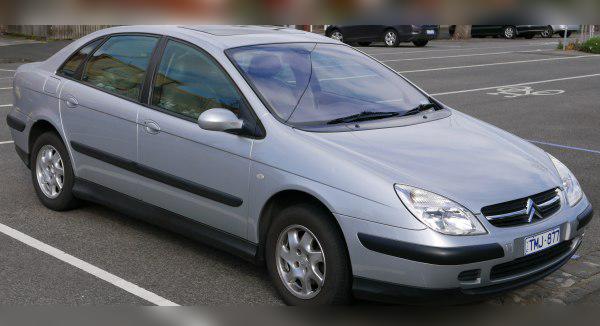
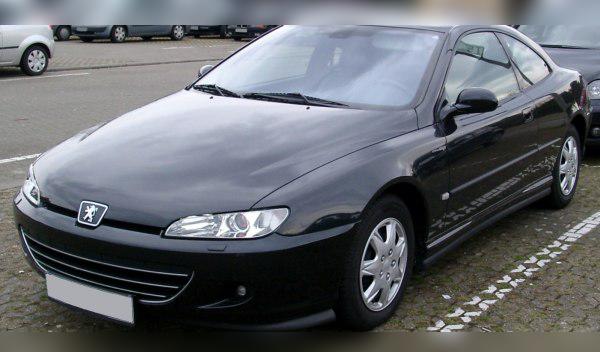
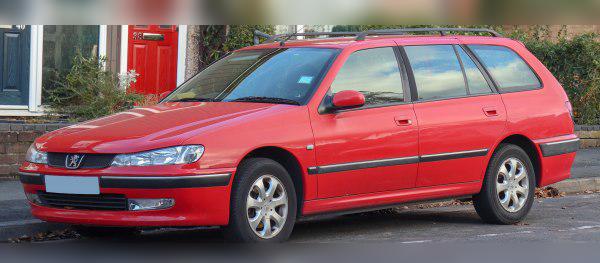
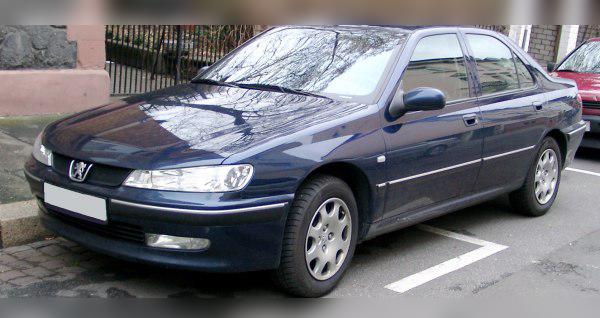
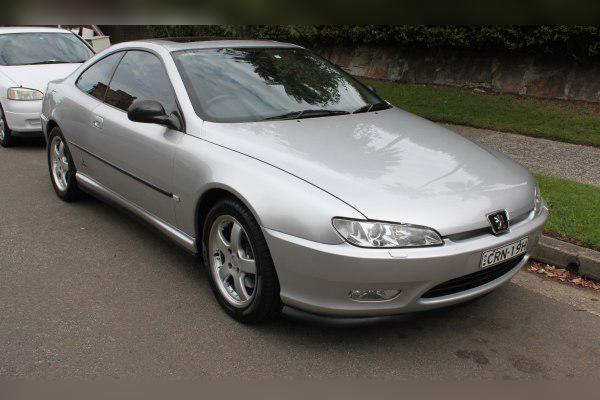
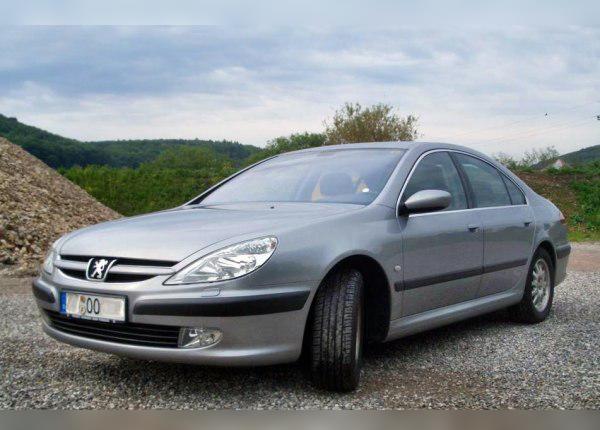
The XFX ES9J4S engine represents the pinnacle of the French engineering school when it comes to petrol V6 units. Developed in cooperation between the PSA group (Peugeot and Citroën) and Renault, this just-under-three-litre engine is the successor to the famous PRV architecture. With its 152 kW (207 hp), it was fitted to the flagships of the French car industry from the early 2000s: the beautiful Peugeot 406 Coupé, comfortable saloons and estates such as the Peugeot 406 and 607, as well as the innovative first-generation Citroën C5. For drivers looking for silky-smooth operation, effortless long-distance cruising and that specific deep V6 sound, the ES9J4S is still a very tempting choice. However, owning such an engine today requires deeper pockets and a willingness to compromise.
Technical specifications
| Engine displacement | 2946 cc |
| Engine power | 152 kW (207 hp) at 6000 rpm |
| Torque | 285 Nm at 3750 rpm |
| Engine codes | XFX, ES9J4S (Renault code L7X) |
| Injection type | Multi-point injection (Indirect injection – MPI) |
| Induction type | Naturally aspirated engine |
Reliability, maintenance and common failures
At its core, this unit is considered extremely durable and mechanically robust. However, due to the V6 configuration squeezed into the tight engine bays of passenger cars, any repair is a challenge for the mechanic. The timing system uses a timing belt. Its route is extremely long because it connects the crankshaft and as many as four camshafts, and it usually also drives the water pump. Because this system is sensitive, the major service must be done at a maximum of 100,000 km or every 5 to 7 years. The price of the major service is quite high (depends on the market), as it requires specific camshaft locking tools and many labour hours.
Most common failures: Coils and oil leaks
One of this engine’s biggest weaknesses is the ignition system. The original Delphi or Sagem ignition coils tend to fail frequently due to the high temperatures under the bonnet. Symptoms include engine jerking, loss of power, rough running and the “Check Engine” light coming on, while you may notice the smell of unburnt petrol from the exhaust. It is recommended to always replace them in pairs or all at once.
Another common issue is oil leaking from the valve covers. Over time and due to heat, the plastic covers and rubber gaskets lose their properties and oil starts to run down the engine block directly onto the exhaust manifolds. The driver notices this as a burning smell in the cabin after spirited driving, as well as oil traces in the spark plug wells. Replacing the gaskets is not expensive, but it requires precise work (depends on the market).
Regular maintenance: Oil and spark plugs
The sump of this engine holds between 4.75 and 5.25 litres of engine oil, depending on the filter. The recommended grade is 5W-40, given that the engine has variable valve timing (VVT), which benefits from high-quality, clean synthetic oil. It is normal for older V6 engines to consume a certain amount of oil between services, with a tolerance of up to 0.5 litres per 1000 km, although healthy examples usually consume significantly less (around 1 litre per 10,000 km). As it is a petrol engine, spark plugs are replaced every 60,000 km. On the rear cylinder bank (towards the cabin), removing the spark plugs and coils is very awkward, so many mechanics avoid this job, which leads to component deterioration.
Specific components and technology
The fuel injection system is a classic Multi-Point Injection (MPI). This is great news because the injectors on this engine are extremely durable and rarely cause problems. There are no sensitive piezo injectors or the high pressures found in modern engines. Consequently, the engine is very tolerant of poorer fuel quality.
As a classic naturally aspirated engine, it does not have a turbocharger. All 207 hp come purely from displacement. In terms of emissions, fortunately for owners, this model has no DPF filter and no AdBlue system that would cause nightmares for diesel drivers. It has conventional catalytic converters which, after around 20 years, may be clogged or hollowed out, and it features an EGR valve or a secondary air injection system, but on these petrol engines they do not clog up or fail anywhere near as often as on diesels.
Fuel consumption and performance
If you are buying a 3.0 V6 from this era, you can forget about low fuel consumption straight away. Due to the large displacement and the heavy bodies it was fitted to, real-world city consumption rarely drops below 14 l/100 km, and in extreme conditions, traffic jams or with a cold engine, it often exceeds 16 to 18 l/100 km.
Is the engine “lazy”? By today’s standards, where small turbo petrol engines deliver all their torque from as low as 1500 rpm, this engine can feel sluggish at very low revs. However, its power delivery is perfectly linear. It shows its true strength and that distinctive V6 “roar” only above 4000 rpm. On the motorway, it is a true cruiser. At 130 km/h in top gear it cruises at around 3000 to 3200 rpm (depending on the gearbox type). The sound insulation in the saloons and the quiet operation make it extremely pleasant for long journeys, and there is always a huge reserve of power for overtaking, especially at higher revs.
LPG and remapping
Precisely because of the huge fuel consumption, the main question arises: Is the XFX ES9J4S suitable for LPG (autogas) conversion? The answer is – it is perfectly suitable! Its indirect injection and durable valves make it an ideal candidate for a sequential LPG system. It is only necessary to install a higher-quality, more expensive system designed for six-cylinder engines and to ensure adequate vaporiser flow. With a good LPG setup, the power loss is negligible, and driving a V6 becomes economically justifiable.
When it comes to a remap (Stage 1), the news is not so good. This is a naturally aspirated engine, which means that by reprogramming the ECU without serious mechanical modifications you can gain at most 10 to 15 hp and a slightly more aggressive throttle response. That gain is hardly noticeable in real driving, so it is much wiser to invest that money in a major service or quality tyres.
Transmissions: Automatic vs Manual
This unit was paired with two types of transmission. If you find an example with a five-speed manual gearbox (usually type ML5T/ML5C), you will get a very durable assembly that rarely fails. Unlike the diesels, most of these older V6 petrols from the French group do not have a dual-mass flywheel, but use a classic solid (single-mass) flywheel, although you should always check by VIN because the data may vary depending on the market and specific production series. In the case of a conventional clutch, the cost of replacing the clutch kit is quite reasonable (not expensive).
Problematic automatics
Much more common, but also riskier, is the automatic gearbox. Most often, the four-speed ZF 4HP20 was installed, while the very last models (towards the end of 607 and C5 production) received an Aisin six-speed automatic. The ZF 4HP20 gearboxes are comfortable but require flawless maintenance. The car manufacturer often claimed that the gearbox oil is lifetime (“fill for life”), which is completely misleading. Because of this, many owners never changed the oil, resulting in failure of the torque converter, valve body and even the oil pump in the gearbox.
The oil in the automatic gearbox must be changed (using a flushing machine) every 60,000 kilometres. Failure symptoms include strong jolts when shifting from first to second gear, gearbox slipping or entering “limp mode” with a warning on the instrument cluster. Overhauling this gearbox is very expensive and often exceeds the value of the car itself on today’s market.
Used-car buying tips and conclusion
Buying a more-than-two-decades-old car with a V6 engine is never a purely logical decision, but one based on a love of classics. Before you hand over your money, pay attention to the following:
- Cold start and sound: Start the engine completely cold. Listen for “dry” cranking from the crankshaft and any rattling in the first few seconds (possible issues with the variator and hydraulic lifters).
- Smell of oil and coolant: Check the coolant reservoir. V6 engines generate a lot of heat. If you smell burnt oil after a test drive, the valve cover gaskets are almost certainly leaking.
- Gearbox operation: If you are buying an automatic, drive it until the gearbox oil is fully warmed up (at least half an hour of city driving). Many automatic gearboxes shift perfectly when cold and only start to bang once the oil overheats.
- Suspension condition: The V6 engine is very heavy. That weight over the front axle quickly destroys bushings, ball joints and shock absorbers. Listen carefully for knocking over bumps.
Conclusion: The XFX ES9J4S 3.0 V6 engine is intended for true car enthusiasts. It is not for someone who just needs transport from point A to point B, but for lovers of refined French engineering and design (such as the legendary Pininfarina-designed 406 Coupé). With a properly installed LPG system, a manual gearbox and regular, expert maintenance, this engine can cover huge mileages while providing a driving pleasure that modern small turbo engines will never be able to offer.