YHZ DV5RC 1.5 BlueHDi Engine (131 hp): Experiences, problems, fuel consumption and used car buying tips
Key points in short (TL;DR):
- Excellent fuel economy: Fuel consumption is extremely low, both in the city and on the open road.
- Critical weakness (Camshaft chain): Early versions of this engine have a problematic 7 mm camshaft chain that tends to snap. Updated versions use a thicker 8 mm chain.
- AdBlue system: Emissions systems are sensitive. Failures of the AdBlue pump and tank are common and quite expensive to repair.
- Transmissions: The EAT8 automatic gearbox (Aisin) is fantastic and reliable, while the manual is decent but will require a dual-mass flywheel replacement over time.
- Maintenance: Requires strict adherence to low-viscosity oil change intervals to keep the turbocharger and hydraulic lifters healthy.
- Recommendation: An excellent choice for long-distance driving and family cars, provided you buy a model with the chain issue resolved or you are ready to do a preventive replacement.
Contents
- Introduction: Successor to a legend and emissions compromises
- Technical specifications
- Reliability, maintenance and common failures
- Specific components, AdBlue and costs
- Fuel consumption and real-world performance
- Additional options and tuning (Stage 1)
- Transmissions: Manual vs EAT8 automatic
- Buying used and final verdict
Introduction: Successor to a legend and emissions compromises
The YHZ (DV5RC) engine is PSA’s (now Stellantis) generation of 1.5‑liter diesel engines, commercially known as 1.5 BlueHDi. It was designed as the direct successor to the proven 1.6 HDi/BlueHDi engine, with the goal of meeting strict Euro 6d emissions standards. With an output of 96 kW (131 hp) and a respectable 300 Nm of torque, it has become the “workhorse” across a wide range of vehicles.
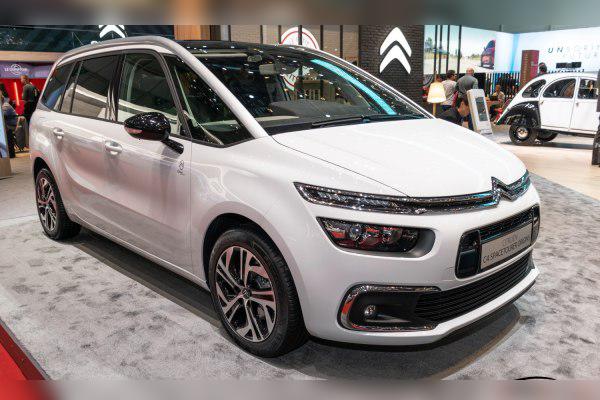
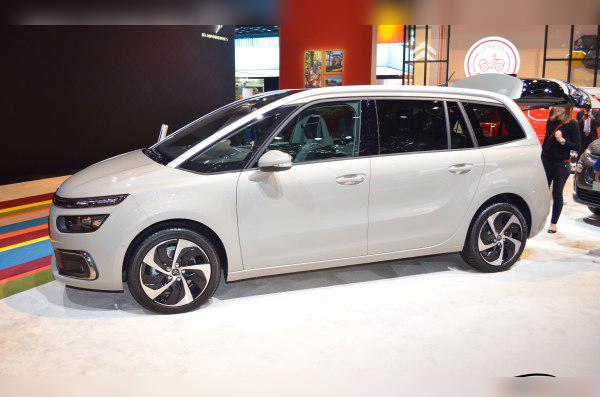
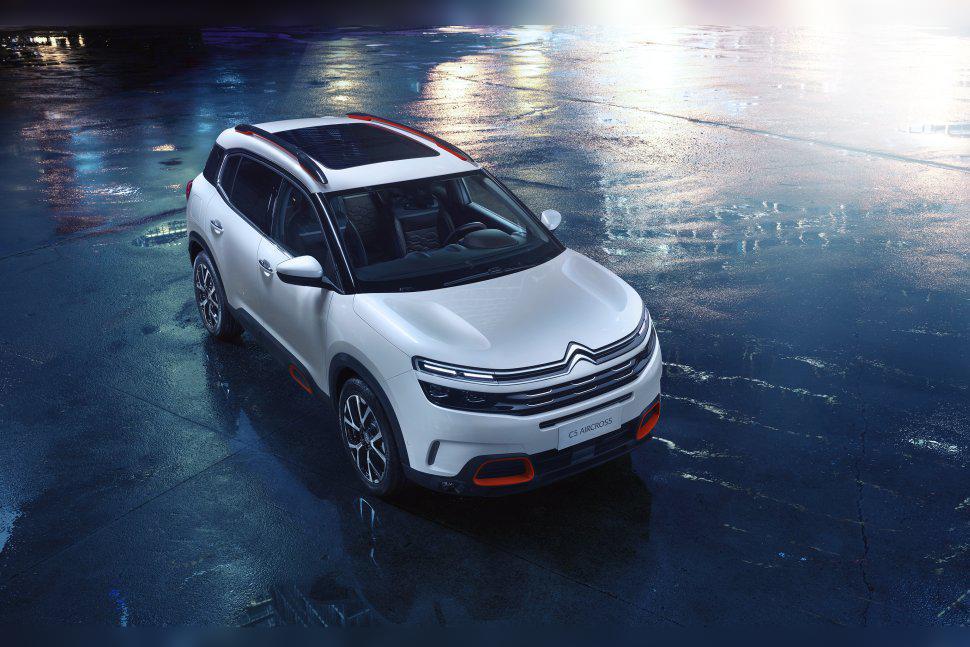
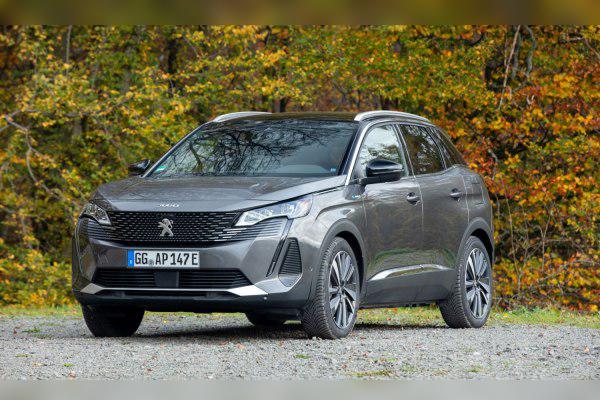
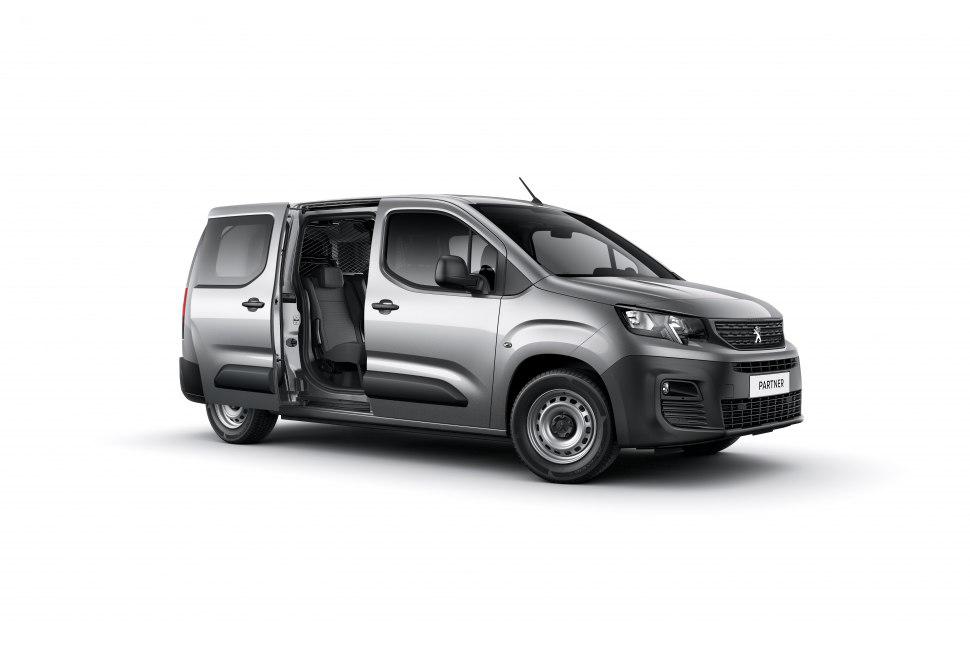
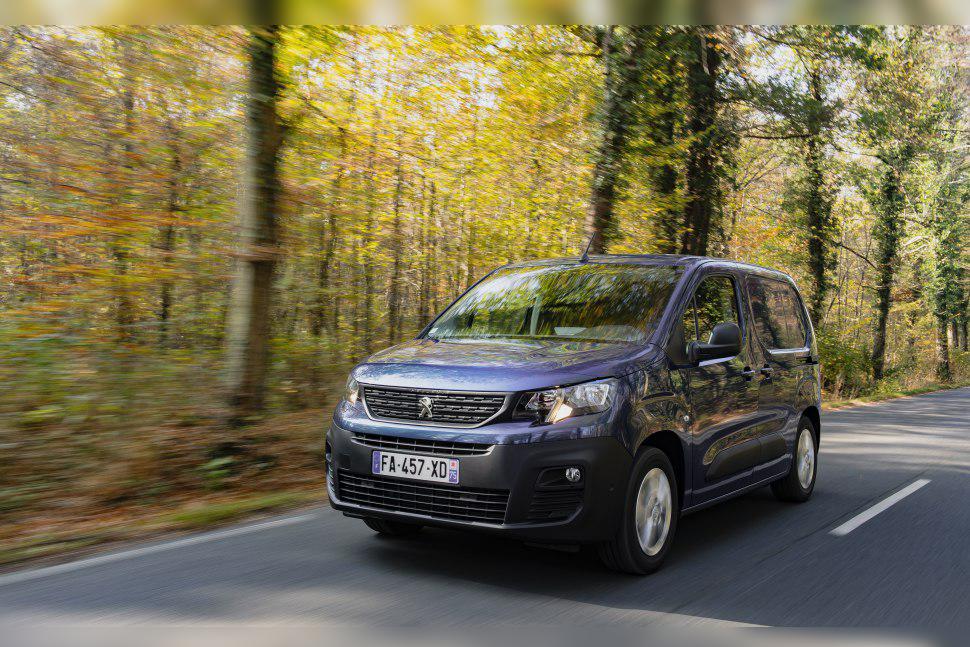
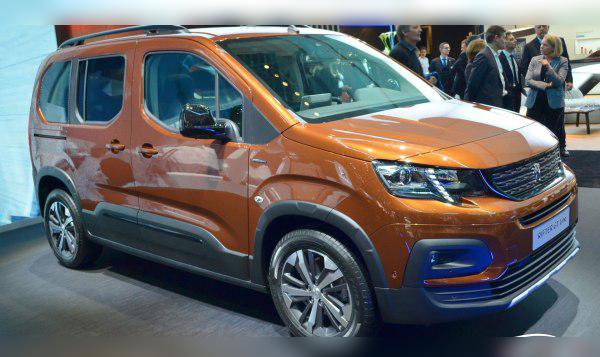
You can find it in family cruisers such as the Citroën C4 SpaceTourer and C5 Aircross, popular SUVs like the Peugeot 3008, as well as in multi-purpose light commercial/passenger vehicles such as the Peugeot Partner and Rifter (including 4x4 concepts). Its main strengths are more refined operation compared to its predecessor, reduced weight and impressive low‑end torque delivery. However, this technological progress has also brought certain “teething problems” every future owner must be aware of.
Technical specifications
Editor’s note: Although some catalogs may incorrectly list this block as naturally aspirated, the YHZ DV5RC is always equipped with a variable-geometry turbocharger, as stated in the table below based on the engine’s real configuration.
| Parameter | Specification |
|---|---|
| Displacement | 1499 cc (1.5 l) |
| Power | 96 kW (131 hp) |
| Torque | 300 Nm |
| Engine code | DV5RC / YHZ |
| Injection type | Common Rail (Direct injection) |
| Induction | Turbocharger (VGT - variable geometry) |
| Emissions standard | Euro 6d (with DPF and SCR/AdBlue system) |
Reliability, maintenance and common failures
Does the engine have a timing belt or a chain?
This is probably the most important question about the DV5RC engine, because it uses a hybrid system. The main drive from the crankshaft to the camshaft is via a timing belt. However, since the engine has 16 valves and two camshafts, those two cams are linked together by a short chain inside the cylinder head itself. This is exactly where the biggest design flaw of the early series lies (roughly up to early 2020).
Most common failures and the engine’s “weak spot”
The main issue with this engine is camshaft chain breakage. PSA initially fitted a 7 mm chain. Due to load and soot build-up in the oil, this chain stretches and eventually snaps, leading to catastrophic engine damage (broken rockers, bent valves). Symptoms before failure include a metallic rattling noise from the top of the engine during cold start. The manufacturer later revised the design and introduced an 8 mm chain, along with modified camshafts. If you are buying used, you must check via the VIN or visual inspection (shape of the chain housing) whether the thicker chain has been installed. Preventively replacing the 7 mm chain with the newer version is an expensive option (depends on the market), but still cheaper than replacing the entire engine.
Major service, oil and oil consumption
Although the manufacturer specifies long service intervals, real-world experience has shown that the major service (replacement of timing belt, tensioners and water pump) must be done at a maximum of 100,000 to 120,000 km, or every 5 years. If the car is driven exclusively in city conditions with a start-stop system, this interval should be shortened even further.
The engine takes about 3.95 liters of oil (practically 4 liters with the filter). Because of the sensitive chain assembly and hydraulic lifters, it is extremely important to use the specified oil grade. Generally, 0W-20 oil (PSA B71 2010 spec) is recommended for newer versions, or 5W-30 (PSA B71 2312). Normal oil consumption between services is minimal (it should not exceed 0.5 liters per 10,000 km). If you notice higher consumption, the cause usually lies in worn piston rings due to overly long oil change intervals (the manufacturer unrealistically sets them at 30,000 km) or worn turbocharger bearings.
Injector longevity (Diesel injection)
The injectors on this engine are piezo-electric or solenoid type (most commonly Bosch). They have proven to be very reliable. Under normal operating conditions and with quality diesel fuel with additives, the injectors can easily cover 200,000 to 250,000 km without overhaul. The first symptoms of worn injectors are rough idle, a more pronounced “clicking” sound when you press the accelerator and greyish-black smoke from the exhaust under full load.
Specific components, AdBlue and costs
Dual-mass flywheel and clutch
Yes, all versions equipped with a manual gearbox have a dual-mass flywheel (DMF), since the engine produces 300 Nm of torque that must be damped to protect the gearbox. The average lifespan of the clutch and flywheel set is around 150,000 to 180,000 km. The price of the complete kit with installation is considered high (depends on the market). Symptoms of failure are juddering when moving off from a standstill and vibrations in the clutch pedal.
Turbocharger
The engine has a single variable-geometry turbocharger (VGT). Its lifespan is satisfactory, but strictly depends on regular oil changes. A clogged oil feed line to the turbo can lead to rapid failure. If you hear a pronounced “whistling” sound during acceleration or the car loses power and goes into “safe mode”, the turbo is ready for overhaul.
EGR valve and DPF filter
Like every modern diesel, the 1.5 BlueHDi has both EGR and DPF. If the car is mostly driven in the city on short trips, the DPF filter quickly fills with soot and does not get a chance to perform passive regeneration. The EGR valve also suffers from soot build-up, which can cause the valve to stick. Regular highway driving (at least once a week at engine speeds above 2500 rpm) is essential preventive maintenance.
AdBlue system (SCR) – Owners’ headache
This is, along with the camshaft chain, the biggest downside of this powertrain. The urea injection system (AdBlue) is notoriously problematic in PSA group vehicles. The problem occurs because the fluid crystallizes inside the tank, which damages the integrated AdBlue pump or blocks the injector on the exhaust. Symptoms include an “UREA” warning on the dashboard, along with a countdown of remaining kilometers before the engine completely refuses to start (e.g. “Engine start prevented in 1000 km”).
The solution is often replacement of the complete tank with pump, which is extremely expensive (depends on the market). Prevention involves using special anti-crystallization additives that are poured directly into the AdBlue fluid at every refill.
Fuel consumption and real-world performance
Real city fuel consumption
The engine is impressively frugal. In city driving, depending on the body style (lighter Peugeot 3008 or larger Citroën Grand C4 SpaceTourer), real consumption ranges from 6.0 to 7.5 liters per 100 km. The start-stop system helps at traffic lights, although many drivers prefer to switch it off to preserve the battery and starter motor.
Performance: Is the engine “lazy”?
With 131 hp and 300 Nm available from just 1750 rpm, this engine is anything but lazy in normal driving conditions. In the C5 Aircross and Peugeot 3008 it offers an excellent balance of agility and efficiency. However, if you choose this engine in vehicles such as the Peugeot Rifter in the L2 (long wheelbase) version with 7 seats, and you load it to the maximum with passengers and luggage, you will feel it running out of breath on steep climbs and when overtaking on country roads. For lighter and mid-size vehicles it is ideal, but for maximum loads it is at the comfort limit.
Motorway driving
This engine really shines on the motorway. It is very refined and quiet. With the EAT8 automatic gearbox, at 130 km/h in eighth gear the engine cruises at a very relaxed ~2100 to 2200 rpm (with the manual gearbox it is around 2400–2500 rpm). At these speeds, highway fuel consumption drops to about 5.5 to 6.0 l/100 km.
Additional options and tuning (Stage 1)
Given that the engine block is quite robustly designed (with the exception of the aforementioned camshaft chain), the YHZ engine responds very well to ECU optimization (chiptuning). With a quality Stage 1 remap, without any mechanical modifications, power can safely be raised from the stock 131 hp to about 155–160 hp, while torque increases from 300 Nm to a respectable 350–360 Nm.
Editor’s warning: Before any tuning, it is absolutely essential to confirm that the engine has the updated 8 mm camshaft chain. If you remap an engine with the old 7 mm chain, the additional torque and load on components will drastically accelerate chain failure.
Transmissions: Manual vs EAT8 automatic
Types of gearboxes and common issues
Two types of gearboxes are paired with the 1.5 BlueHDi:
- 6-speed manual gearbox (BVM6): Reliable, with relatively precise shifts. It has no notable inherent design flaws, but over time the input shaft bearings can fail if the car is frequently driven at too low revs (lugging the engine). As mentioned, it requires dual-mass flywheel replacement at around 150k+ km.
- 8-speed automatic gearbox (EAT8): Manufactured by Japanese company Aisin. It is a conventional automatic with a torque converter (not a dual-clutch gearbox). This is a fantastic and extremely reliable gearbox, one of the best in its class. Failures are very rare. Problems can occur with the valve body (mechatronics) if oil changes are neglected, which manifests as harsh shifts when moving from P to D or R, as well as jolts during deceleration and downshifts (e.g. from 3rd to 2nd gear). The EAT8 does not have a dual-mass flywheel in the usual replaceable sense (it uses a torque converter instead).
Servicing the gearbox
For the manual gearbox, it is recommended to change the transmission oil at around 80,000 km. For the EAT8 automatic, although official dealers sometimes claim the oil is “lifetime”, real-world experience from transmission specialists clearly dictates changing the automatic transmission fluid every 60,000 to 80,000 km. This can be done by gravity drain (partial change) or by machine flushing. The cost of servicing the automatic is not negligible, but it is far cheaper than a full gearbox overhaul.
Buying used and final verdict
What exactly should you check before buying?
- Cold start (Engine noise): The most important item. Open the bonnet and ask the seller to start the completely cold engine. Listen carefully to the right side of the engine (near the pulley and head). If you hear a sharp metallic rattle or scraping noise that lasts a few seconds and then disappears, the camshaft chain is slack and urgently needs replacing.
- AdBlue system on diagnostics: Always connect the vehicle to dedicated diagnostics (DiagBox) before purchase. Check the pressure in the AdBlue pump and the fault history. Sellers often clear the fault codes before the buyer arrives, but the history remains stored in the module.
- DPF condition: Via diagnostics, check the saturation (clogging) level of the DPF filter and when the last regeneration took place. If saturation is high and the car shows low mileage, suspect mileage tampering or issues with injectors and turbo.
- Test drive (Automatic): Warm the car up to operating temperature, then in a safe area decelerate gently (to a stop) and accelerate briskly. The EAT8 must shift completely smoothly, without any jolts.
Final verdict: Who is the 1.5 BlueHDi for?
The YHZ DV5RC 131 hp engine is a modern, very refined and incredibly economical unit. It is ideal for drivers who cover high mileages on open roads, as well as for families who need a reliable hauler for summer and winter holidays. It pairs excellently with the EAT8 automatic gearbox, providing a relaxed driving experience.
Should you buy it? Yes, but with caution. If you find a model (especially from mid‑2020 onwards) that already has the factory-fitted 8 mm camshaft chain and whose owner can prove regular servicing, you will get a great vehicle. If you are buying earlier models from 2018 or 2019, factor in from the start the cost of upgrading the camshaft chain to the thicker version and potential interventions on the AdBlue system. Avoid cars with unknown service history that have been driven exclusively in heavy city traffic.