Renault 1.2 16V (D4F) 75 HP engine: Experiences, issues, fuel consumption and used-car buying tips
Key points in short (TL;DR)
- Mechanics: Classic naturally aspirated 4-cylinder petrol engine, extremely simple and cheap to maintain.
- Timing: Uses a timing belt. The major service is not expensive, but must be done on time.
- Components: No costly parts such as a dual-mass flywheel, turbocharger, DPF, EGR valve or direct injection.
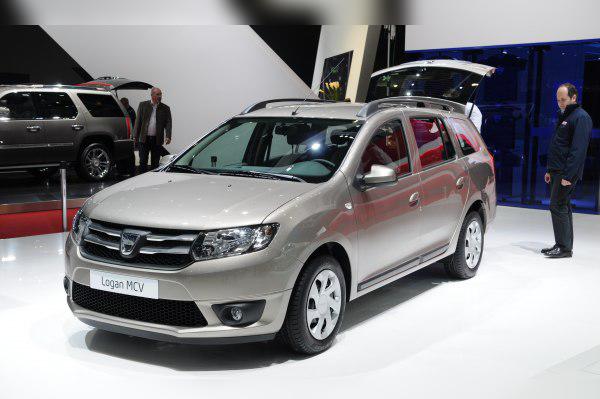
- Performance: Excellent for lighter cars (Twingo, Clio) and city driving. Very sluggish in heavier bodies (Logan MCV, Kangoo).
- Highway: Not intended for high speeds; at 130 km/h it runs at high revs and becomes noisy with increased fuel consumption.
- Gearboxes: Avoid robotized (Quickshift) gearboxes due to expensive mechatronics failures. Manual gearboxes are reliable.
- LPG: The engine is ideal for installing a sequential LPG system, which drastically reduces running costs.
Contents
- Introduction: About the D4F engine
- Technical specifications
- Reliability and maintenance
- Specific parts and costs
- Fuel consumption and performance
- Additional options and modifications (LPG and remapping)
- Gearbox and drivetrain
- Buying used and conclusion
Introduction: About the D4F engine
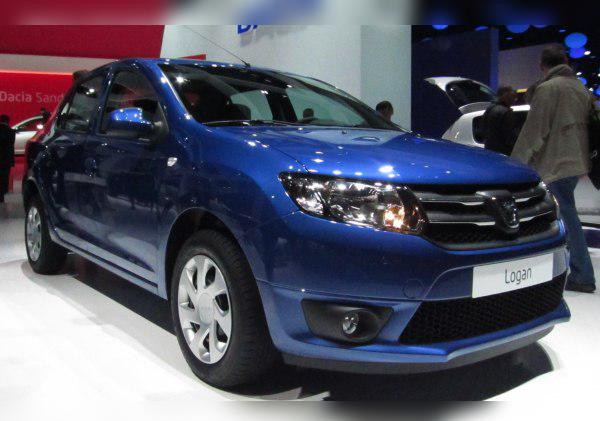
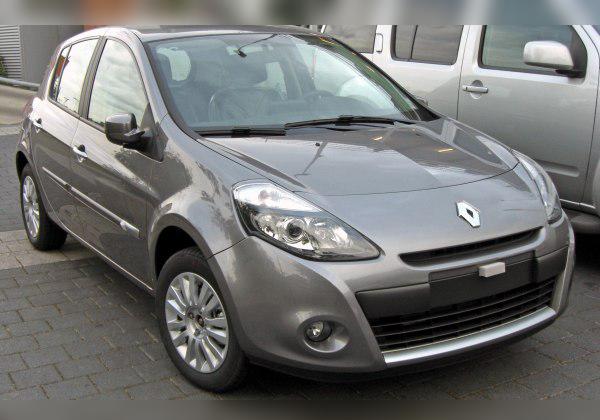
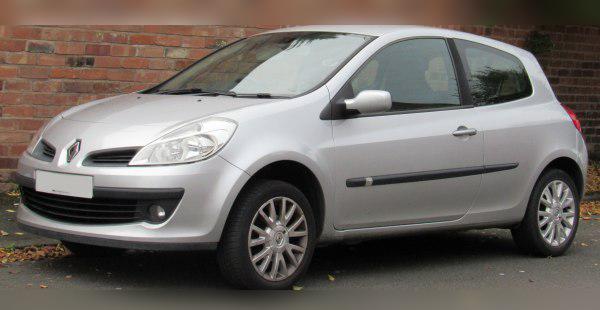
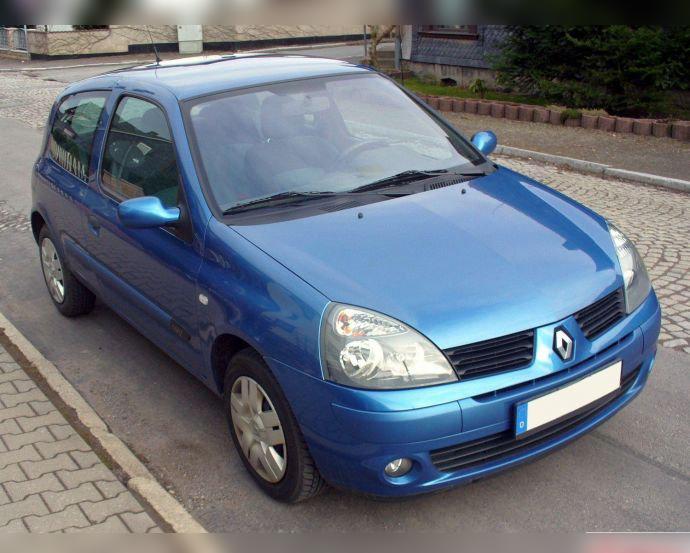
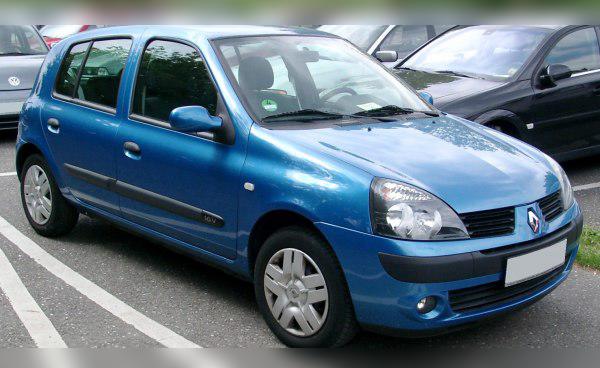
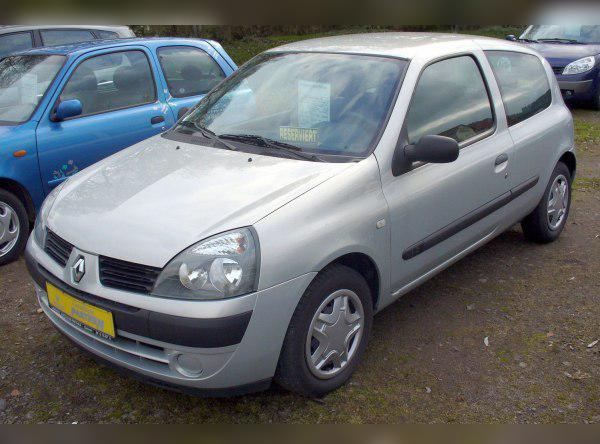
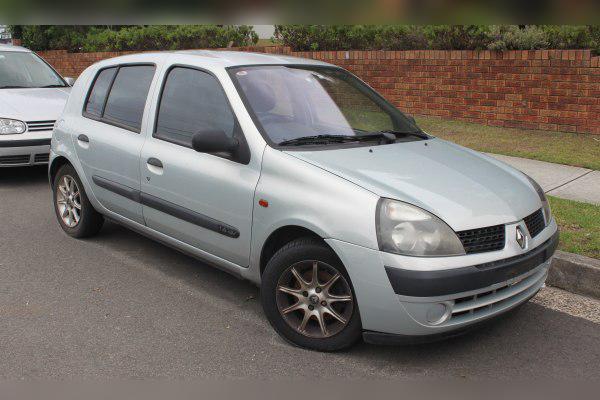
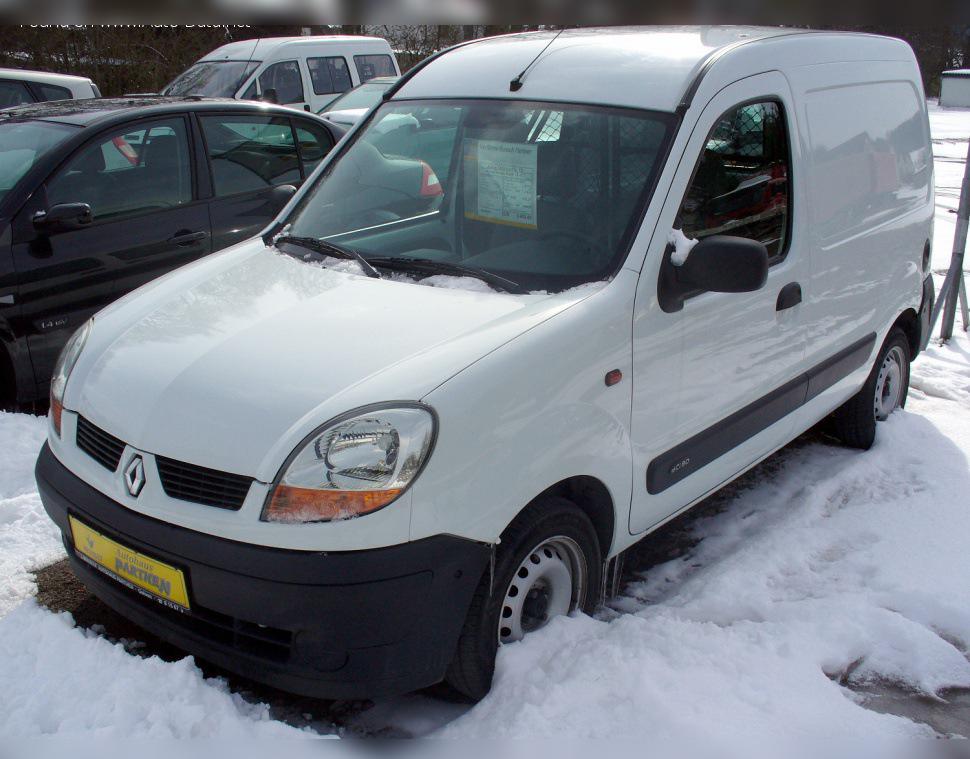
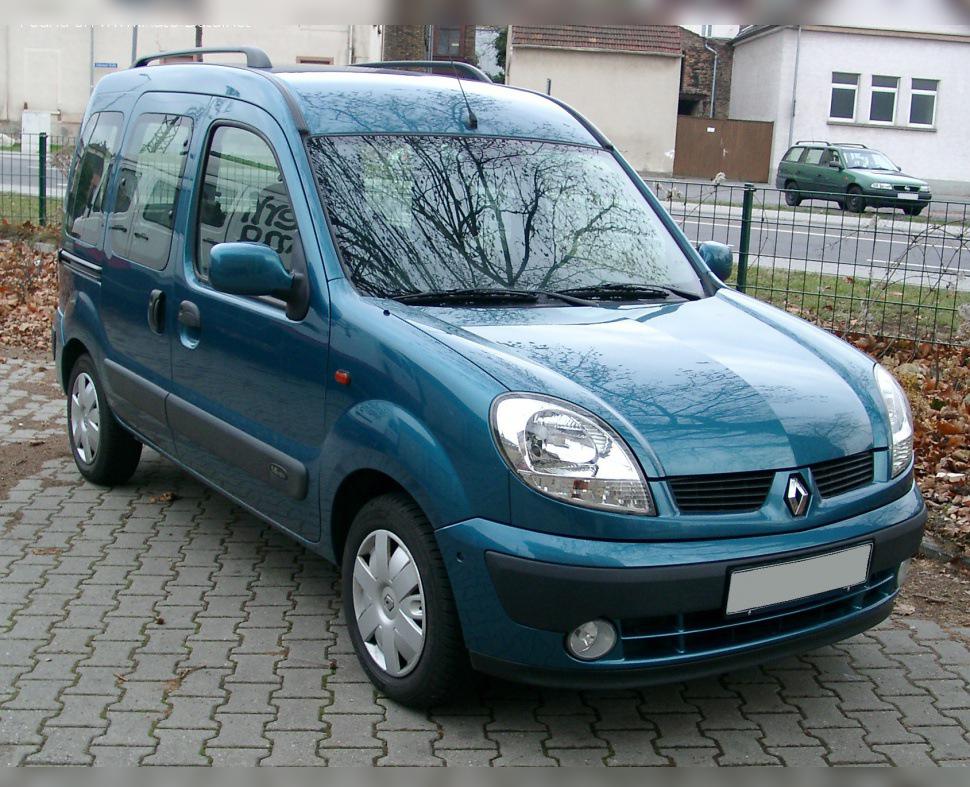
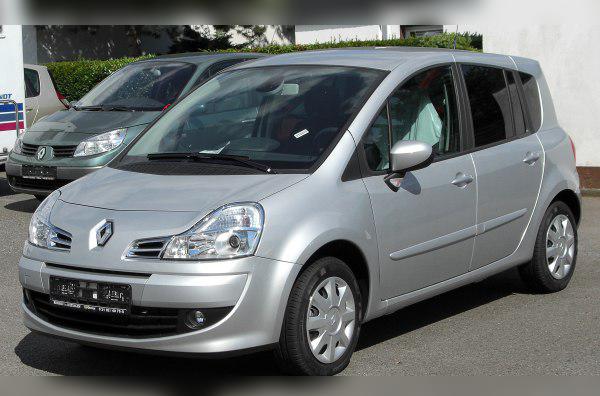
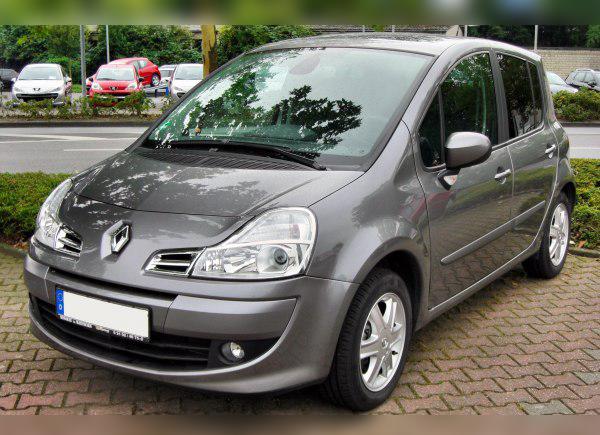
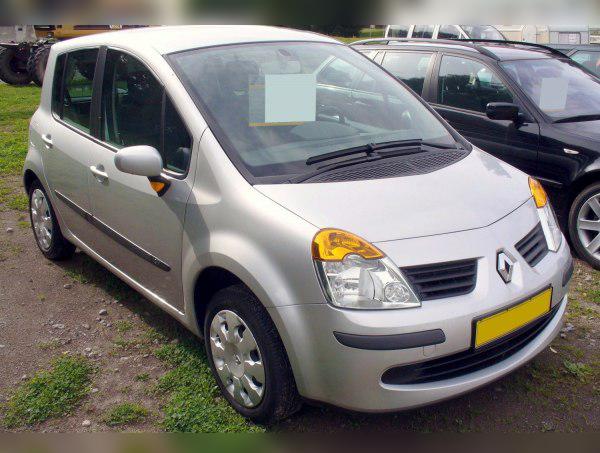
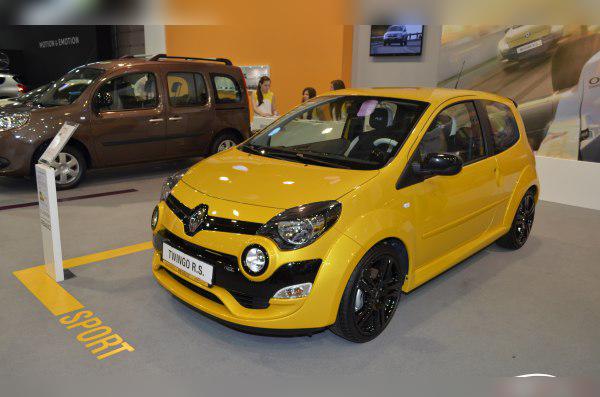
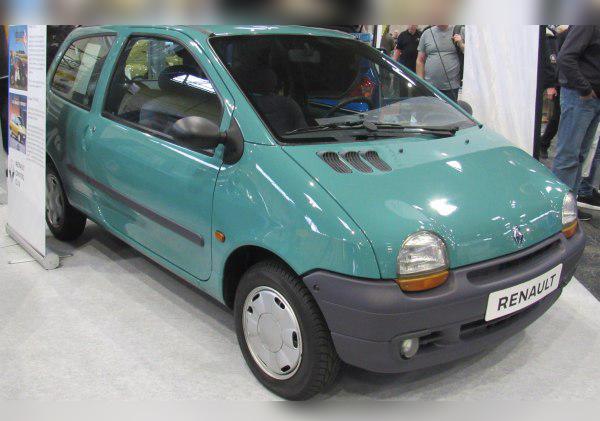
The D4F (1.2 16V) engine is one of the best-known and most widespread small petrol engines from the Renault group. It replaced the older 8-valve D7F engine and brought better power delivery of 55 kW (75 HP). It was installed in a huge number of models over many years – from the tiny Twingo and Clio, through the Modus, all the way to Dacia models such as the Logan and spacious Logan MCV, as well as workhorses like the Kangoo. This engine is “old school” – built to last, to be affordable to repair and to serve as an ideal means of transport from point A to point B.
Technical specifications
| Parameter | Data |
|---|---|
| Displacement | 1149 cc |
| Power | 55 kW (75 HP) |
| Torque | 105 Nm |
| Engine codes | D4F (various iterations e.g. 702, 712, 722, 732 depending on Euro standard) |
| Injection type | Indirect, into the intake manifold (Multipoint - MPI) |
| Induction type | Naturally aspirated |
Reliability and maintenance
Timing system: Timing belt
This engine uses a timing belt for the valve timing. Factory recommendations for the major service have changed over the years (often stated as 90,000 km or 5 years), but experienced mechanics always recommend replacing the timing belt kit, tensioners, idlers and water pump at intervals of 60,000 to 80,000 km or every 5 years. A snapped belt leads to contact between valves and pistons, which requires opening the engine and reworking the cylinder head, and the cost then becomes quite high.
Most common failures and symptoms
The mechanical side of the D4F engine is extremely durable, but it suffers from the typical “weak spots” of small petrol engines:
- Ignition coil pack: On this engine the coil is often cast “in one piece” (a single block) from which the leads go to the spark plugs. When it weakens, the engine starts to jerk, idles roughly, misfires and loses power, with the “Check Engine” light coming on.
- Throttle body and MAP sensor: Oil vapours from the breather can contaminate the throttle body. Symptoms are fluctuating idle speed or the engine stalling when you press the clutch approaching a traffic light. Cleaning solves the problem and is not expensive (depends on the market).
- Oil leaks: The valve cover gasket hardens over time and the engine starts to “weep” oil. This is not a critical failure, but if ignored, oil can reach the spark plugs and cause ignition problems.
Engine oil and service intervals
The sump of this engine holds about 4 litres of oil. The most commonly recommended grade is 5W-40 (or 10W-40 for engines with very high mileage and in hotter climates). It is recommended to do an oil service every 10,000 to 15,000 km or once a year. A healthy D4F engine should not consume oil drastically between services. A loss of up to 0.5 litres per 10,000 km is considered normal due to evaporation. If the engine consumes significantly more oil and emits bluish smoke, the problem lies in hardened valve stem seals or worn piston rings.
Spark plugs
Since this is a petrol engine, spark plugs should be replaced every 30,000 to 60,000 km. On the D4F engine the intake manifold is routed over the valve cover, which makes access to the spark plugs a bit more difficult. Bad and worn spark plugs are the most common cause of failure of the expensive coil pack, so this is not the place to save money.
Specific parts and costs
When it comes to running costs, the D4F is one of the most desirable engines because it lacks the expensive peripheral systems that drive owners of newer cars crazy and drain their budget.
- Dual-mass flywheel: This engine does not have a dual-mass flywheel. It uses a simple solid flywheel, so you only replace the standard clutch kit (pressure plate, disc, release bearing), which is not expensive (depends on the market).
- Fuel injection system: Injection is indirect (MPI). Petrol injectors work at low pressure, are extremely durable and rarely cause problems. If they do get clogged (most often on cars driven exclusively on LPG), ultrasonic cleaning is inexpensive.
- Turbocharger: The engine is naturally aspirated, which means it has no turbo. It develops power evenly through the rev range, without the risk of costly turbocharger overhauls.
- DPF, EGR and AdBlue: As this is a simple older-generation petrol engine, it has no DPF filter, no AdBlue system, and not even the typical troublesome EGR valve we are used to on diesels. Emissions are handled solely by the catalytic converter and lambda sensors.
Fuel consumption and performance
City driving and body weight
Fuel consumption varies depending on the body style. In small models such as the Twingo or Clio, in heavy city traffic (stop-and-go), real-world consumption is around 7 to 8.5 l/100 km. In these smaller cars, 75 HP is quite sufficient and the engine feels lively, especially in the lower gears.
However, the question “Is the engine sluggish?” gets a clear “yes” as soon as this unit is placed in heavier vehicles such as the Dacia Logan MCV, Renault Kangoo or Grand Modus. With only 105 Nm of torque (available only above 4,000 rpm), once you put two people and some luggage into an estate or van, overtaking becomes a manoeuvre you have to plan well in advance, and you have to rev the engine high.
Behaviour on the highway
This is not a highway engine. Due to the short gear ratios (designed for city driving), at a cruising speed of 130 km/h the engine spins at around 4,000 rpm (varies slightly depending on the gearbox model). Because of this, cabin noise becomes tiring and fuel consumption rises to about 8.5 to 9 litres. Its comfort zone on open roads is between 90 and 110 km/h.
Additional options and modifications
LPG installation
This is one of the best characteristics of the D4F engine – it handles LPG conversion perfectly. Thanks to indirect injection, installing a standard sequential LPG system is routine and not expensive (depends on the market). The valves and valve seats are made of quality materials, so they do not easily suffer from the higher combustion temperatures of LPG. A properly tuned LPG system does not noticeably reduce power, while it halves running costs.
Remapping (Stage 1)
The question of software tuning (remapping) a naturally aspirated 1.2 engine is very simple: it makes no sense. Without a turbo, a Stage 1 map on this engine can at best bring 3 to 5 HP, which is absolutely imperceptible in real driving, while the torque curve changes only minimally. Spending money on remapping this unit is not recommended.
Gearbox and drivetrain
Over the years, three types of gearboxes were paired with this engine:
- Manual gearbox (5-speed): The most common and best choice. The gearbox itself is robust. The most frequent issue is the gear selector mechanism (linkages) which develop play over time, so the gear lever becomes “imprecise” or it becomes harder to engage first gear and reverse. It can also slightly leak oil at the selector shaft seal. The oil in the manual gearbox should be replaced (or at least checked and topped up) every 60,000 to 80,000 km. Replacing the clutch kit is financially affordable, not expensive (depends on the market).
- Quickshift (robotized manual): Often fitted in the Twingo and Clio. This is a standard manual gearbox with a hydraulic mechatronic unit added on top to change gears instead of the driver. The most common failures are failure of the pressure accumulator (“bomb”), hydraulic fluid leaks, or failure of the clutch position sensor. Repairs are expensive and mechanics are reluctant to work on them. Symptoms include harsher gear changes, getting stuck in neutral or the car refusing to move off.
- Conventional automatic (DP0 - 4-speed): Installed less frequently. It is slow, increases fuel consumption in the city and can be temperamental. The most common problem is the pressure solenoids in the valve body (symptom: a strong jolt when shifting from 1st to 2nd gear while the gearbox is cold). It requires regular oil changes at a maximum of every 60,000 km.
Buying used and conclusion
What to check before buying?
When looking at a used car with a D4F engine, rely on your eyes and ears:
- Cold start: Start the car when it is completely cold. Listen for loud ticking from the top of the engine. Until the oil circulates, slight ticking is normal, but a loud valve noise indicates poor maintenance.
- Test drive: Under acceleration there should be no jerking. If the car “shudders” before it picks up speed, prepare for replacement of the coil pack, leads and spark plugs.
- Visual inspection: Look around the valve cover. If everything is covered in a thick layer of oily dirt, the gasket has failed. Check the condition of the coolant – it must be clean, with no traces of oil.
- Diagnostic check: Always connect an OBD scanner to see whether there are any stored “misfire” errors on the cylinders.
Who is this engine for?
The D4F 1.2 16V with 75 HP is an ideal engine for beginners, students and city delivery work (in lighter vehicles). Its greatest strength is cheap maintenance and the absence of expensive systems that cause headaches. If you are looking for a reliable and affordable “workhorse” that you can run on petrol or LPG, a manual Clio, Twingo or Modus with this engine is a great choice.
On the other hand, if you often drive on the highway, carry a lot of luggage, or are considering a Dacia Logan MCV estate, this engine will frustrate you with its lack of power and high noise levels. Also, avoid Quickshift gearboxes at all costs, as the cost of repairing the gearbox will exceed the value of the car.