Renault 1.2 8V (D7F) engine: Experiences, problems, fuel consumption and used car buying tips
- Extremely reliable and simple naturally aspirated petrol engine, ideal for city driving conditions.
- Maintenance is very cheap, it uses a timing belt and has no expensive components such as a dual-mass flywheel or turbocharger.
- Handles LPG (autogas) conversion very well, which makes it one of the most economical choices on the market.
- The engine is too “lazy” for heavier bodies such as the Kangoo, while in the Twingo and Clio it is quite agile.
- It is not intended for long motorway journeys due to short gear ratios and high noise levels at higher speeds.
- The most common minor faults include oil leaks from the valve cover gasket, ignition coil problems and crankshaft position sensor issues.
Contents
- Introduction: What you need to know about the D7F engine
- Technical specifications
- Reliability and maintenance
- Specific parts and costs
- Fuel consumption and performance
- Extras, LPG and remapping
- Gearbox and drivetrain
- Buying used and conclusion
Introduction: What you need to know about the D7F engine
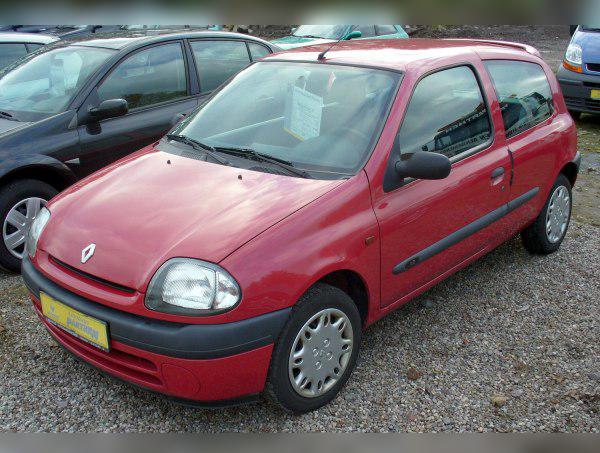
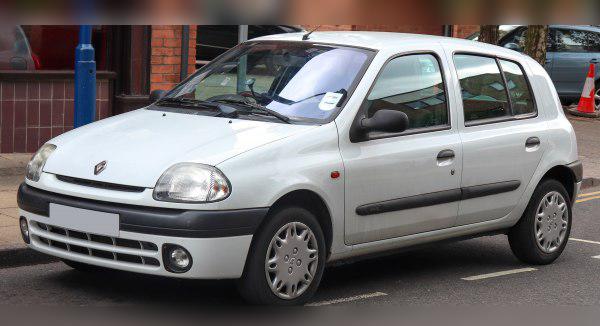
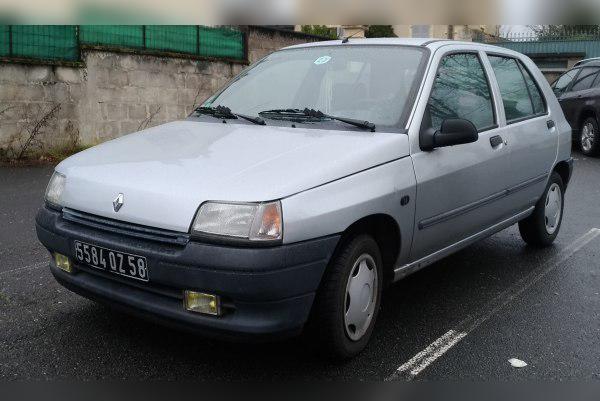
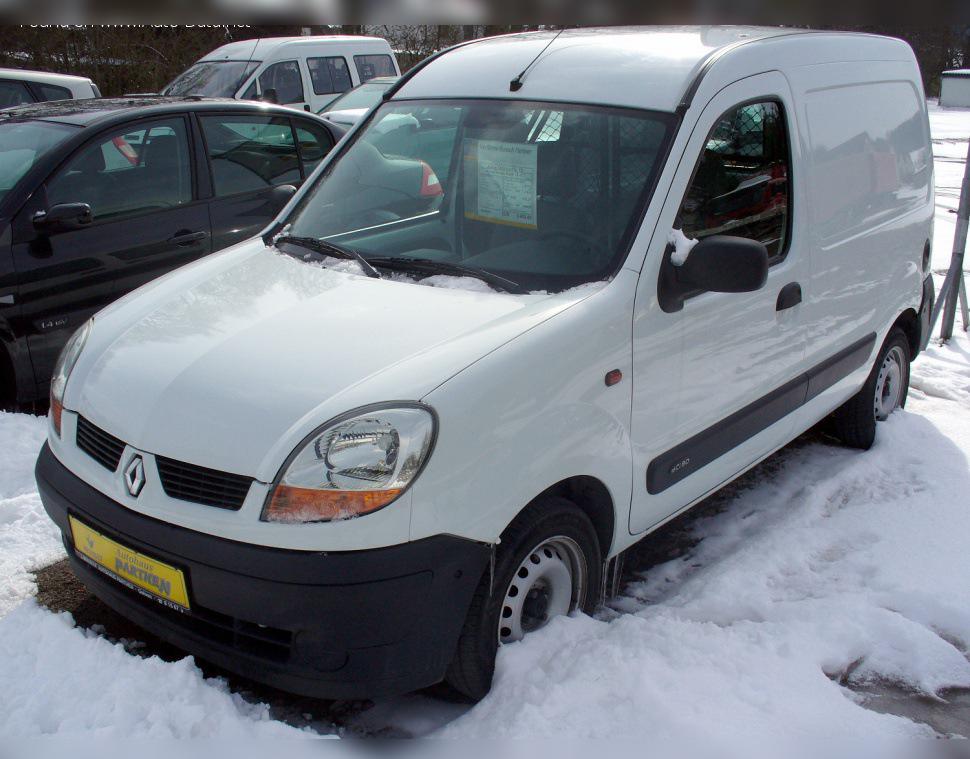
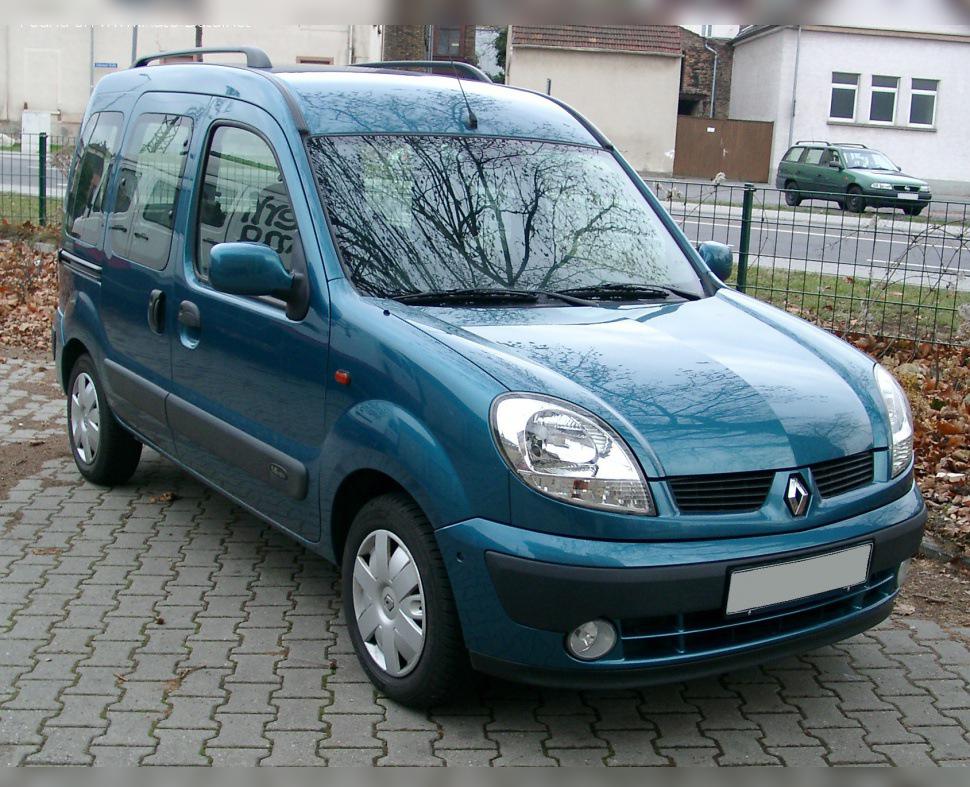
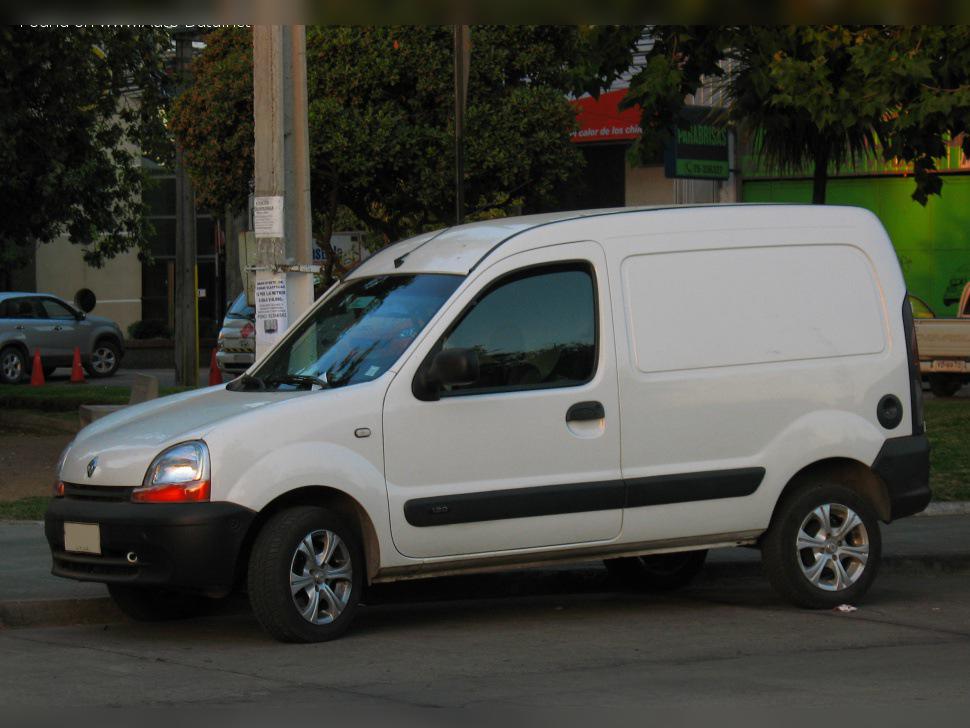
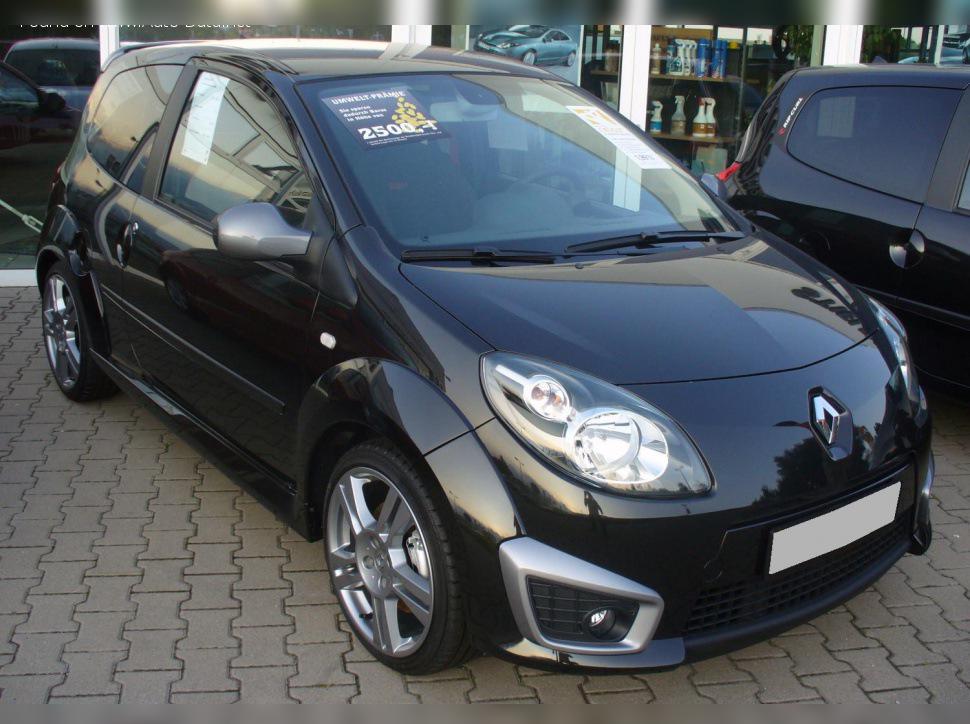
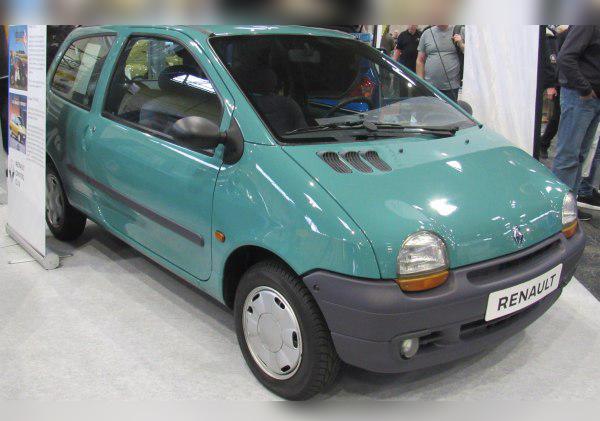
Renault’s power unit designated D7F is a true old-school mechanical design. It was developed in the mid‑1990s as a replacement for the outdated engines with a camshaft in the block (known as Cléon-Fonte). It is a compact 1.2‑liter petrol engine with 8 valves (two per cylinder) and a single overhead camshaft. Thanks to its reliability and low production and maintenance costs, this engine was widely used in models such as the Renault Twingo I and II, Clio I and II, as well as in light commercial vehicles like the Renault Kangoo I.
This is an engine that has powered millions of drivers. It was not designed to break speed records, but to carry out everyday tasks from point A to point B reliably and without fuss, with minimal impact on the household budget.
Technical specifications
| Feature | Data |
|---|---|
| Engine displacement | 1149 cc |
| Engine power | 43 kW (58 hp) |
| Torque | 93 Nm |
| Engine codes | D7F (with variations such as 700, 701, 702 depending on the model) |
| Injection type | Multi-point (MPI – indirect port injection) |
| Induction type | Naturally aspirated (no turbo) |
Reliability and maintenance
Timing belt or chain?
This engine uses a timing belt for the valvetrain. The system is quite simple and consists of the belt itself, a tensioner and the water pump. Due to the simple cylinder head design, replacement is not complicated for an experienced mechanic.
Major service and intervals
According to factory specifications, the major service is done every 90,000 km to 120,000 km or every 5 years, whichever comes first. Any conscientious mechanic will recommend sticking to the 90,000 km interval. A snapped timing belt on this engine leads to valve‑to‑piston contact, which requires expensive cylinder head machining.
Engine oil: Capacity, grade and consumption
The D7F engine takes roughly 4.0 liters of engine oil (including the filter). The recommended grade for most climates is 5W‑40, although on high‑mileage examples people often switch to 10W‑40 semi‑synthetic.
As for oil consumption, this engine is not known as an “oil burner”. A healthy engine should not consume more than 0.2 to 0.3 liters between minor services (done every 10,000–15,000 km). If you notice consumption higher than 0.5 liters per 1,000 km, the problem usually lies in worn valve stem seals or, less commonly, stuck piston rings.
Spark plugs and ignition system
As a classic petrol engine, the D7F requires regular spark plug replacement. The recommended replacement interval is every 60,000 km. Quality spark plugs are extremely important because worn plugs directly damage the ignition coil, which is otherwise one of this engine’s weak points.
Most common faults
The D7F is extremely durable, but it has a few typical “aches and pains”:
- Oil leak from the valve cover gasket: A very common sight. It is not dangerous, but it makes the engine dirty. Replacing the gasket is very cheap. (Depends on the market)
- Ignition coil (ignition module) failure: This engine uses a single ignition module (coil) from which four HT leads go to the spark plugs. When the coil fails, the engine starts running on three cylinders, jerks while driving and loses power.
- Crankshaft position sensor (TDC sensor): The symptom is difficult hot starting or the engine refusing to start at all (cranking without firing). Often the issue is just oxidation on the sensor connector contacts.
- Throttle body and idle stepper motor: Due to blow‑by fumes, the throttle body can get dirty, which leads to fluctuating idle speed. Cleaning the throttle body with spray solves the problem in 90% of cases.
Specific parts and costs
Dual-mass flywheel and clutch
Good news: the D7F engine does NOT have a dual‑mass flywheel. It uses a simple solid flywheel that practically never fails. The clutch system is conventional (friction disc, pressure plate, release bearing), and a clutch kit falls into the “very cheap” category (depends on the market).
Injection system and injectors
The injection is indirect (Multi‑point Injection – MPI). The petrol injectors are located in the intake manifold. They are not problematic. Unlike modern direct‑injection units, these operate at low pressure, are extremely durable and rarely fail. If the engine does start running unevenly, ultrasonic injector cleaning almost always restores factory performance.
Turbo, DPF, EGR and AdBlue
This engine is every frugal driver’s dream because it has absolutely none of these expensive systems.
There is no turbocharger, no DPF filter (it’s a petrol engine), no AdBlue system, and early versions do not even have a typical electronic EGR valve that would cause issues with soot build‑up. The absence of these components makes it mechanically simple and drastically reduces the chances of costly failures.
Fuel consumption and performance
Real-world fuel consumption
Although it has a small displacement, do not expect this engine to “produce” fuel in the tank. The technology is old. In city stop‑and‑go driving, real‑world consumption ranges from 7.0 to 8.0 l/100 km. On open roads (single carriageway, around 80 km/h) consumption drops to about 5.0 to 5.5 l/100 km.
Is the engine lazy?
It depends on which car it is fitted to. With its 58 hp and only 93 Nm of torque available:
- In the Renault Twingo: The engine is fantastic. The Twingo is a light car and this engine pulls it quite adequately and nimbly through city traffic.
- In the Renault Clio: Acceptable for undemanding drivers. It is sufficient for city use; for overtaking on country roads it requires planning and a downshift.
- In the Renault Kangoo: It is extremely sluggish. The Kangoo has a large frontal area (poor aerodynamics) and higher weight. If you load the Kangoo or take three more passengers, every acceleration becomes a real struggle for the engine.
Behaviour on the motorway
This engine was not built for motorways. The gearbox has very short ratios to compensate for the lack of power. At 130 km/h in fifth gear, the engine spins at a very high 4,000 rpm (depending on the specific gearbox it can be slightly more). Because of this, the cabin becomes very noisy and fuel consumption rises sharply (easily exceeding 8.5 l/100 km). Its “comfort zone” on the motorway is cruising at a maximum of 100–110 km/h.
Extras, LPG and remapping
LPG conversion
This is a perfect engine for LPG. Thanks to its simple MPI injection and robust valve seats, the D7F handles modern sequential LPG systems brilliantly. City LPG consumption will be around 8–9 liters, which makes driving incredibly cost‑effective. Since it does not have a fragile plastic intake manifold prone to backfires (as on older carburetted systems), sequential systems work flawlessly. Installation cost is: not expensive (depends on the market).
Remapping (Stage 1)
In short: an absolute waste of money. The D7F is a small naturally aspirated engine. Without a turbocharger, a so‑called “Stage 1” remap brings gains of maybe 3 to 5 horsepower, which in practice the driver cannot even feel. It is far better to invest that money in regular servicing and quality tyres.
Gearbox and drivetrain
Types of gearboxes
This engine most commonly comes with the proven 5‑speed manual gearbox (JB1 series). On some models (most often the Twingo) you can also find the semi‑automatic Quickshift gearbox, as well as a classic 3‑speed automatic on earlier series, although these are very rare.
Gearbox failures
- Manual gearbox (JB1): Generally very durable. Its biggest and best‑known weakness is oil leakage from the gear selector shaft seal (the lever on the underside of the gearbox). If the leak is ignored and the gearbox runs low on oil, the internal bearings will fail. The gears and synchros are robust, but on cars that have been driven aggressively in town, you may get crunching when engaging second gear.
- Automatic / Quickshift gearboxes: The Quickshift (robotised manual) often suffers from failures of the hydraulic actuator and pressure pump (accumulator). Repairs can be expensive and it is hard to find a specialist who really knows them. If you are buying used, it is safer to stick to the manual gearbox.
Gearbox service and oil
Although the manufacturer often states that the oil in the manual gearbox is “lifetime”, in practice this is a misconception. For long service life and smooth shifting, it is recommended to change the gearbox oil (usually 75W‑80 to Renault specifications) every 80,000 to 100,000 km. Capacity is usually around 3.4 liters. Changing it is a quick and inexpensive job that greatly extends synchro life.
Buying used and conclusion
What to look out for when buying?
When looking at a used car with the D7F engine, be sure to check the following:
- Cold start: The engine should start immediately and idle smoothly. If the revs fluctuate, the problem is the throttle body or an air leak. If it will not start, the crankshaft sensor is most likely acting up.
- Jerking while driving: Ask the seller to let you test the car at low revs (e.g. 3rd gear at 30 km/h) and then floor the throttle. If the car jerks, the plug leads or ignition coil are on their way out.
- Oil leaks: Look under the bonnet and under the car. An oily front side of the engine block usually means the valve cover gasket has failed. If you see oil spots under the driver’s footwell area (on the tarmac), that is gearbox oil leaking from the gear selector shaft.
- Timing belt: Ask for proof of the major service. If there is none, have it done on the very first day after purchase.
Who is this engine for?
The Renault 1.2 8V (D7F) is an ideal engine for beginners, students, light parcel couriers (in town) and anyone looking for a reliable means of transport with minimal maintenance costs. If you are planning an LPG conversion, this is one of the best bases for it.
On the other hand, if you are looking for a car for frequent long trips, family holidays with a full boot, or carrying heavy tools in a Kangoo, skip this engine. Its 58 hp and short gearing will tire you out on the motorway, and the lack of power will make every overtaking manoeuvre risky. For such needs, look for at least the more powerful 16‑valve version (D4F with 75 hp) or a diesel option.