Renault 1.4 E7J engine (75 hp) – Experiences, problems, fuel consumption and used car buying tips
Key points (TL;DR)
- Simplicity and reliability: Old-school mechanics, naturally aspirated 8-valve petrol engine, without complicated and expensive systems.
- Maintenance: Extremely cheap to maintain. The engine uses a timing belt, and the major service is done every 60,000 km.
- No expensive parts: No dual-mass flywheel, no turbocharger, no DPF and no sensitive high-pressure injectors.
- Ideal for LPG: One of the best engines of that era for LPG conversion.
- Performance: Quite sufficient for the light Clio, but rather “lazy” and weak for heavier bodies like the Scenic or Megane estate.
- Fuel consumption: Slightly higher in city driving (8–10 l/100 km); on the motorway it becomes noisy due to short gearbox ratios.
Contents
- Introduction: About the E7J engine
- Technical specifications
- Reliability, maintenance and failures
- Specific parts and emission systems
- Fuel consumption and performance
- LPG and ECU remapping
- Gearboxes, clutch and flywheel
- Buying used and conclusion
Introduction: About the E7J engine
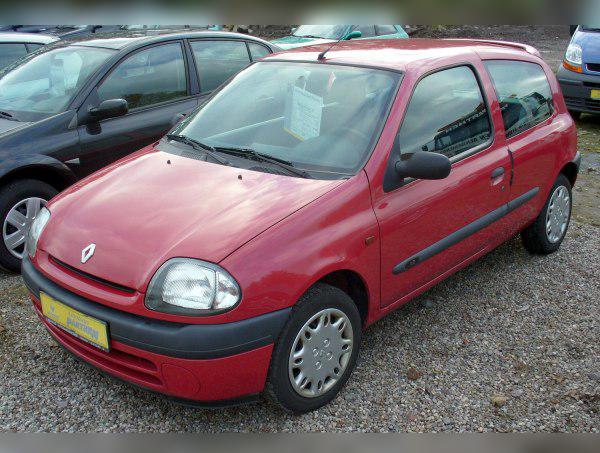
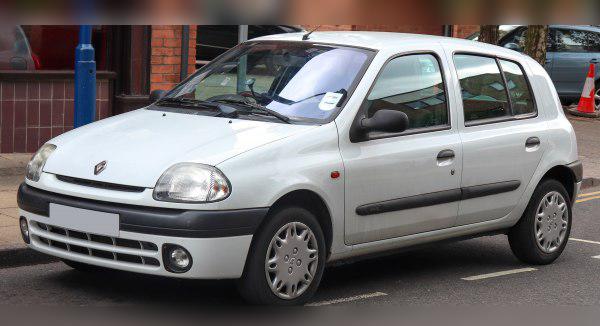
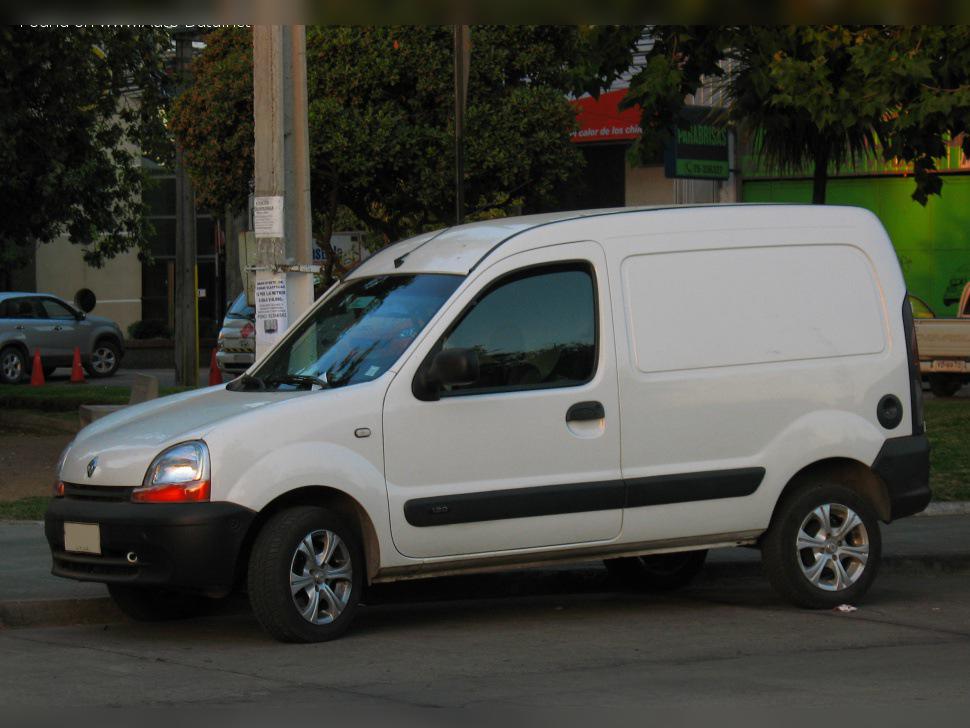
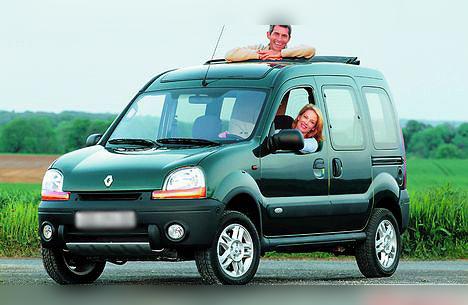
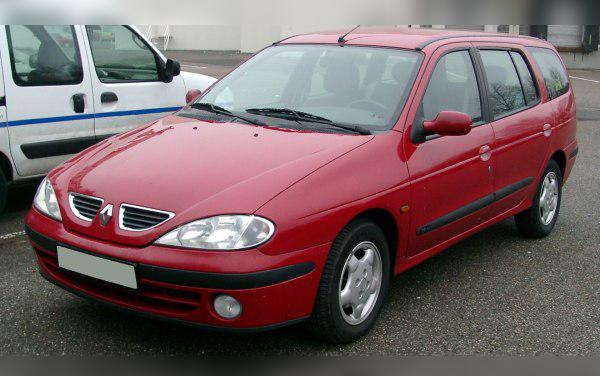
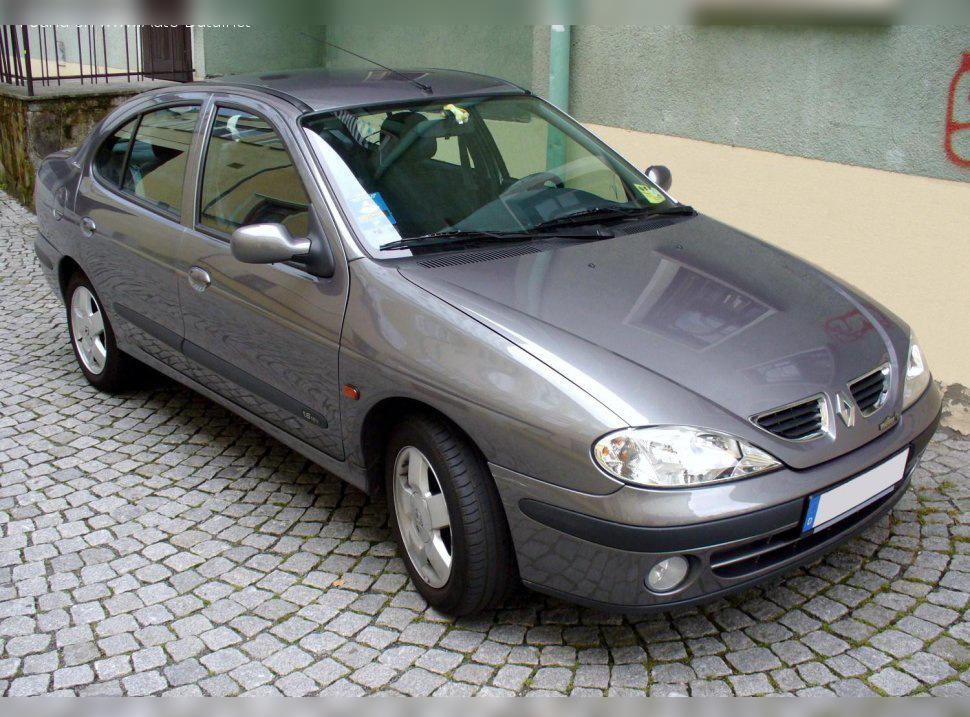
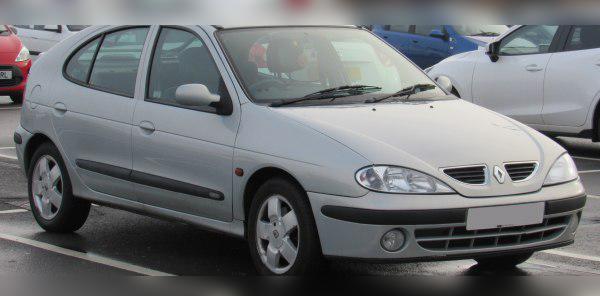
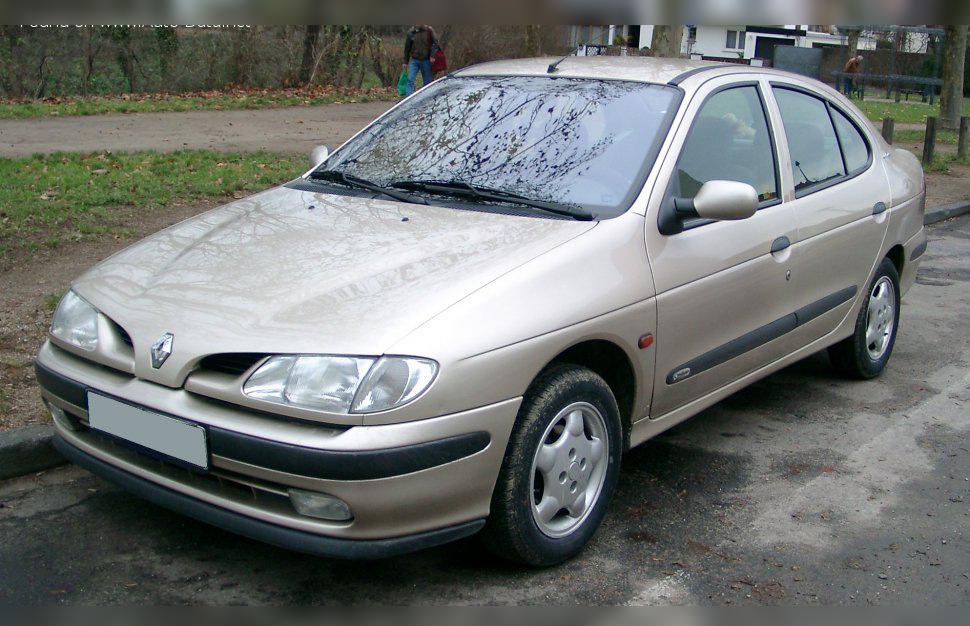
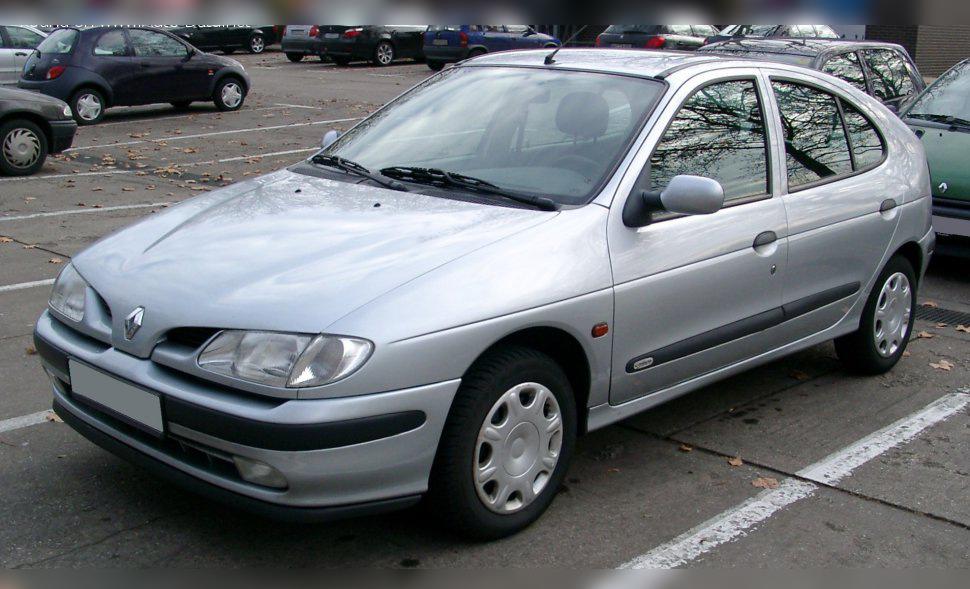
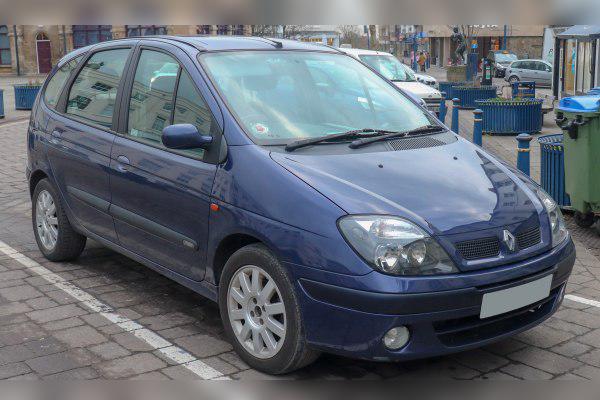
Renault’s E7J engine (from the “Energy” engine family) is a legendary workhorse that marked the late 1990s and early 2000s. With a displacement of 1.4 litres and 75 hp, this naturally aspirated petrol engine was a true “jack of all trades” in Renault’s lineup. It was installed in a wide range of vehicles: from the nimble city Renault Clio II and the practical small van Kangoo, all the way to family models such as Megane I and Scenic I.
This power unit represents the essence of basic motoring. It was not designed to break speed records, but to transport passengers from point A to point B cheaply and reliably. For today’s used-car buyers, the main advantage of this engine is that there is very little on it that can fail in a major way.
Technical specifications
| Parameter | Data |
|---|---|
| Displacement | 1390 cc |
| Power | 55 kW (75 hp) |
| Torque | 112 Nm |
| Engine codes | E7J (various sub-variants depending on model) |
| Injection type | Multipoint Injection (MPI) |
| Induction | Naturally aspirated |
Reliability, maintenance and failures
Timing belt and major service
The E7J engine uses a classic timing belt for the cam drive, not a chain. The timing mechanism is quite simple, but it is important to know that this engine has an “interference” design – which means that a snapped belt will definitely cause the pistons and valves to collide, resulting in major and costly damage to the cylinder head. Because of this, the major service (replacement of timing belt, tensioner and water pump) must be done strictly every 60,000 km or every 5 years (whichever comes first).
Oil, filters and spark plugs
The sump of this engine holds about 3.5 litres of oil. The most commonly recommended grade is 10W-40 (semi-synthetic), which perfectly suits the age and tolerances of this unit. Does it consume oil? A healthy E7J should not burn huge amounts, but consumption of around 0.2 to 0.5 litres per 1000 km on high-mileage examples is considered somewhat normal, most often due to hardened valve stem seals. If it consumes more than that, the problem is usually worn piston rings.
Since this is a petrol engine, regular spark plug replacement is essential for smooth running. Replacement is recommended every 30,000 to 40,000 km, together with checking the high-tension leads.
Most common failures
This is an extremely durable engine, but age takes its toll. The most common issues reported by drivers are:
- Crankshaft position sensor (TDC sensor): The car cranks but won’t start, especially when the engine is warm. The sensor gets dirty or its contacts weaken. Cleaning often solves the problem, and a new part is very cheap (depends on the market).
- Idle control valve (stepper motor): The driver will notice that idle speed fluctuates, drops too low (the car stalls at traffic lights) or stays too high.
- Ignition coils and leads: Current leakage can cause jerking while driving and the engine running on three cylinders.
- Oil leaks: The valve cover gasket and oil pan gasket loosen over time, so the engine often tends to be “oily” underneath, which is an aesthetic and environmental issue, but does not immediately endanger the mechanical operation.
- Valve adjustment: This engine does not have hydraulic lifters. The valves are adjusted manually. If you hear a pronounced “ticking” from the top of the engine, similar to a sewing machine, it’s time to adjust the valve clearances.
Specific parts and emission systems
When it comes to running costs on this engine, the news is excellent for your wallet.
Flywheel: This engine does not have a dual-mass flywheel. It uses a classic solid flywheel, so failures of that component are virtually non-existent.
Fuel injection system: It uses electronic Multipoint (MPI) injection. The petrol injectors operate at low pressure and are extremely durable. Potential problems arise only if the car sits for a long time or is driven exclusively on poor-quality LPG, causing the injectors to “stick”. Ultrasonic cleaning usually solves the issue.
Turbocharger: This is a naturally aspirated engine, so there is no turbo and no intercooler. You don’t have to worry about turbocharger overhauls.
Emissions (DPF, EGR, AdBlue): This model complies with older Euro standards. It does not have a DPF filter (which is a diesel-only feature), does not have a complex EGR valve that causes headaches, and of course does not have an AdBlue system. The exhaust system relies solely on a conventional catalytic converter and an oxygen sensor, which rarely cause serious problems.
Fuel consumption and performance
The engine delivers 75 horsepower and a relatively modest 112 Nm of torque. Because of this, its behaviour differs drastically depending on the car it is installed in.
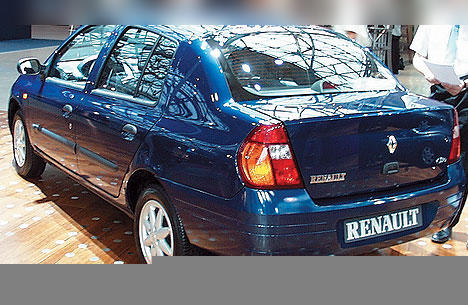
Performance and “laziness”: In the light Renault Clio II (and Clio Symbol), this engine offers fairly lively performance in the city. However, in models such as the Renault Megane I Grandtour (estate) or Renault Scenic I, this engine is definitely “lazy”. When overtaking on country roads or driving uphill with a full load, you will often have to work the gearbox and rev the engine high to get the car to accelerate.
Fuel consumption: In city driving, due to its older design, the engine is not particularly economical. Real-world consumption in town ranges between 8.5 and 10 l/100 km. On open roads it can drop to around 6 l/100 km.
Motorway driving: This is not its natural habitat. The gearbox has fairly short ratios. At a cruising speed of 130 km/h, the engine spins at nearly 4,000 rpm. Because of this, it becomes noisy in the cabin, and fuel consumption rises sharply and easily exceeds 8 l/100 km.
LPG and ECU remapping
LPG conversion
The E7J engine is an absolute champion when it comes to running on alternative fuels. It is extremely suitable for LPG installation. The engine has an aluminium head, but the valves and valve seats are of sufficient quality to withstand the higher combustion temperatures of gas without issues. A basic sequential LPG system works flawlessly and drastically cuts running costs. There is no need for expensive valve lubrication systems (so-called valve savers).
Should you remap it (Stage 1)?
Short answer: No. Longer answer: Since this is a small naturally aspirated petrol engine, a Stage 1 remap cannot increase boost pressure (because there is no turbo). The only thing a tuner can do is slightly adjust ignition timing and fuel mixture. Gains are in the region of 3 to a maximum of 5 hp, which is absolutely imperceptible in real driving. Any money spent on “chipping” this engine is basically money thrown away.
Gearboxes, clutch and flywheel
This engine is most commonly paired with a five-speed manual gearbox (mainly from the JB series, e.g. JB1 or JB3), while some versions of the Clio and Kangoo were also available with a four-speed automatic gearbox (the old Proactive / DP0 system).
Manual gearbox
These are relatively precise but light-feeling gearboxes. The most common problem with manual gearboxes of this Renault generation is oil leakage at the gear selector shaft seal (on the linkage under the gearbox). Over time the oil seeps out, and if the owner does not notice this and top it up in time, the bearings in the gearbox can be damaged, causing a loud “whining” noise while driving. The oil in the manual gearbox should be checked at every service and replaced every 60,000 km.
Clutch kit: Replacing the complete clutch kit (friction plate, pressure plate and release bearing) is considered routine work. Since the engine does not have a dual-mass flywheel, the cost of parts and labour is classified as cheap to very cheap (depending on the market).
Automatic gearbox (DP0)
The old 4-speed DP0 automatic does not have the best reputation. It is characterised by slow shifts between gears. The most common failures are of the solenoid valves responsible for regulating oil pressure, which causes the gearbox to go into “safe mode” (stuck in third gear) or to shift harshly, especially when cold. The recommendation is to avoid this old automatic, but if you have one, the oil must be changed using the flushing method every 40,000 to 60,000 km to prolong its life.
Buying used and conclusion
What to check before buying?
- Engine sound: Listen to the engine idling. The ticking mentioned above indicates the need for valve adjustment (not expensive, but it is a must).
- Idle speed: If on startup the revs swing between 500 and 1500 rpm, the problem is in the idle control valve, throttle body or unmetered air (vacuum leak).
- Visual inspection: Check the area around the valve cover and the joint with the gearbox. Slight “sweating” of oil is ugly but acceptable, while fresh oil drops on the ground under the car require resealing of the engine.
- Cooling system: Inspect the coolant reservoir. The coolant must be clean, without mayonnaise-like traces (oil and water mixing), since older Renault engines can blow the head gasket if they have been overheated.
Final verdict
Who is the Renault 1.4 E7J engine for? It is aimed at drivers who want maximum financial predictability. It is an excellent choice as a first car for novice drivers, for city deliveries (in a Kangoo), or for someone who covers high mileages on local roads with LPG installed. It does not offer breath-taking performance and it will not make you the king of the fast lane on the motorway, but it will serve you reliably with maintenance costs that are negligible compared to modern powertrains.