Renault 2.0 16V F4R (135 hp): Real-world experience, common issues, fuel consumption and used-buying tips
- Exceptional longevity: Old-school, proven naturally aspirated petrol engine without complicated modern systems (no DPF, no EGR issues, no turbo).
- Ideal for LPG: The engine works great with sequential LPG systems, which is a lifesaver for your wallet considering its fuel consumption.
- Weak points: Ignition coils and the variable camshaft pulley (VVT) are the most common reasons for visiting a mechanic.
- Not economical: In city driving and in heavier bodies (Duster, Grand Scenic), it easily uses 10–12 l/100 km.
- Gearboxes: Manual gearboxes are reliable, but the old 4-speed automatic (DP0) is prone to problems and requires careful maintenance.
- Maintenance: Cheap, no dual-mass flywheel and no insanely expensive parts. Major timing service every 60,000 km is a must.
Contents
- Introduction: Old-school, reliable engineering
- Technical specifications
- Reliability and maintenance: What tends to fail on the F4R?
- Specific parts and costs: How much does peace of mind cost?
- Fuel consumption and performance: How does it cope in real traffic?
- Additional options and mods: LPG and tuning
- Gearbox: Manual or troublesome automatic?
- Buying used and conclusion
Introduction: Old-school, reliable engineering
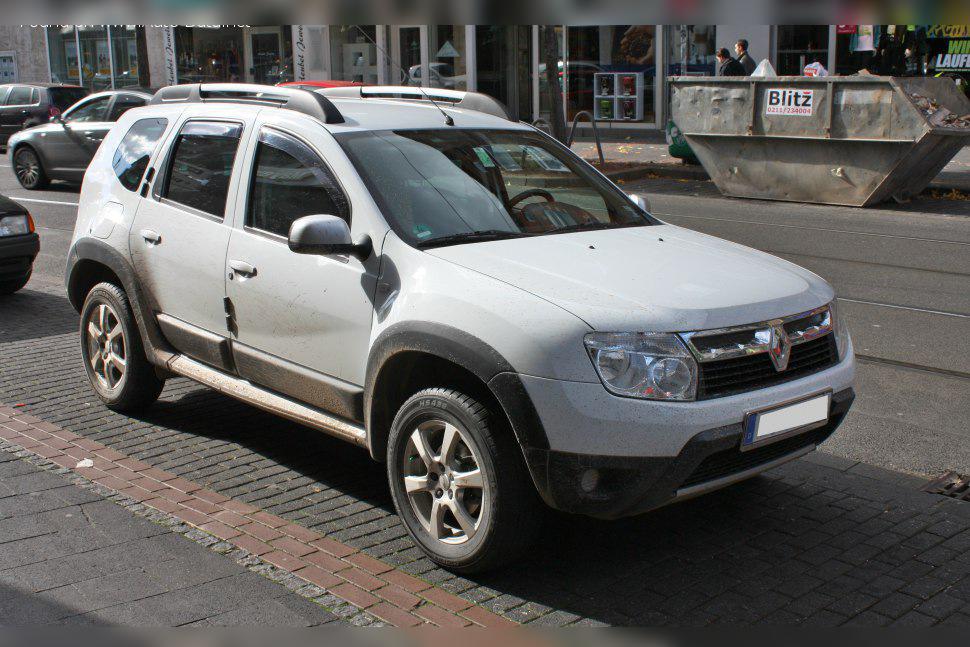
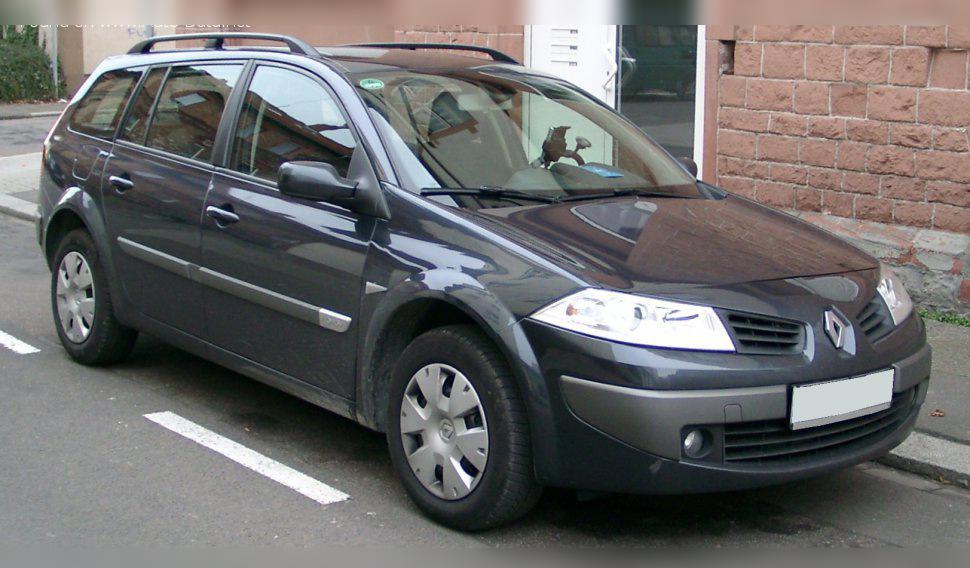
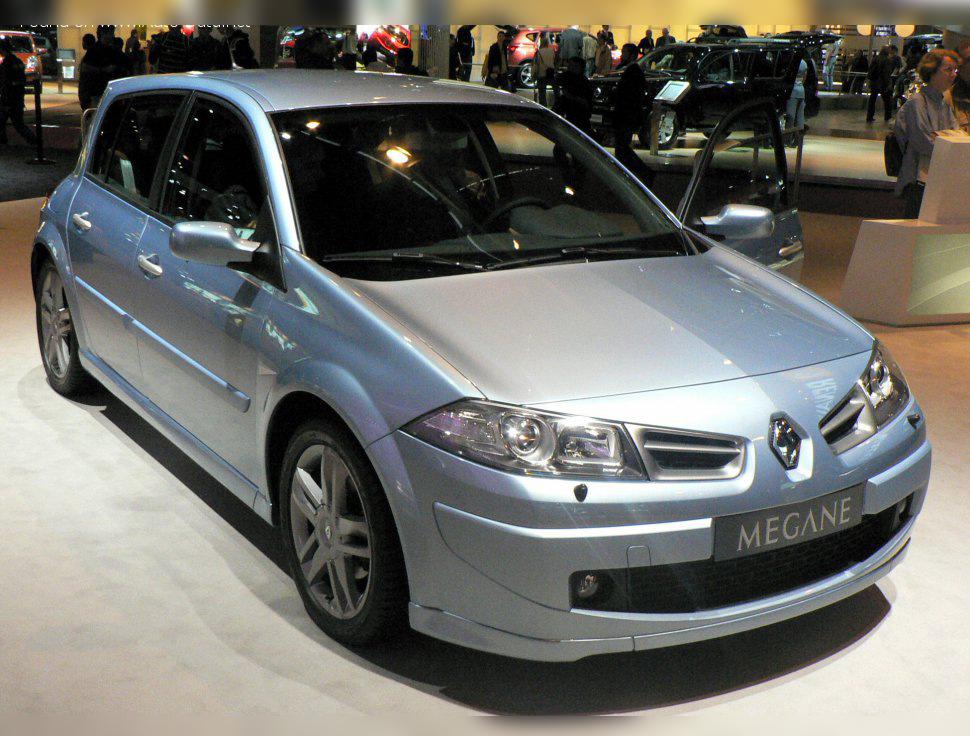
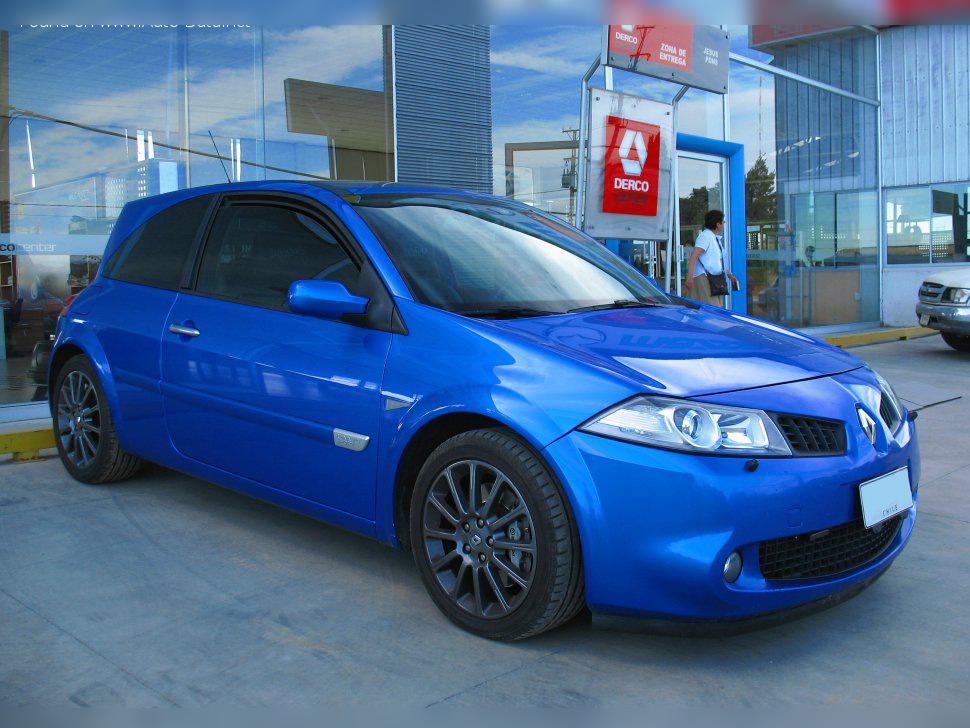
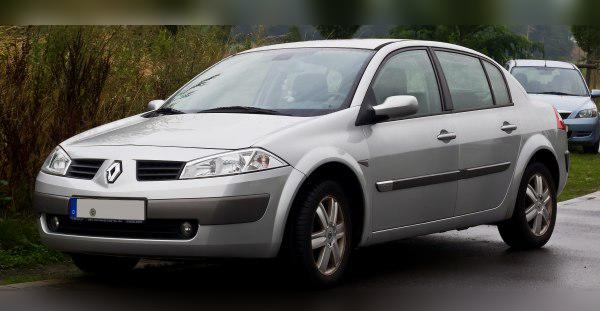
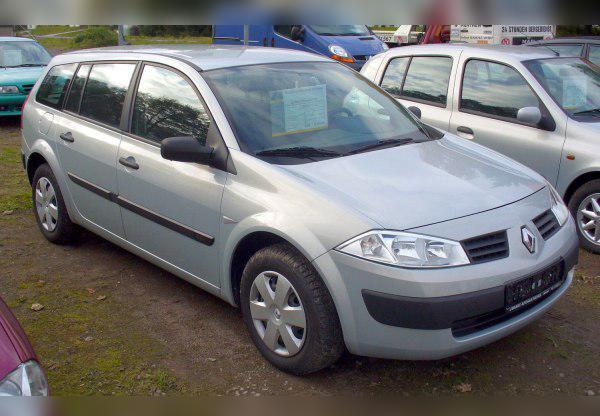
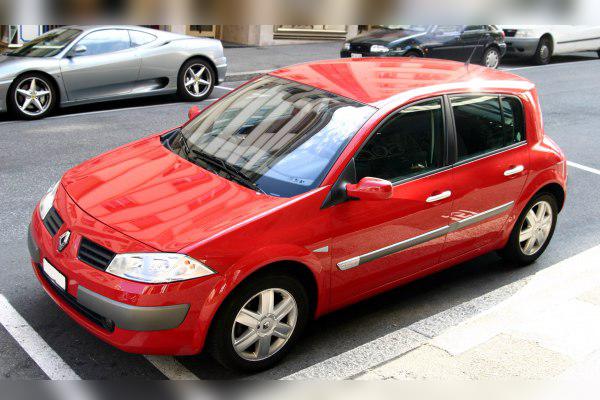
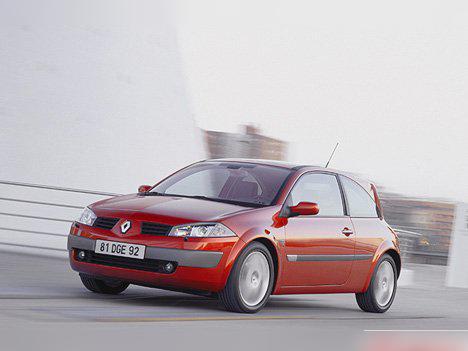
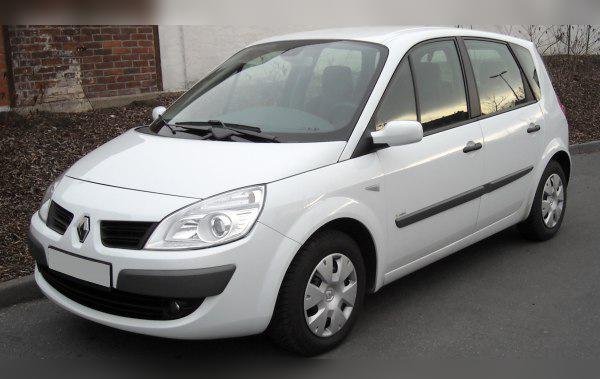
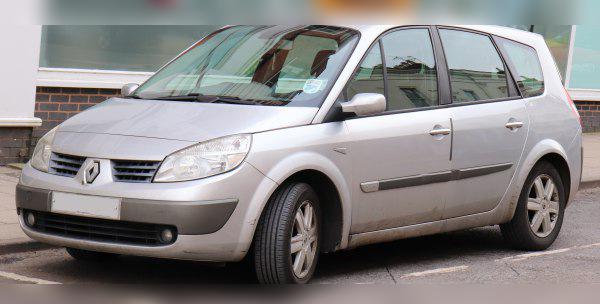
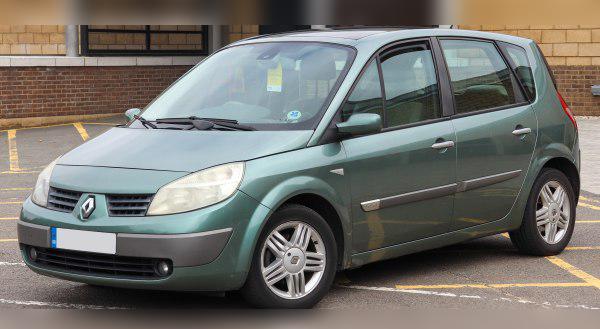
When you mention the F4R code, performance enthusiasts immediately think of the famous Clio RS. However, what we have here is its “tamer” version with 135 hp (99 kW) and 191 Nm of torque. This naturally aspirated two-liter engine was installed in many family and SUV-type models, from the Megane II (in all body styles – from coupe to estate and convertible), through the spacious Scenic and Grand Scenic II, all the way to the robust first-generation Dacia/Renault Duster.
Why is this engine important? In the era of downsizing and sensitive turbo engines, this 2.0 16V stands as a bastion of reliability. It is aimed at drivers who want robust mechanicals, don’t want to live in fear of expensive failures, and are willing to tolerate slightly higher fuel consumption in exchange for cheaper servicing.
Technical specifications
| Parameter | Data |
|---|---|
| Engine name and code | F4R (Various sub-codes depending on model) |
| Displacement | 1998 cc |
| Power | 99 kW (135 hp) |
| Torque | 191 Nm |
| Fuel type | Petrol (Gasoline) |
| Injection | Multipoint sequential (MPI) |
| Aspiration | Naturally aspirated |
Reliability and maintenance: What tends to fail on the F4R?
Timing belt drive and major service
This engine uses a classic timing belt to drive the camshafts. The manufacturer’s intervals are strict, and real-world experience shows you shouldn’t play games with them. The major timing service must be done every 60,000 km or every 4 to 5 years, whichever comes first. Skipping or delaying replacement of the belt, tensioners and water pump can result in belt failure, which leads to piston-to-valve contact (catastrophic engine damage). The cost of the major service is quite reasonable – not expensive (varies by market).
Most common failures: Coils and variable cam pulley
The two things every mechanic associates with this engine are the ignition coils and the variable camshaft pulley (VVT pulley).
The engine has four separate coils. The factory coils (often Sagem) are sensitive to heat and moisture. Symptoms of failure are noticeable jerking while driving, rough idle (engine running on three cylinders), loss of power and an illuminated “Check Engine” light. Mechanics usually recommend replacing them with higher-quality brands such as Denso or Beru.
The variable cam pulley (dephaser pulley) adjusts the intake valve timing. Over time, the internal mechanism wears out due to oil contamination or material ageing. The symptom is clear: on the first cold start of the day, the engine sounds like a diesel – rattling and clattering for a few seconds, and it can even stall right after starting. The pulley should be replaced as part of the major timing service if it shows these symptoms. Replacement cost is typically in the range of 100 to 180 euros (varies by market).
Minor but frequent issues are small oil leaks. Most often, the crankshaft seals and oil pan gasket start to seep, leaving spots under the car, but they rarely cause serious damage as long as you occasionally check the dipstick.
Oil consumption and change intervals
The engine takes about 5.4 liters of oil, and the recommended grade is 5W-40 with approval suitable for this unit. Oil must be changed strictly every 10,000 to 15,000 km, especially because the VVT pulley mentioned above is sensitive to dirty oil. As for oil consumption, the F4R is not notorious like some newer engines, but it can use up to 0.3–0.5 liters per 1,000 km in its later years (when the rings start to loosen slightly), and this is considered normal, although on healthy engines consumption is minimal.
Spark plugs and ignition system
For this petrol engine it is recommended to replace the spark plugs every 60,000 km under normal driving conditions. However, if you run the engine on LPG, mechanics advise replacing standard copper plugs more often, ideally every 30,000 km, because a weak spark drastically shortens the life of the sensitive ignition coils.
Specific parts and costs: How much does peace of mind cost?
The real beauty of owning an F4R engine lies in what it doesn’t have.
Does it have a dual-mass flywheel? No. The engine uses a solid flywheel, regardless of the body style it’s fitted to. Clutch kit replacement costs are low and usually range from 100 to 200 euros for the parts alone (varies by market).
Fuel injection system: It uses old, proven MPI technology (multipoint injection), where fuel is sprayed into the intake manifold rather than directly into the cylinder. The injectors are extremely robust. If they ever clog (most often due to fuel sitting in the tank when the car is driven mostly on LPG), ultrasonic cleaning is quick, effective and inexpensive (varies by market).
Turbo, DPF, EGR, AdBlue? No. This is a pure naturally aspirated petrol engine. There is no expensive turbocharger waiting to fail at 200,000 km. Being a petrol, it has no DPF filter and no AdBlue system. It also doesn’t have the typical troublesome EGR valve found on diesels; instead, it uses a simple PCV (crankcase ventilation) system, which means you won’t have wallet-draining failures in this area.
Fuel consumption and performance: How does it cope in real traffic?
City and highway driving
This is a large-displacement engine with older technology, so fuel economy is not its strong suit. Real-world city consumption is around 10 to 12 l/100 km. If the engine is paired with the old automatic gearbox or sits in a heavy Duster with AWD (4x4), winter consumption can climb to 13 l/100 km.
Performance: Is the engine “lazy”?
In lighter models such as the Megane II hatchback and coupe, the F4R feels fairly lively. Those 135 hp come into their own once the engine revs past 3,500 rpm. However, in heavier models like the Grand Scenic II (when loaded with family and luggage) or in the Duster, whose aerodynamics are about as sleek as a brick, the engine can feel “lazy” at low revs. Naturally aspirated engines need revs to deliver power, so for any more dynamic overtaking you’ll have to drop one or even two gears.
Behavior on the motorway
On the open road it is stable and dependable, but acoustics are not perfect. Due to the lack of low-end torque, the gearboxes are geared relatively short. At a cruising speed of 130 km/h on the motorway, the tachometer usually sits between 3,500 and 4,000 rpm (depending on the gearbox; for example, the Duster has very short ratios). This means more noise in the cabin and fuel consumption of about 8.5 to 9 l/100 km.
Additional options and mods: LPG and tuning
LPG – A perfect match
This engine is practically made for LPG. Thanks to MPI injection and robust valves (some F4R versions have hydraulic lifters, but even without them the valves are durable), installation of a sequential LPG system is routine, inexpensive and pays for itself very quickly. Make sure the LPG map is properly calibrated so the mixture isn’t too lean, which protects the exhaust valves. The fuel savings over 10,000 km are enough to cover the cost of installation.
Chiptuning (Stage 1) – Forget it
Since this is a naturally aspirated engine, remapping the ECU (Stage 1) is basically a waste of money. Without a turbo that a tuner can “make blow harder”, gains are minimal – at most 5 to 8 hp at the top of the rev range, which you won’t really feel in everyday driving. It essentially stays the way the factory built it.
Gearbox: Manual or troublesome automatic?
Manual gearboxes
This engine was paired with five-speed and six-speed manual gearboxes (depending on the model – the Megane more often has a six-speed, the Scenic can have either, while the AWD Duster has a short-ratio 6-speed where first gear acts almost like a “crawler”). These gearboxes are mechanically robust. The most common issues are oil leaks from the selector shafts or worn synchros if the car has done over 300,000 km in city traffic. There is no expensive dual-mass flywheel. It’s advisable to change the gearbox oil at 80,000 to 100,000 km, even though the manufacturer often calls it “lifetime oil” – mechanics strongly disagree.
Automatic gearboxes (DP0/AL4)
The automatic paired with the F4R is the infamous four-speed unit developed together with the PSA group (Renault code DP0). This gearbox is the weakest link in the entire drivetrain.
Main issues and symptoms:
- Harsh shifting (jerks and thumps): Especially from 1st to 2nd gear while the oil is still cold.
- Safe mode: The gearbox gets stuck in 3rd gear and triggers a fault on the dash. The cause is a drop in oil pressure, usually due to faulty solenoids in the valve body or overheating.
This gearbox requires frequent servicing. The oil must absolutely be changed every 60,000 km or sooner to keep the valve body clean. If it fails, repair is considered expensive (varies by market) relative to the value of the whole used car.
Buying used and conclusion
Buying a car with the 2.0 16V F4R engine can be an excellent move, but it requires a careful inspection. When buying, make sure to check the following:
- Cold start: Ask the seller not to start the car before you arrive. As soon as you start it, listen to the left side of the engine. If for 3–4 seconds you hear a sound like an old tractor before it quiets down (or the car stalls and then starts normally the second time), the VVT pulley is due for replacement.
- Idle behavior: The engine should idle smoothly, without shaking. If the gear lever vibrates and you feel knocking through the seat, the coils, leads or crankshaft sensor are likely failing.
- Engine bay check: Remove the plastic engine cover (if fitted) and look for fresh oil traces around the oil pan and sensors.
- Automatic test: If you’re looking at an automatic, you must drive it from cold to see if it bangs when shifting, and then drive it for at least 30 minutes at operating temperature to make sure it doesn’t go into safe mode.
Conclusion
Who is Renault’s F4R for? It is an ideal engine for people who want space in a Megane estate or Scenic, or all-wheel drive in a Duster, but refuse to play the lottery with used diesels and save up for injector, turbo or DPF overhauls. The smartest possible combination for this engine is a manual gearbox and a properly installed, certified LPG system. You’ll get an extremely durable “workhorse” with running costs comparable to much smaller city cars.