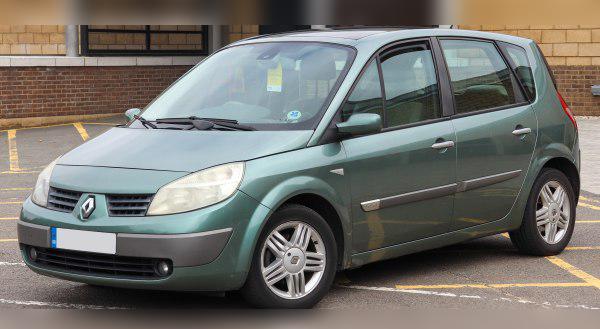
Renault 2.0 16V Turbo F4R (163 hp) – Experiences, problems, fuel consumption and buying used
Key points (TL;DR)
- Old-school petrol engine: Extremely durable cast-iron block, known for longevity.
- Timing system: Uses a timing belt, whose regular replacement is absolutely critical.
- Weak spots: Ignition coils, variable cam pulley (VVT) and oil leaks from the valve cover.
- Fuel consumption: Quite high in city driving, especially in heavy vehicles like the Espace.
- LPG: Port injection makes it a perfect candidate for a cheap LPG conversion.
- Gearboxes: Manual gearboxes require regular oil changes due to sensitive bearings, while older automatics need a thorough check before purchase.
Contents
- Reliability and Maintenance
- Specific Parts and Costs
- Fuel Consumption and Performance
- Additional Options and Modifications
- Gearbox
- Buying Used and Conclusion
Introduction
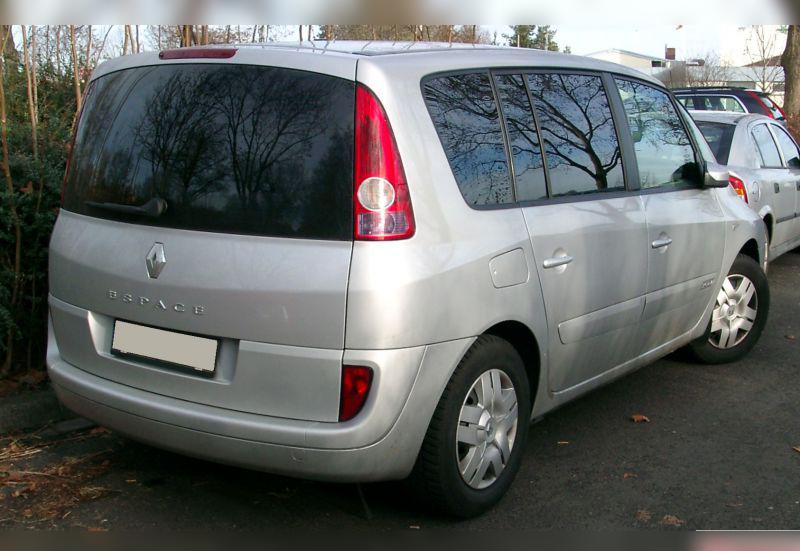
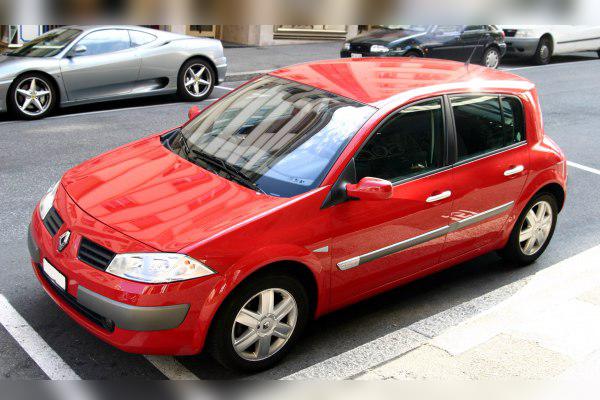
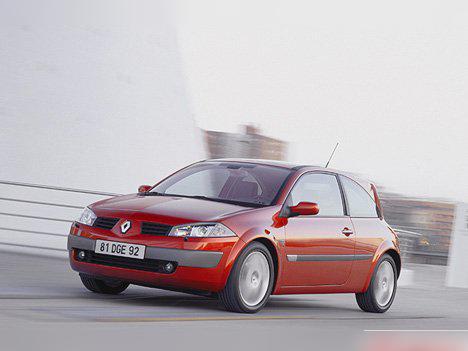
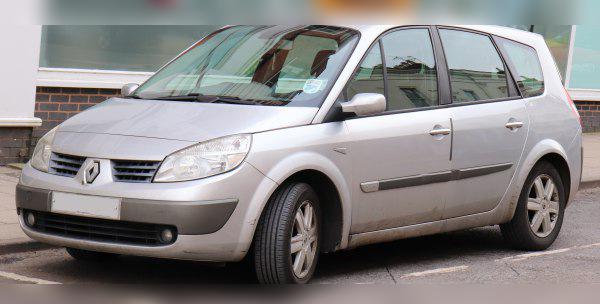
The F4R engine in its 2.0‑liter turbo version is one of the true legends of Renault engineering from the early 2000s. Designed to offer a balance between performance and smoothness, it was installed in a wide range of vehicles – from the avant-garde and heavy Renault Avantime and family cruisers like Espace IV and Grand Scenic II, all the way to the sportier Megane II. The base of this engine was also used for the famous Megane RS models, which says enough about the potential and robustness of the block itself. Still, owning a turbo petrol engine of this generation comes with its specifics, requires regular maintenance and a readiness for somewhat higher fuel bills.
Technical specifications
| Characteristic | Specification |
|---|---|
| Engine displacement | 1998 cc |
| Power | 119 kW (163 hp) |
| Torque | 270 Nm |
| Engine codes | F4R 776, F4R 796, F4R 797 (depending on model) |
| Injection type | MPI (Port fuel injection into the intake manifold) |
| Aspiration | Turbocharger with intercooler |
Reliability and Maintenance
This engine uses a timing belt for the valve timing system. Replacement intervals are strict and must not be ignored, because a snapped belt leads to catastrophic engine damage (valves hitting the pistons). The major service is usually done every 60,000 to 80,000 km, or every 5 years, whichever comes first. Along with the timing belt, it is mandatory to check and usually replace the variable cam pulley (VVT). Its failure is manifested by a specific “diesel-like” rattling noise on cold start and a slight loss of power at lower revs.
When it comes to the most common failures, the F4R is generally very reliable mechanically, but it suffers from minor “French quirks”. Ignition coils (most often Sagem or Denso) are prone to failure. Symptoms include rough engine operation, shaking at idle, loss of power and the “Check Engine” light coming on. It is recommended to keep a spare coil in the trunk. Also, oil leaks from the valve cover and around the crankshaft seals are common on higher‑mileage examples.
The sump of this engine holds about 5.4 liters of oil. The 5W‑40 grade (Elf Evolution SXR is often recommended) has proven to work best, providing optimal lubrication for the turbo at high temperatures. As for oil consumption, it is completely normal for this engine to use a certain amount between services. Due to the presence of a turbocharger and the older piston ring design, consumption of 1 to 1.5 liters per 10,000 km is considered absolutely normal. If it consumes significantly more, the problem usually lies in worn valve stem seals or a tired turbocharger.
Since this is a petrol engine, spark plugs play a key role, especially on a turbo engine because of the higher pressures and temperatures in the cylinder. Replacement is recommended at a maximum of 60,000 km, with mandatory use of platinum or iridium plugs according to factory specification.
Specific Parts and Costs
Many drivers wonder whether this petrol engine has a dual‑mass flywheel. The answer is yes – versions with a manual gearbox are equipped with a dual‑mass flywheel to neutralize vibrations and sudden torque shocks from the 270 Nm. Replacing the complete clutch and flywheel set is quite expensive (depends on the market), so this needs special attention when buying.
The fuel injection system is traditional MPI (Multi‑Point Injection). This is fantastic news for maintenance. Unlike modern direct‑injection engines, the injectors on the F4R are not exposed to extreme pressures and soot inside the cylinder. They are very durable, rarely get dirty, and if clogging does occur, ultrasonic cleaning usually solves the problem and is not expensive (market‑dependent).
The turbocharger (most often a Mitsubishi TD04) is a single unit and quite durable if the engine has regularly received fresh oil and if previous owners did not switch off a hot engine immediately after hard driving on the motorway. Its lifespan often exceeds 200,000 km. Whistling under load or bluish smoke from the exhaust are the first signs that the turbo needs an overhaul. Fortunately, rebuilding this type of turbo is not overly expensive nowadays (depends on the market).
It is important to note: since this is an older‑generation petrol engine, it does not have a DPF filter, nor does it use AdBlue fluid. It also does not have the typical troublesome EGR valve found on diesels, which significantly lowers running costs and eliminates stress in city driving.
Fuel Consumption and Performance
This is not an engine for drivers whose top priority is fuel economy. Real‑world city consumption for lighter models such as the Megane II is between 10 and 11.5 l/100 km. However, in heavy bodies such as the Espace IV or Avantime, where the kerb weight easily exceeds 1.7 tons, consumption in stop‑and‑go conditions often jumps to 13 to 15 l/100 km.
As for performance, the engine behaves drastically differently depending on the body style. In the Megane II, with its 163 hp and 270 Nm available at relatively low revs, it delivers serious acceleration and a very sporty feel. In the Espace IV, the engine is definitely not “lazy” – the turbo allows it to cope with the weight much better than naturally aspirated 2.0‑liter units, but it has no sporty pretensions; instead, it offers smooth and safe overtaking.
On the motorway this engine is in its natural habitat. Thanks to the turbocharger, it cruises extremely smoothly. At 130 km/h in sixth gear (with manual gearboxes), the engine spins at around 2,800 to 3,000 rpm. Engine noise in the cabin is minimal, and there is always enough power in reserve for overtaking without downshifting.
Additional Options and Modifications
This engine is an ideal platform for LPG conversion. Thanks to the MPI injection system, installing a sequential gas system is routine, and the valve seats are strong enough to handle LPG operation without problems. Considering the high petrol consumption, installing a quality LPG system pays off very quickly and is highly recommended.
When it comes to tuning, the F4R 2.0 Turbo (163 hp) has huge potential. The engine block and internal components are extremely strong. With a standard “Stage 1” remap, this engine easily and safely reaches between 190 and 205 hp without any hardware changes, while torque increases to around 310 to 330 Nm. Driving after such a modification becomes noticeably more fluid, and if you don’t constantly push it hard, fuel consumption in normal conditions can even drop slightly.
Gearbox
This engine was paired with 6‑speed manual gearboxes (most often designated PK6 or ND0 in newer series) and automatic gearboxes (depending on year and model this can be the well‑known 4‑speed DP0/AL4, or the 5‑speed Aisin SU1).
Manual gearboxes (especially the PK6) are known for one specific problem: bearing wear inside the gearbox. The symptom is whining or humming in certain gears (most often third and fourth) or when lifting off the throttle. To prevent this, it is necessary to change the oil in the manual gearbox every 60,000 km, even though the manufacturer sometimes declares the oil to be “lifetime” (which in practice is not true).
Automatic gearboxes are a story of their own. The 4‑speed DP0 is outdated, quite slow and often suffers from failures of the solenoids responsible for regulating oil pressure, which results in harsh jerks when changing gears. The 5‑speed Aisin (SU1), more commonly found in Espace models, is much better in quality, but requires strict oil changes. Maintaining an automatic means servicing and flushing the oil every 50,000 to 60,000 km, which is a regular cost but much lower than a complete overhaul, which is very expensive (market‑dependent).
Buying Used and Conclusion
When buying a used car with this engine, you must be aware that you are looking at a vehicle that is around fifteen years old or more. The first and basic thing to check is the morning, completely cold start. If during cranking and in the first seconds of operation you hear mechanical scraping and rattling from the timing belt area, this is a sure sign that the variable cam pulley (VVT) needs to be replaced. Then, after the engine warms up, let it idle for 5–10 minutes and then rev it. If it emits a cloud of blue smoke, the problem is the valve stem seals. If blue smoke is constantly present under acceleration and load, the turbocharger needs an overhaul.
Always take a diagnostic tool with you, because the electronics in Renault models from this period (especially card readers, crankshaft sensors and ignition coils) can log errors that the seller may temporarily hide by clearing them.
Who is this engine for? The Renault F4R 2.0 16V Turbo with 163 horsepower is ideal for drivers who appreciate the refinement of a four‑cylinder petrol engine with extra power from a turbo, and do not want to be slaves to the problems of modern diesels (DPF, injectors, EGR). High fuel consumption is its biggest drawback, but considering that this is an excellent engine for LPG, that problem is easily and effectively solved. If you find an example with a proper gearbox service history and proof of a completed major service, you will get a very reliable cruiser.