Renault 2.0 Turbo F4R (170 HP) – Experiences, problems, fuel consumption and buying used
- Old-school engineering: The cast-iron engine block guarantees exceptional longevity. The engine can cover huge mileages without compression issues.
- Ideal for LPG: Indirect injection (MPI) makes it one of the best modern turbo petrol engines for cheap LPG installation.
- Fuel consumption as the biggest downside: In heavy bodies (Espace), city consumption easily exceeds 13 l/100 km.
- Maintenance: It has a timing belt (not a chain), and the sensitive points are the ignition coils and the phase variator, which tends to rattle on cold start.
- Turbocharger: Very robust, provided the oil is changed regularly. Rarely causes headaches.
- Conclusion: An excellent, and often more reliable alternative to dCi diesels, especially for people who don’t drive many kilometers or plan to install LPG.
Contents
- Introduction: What you need to know about the F4R engine
- Technical specifications
- Reliability and maintenance
- Specific parts and failures
- Fuel consumption and performance
- Additional options and modifications (LPG and remapping)
- Gearboxes: Failures and maintenance
- Buying used and conclusion
Introduction: What you need to know about the F4R engine
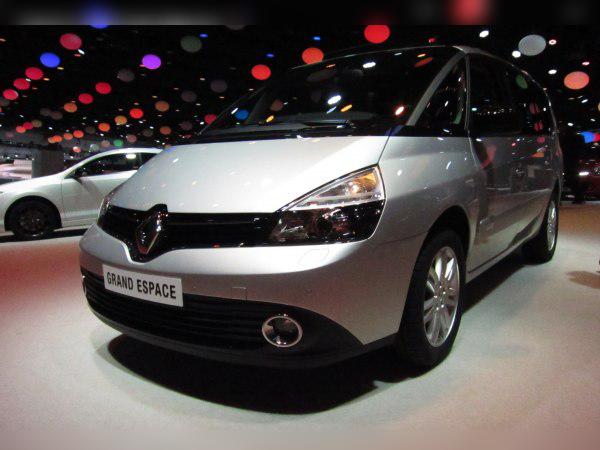
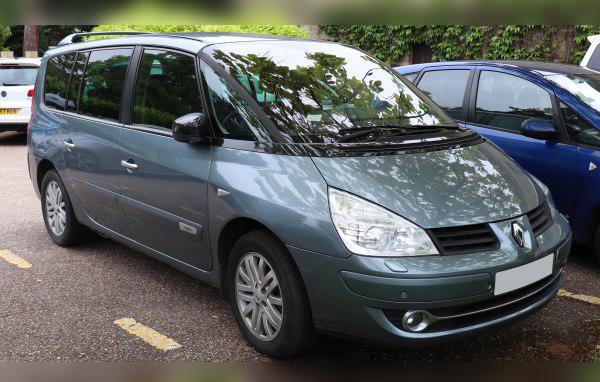
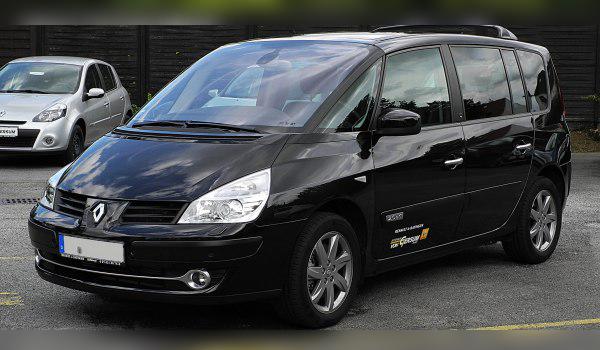
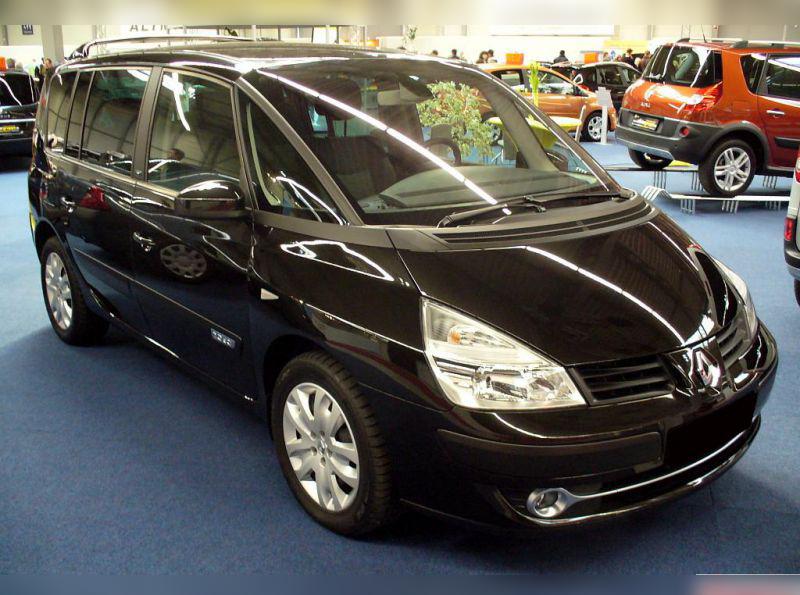
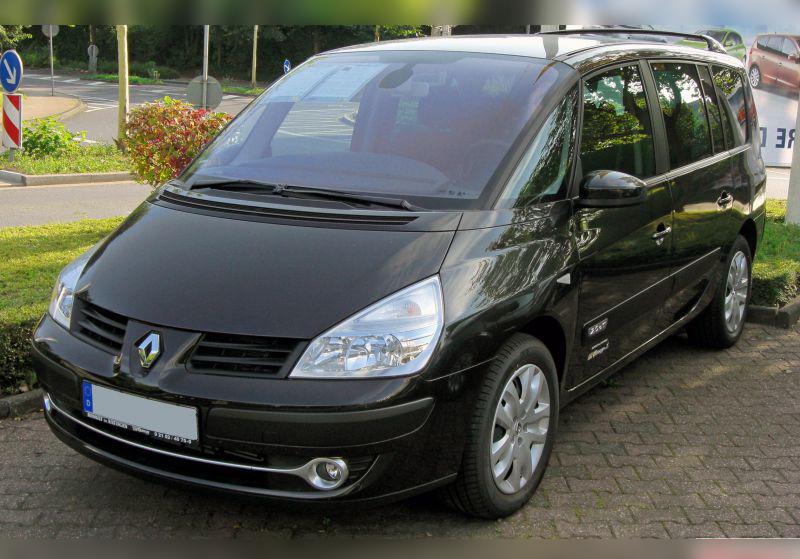
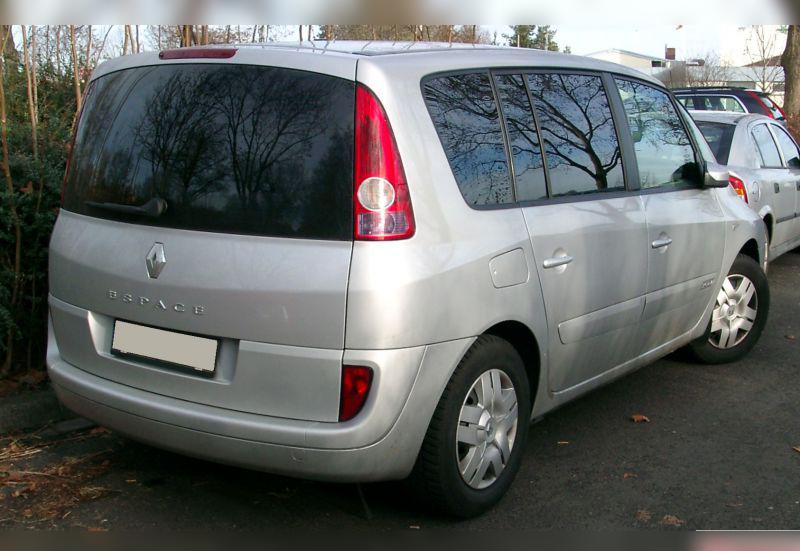
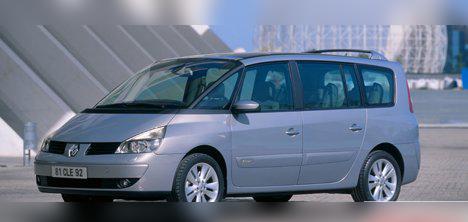
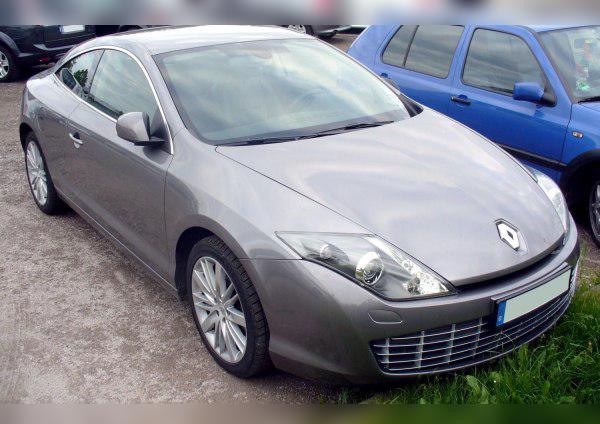
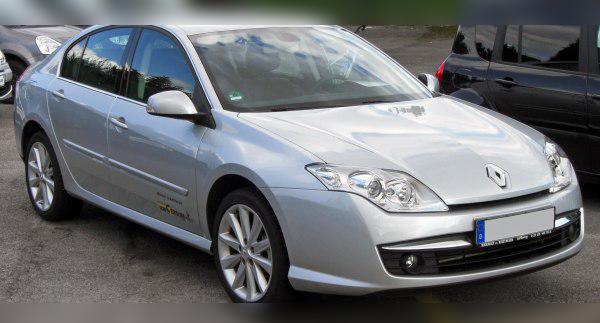
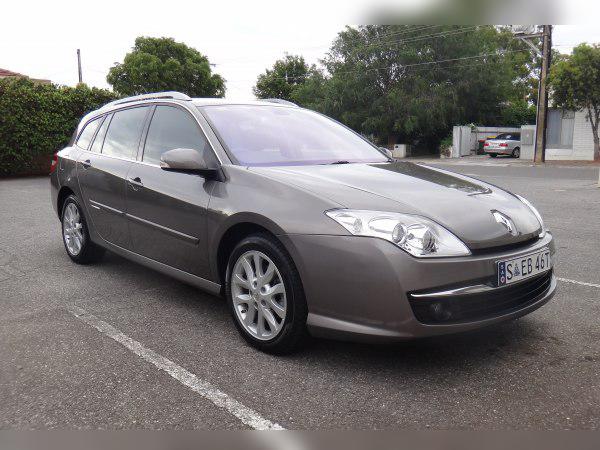
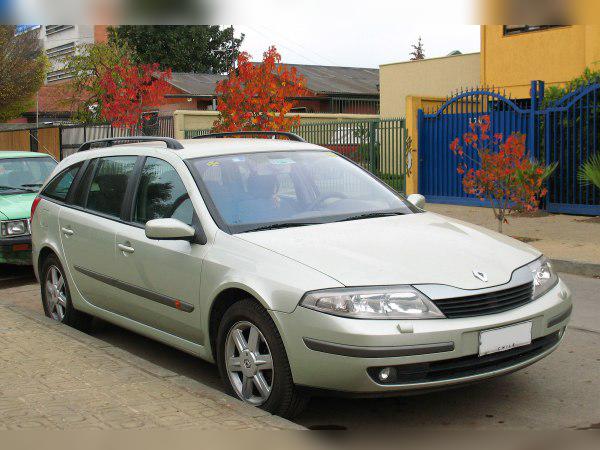
Renault’s engine designated F4R in its 2.0-liter turbo version (also known as 2.0 TCe or 2.0 Turbo 16V) represents the peak of a certain era. It was installed in the range of larger vehicles of the French manufacturer, including the Laguna II and III, the beautiful Laguna Coupe, as well as the massive Espace IV (standard and Grand). With its 170 HP (there were more powerful versions), this engine was tasked with delivering petrol performance with a high torque reminiscent of diesels.
What sets this engine apart on the used market is its “old-school” mechanics. There is no problematic direct fuel injection, the block is virtually indestructible, and the power reserves are large. However, due to the age of these vehicles, maintenance and specific weak points require the attention of a mechanic who knows French cars well.
Technical specifications
| Parameter | Specification |
|---|---|
| Displacement | 1998 cc |
| Power | 125 kW (170 HP) |
| Torque | 270 Nm |
| Engine codes | F4R (F4R 764, F4R 811, etc. – depends on model) |
| Injection type | Indirect (MPI – Multi-Point Injection) |
| Intake system | Turbocharger (Mitsubishi), intercooler |
Reliability and maintenance
Does this engine have a timing belt or a chain?
The F4R engine has a timing belt. This is extremely important information, because neglecting the replacement interval leads to belt failure, valve-to-piston contact, and catastrophic damage that often exceeds the value of the entire vehicle. The system is complex due to the presence of the phase variator, so it is recommended to use only original parts or premium aftermarket brands.
Most common failures: What can leave you stranded?
Although it is mechanically extremely robust (the crankshaft, pistons and rings are overengineered), the F4R has its quirks:
- Ignition coils: Renault petrol engines from this period often “eat” coils (Sagem or Beru). Symptoms are rough idle, jerking under acceleration and loss of power accompanied by the “Check Engine” light.
- Phase variator (Dephaser pulley): A component on the camshaft that regulates valve timing. When worn, the engine sounds like a diesel (metallic rattling) for a few seconds on cold start, and you may also notice weaker throttle response at low revs.
- Oil leaks (seals): Oil seepage from the crankshaft seal or valve cover is common due to aging rubber and the high operating temperatures of turbo petrol engines.
Service intervals and oil
The major service is done every 90,000 to 120,000 km or every 5 years (whichever comes first). At that time, the water pump, all rollers, tensioners and coolant must be replaced. During the major service, it is advisable to replace the phase variator as well if it can be heard.
The engine takes about 5.4 liters of oil. The recommended grade is 5W-40 (or 5W-30 for colder climates), which must meet Renault’s RN0700 / RN0710 specification. Always change the oil every 10,000 to a maximum of 15,000 km to protect the turbocharger.
Oil consumption: Yes, this engine consumes oil. A loss of 1 to 1.5 liters between two services (over 10,000 km) is considered completely normal. If consumption exceeds 3–4 liters per 10,000 km, the problem usually lies in the valve stem seals or turbocharger seals.
Spark plug replacement
Since this is a turbo petrol engine that operates under higher pressure and temperatures, a good spark is crucial. Spark plugs should be replaced every 60,000 km. Bad spark plugs directly lead to coil failure, so don’t try to save money on this part.
Specific parts and failures (costs)
Does the engine have a dual-mass flywheel?
Yes, versions with a manual gearbox have a dual-mass flywheel. Its job is to smooth out the strong 270 Nm of torque. Symptoms of wear are juddering when taking off from a standstill, vibrations in the clutch pedal and dull thuds when switching the engine off.
Injection system: A lifesaver for your wallet
Unlike modern TSI or TCe (H5F) engines, the F4R uses tried-and-true indirect injection (MPI). The injectors operate at low pressure, are almost indestructible and very rarely cause problems. There is no carbon (soot) buildup on the intake valves, which is a huge advantage in the long run.
Turbocharger: Longevity and failure symptoms
It is equipped with a single (twin-scroll or standard) turbocharger (most often the Mitsubishi TD04 series). Their service life is excellent and with regular oil changes they easily exceed 250,000 km. If you notice bluish smoke from the exhaust when revving or a loud “whistling” noise under load, it is a sign that the bearings in the turbo are worn out.
Emissions equipment: DPF, EGR and AdBlue?
Since this is a petrol engine, it DOES NOT HAVE a DPF filter (that’s reserved for dCi diesels), nor does it have an AdBlue system. It also doesn’t have the typical problematic EGR valve that chokes diesels, but instead uses an EVAP system for fuel vapor recovery, which works flawlessly. This significantly reduces costs and stress in city driving.
Fuel consumption and performance
What is the real-world fuel consumption?
This is not a frugal engine. Its design and power come at a price. In city stop-and-go driving, in the lighter Laguna it will consume around 11 to 12.5 l/100 km. In the massive Espace IV, which has the aerodynamics of a wardrobe, city consumption often jumps to 13 to 15 l/100 km in winter or with the A/C on.
Performance depending on body style
This engine is definitely not sluggish. With 170 HP and 270 Nm available from just 3250 rpm, it drives effortlessly. In the Laguna it offers semi-sporty performance. In the Espace IV it copes successfully with 1.8 tons of weight; you won’t be setting any traffic light records, but overtaking on open roads is safe and smooth even with seven passengers on board.
Behavior on the motorway
This engine really shines on the open road. Thanks to long gearing (especially with the manual), at 130 km/h it cruises at a very reasonable 2,800 to 3,000 rpm. The cabin is very quiet, and motorway consumption drops to a more acceptable 8 to 9 l/100 km.
Additional options and modifications
Is this engine suitable for LPG?
Absolutely YES. This is one of the main reasons why people look for this engine. Thanks to indirect injection, installing a sequential LPG system is simple, cheap and safe. The engine handles LPG brilliantly, valves do not burn (the materials of the block and head are top-notch). Given the high petrol consumption, LPG installation pays off very quickly.
Remapping (Stage 1)
This engine is what Renault calls “under-stressed” (not pushed to its limits from the factory). With a simple software remap (Stage 1), power can be safely raised to 200 to 210 HP, and torque goes beyond 300 Nm. The crankshaft, connecting rods and turbo handle this without any issues, and the car becomes significantly more lively.
Gearboxes: Manual and automatic
Types of gearboxes and common failures
Two types of gearboxes were offered with the 2.0 Turbo F4R (depending on model year and version):
- 6-speed manual (PK6 or ND0): Precise, but suffers from problems with the mainshaft bearings. If in 3rd or 4th gear you hear a noise similar to “whining” or “grinding”, the gearbox bearings are due for replacement.
- 5-speed automatic (Aisin SU1) or newer 6-speed (AJ0): Classic torque-converter automatics. Very comfortable, but slow. Failures occur exclusively because the oil was never changed. Symptoms are harsh jolts when shifting from ‘P’ to ‘D’ or delay (slipping) when shifting under full throttle, which indicates a problem with the valve body (solenoids).
Clutch and flywheel costs
If you buy a version with a manual gearbox, keep in mind that the consumables are expensive. Replacing the complete clutch kit with hydraulic actuator and dual-mass flywheel ranges from 600 to 900 euros (depending on the market).
Gearbox servicing
For the manual gearbox, change the oil every 60,000 km (it takes about 2.4 liters). For automatics (even though the manufacturer once advertised them as “sealed for life”), ATF oil must be changed every 60,000 to 80,000 km to avoid costly valve body repairs.
Buying used and conclusion
What must you check before buying?
- Cold start: Insist that the car be completely cold. Listen to the top of the engine – if you hear metallic knocking that disappears after 3–4 seconds, the phase variator needs replacing.
- Exhaust smoke: Have someone rev the warmed-up engine while you watch from behind. Bluish smoke means the engine is burning oil (turbo or valve stem seals).
- Driving at low revs: In 4th gear at 50 km/h, floor the throttle. The car should pull smoothly, without jerking. If it jerks, the coils or spark plugs are done.
- Suspension check: Especially important for the Espace IV, which is extremely heavy and quickly wears out ball joints, tie rods and bushings.
Who is this engine for?
Renault’s 2.0 TCe (F4R 170 HP) is a real gem for those who want performance, comfortable cruising and to avoid the complex problems that modern diesels bring (no DPF, no EGR, no expensive piezo injectors and no AdBlue issues). Due to its high fuel consumption, it is a perfect candidate for LPG installation. If you find a well-maintained example with a healthy turbocharger and a completed major service, you get a comfortable, safe and fast cruiser on wheels that will serve you for hundreds of thousands of kilometers.