Renault 1.9 D (F8Q) 64 HP: Experiences, Problems, Fuel Consumption and Buying Used
- In short (TL;DR):
- Extremely durable old-school naturally aspirated diesel engine, without complicated electronics.
- No dual-mass flywheel, turbocharger, DPF filter, or sensitive piezo injectors.
- Performance is very modest (64 HP and 118 Nm) – the engine is quite “lazy” and not suited for aggressive driving.
- The most common issues include fuel leaks on the Lucas injection pump and blown head gasket when overheated.
- Fuel consumption in city driving is economical, but on the highway the engine becomes very noisy and uses more fuel due to high revs.
- Maintenance is very cheap (depends on the market), and parts are widely available.
Contents
- Introduction
- Technical specifications
- Reliability and maintenance
- Specific parts (costs)
- Fuel consumption and performance
- Additional options and modifications
- Gearbox and clutch
- Buying used and conclusion
Introduction
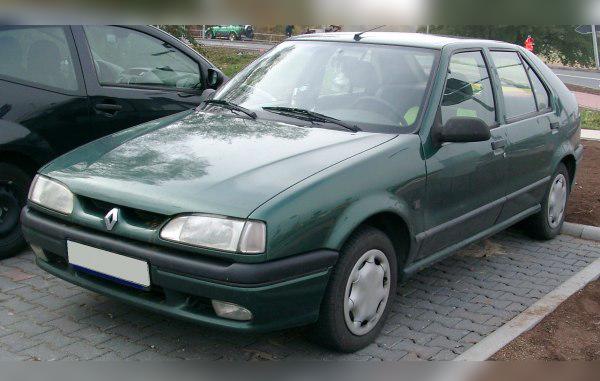
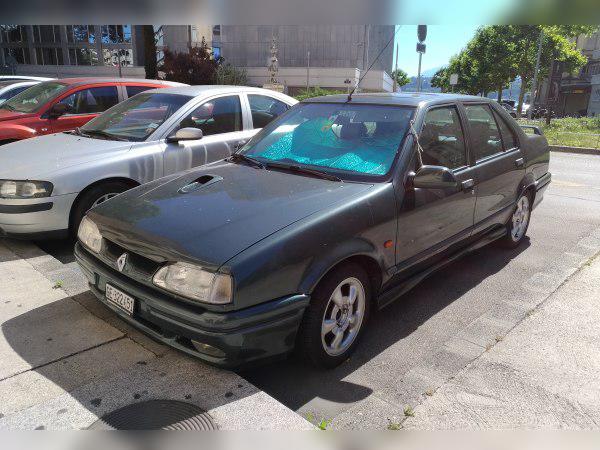
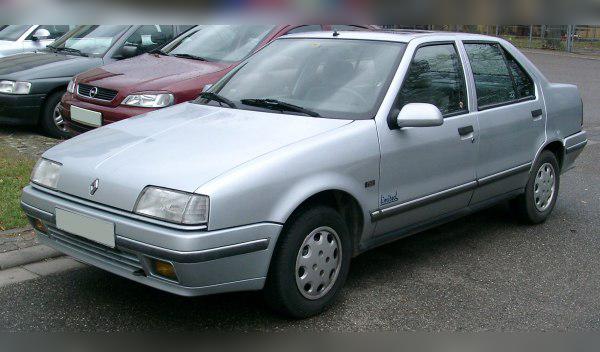
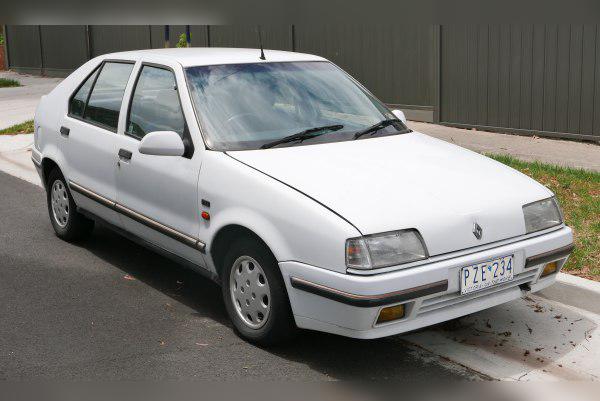
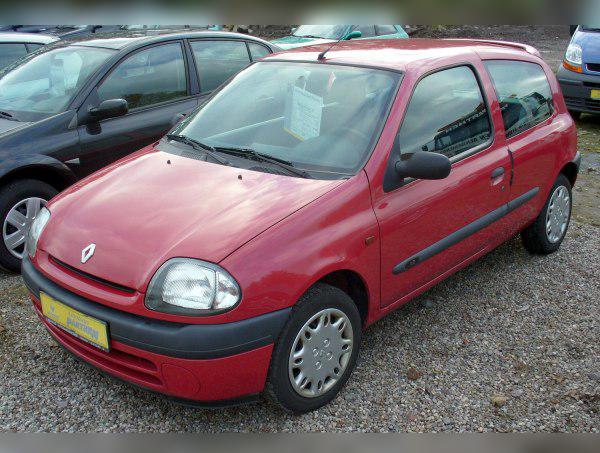
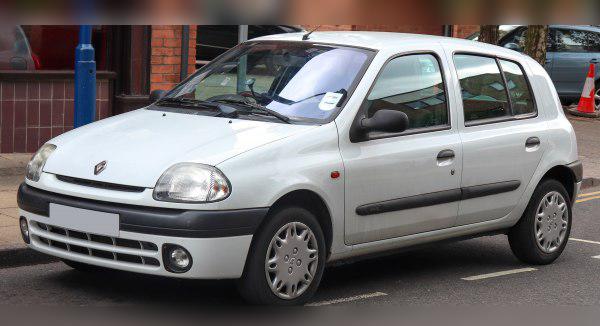
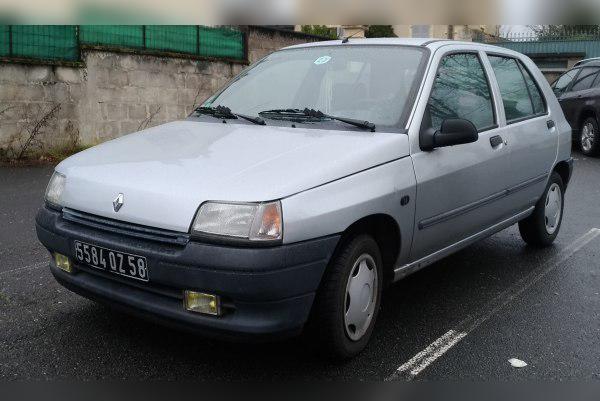
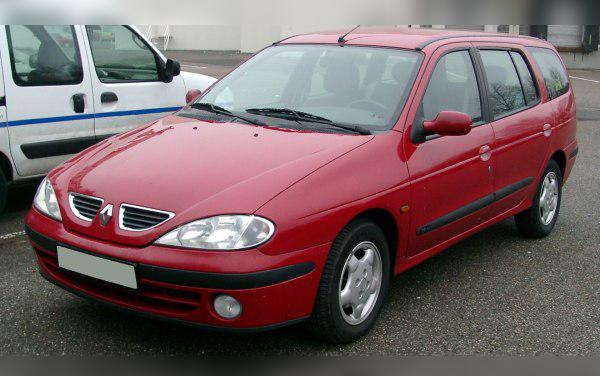
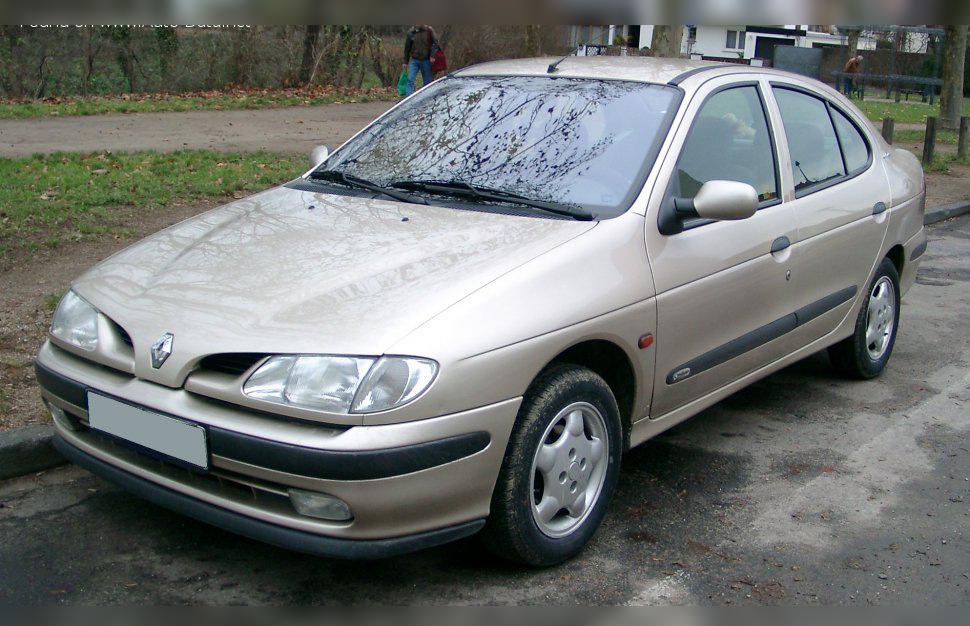
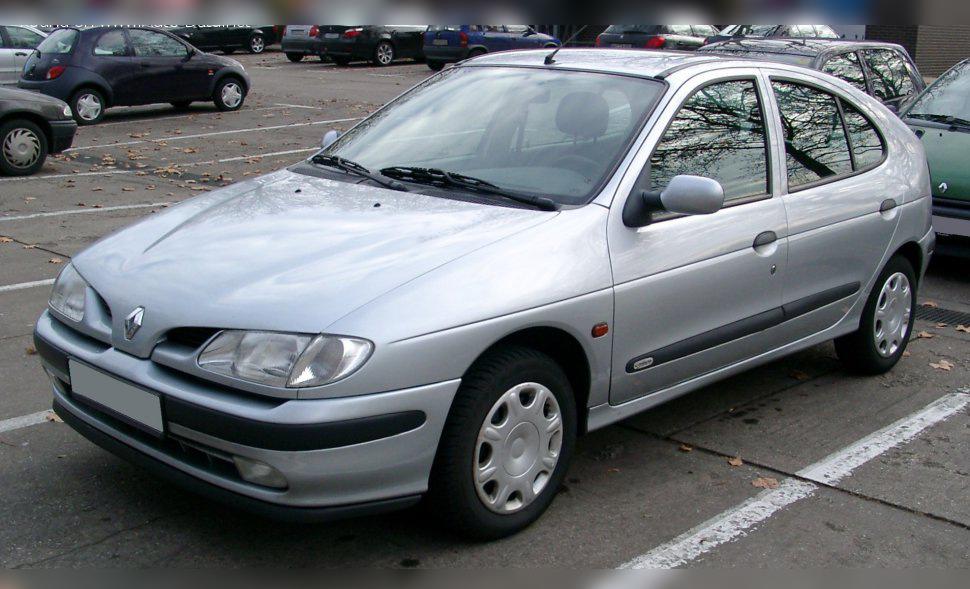
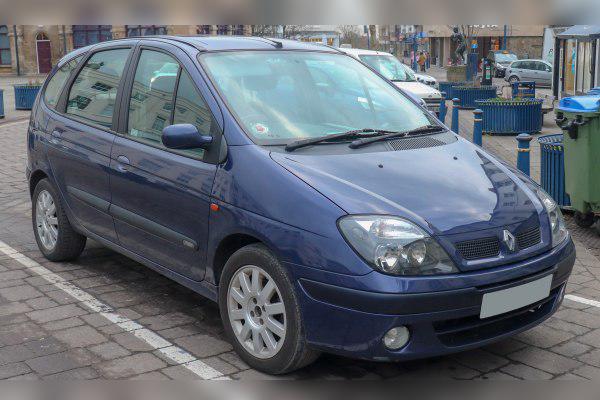
Renault’s engine designated F8Q is a classic 1.9‑liter naturally aspirated diesel that marked an entire era. It appeared in the late eighties and was installed all the way into the early 2000s in models such as the Renault 19, first- and second-generation Clio, Megane I, and even the early Scenic. This engine is the embodiment of a “workhorse” – slow, noisy, but extremely reliable if regularly maintained. Due to the absence of advanced emissions technology and forced induction, it is one of the simplest and cheapest diesel units to own.
Technical specifications
| Specification | Data |
|---|---|
| Engine displacement | 1870 cc |
| Power | 47 kW (64 HP) |
| Torque | 118 Nm |
| Engine codes | F8Q (with various suffixes depending on model) |
| Injection type | Indirect injection (mechanical pump and pre-chamber) |
| Aspiration | Naturally aspirated |
| Fuel type | Diesel |
Reliability and maintenance
Timing belt or chain?
The F8Q engine uses a timing belt for valve timing. The system is quite simple, but it does not tolerate skipping service intervals. A snapped belt leads to serious engine damage (bent valves and a damaged camshaft), which is why preventive maintenance is strongly recommended.
Most common failures
This unit is mechanically very robust, but time has taken its toll. The most common issue is a blown cylinder head gasket. Due to the pre-chamber design, the cylinder head is exposed to higher thermal loads. If the cooling system is not in perfect condition, the engine can easily overheat, which leads to oil and coolant mixing. Problems with glow plugs are also frequent – if it is hard to start in winter and emits white smoke until it settles into a steady idle, the most likely culprits are the glow plugs or loss of compression due to worn piston rings.
Service intervals and oil
The major service on these engines is done at intervals of 60,000 to 80,000 km or every 5 years. As for engine oil, the F8Q takes about 4.5 to 5 liters of oil. The recommended grade for most climates is 10W-40 semi-synthetic, although many mechanics use 15W-40 mineral oil for older and more worn examples.
Oil consumption and injector lifespan
Oil consumption is a normal occurrence with designs this old. Due to worn piston rings and valve stem seals, the engine can use between 0.3 and 0.8 liters of oil per 1,000 km, which is considered acceptable for such “veterans”. When it comes to the injection system, these are classic mechanical injectors. The injectors last extremely long (often over 300,000 km without any issues). They are very tolerant of poorer fuel quality, and even if problems do occur, injector overhaul (replacing the injector nozzles) is very cheap (depends on the market).
Specific parts (costs)
Dual-mass flywheel and turbocharger
Maintaining the F8Q engine is a joy for any owner because it does not have a dual-mass flywheel – it uses a simple, solid flywheel that is practically indestructible. Also, as a naturally aspirated diesel, this engine does not have a turbocharger, which automatically eliminates another major potential expense when maintaining an old used car.
Injection system (injection pump)
The injection is indirect, via a rotary high-pressure pump. Systems from Bosch and Lucas were installed. Models with a Lucas pump are more prone to problems – over time, the pump shaft seals and bearings wear out, which leads to diesel leaks on the pump or air being drawn into the fuel system (the engine then cranks but will not start). Fortunately, resealing a mechanical pump is quite affordable nowadays (depends on the market).
Emissions: DPF, EGR and AdBlue
Since this is technology from the previous century, the F8Q engine does not have a DPF filter or a complicated electronic system. There is no AdBlue system either. Some later versions (Euro 2 from the late nineties) have a primitive pneumatic or early electronic EGR valve that can clog up the intake manifold, but it is usually physically blocked off or cleaned very easily, without any consequences for engine operation.
Fuel consumption and performance
City driving and “laziness” of the engine
Real-world fuel consumption in city driving is between 6.5 and 7.5 l/100 km, depending on vehicle weight and driving style. Performance is the weak point: with only 64 HP and 118 Nm of torque, the F8Q is extremely “lazy”. In lighter models such as the Renault Clio, this engine is acceptable for everyday use. However, in heavier bodies such as the Megane Grandtour (estate) or Scenic, the lack of power is drastic. Overtaking requires good judgment and plenty of space.
Behavior on the highway
This engine simply was not designed for modern highways. The gearbox ratios are very short. At a cruising speed of 130 km/h, the engine spins at a high 3,500 to 4,000 rpm, which creates unbearable noise in the cabin. Fuel consumption also increases, and the engine is “struggling” because this is close to its top speed. Its ideal environment is local and regional roads (cruising at 80–90 km/h).
Additional options and modifications
Is it possible to chip-tune it?
Plain and simple: No. With a mechanical naturally aspirated diesel there is no electronic control unit (ECU) that manages boost pressure or injection parameters. So-called “chiptuning” (Stage 1) is absolutely impossible here. The only thing that can be done is mechanical adjustment of the injection pump (turning the fuel quantity screw in or out), which can bring a minimal gain in low-end “liveliness”, but in return produces huge clouds of black smoke from the exhaust and has no technical justification.
Gearbox and clutch
Which gearboxes are used and what are the issues?
In 99% of cases, the F8Q is paired with a classic 5-speed manual gearbox (often the JB series). Automatic gearboxes with this engine are extremely rare on the market and, due to the modest engine power, make the car even slower. With the manual gearbox, the most notorious weakness of old Renault models is oil leakage at the gear selector shaft seal (“bottom selector”). Because of oil loss, drivers often destroy the gearbox prematurely. Also, after high mileage, the third-gear synchro fails (it grinds when shifting from second to third).
Clutch and gearbox oil replacement
As mentioned, the system uses a solid flywheel. A clutch kit (pressure plate, disc and release bearing) is extremely cheap to replace and hides no surprises (depends on the market). The gearboxes are sensitive to lack of lubrication, which is why checking the level and changing the gearbox oil every 60,000 km is strongly recommended (usually Elf Tranself specification is used, which helps prevent synchro grinding).
Buying used and conclusion
What to check before buying?
Given that cars with the F8Q engine are now quite old, engine condition varies drastically from one example to another. Be sure to check the following:
- Cold start: The engine should start without prolonged cranking, even at lower temperatures. If it cranks for a long time and emits unburnt diesel (white smoke), the problem is with the glow plugs, air entering the system, or a dramatic loss of compression.
- Coolant condition: Open the coolant reservoir cap. If you notice oily patches, mayonnaise-like emulsion or bubbles while the engine is running, this is a sure sign that the head gasket has failed.
- Injection pump: Visually inspect the high-pressure pump. It should not be oily nor should there be a strong smell of fresh diesel.
- Crankcase breather (blow-by): Pull out the dipstick or remove the breather hose when the engine is hot. If it is blowing out a large amount of vapor, the engine is worn out.
Who is this engine for?
The Renault 1.9 D (F8Q) with 64 HP is not intended for those who expect comfortable highway cruising or brisk overtaking. This is a true working man’s car – a perfect choice for tradespeople, carrying tools, short local trips and drivers on a tight budget. Its biggest advantages are fantastic durability, the ability to “digest” poorer-quality fuel, and the fact that any failure can be repaired at a very low cost. If you find a well-maintained example whose bodywork is not rotten, you get one of the most dependable means of transport for everyday tasks.