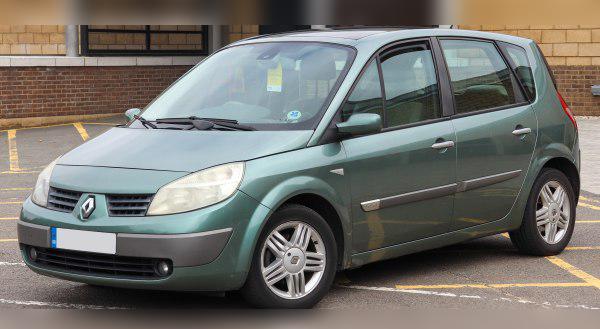
Renault / Nissan 1.9 dCi (F9Q) 120 HP – Experiences, problems, fuel consumption and used car buying guide
Most important points in brief (TL;DR):
- The engine has a serious reputation for being sensitive to irregular maintenance, especially when it comes to the turbocharger and crankshaft rod bearings.
- The factory oil change interval of 30,000 km is the main cause of premature failures; the oil must be changed at a maximum of 10,000 to 15,000 km.
- The EGR valve is a chronic weak point, it clogs quickly and causes power loss with black smoke.
- The injection system (Bosch Common Rail) is quite robust and reliable, unlike some smaller dCi engines.
- Installation in heavy vehicles (Renault Espace) puts significant strain on the engine and gearbox, while in the Megane it feels extremely lively.
- Caution when buying: Listening carefully to the turbo and checking the history of bearing replacement are absolute musts.
Contents
- Introduction: An icon of the French car industry with a damaged reputation
- Technical specifications
- Reliability and maintenance
- Specific parts and failures
- Fuel consumption and performance
- Additional options and modifications
- Gearbox and drivetrain
- Buying used and conclusion
Introduction: An icon of the French car industry with a damaged reputation
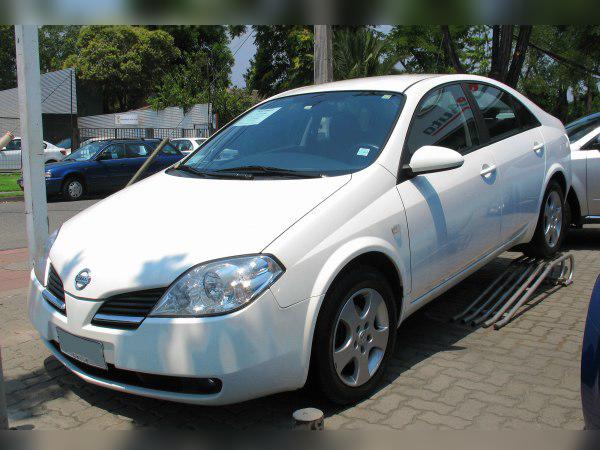
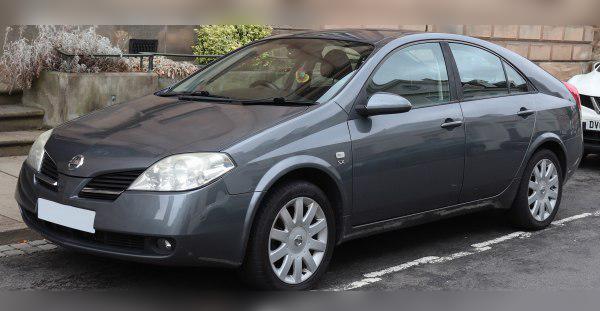
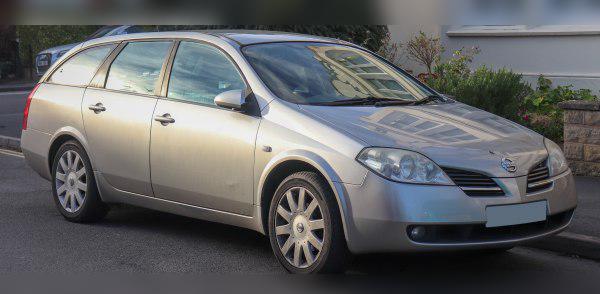
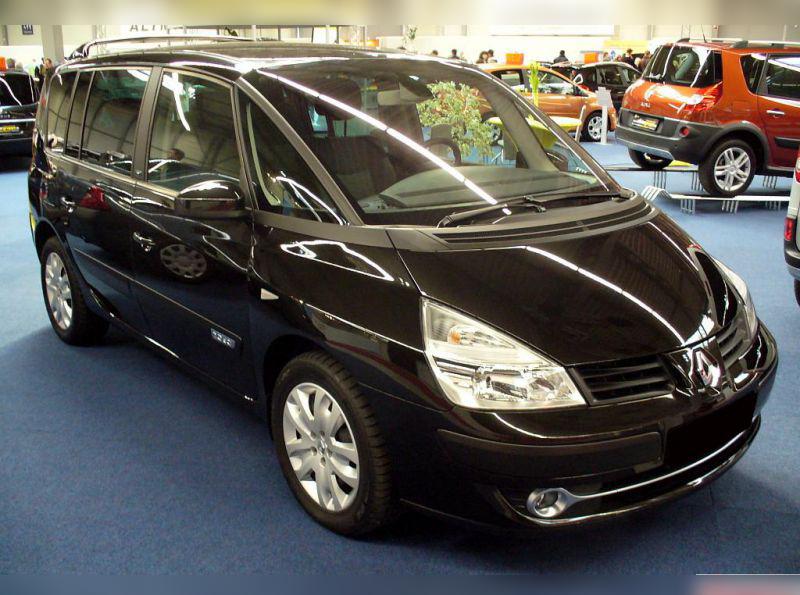
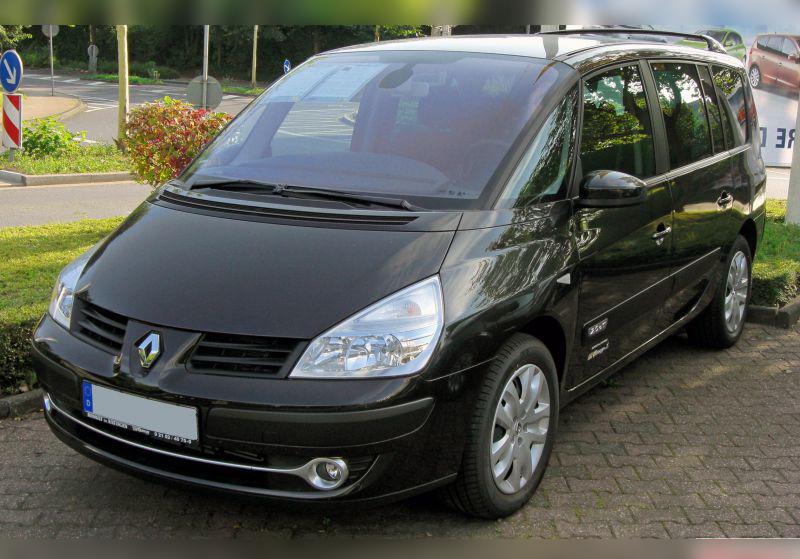
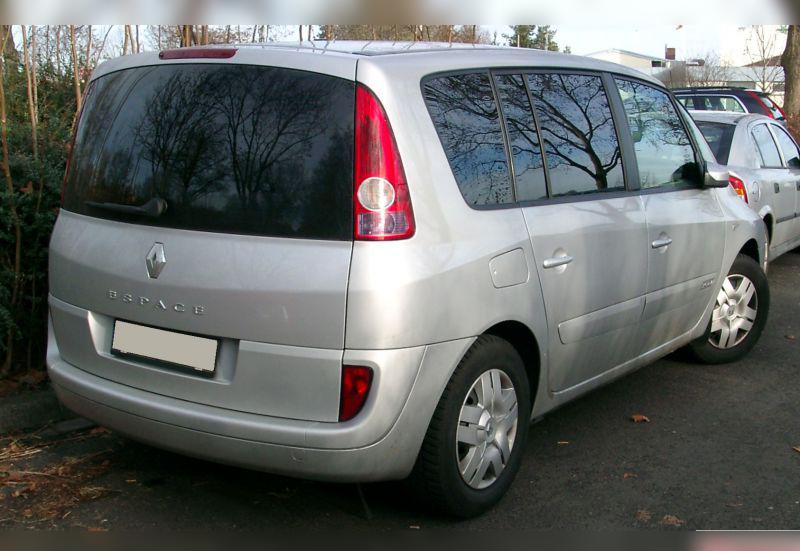
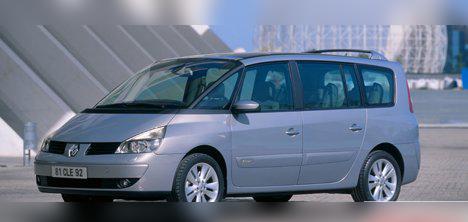
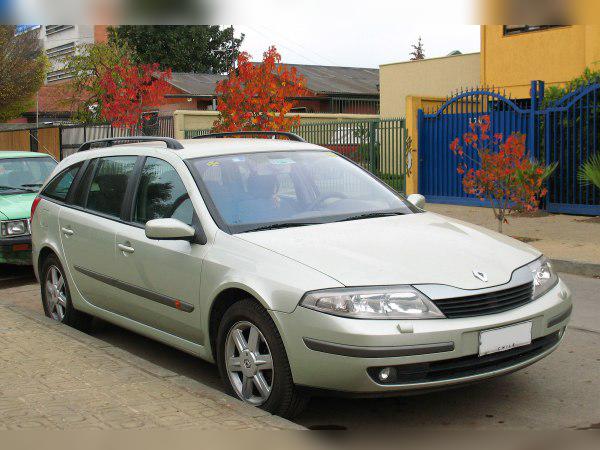
When it appeared in the early 2000s, the F9Q 1.9 dCi with 120 HP (88 kW) was the pride of the Renault-Nissan alliance. It brought state-of-the-art Common Rail technology at the time, an impressive 300 Nm of torque and smooth operation. It was installed in a wide range of vehicles, from family saloons such as the Nissan Primera (P12) and Renault Laguna II, through the compact Megane II, all the way to heavyweights like the Renault Espace IV. Although its performance and efficiency were highly praised, this engine quickly gained a controversial reputation due to specific factory shortcomings in the prescribed maintenance schedule, which caused headaches for many owners across Europe.
Technical specifications
| Specification | Data |
|---|---|
| Displacement | 1870 cc |
| Power | 88 kW (120 HP) |
| Torque | 300 Nm |
| Engine codes | F9Q (F9Q 800, F9Q 812, F9Q 820...) |
| Injection type | Direct, Common Rail (mostly Bosch) |
| Intake type | Turbocharger (VNT) with intercooler |
Reliability and maintenance
Timing belt and major service
This engine uses a timing belt to drive the camshaft, not a chain. The major service, which includes replacing the timing belt, tensioner, idler pulleys and water pump, should, according to factory specifications, be done at around 120,000 km or every 5 years. However, experienced mechanics recommend shortening this interval to 80,000 to 90,000 km for safety, because a snapped belt inevitably leads to valve-to-piston contact, which requires an expensive engine rebuild.
Lubrication system and oil consumption
The oil sump holds about 4.6 to 4.8 litres of oil, and the recommended grade is 5W-40 (fully synthetic), which must meet Renault RN0700/RN0710 specifications. One of the biggest mistakes the manufacturer made was specifying an oil change interval of as much as 30,000 km. This directly destroyed engines. The oil degrades, sludge forms and clogs the oil passages, which leads to turbo failure and damage to the crankshaft rod bearings. If you change the oil strictly every 10,000 km, these risks are drastically reduced.
Oil consumption between services depends on the condition of the engine. Consumption of up to 0.5 litres per 1,000 km is, according to the manual, acceptable, but in practice, a healthy F9Q should not consume more than 1 litre over the entire 10,000 km interval. If it suddenly starts using more oil, this is the first warning sign that the turbocharger is leaking oil into the intake, which can lead to a dangerous phenomenon known as "runaway" (uncontrolled engine revving until it burns all the oil and seizes).
Specific parts and failures
Turbocharger and "runaway"
The 120 HP F9Q engine uses a single turbocharger with variable geometry (VNT). In models up to 2004, its service life was often very short, around 100,000 to 150,000 km. The problem lay in poor lubrication (due to the overly long oil change interval). Symptoms of a worn turbo include whistling, bluish exhaust smoke, loss of power and increased oil consumption. Overhauling or replacing the turbo is expensive (depends on the market), and it is also important to thoroughly clean the intake pipes and intercooler when replacing it, so that residual oil does not damage the new turbo.
Injection system and injectors
Unlike the issues with bearings and the turbo, the Bosch Common Rail injection system on this engine has proven to be extremely reliable. Injectors usually last over 250,000 km without major problems, provided that quality diesel is used and the fuel filter is changed regularly. If a failure does occur, symptoms include rough idling, difficult starting and increased black smoke. Fortunately, Bosch injectors are relatively easy to refurbish.
EGR, DPF filter and AdBlue
This engine does not have an AdBlue system, as it belongs to an older generation of diesels. Most 120 HP versions comply with Euro 3 standards, which means they do not have a DPF filter (diesel particulate filter) from the factory, which is a big relief in terms of maintenance. However, in some Western European import markets (towards the end of this engine’s production), you could find retrofitted or early factory DPF systems (often requires checking by VIN).
On the other hand, the EGR valve is a nightmare. It tends to accumulate soot and get stuck in the open position. When that happens, the engine loses power, jerks under acceleration and emits clouds of black smoke. Regular cleaning (or software deactivation, if local laws allow it) is a mandatory task for every owner.
Fuel consumption and performance
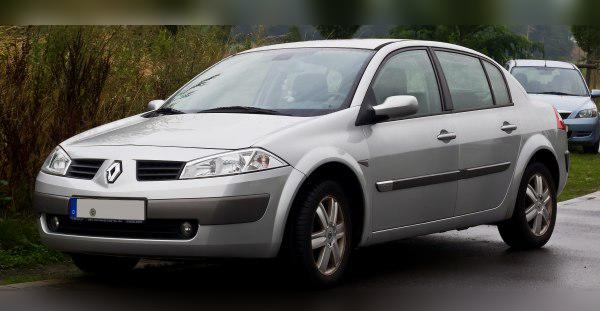
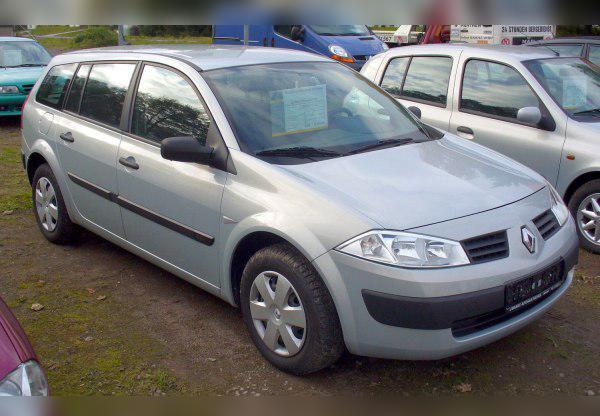
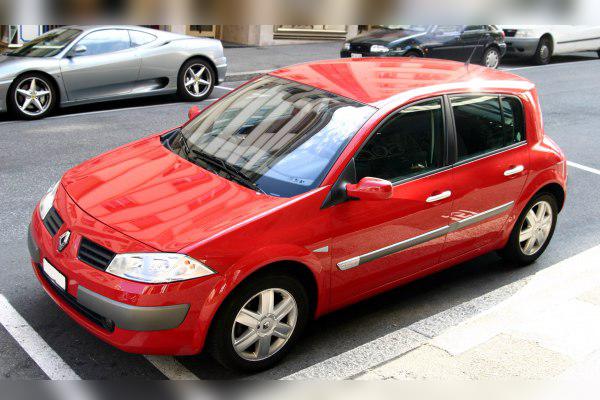
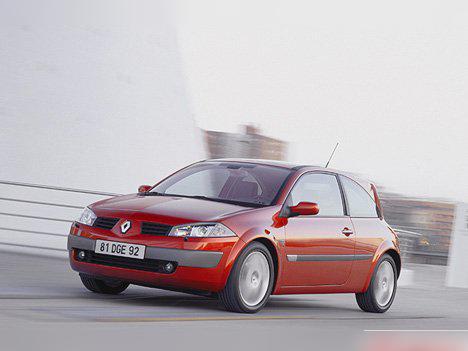
Real-world fuel consumption primarily depends on vehicle weight. In lighter models, such as the Renault Megane II, this engine is extremely lively, almost a "sporty" diesel, with city consumption of around 7 to 7.5 l/100 km.
However, when the 120 HP F9Q is installed in heavyweights such as the Renault Espace IV or Grand Espace, the situation changes. The engine struggles with the large mass and aerodynamic drag, so it can feel "sluggish" when overtaking under load. In these vehicles, city consumption easily climbs to 9 to 10 l/100 km.
On the motorway the engine really shines. Thanks to 300 Nm of torque and a 6-speed gearbox, cruising at 130 km/h usually takes place at a comfortable ~2400 to 2500 rpm in sixth gear. Fuel consumption on the open road ranges between 5 and 6.5 l/100 km, and cabin noise remains low.
Additional options and modifications
Drivers who want more power often opt for a "chip tune" (Stage 1 remap). This engine responds very well to remapping, and you can safely get about 140 to 150 HP out of it, with torque increased to around 350–360 Nm. The car then becomes noticeably quicker. However, keep in mind that the increased torque directly stresses the dual-mass flywheel and clutch. If these parts are already near the end of their service life, a remap will simply "finish them off". Also, turbo pressure increases, so before any modification you must make sure the turbocharger is in perfect condition.
Gearbox and drivetrain
Manual gearbox (PK6) and dual-mass flywheel
The most common companion to this engine is the six-speed manual gearbox known under the code PK6. Unfortunately, this gearbox is not without flaws. It is known for internal shaft bearing failure. If, while driving, especially in lower gears, you hear a "whining" noise that changes with throttle input, the gearbox bearings are probably due for replacement.
To make the gearbox last, it is absolutely recommended to change the oil in it every 60,000 km.
Yes, this engine comes paired with a dual-mass flywheel. Its job is to absorb the vibrations of the robust diesel engine, but over time the springs inside lose their properties. Symptoms of a worn flywheel include knocking and jerking when starting/stopping the engine, as well as strong vibrations in the clutch pedal. A clutch kit with a dual-mass flywheel is very expensive (depends on the market), and this is often one of the biggest maintenance expenses on a used car.
Automatic gearboxes
In some models (such as the Laguna and Espace) you could also find a conventional automatic gearbox (most often an Aisin with 4 or 5 speeds, depending on the exact year). These gearboxes are relatively robust ("old school" with a torque converter), but they somewhat dull performance and increase fuel consumption. The oil in the automatic must be changed every 60,000 to 80,000 km, contrary to the widespread belief that it is "sealed for life". Jerking when engaging D or R usually indicates worn oil or problems with the valve body.
Buying used and conclusion
Buying a car with the F9Q 120 HP engine today carries a certain risk, given the age and mileage, but it can also be very worthwhile if you find a well-maintained example.
What must you check before buying?
- Turbo: Listen for loud whistling under acceleration and remove the intake hose to check for excess oil.
- Smoke: Black smoke under throttle means a dirty EGR or an intake problem. Blue smoke means the engine is burning oil.
- Crankshaft bearings: You cannot see them, but be sure to ask the seller whether they have ever been replaced preventively (the so‑called "rod bearings"). If not, let that be your first investment after purchase.
- Flywheel: Start and stop the engine with the clutch pedal pressed and released. Listen for metallic knocking.
- Diagnostics: Always hook up Clip or suitable diagnostics to check injector corrections and EGR valve fault codes.
Who is this engine for?
This power unit is for drivers who cover a decent number of kilometres on open roads, where it shows all its strengths – comfort and low fuel consumption. It is not ideal for city driving because the EGR gets dirty quickly, and lower gears put more strain on the variable-geometry turbo. If you are buying a Megane or Laguna, you will have an agile and strong car. For an Espace IV, be prepared for compromises in performance and more frequent gearbox wear issues due to the higher weight. Choosing a good example and rigorous preventive maintenance are the keys to a happy coexistence with the 1.9 dCi (120 HP) engine.