Renault 1.9 dTi (F9Q) 80 HP: Experiences, issues, fuel consumption and used-car buying tips
- No dual-mass flywheel: Huge savings when replacing the clutch kit.
- Reliable injection system: Older generation with a Bosch pump (direct injection), significantly more resistant to poor-quality fuel than newer dCi engines.
- No DPF or AdBlue: Fewer emission-control components means fewer potentially expensive failures for the owner.
- Loud and rough operation: Refinement is on a lower level; the engine sounds like a true “workhorse”.
- Weak points: Clogged EGR valve and the risk of the auxiliary (serpentine) belt slipping under the timing belt.
- Conclusion: An extremely cost-effective engine for cheap maintenance and simple point A to point B transport, provided you find a well-kept example.
Contents
- Introduction: Old-school diesel
- Engine technical specifications
- Reliability and maintenance
- Specific parts and costs
- Fuel consumption and performance
- Additional options and modifications
- Gearbox: Manual and automatic
- Buying used and conclusion
Introduction: Old-school diesel
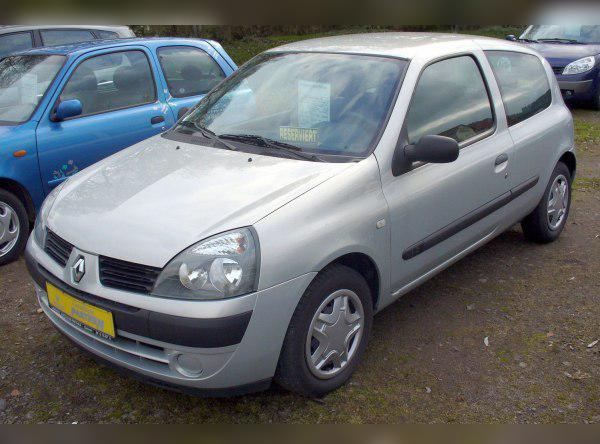
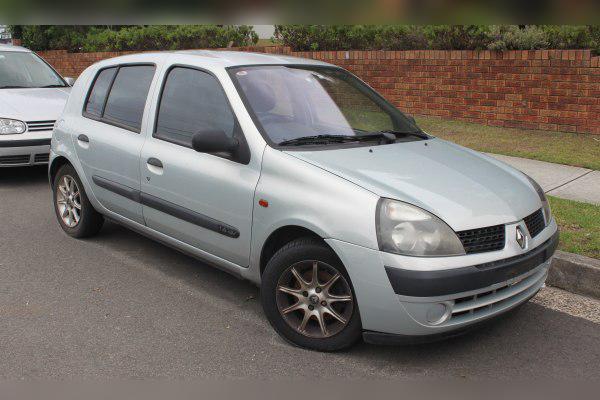
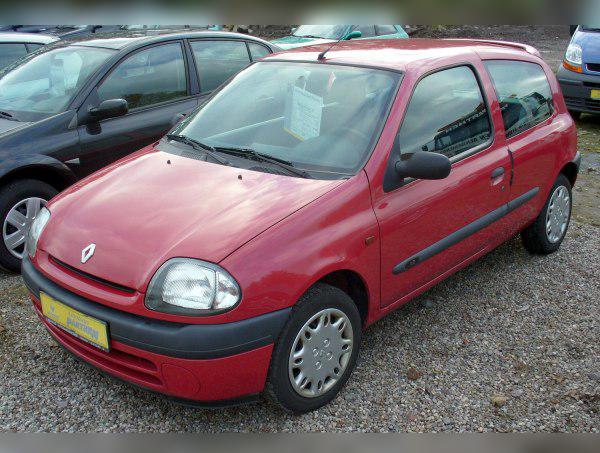
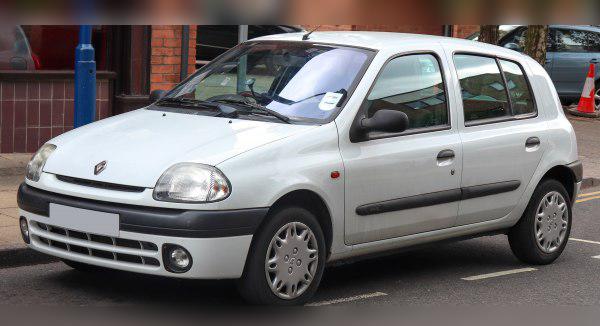
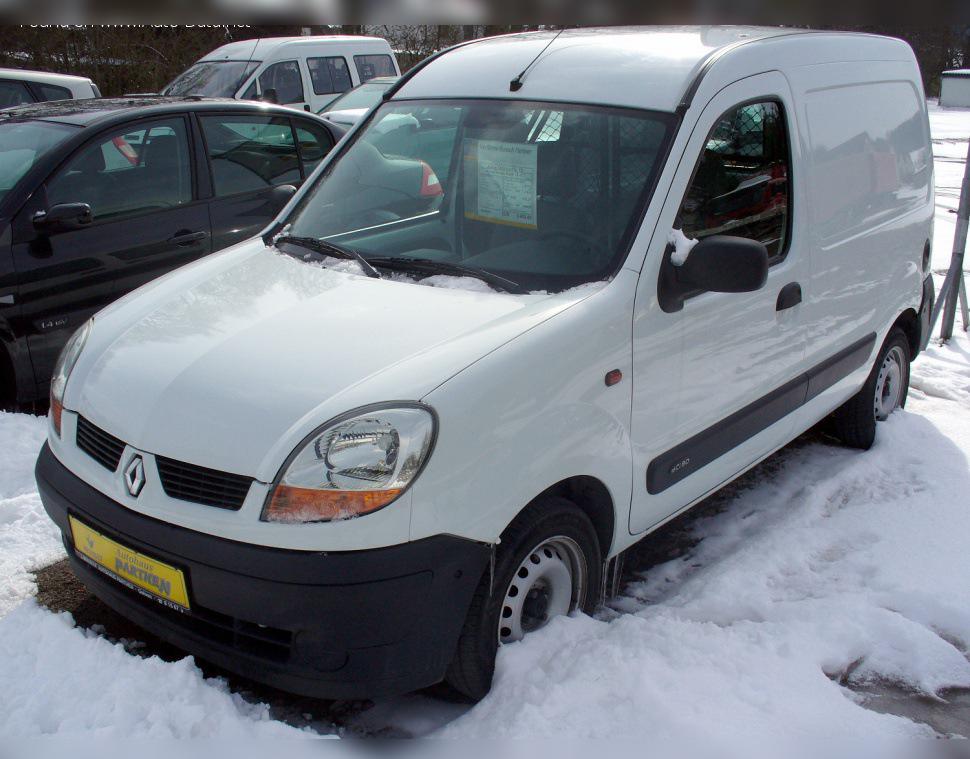
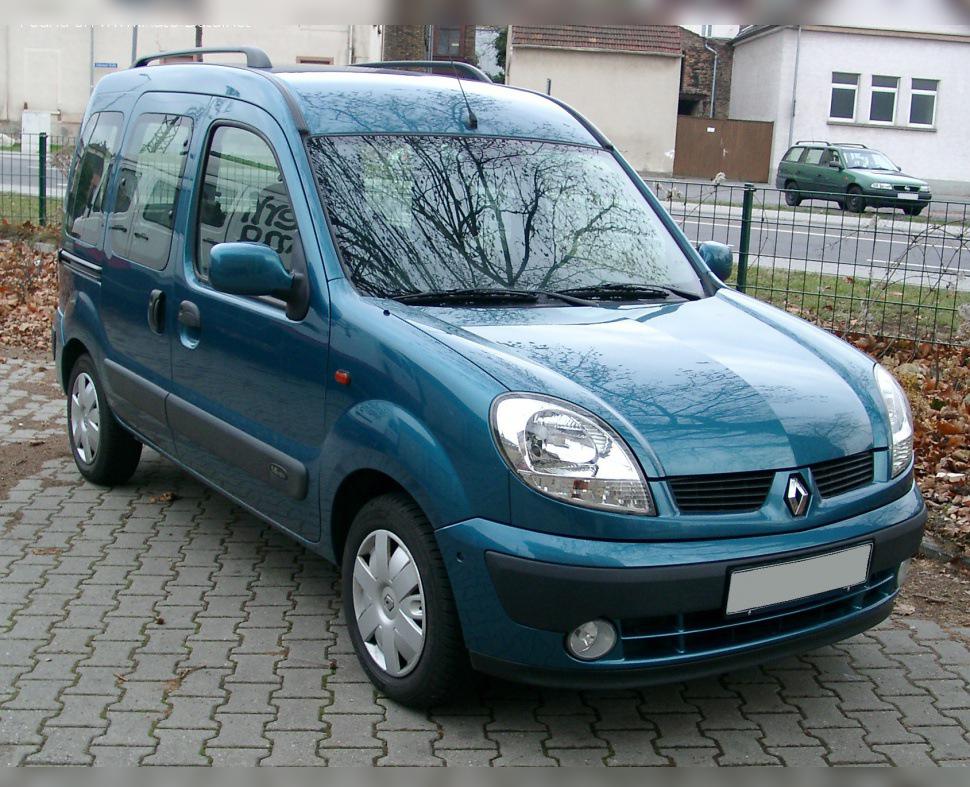
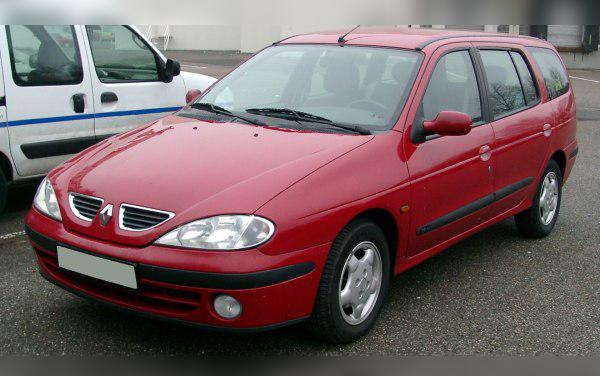
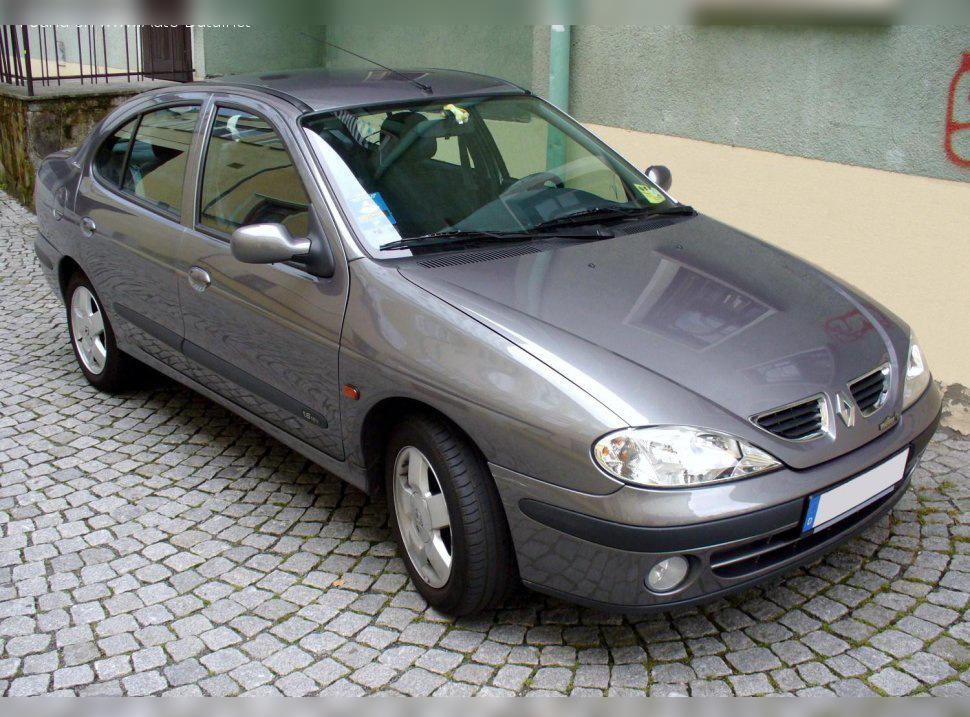
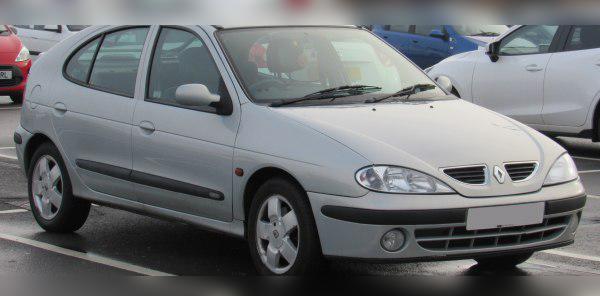
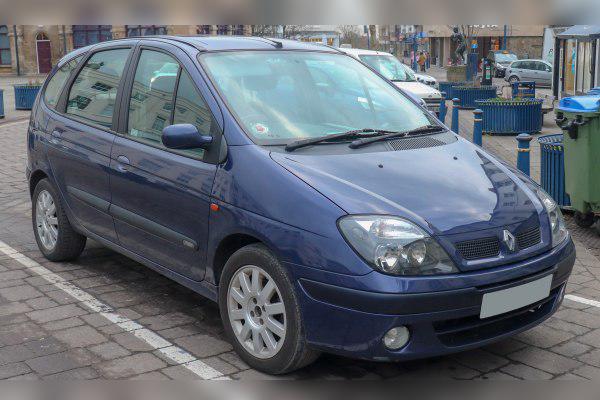
When we talk about the F9Q engine in the 80 HP (59 kW) version, we are actually talking about the 1.9 dTi unit. This is a very important engine in Renault’s history because it represents a transitional phase between the old naturally aspirated diesels (1.9 D) and modern common-rail engines (1.9 dCi). It was installed in the late nineties and early 2000s in a wide range of vehicles, from the small city runabout Clio II, through the workhorse Kangoo, all the way to family models like Megane I and Scenic I.
What sets this engine apart is its exceptional mechanical robustness. It was designed before strict emission standards complicated drivers’ lives, which makes it one of the most sought-after choices on the cheap used-car market. It’s not a champion of refinement, but it is an undisputed champion of durability.
Engine technical specifications
| Specification | Data |
|---|---|
| Engine code | F9Q (1.9 dTi) |
| Displacement | 1870 cc |
| Power | 59 kW (80 HP) |
| Torque | 160 Nm |
| Fuel type | Diesel |
| Injection type | Direct injection (rotary high-pressure pump) |
| Charging | Turbocharger (fixed geometry) |
Reliability and maintenance
The F9Q engine uses a timing belt. The system is fairly conventional, but it hides a major design flaw typical for Renault of that era. The most common and most serious failure on this engine is not the timing belt snapping, but rather the auxiliary (serpentine) belt breaking. Due to poor crankshaft pulley design or a worn tensioner, pieces of the broken auxiliary belt can slip under the timing belt, cause the engine to jump timing and lead to severe damage to valves and pistons. Because of this, a visual inspection of the auxiliary belt drive is recommended at every minor service.
The major service on this engine is done relatively often; the recommendation is every 60,000 km up to a maximum of 80,000 km, or every 5 years. As for lubrication, the sump holds about 4.6 to 5 litres of oil (depending on filter size). Given the age of the engine and the absence of a DPF, a 10W-40 grade is recommended, although 5W-40 can be used in colder climates. Oil consumption exists, but if the engine is healthy, it should not exceed 0.5 to 1 litre per 10,000 km. Increased consumption usually points to worn valve stem seals or leaks at the crankshaft oil seals.
Since this is an old dTi, the injectors are classic mechanical ones, not modern common-rail piezo injectors. They have proven to be extremely durable and rarely fail before 300,000 km. Even when they do wear out, refurbishment is not expensive; symptoms include black smoke under acceleration and rough idling.
Specific parts and costs
One of the biggest advantages of the 80 HP version is that it does not have a dual-mass flywheel. Power is transmitted via a solid flywheel, which means that replacing the clutch kit is a fairly cheap investment, ranging from affordable to moderately expensive (depending on the market).
The injection system relies on a rotary high-pressure pump (most often Bosch VP series or Lucas/Epic). These pumps are durable, but after two decades of use they can develop leaks at the seals or electronic issues within the pump itself (symptoms: long cranking when cold, jerking while driving or loss of power).
This engine uses a single, conventional turbocharger with fixed geometry. Turbo lag is noticeable, but the compressor itself is extremely tough. If oil is changed on time, the turbo easily exceeds 250,000 km. Symptoms of a worn turbo include whistling under load and thick blue smoke from the exhaust (burning oil).
Emission control on dTi engines is rudimentary. There is no DPF filter and no AdBlue system, which every owner will appreciate. However, the engine does have an EGR valve, notorious for frequent clogging, especially if the car is driven mainly in city traffic at low revs. A clogged EGR manifests itself through loss of power, going into “safe mode” and thick black smoke from the exhaust.
Fuel consumption and performance
With 80 HP and 160 Nm of torque, performance depends heavily on the body the engine has to move. In the light Renault Clio II, this unit offers quite lively performance and the subjective feeling of power is very good. On the other hand, in a heavier Scenic or a fully loaded Kangoo, the engine feels “lazy” and requires patience when overtaking on country roads.
Real-world fuel consumption in city driving ranges between 6.5 and 7.5 l/100 km, depending on how heavy your right foot is and traffic conditions. On open roads, consumption can drop below 5 litres.
As for motorway driving, this engine is not an ideal cruiser. Due to the five-speed gearbox with relatively short ratios, at 130 km/h the engine spins at around 3000 rpm. At that point, poor sound insulation and the pronounced noise of an old diesel in the cabin become evident, with fuel consumption at that speed rising above 6.5 litres.
Additional options and modifications
Although tuned dCi engines are common nowadays, the old 1.9 dTi is not a platform for serious power increases. A safe “chip tuning” (Stage 1) can raise power from 80 HP to about 100 to 105 HP, and torque to around 200 Nm. This brings a much more relaxed drive in a Scenic or Megane, but caution is needed. Since the engine uses an older generation clutch and gearbox, a sudden increase in torque can lead to the clutch disc slipping earlier than usual. Extreme boost pressure increases are not recommended due to the age of the turbocharger itself.
Gearbox: Manual and automatic
The 1.9 dTi was most commonly paired with a five-speed manual gearbox (JB3 or JC5 series). These gearboxes are mechanically robust, but they have one well-known flaw, the so-called “French disease”: oil leakage at the gear selector shaft seal. This leak is difficult to fix permanently without more serious disassembly. It is recommended to change the oil in the manual gearbox (75W-80) preventively every 60,000 to 80,000 km, because a lack of oil due to leakage can lead to bearing failure in the gearbox (manifested by whining while driving).
In some models (such as the Megane and Scenic) a four-speed automatic gearbox (DP0 / AL4) could also be ordered. This gearbox is known for numerous issues: from overheating and jerking when shifting from first to second gear, to failure of the solenoids in the valve body. The cost of overhauling this automatic is very high (depending on the market) and often exceeds the current value of the entire car, so the automatic with this engine is strongly not recommended.
Buying used and conclusion
When buying a used car with the 1.9 dTi engine, it is crucial to start it when it is completely cold (after sitting overnight). Listen carefully to see if it cranks for a long time – if it does, the problem may lie in the glow plugs, but also in the high-pressure pump losing pressure or fuel draining back. The first puff of smoke after starting can be slightly grey due to unburnt diesel, but it must not be intensely blue.
Pay attention to the suspension, especially on Kangoos and Scenics, which were often used for carrying loads. Open the bonnet and visually check whether the engine has been washed – if it has, the seller may be hiding serious oil leaks around the sump or EGR valve.
Who is this engine for?
The Renault 1.9 dTi with 80 HP is ideal for people on a tight budget, beginners and small business owners (in a Kangoo). It is not for those seeking sporty performance or a quiet and refined ride on long journeys. This is a reliable workhorse, stripped of expensive modern technologies, which, if serviced regularly and with attention paid to the auxiliary belt, will serve for many more years.