Engine 0.9 TCe (H4B 408): Experiences, problems, fuel consumption and used-car buying tips
- Key points (TL;DR):
- The engine uses a timing chain which is generally long-lasting, but should be checked after 150,000 km.
- It does not have a dual-mass flywheel, nor direct injection, which drastically reduces maintenance costs and the price of potential repairs.
- It is an excellent candidate for LPG conversion thanks to its simple (indirect) MPI injection.
- Avoid the Easy-R automated gearbox at all costs – it is prone to jerking and expensive actuator failures. The manual gearbox is a far better choice.
- Urban fuel consumption can be higher than the factory figures, realistically between 7 and 8.5 l/100 km.
- The engine suffers from minor “teething problems” such as coolant leaks at the thermostat housing, which are easy and cheap to fix.
Contents
- Introduction: The small three-cylinder that motorized the masses
- Technical specifications
- Engine reliability and maintenance
- Specific parts and costs
- Real-world fuel consumption and performance
- Extras, LPG and remapping
- Transmissions: Manual vs. infamous Easy-R
- Buying used and conclusion
Introduction: The small three-cylinder that motorized the masses
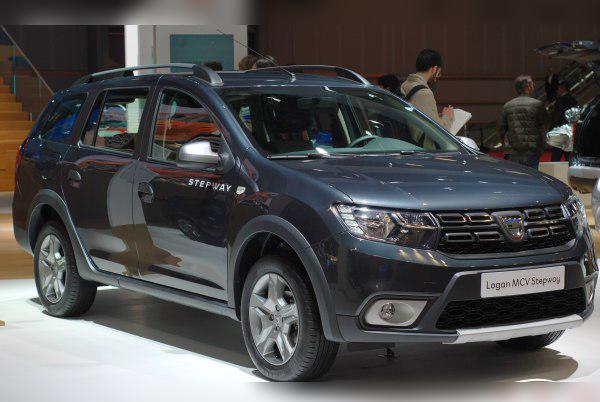
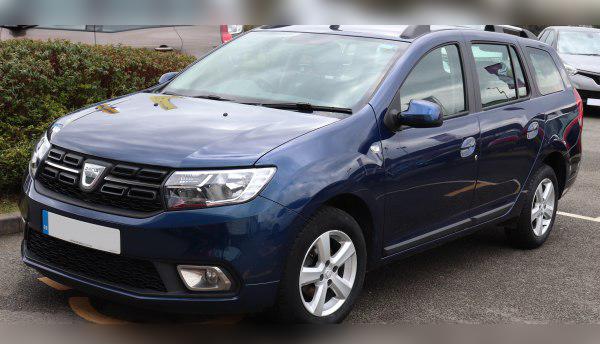
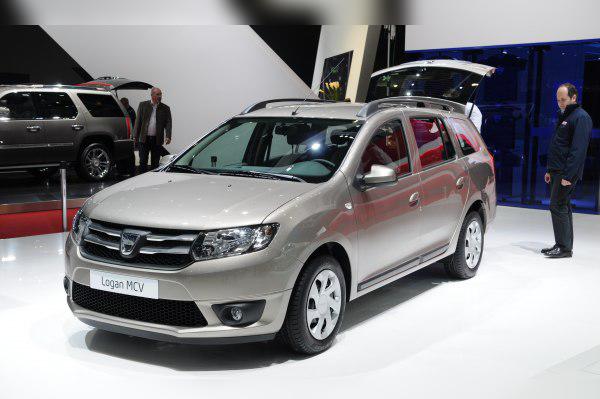
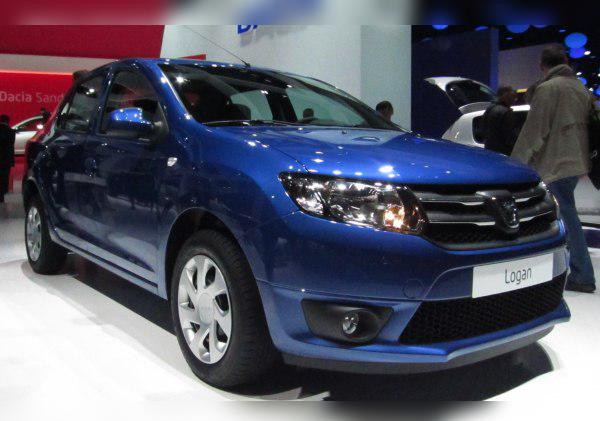
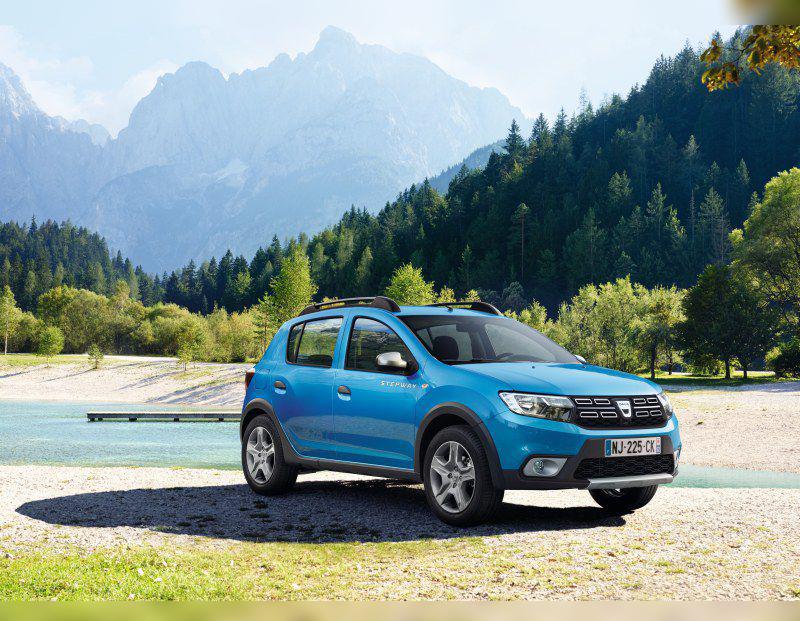
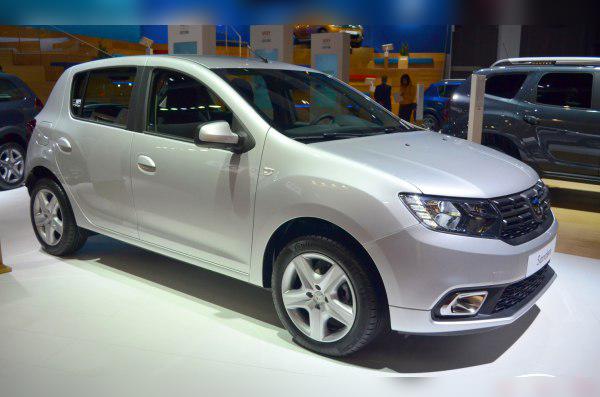
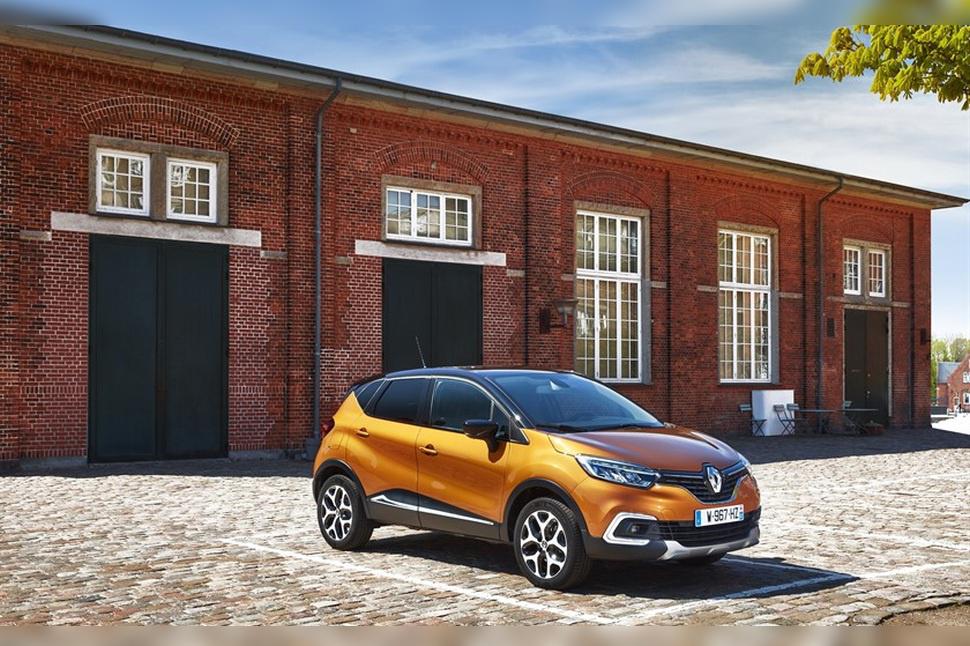
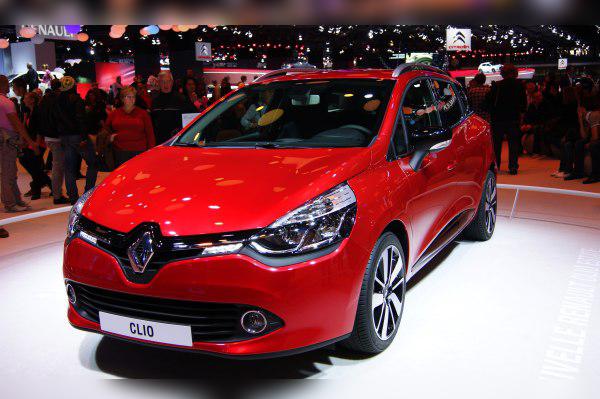
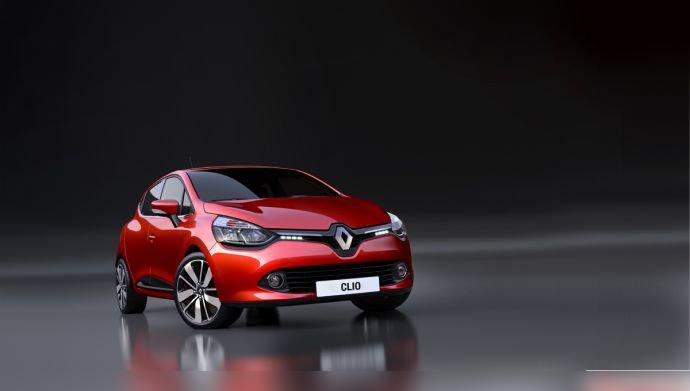
The engine designated H4B 408, commercially known as 0.9 TCe (Turbo Control Efficiency), is Renault’s answer to the era of downsizing – reducing displacement while adding a turbocharger. This small three-cylinder 899 cc engine took on the role of base and mid-range power unit in many popular models, including the entire Dacia range (Logan II, Sandero II, MCV, Stepway variants) as well as Renault models (Clio IV, Captur). Its main task was to offer lively city performance with low registration and production costs, and in practice, with certain compromises, it has become one of the more reliable small turbo petrol engines on the market.
Technical specifications
| Specification | Data |
|---|---|
| Engine code | H4B 408 (0.9 TCe) |
| Displacement | 899 cc (0.9 L) |
| Power | 66 kW (90 hp) |
| Torque | 135 Nm at 2500 rpm |
| Injection type | Indirect (MPI - Multi-Point Injection) |
| Charging | Turbocharger with intercooler |
| Timing drive | Timing chain |
Engine reliability and maintenance
Chain or belt and service intervals
The good news for owners is that the 0.9 TCe uses a timing chain, not a timing belt. Because of this, the classic “major service” (in the sense of timing belt replacement) is not done at a strictly defined interval. However, the chain is not eternal. It is recommended to thoroughly check the condition of the chain, tensioner and guides via diagnostics and by listening (especially on cold start) at around 150,000 to 200,000 km. Although the chain is not replaced often, the so‑called “major service” includes replacement of the auxiliary (serpentine) belt, rollers, tensioner and water pump, which is recommended every 80,000 to 100,000 km or every 5 years.
Engine oil and spark plugs
This small block holds approximately 4.1 litres of oil including the filter. It is recommended to use fully synthetic oil of grade 5W-40 or 5W-30 that meets Renault RN0700 or RN0710 specifications. As for oil consumption, the 0.9 TCe is not known as a heavy drinker like some competitors. It is normal for it to consume between 0.2 and 0.5 litres per 10,000 km. If you notice higher consumption, the problem usually lies in the turbocharger or stuck piston rings due to infrequent oil changes.
Since this is a turbo petrol engine, the spark plugs are under greater stress than in naturally aspirated engines. Their replacement is strictly recommended every 60,000 km. If this interval is exceeded, ignition coils may fail or the engine may run rough (jerking under acceleration).
Most common failures and “teething problems”
Although mechanically very robust, the 0.9 TCe has a few annoying issues. The best known is coolant leakage at the thermostat housing. The plastic housing deforms over time from heat, and coolant starts to leak. The repair is simple and not expensive (depends on the market). Another common symptom is an uneven idle, especially when the engine is cold. This is often a software issue or a problem with a dirty throttle body, and is sometimes solved by a simple ECU software update.
Specific parts and costs
Flywheel and fuel injection system
Unlike modern diesels, the 0.9 TCe does not have a dual-mass flywheel, but uses a conventional solid flywheel. This is a huge relief for the budget, as it eliminates one of the most expensive failures on used cars. As for the injection system, it uses the good old MPI (Multi-Point Injection) system, i.e. indirect fuel injection into the intake manifold. The injectors on this engine are extremely reliable, not prone to clogging with carbon deposits as with direct injection, and even if they fail, replacement is not expensive (depends on the market).
Turbocharger and emissions systems
The engine is equipped with a single, relatively small turbocharger (usually BorgWarner). Turbo lifespan is quite decent and with regular oil changes it easily exceeds 200,000 km. The most important tip for preserving the turbo is to let the engine idle for about 30 seconds after more spirited driving or a longer trip so that the oil can cool the turbo bearings.
Since this is a petrol engine, it does not have a DPF filter or AdBlue system. It also does not have the typical troublesome EGR valve that constantly clogs with soot as in diesels; instead, it uses a variable valve timing (VVT) system to achieve a similar emissions-reduction effect. All this makes it much more suitable for short city trips compared to modern diesel engines.
Real-world fuel consumption and performance
City driving vs. motorway
Despite the small displacement, do not expect this engine to sip fuel like a lighter. In stop‑and‑go city traffic with the A/C on, real consumption is between 7 and as much as 8.5 l/100 km. On country roads at around 80 km/h, consumption drops dramatically to about 4.5 to 5 litres.
Is the engine “lazy”? For lighter bodies such as the Renault Clio and Dacia Sandero, 90 hp and 135 Nm are quite adequate for lively city driving, because the turbocharger provides good low‑rpm response. However, in larger models such as the Dacia Logan MCV (estate) or Renault Captur, when loaded with passengers and luggage, the engine quickly runs out of breath. When overtaking uphill, you have to rev it high.
On the motorway, the 0.9 TCe is out of its comfort zone. Due to the five‑speed gearbox with short ratios, at 130 km/h the engine spins at about 3,400–3,500 rpm. This means more noise in the cabin and fuel consumption jumping to over 7.5 litres of petrol. The engine can cruise at that speed, but the noise becomes tiring on long journeys.
Extras, LPG and remapping
Is the 0.9 TCe good for LPG?
Absolutely yes! Thanks to the aforementioned MPI (indirect) injection, installing LPG is quite straightforward, does not require expensive liquid‑phase systems and does not cause issues with petrol injectors (as is often the case with direct injection). Many Dacias even left the factory with Landi Renzo LPG systems already installed. Maintaining such a system is very affordable.
Remapping (Stage 1)
Although the displacement is small, the turbocharger leaves room for modifications. A safe Stage 1 remap can raise power from the stock 90 hp to about 110–115 hp, while torque increases from 135 Nm to a respectable 160–170 Nm. This is most noticeable in in‑gear acceleration and makes overtaking on country roads easier, and if the car is driven sensibly, it does not significantly endanger the crankshaft or turbo lifespan.
Transmissions: Manual vs. infamous Easy-R
Manual gearbox (5-speed)
The standard five‑speed manual gearbox (mostly JR5 or JH3 series) is extremely reliable and robust. Its only downside is a somewhat vague gear lever feel, typical of older French models, but it rarely fails. Since it uses a solid (conventional) flywheel, the cost of replacing the clutch kit (pressure plate, disc and release bearing) is not high (depends on the market) and is part of standard maintenance. Although the manufacturer claims the gearbox oil is “lifetime”, any experienced mechanic will recommend changing it every 80,000 to 100,000 km to extend the life of the bearings and synchros.
Automated gearbox (Easy-R) – A ticking time bomb
On the list of models using this engine, the Easy-R gearbox is often mentioned. To be clear right away: this is not a true automatic gearbox, but a “robotized manual”. It has a conventional clutch and manual gears, but the clutch operation and gear changes are performed by electric motors (actuators). Real‑world experience with it is very poor.
The main symptoms of failure are strong jerks when moving off, especially uphill or in traffic jams. The clutch in this system wears out incomparably faster than in a manual (often not even reaching 60,000 km). Repair and calibration of the actuators, along with frequent clutch replacements, make this gearbox expensive to maintain. If you are buying used, it is strongly recommended to avoid Easy-R versions.
Buying used and conclusion
What to watch for on a test drive?
When looking at a used Dacia or Renault with the 0.9 TCe engine, always insist on a cold start (the car must not have been started earlier that day). Listen carefully to the engine sound immediately after cranking – if you hear a sharp metallic rattle that disappears after a few seconds, it is a sign that the chain is stretched and due for replacement. Open the bonnet and inspect the sides of the engine around the thermostat housing; if you see pink/green crusty coolant traces, be aware there is a leak.
Also, during the test drive pay attention to the suspension, as Dacia models are softly sprung and the control arm bushes tend to suffer on bad roads. Be sure to hook the car up to diagnostics to check turbo pressure and misfires, which can indicate worn spark plugs or coils.
Who is this engine for?
The 0.9 TCe (H4B 408) is a rational, common‑sense choice for people who need a cheap, low‑maintenance car for everyday city use and occasional trips out of town. Without a dual‑mass flywheel, EGR and direct injection, this is an engine where you know from the start that you will not face the expensive repairs typical of modern diesels.
If you are looking for a car for taxi work or deliveries, combined with a manual gearbox and LPG, the 0.9 TCe in a Dacia Sandero or Logan body is an indestructible and economical workhorse. However, if you want a comfortable cruiser for everyday motorway runs at over 130 km/h, this three‑cylinder will tire you out with both noise and fuel consumption.