H5H 1.3 TCe Engine (140 hp) – Experiences, Problems, Fuel Consumption and Used Car Buying Guide
- Engine developed in cooperation between the Renault-Nissan-Mitsubishi alliance and Mercedes-Benz.
- Noticeably more reliable and durable than its notorious predecessor (1.2 TCe).
- Uses a timing chain, which reduces regular maintenance costs.
- Has direct petrol injection, which provides great performance but makes LPG installation more difficult and more expensive.
- Includes a GPF (FAP) particulate filter that can cause problems exclusively in city driving.
- Automatic EDC dual-clutch gearboxes require regular oil changes to remain reliable.
Contents
- Introduction and Basic Information
- Technical Specifications
- Reliability and Maintenance
- Specific Parts and Costs
- Fuel Consumption and Performance
- Additional Options, LPG and Modifications
- Gearboxes and Powertrain
- Buying Used and Conclusion
Introduction and Basic Information
The engine with the code H5H (commercially known as 1.3 TCe in Renault and Dacia models, 1.3 DIG-T in Nissan, and even M282 in Mercedes vehicles) is one of the most important powerplants in the modern car industry. Developed jointly, this engine was created with one goal: to correct all the catastrophic flaws of the old 1.2 TCe (H5F) engine, offer high efficiency, excellent torque and meet strict Euro 6d-Temp standards.
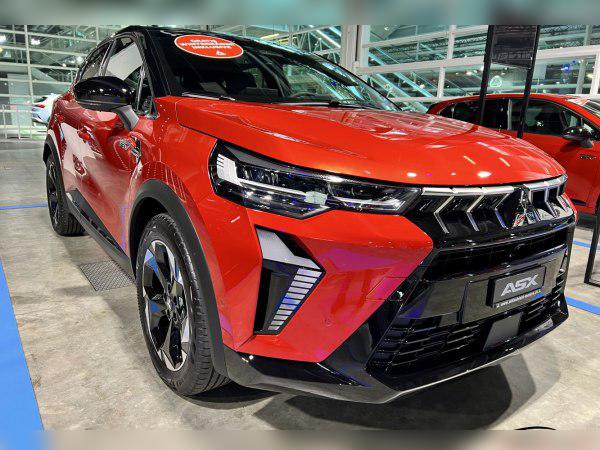
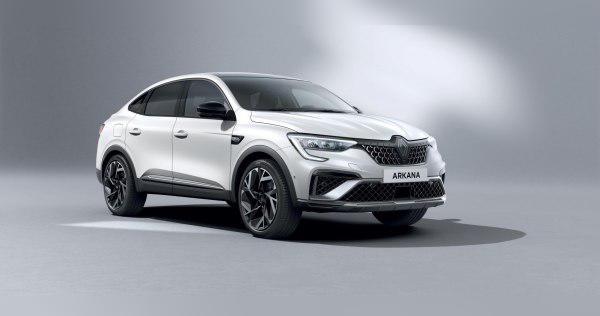
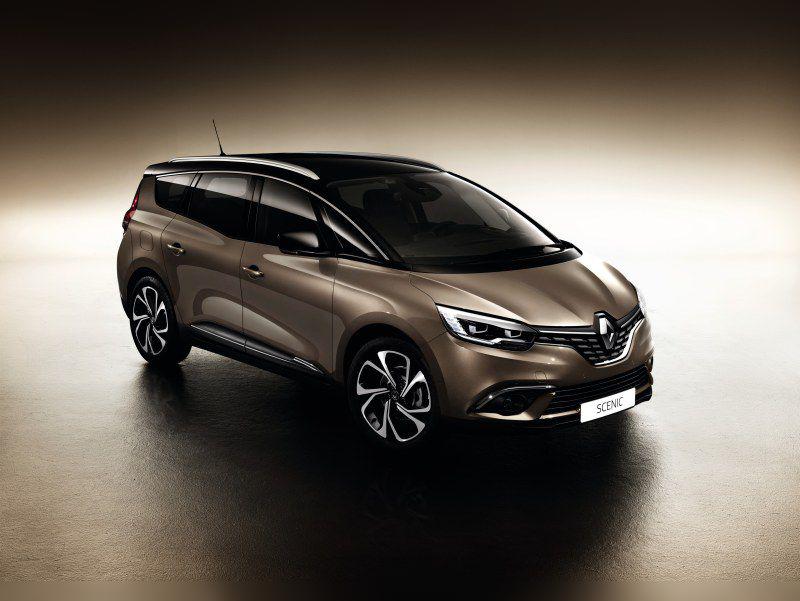
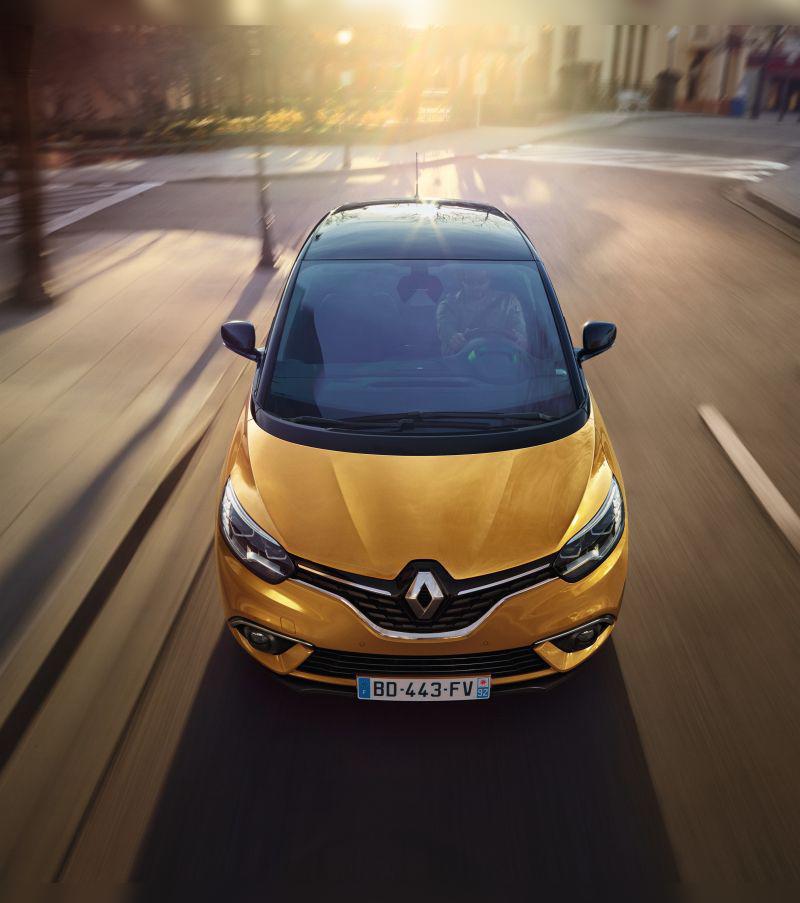
This 140 hp (103 kW) unit with 240 Nm of torque has proven to be the “golden mean”. It is installed in a wide range of vehicles, from smaller crossovers such as the Renault Arkana and the new Mitsubishi ASX (facelift 2024), all the way to family cruisers like the Renault Scenic IV and the heavier Grand Scenic IV with 7 seats. Newer iterations also come in the form of a Mild Hybrid system, where a small electric motor (alternator-starter) assists the petrol engine when setting off, reducing fuel consumption and emissions.
Technical Specifications
| Parameter | Value |
|---|---|
| Displacement | 1330 cc |
| Power | 103 kW / 140 hp |
| Torque | 240 Nm |
| Engine codes | H5H (Renault), HR13DDT (Nissan) |
| Fuel type | Petrol |
| Injection type | Direct injection (high pressure) |
| Induction | Turbocharger + Intercooler |
| Timing drive | Chain |
Reliability and Maintenance
If you are worried by stories about older Renault turbo petrol engines, you can relax. The H5H is designed completely differently and represents a drastic improvement. The most important news for drivers is that this engine uses a timing chain instead of a timing belt to drive the camshafts. The chain is designed to last as long as the engine itself and generally does not stretch at low mileage. Because of this, there is no classic major service (in the sense of replacing the timing belt, tensioners and water pump). It is only recommended to replace the auxiliary (serpentine) belt and its tensioners at around 100,000 to 120,000 km.
As for the oil capacity, this engine holds about 5.4 litres when completely dry, but during a regular oil change you pour between 4.6 and 4.8 litres. The key point is viscosity grade and specification. Renault explicitly requires oil with the RN17 specification (usually 5W-30), while newer Mild Hybrid models often use 0W-20 (RN17 FE) due to lower friction. It is essential to follow these specifications because of the GPF filter and the chain’s sensitivity to lubrication quality. Previous engines burned oil like crazy, but the H5H does not. Oil consumption is minimal; up to 0.5 litres per 10,000 km is considered completely normal and acceptable, although in practice many drivers do not need to top up between services.
Since this is a petrol engine with direct injection (DI), spark plugs must be replaced every 60,000 km. This interval must be strictly observed! Direct injection creates higher temperatures in the combustion chamber, so worn spark plugs can lead to misfires, which directly destroy ignition coils and can damage the ceramic core of the catalytic converter.
Most common failures
The engine is very reliable, but not perfect. The most frequent issue is a fault in the thermostat housing. The housing is plastic and over time can crack due to thermal shock and start leaking coolant. The symptom is a slight drop in coolant level and a specific sweet smell under the bonnet. Replacement is necessary, but the part is not too expensive (depends on the market).
Also, due to direct injection, fuel does not wash the intake valves. Drivers who use the car exclusively in the city on short trips can expect carbon buildup on the intake valves after around 100,000 km. Symptoms include rough idle, a slight loss of power and hesitation when the engine is cold. The solution is mechanical cleaning (often using the “walnut blasting” method).
Specific Parts and Costs
Yes, this engine has a dual-mass flywheel in versions with a manual gearbox. Although petrol engines stress it less than diesels, replacing the clutch kit and dual-mass flywheel is a significant expense and falls into the expensive category (depends on the market). Symptoms of a worn flywheel include strong vibrations when setting off, rattling at idle and jolts when switching the engine off.
The fuel injection system operates at extremely high pressure (250 bar). The injectors are not particularly problematic and do not fail as often as on older diesels, but they are extremely sensitive to contaminated fuel. Regular fuel filter replacement and avoiding driving on “deep reserve” will ensure a long service life.
The engine uses a single turbocharger with an electronically controlled wastegate valve. Turbo lifespan is excellent and easily exceeds 200,000+ km, provided that you change the oil regularly (every 15,000 km at most, not 30,000 km as some factory intervals state) and do not switch the engine off immediately after hard motorway driving.
Although it is a petrol engine, due to Euro 6d-Temp standards it has a particulate filter for petrol engines, called GPF (Gasoline Particulate Filter) or FAP in Renault jargon. Does it clog? Yes, but much less often than on diesels. Petrol exhaust gases are hotter, so regeneration is easier. However, frequent stop-and-go city driving can clog it. Symptoms include the “Check Emission” warning light and a more sluggish throttle response. The engine does not have an AdBlue system, as that is reserved exclusively for diesel engines, sparing you one major headache (no urea pumps and injectors that can fail).
Fuel Consumption and Performance
Thanks to its 1.3-litre displacement and turbocharger, the engine comes alive very low down, from around 1,500 rpm. Real-world fuel consumption in city driving ranges from 7.5 to 9.0 l/100 km. If you have a heavier Grand Scenic, expect closer to 9 litres, while a lighter Arkana or ASX Mild Hybrid will be nearer the lower end. The mild hybrid system really helps when pulling away from traffic lights.
Is the engine “lazy”? For the Arkana, Scenic and ASX, 140 hp and 240 Nm is more than adequate. The car accelerates linearly and is excellent for everyday use. However, if you look at this engine in the Grand Scenic IV with 7 seats and plan to travel often with a fully loaded car and a roof box, the engine will struggle with the weight in hilly terrain. You will have to use the gearbox more often. It is not underpowered, but it loses its punch under heavy load.
On the motorway the engine is very refined. At 130 km/h it cruises at around 2,600 to 2,800 rpm (depending on whether it is paired with the 6-speed manual or 7-speed EDC gearbox). Engine noise is minimal and average motorway fuel consumption is a very reasonable 6.5 to 7.5 l/100 km.
Additional Options, LPG and Modifications
Given today’s fuel prices, many people are interested in LPG conversion. For this engine the answer is: it is not recommended and does not pay off. Because of direct injection into the cylinder, the petrol injectors would melt from the temperature if petrol did not flow through them to cool them. That is why these engines require either a special liquid injection LPG system (which is very expensive, depending on the market) or a system that injects LPG in parallel with about 10–20% petrol (which kills the savings). The best option is to run it on petrol only.
As for software tuning, the engine has excellent potential because it shares the block and components with the version that produces 160 hp from the factory. Safe remapping (Stage 1) can raise power from 140 hp to around 165 hp, while torque increases from 240 Nm to an excellent 280 to 290 Nm. This modification dramatically improves in-gear acceleration and is recommended for owners of the heavier Grand Scenic, but it does require shorter oil change intervals.
Gearboxes and Powertrain
This engine is paired with two types of gearboxes: a 6-speed manual gearbox and a 7-speed automatic EDC gearbox (Efficient Dual Clutch).
The manual gearbox is classic, durable and reliable. The most common problem is the aforementioned dual-mass flywheel, and the cost of replacing the clutch and flywheel is a significant expense. Sometimes drivers report slight “notchiness” when engaging reverse in winter, which is usually solved by changing the gearbox oil at 100,000 km.
The automatic EDC gearbox (Getrag 7DCT300 with wet clutches) is very fast and comfortable, but requires attention. Early models (2018/2019 in the Scenic) had software issues, causing the gearbox to “jerk” when shifting from first to second gear on an incline. If the message “Check Gearbox” appears on the instrument cluster and the gearbox loses even or odd gears, the most common culprit is the mechatronic unit, whose repair is very expensive (depends on the market).
For long EDC life, maintenance is crucial. Unlike some “dry” DSG gearboxes, this EDC has clutches immersed in oil. Therefore, it is mandatory to change the oil and filter in the automatic gearbox every 60,000 km. Skipping this service will inevitably lead to clutch overheating and mechatronic failure.
Buying Used and Conclusion
When buying a used car with the H5H engine, be sure to check the following:
- Engine noise on cold start: Let the car stay overnight at the seller’s place. When you start it in the morning, open the bonnet and listen. If you hear metallic rattling or chain noise lasting more than 2–3 seconds, the timing chain is loose.
- Test drive of the EDC gearbox: Start on a slight uphill and gently apply throttle. The gearbox must shift into second and third without any jolts or hesitation. If it jerks, the clutches are near the end of their life.
- Inspection around the thermostat: Use a flashlight to check the right side of the engine (towards the cabin) for traces of red/yellow coolant leakage.
- Diagnostics: Always connect an OBD scanner and check the GPF filter saturation level and the history of misfires.
Conclusion: The 1.3 TCe (140 hp) engine is an excellent compromise between power, economy and reliability. It has definitely restored buyers’ confidence in Renault petrol engines. It is ideal for drivers who cover around 15,000 km per year, often drive out of town and want a quiet cabin. If you avoid heavy city driving that chokes the GPF filter and regularly service the EDC gearbox, this engine will serve you for many years without major headaches.