H5H 1.3 TCe Engine (160 hp): Experiences, Problems, Fuel Consumption and Used-Buying Tips
Key points (TL;DR)
- Timing: Uses a chain, not a timing belt, which lowers major service costs.
- Reliability: A product of the Renault-Nissan alliance and Mercedes (M282). An exceptionally refined and reliable engine.
- Injection and emissions: Direct petrol injection with a FAP/GPF particulate filter on newer versions. No AdBlue system.
- Gearbox: Often paired with a 7-speed EDC dual-clutch automatic that requires regular oil changes every 60,000 km.
- Performance: With 160 hp and 270 Nm, this engine handles heavier bodies like the Grand Scenic and Talisman very well. It is anything but “sluggish”.
- Drawbacks: Carbon build-up on intake valves (a trait of direct injection) and potential GPF clogging if used exclusively for short city driving.
Contents
- Introduction: Meet the H5H engine
- Technical specifications
- Reliability and maintenance
- Specific components (Costs)
- Fuel consumption and performance
- Additional options and modifications
- Gearbox and power delivery
- Buying used and conclusion
Introduction: Meet the H5H engine
The H5H engine (known as 1.3 TCe in the Renault range, HR13DDT at Nissan, or M282 in Mercedes-Benz vehicles) is one of the most important modern powerplants in the car industry. It was created as the result of serious engineering and cooperation between Renault and Daimler. The goal was to build a compact turbo petrol engine that delivers diesel-like torque while meeting strict emissions standards.
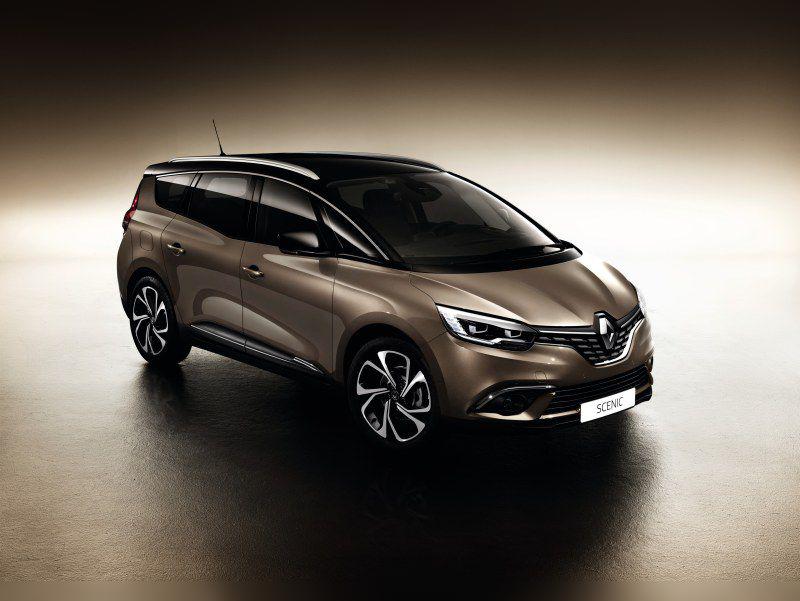
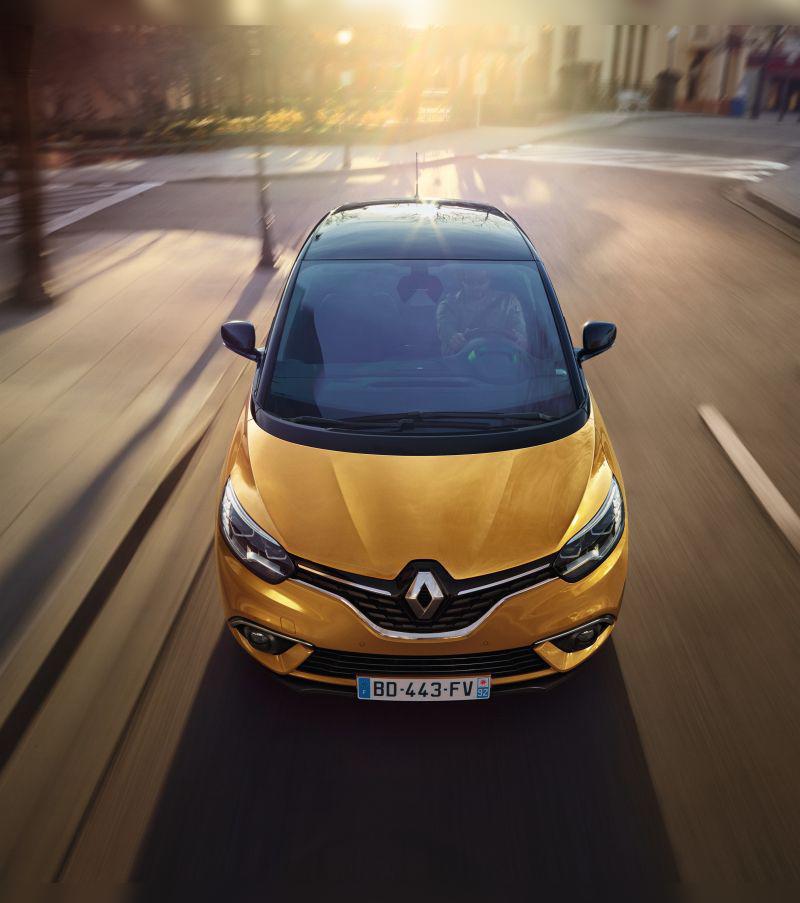
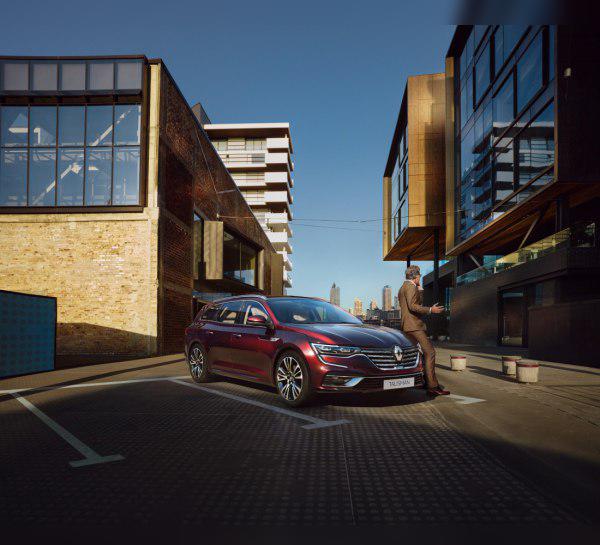
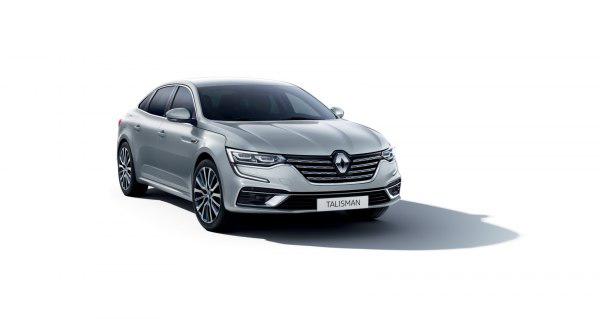
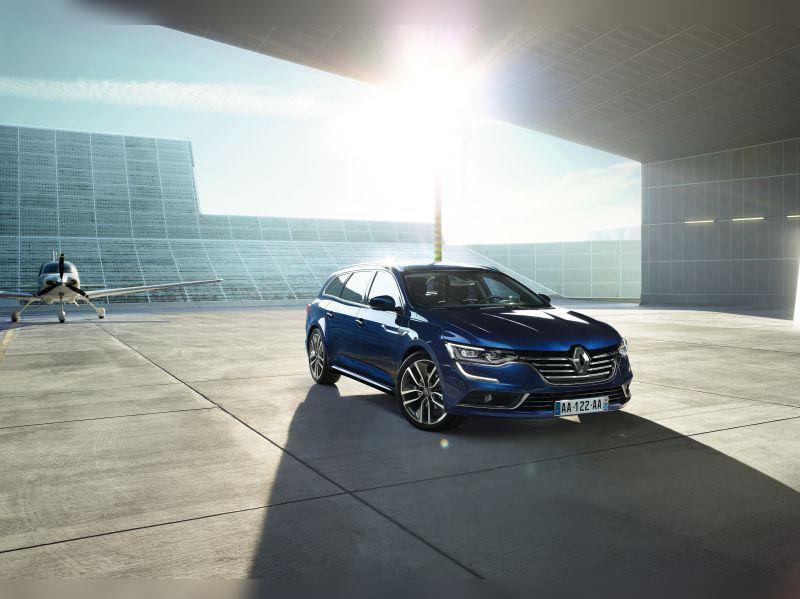
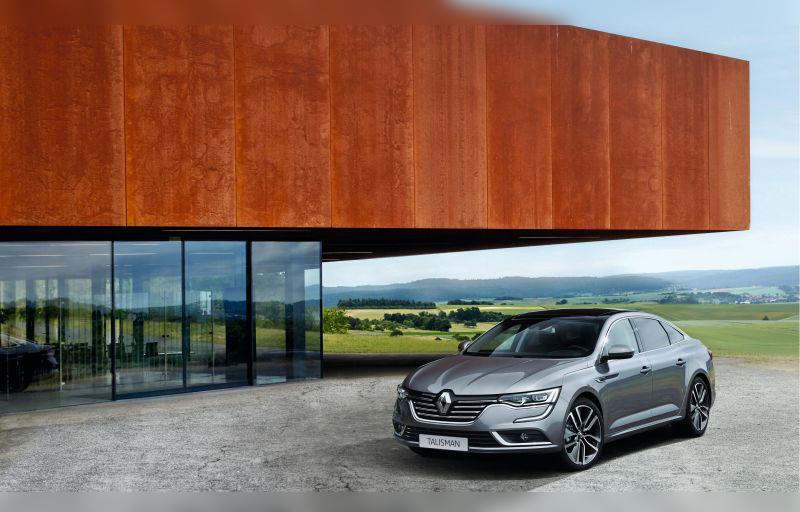
In its 160 hp version, this engine sits at the very top of the range for models such as the Renault Scenic IV, Grand Scenic IV and the luxury Talisman (including Estate wagon versions and models with the 4CONTROL steering system). It was designed to replace the older 1.2 TCe and 1.6 TCe engines, and in real-world use it has proven to be a drastic step forward in terms of reliability, fuel consumption and performance.
Technical specifications
| Specification | Data |
|---|---|
| Displacement | 1332 cc |
| Power | 118 kW (160 hp) |
| Torque | 270 Nm (available from low revs) |
| Engine codes | H5H (Renault), HR13DDT (Nissan), M282 (Mercedes) |
| Injection type | High-pressure direct injection |
| Forced induction | Turbocharger (turbo with electronic actuator) + intercooler |
| Emissions equipment | FAP/GPF (petrol particulate filter), EGR valve |
Reliability and maintenance
Chain or belt?
To the delight of many drivers, the H5H uses a timing chain. The chain design has proven to be very durable and, unlike some earlier engines (such as the notorious 1.2 TCe), there are no pronounced issues with chain stretch at low mileage, provided the oil is changed on time.
Most common issues
The engine is generally very reliable, but in practice a few specific weak points appear. Because of direct injection, fuel does not wash over the intake valves, so after around 100,000 km you may see carbon build-up. Symptoms include rough idle and a slight loss of power. This is solved by decarbonisation (walnut blasting or similar). Early models also showed issues with pressure sensors for the FAP/GPF filter and occasional glitches with the thermostat, but these were mostly resolved through software updates or under warranty.
Major and minor services
Since the engine uses a chain, there is no “classic” major service in the sense of a timing belt replacement. However, it is recommended to replace the auxiliary (serpentine) belt, idlers, tensioner and water pump at around 100,000 to 120,000 km. The price of these parts is not high (depends on the market).
Oil and spark plugs
The engine takes approximately 5.4 litres of oil. Due to the sensitivity of the FAP (GPF) filter, it is mandatory to use oil that meets the Renault RN17 specification (5W-30 grade). As for oil consumption, the H5H is significantly better than its predecessors. Mild consumption of around 0.2 to 0.5 litres per 1000 km during hard motorway driving is considered normal, but most drivers do not need to top up between services if they stick to the recommended 10,000–15,000 km intervals.
Since this is a high specific-output petrol engine, spark plugs should be replaced every 60,000 km. Postponing this is not recommended, as worn plugs directly affect the ignition coils and combustion quality, which accelerates GPF contamination.
Specific components (Costs)
Flywheel and injection system
Versions with a manual gearbox use a dual-mass flywheel, whose replacement is a very expensive job (depends on the market). On EDC automatic versions, the flywheel is of a different design and the gearbox itself uses a wet dual-clutch pack.
The injection system is direct, operating at high pressure. The injectors are robust but extremely sensitive to poor fuel quality. Clogged injectors cause jerking under acceleration and increased fuel consumption. Injector replacement is expensive, so it is advisable to use higher-quality, additivated fuel.
Turbocharger
The engine has a single but very advanced turbocharger with an electronically controlled wastegate actuator. Its service life exceeds 150,000 to 200,000 km without issues, provided you do not switch off a hot engine immediately after hard motorway driving (this applies to any turbo). Turbo overhauls are widely available today and the price is around average – not excessively expensive (depends on the market).
Emissions: DPF (GPF), EGR and AdBlue
Since this is a petrol engine, it does not have an AdBlue system, which is a huge relief for owners (no additive pump or tank failures). However, newer generations of this engine carry the FAP (Filtre à Particules) label, meaning they are equipped with a GPF (Gasoline Particulate Filter). This filter traps soot. Unlike diesels, petrol engines raise exhaust gas temperatures more quickly, so the GPF regenerates more easily. Still, if you drive the car 100% on short stop‑and‑go city trips, the GPF can clog. The engine also has an EGR valve, which, due to carbon build-up, occasionally requires cleaning.
Fuel consumption and performance
Real-world fuel consumption
For a turbo petrol engine that has to move heavy cars (a 7-seat Grand Scenic weighs over 1.6 tonnes, and the Talisman is no lighter), fuel consumption is quite reasonable. In city driving, expect between 8.0 and 9.5 l/100 km, depending on traffic and driving style. It is unrealistic to expect less than that in urban conditions.
Performance and power
This engine is absolutely not sluggish. With 160 hp and a serious 270 Nm of torque (which used to be the territory of 2.0 naturally aspirated engines or 1.9 diesels), the car pulls very well even when fully loaded. The acceleration feels linear and turbo lag is kept to a minimum.
Motorway behaviour
Out on the open road this engine really shines. The Scenic’s aerodynamics hurt the average a bit, so fuel consumption at 130 km/h is around 7.0 to 7.5 l/100 km, while the lower and more aerodynamic Talisman uses slightly less (around 6.5 l/100 km). Thanks to the 7-speed EDC gearbox or a long sixth gear on the manual, at 130 km/h the engine cruises at a very relaxed 2500 to 2600 rpm, which keeps the cabin extremely quiet.
Additional options and modifications
LPG conversion
If you are considering an LPG conversion, keep in mind that this engine uses direct injection. Standard sequential systems are not suitable here. You need a specific system that also injects petrol while driving (to protect the injectors from overheating) or more advanced liquid-phase systems (such as PRINS), which are very expensive (depends on the market). For the average driver, the cost-effectiveness of fitting LPG to the H5H is questionable and generally not recommended.
Remapping (Stage 1)
The engine has tuning potential. A standard Stage 1 remap can raise power from 160 hp to around 180 to 185 hp, while torque can safely reach 300–310 Nm. However, caution is needed. If your car has the EDC automatic gearbox (most often the Getrag 7DCT300), its factory limit for maximum input torque is rated at about 300 Nm. Excessive “cranking up” of the software will inevitably lead to clutch slip and accelerated gearbox wear.
Gearbox and power delivery
Types of gearboxes
This engine is most commonly found paired with a 7-speed EDC dual-clutch automatic gearbox (Getrag), while 6-speed manuals are rare in the most powerful trims (such as the 160 hp version), but they do exist on the market.
Gearbox failures and maintenance
Manual gearbox: It is robust and rarely fails. The only major issue is wear of the clutch and dual-mass flywheel, whose replacement is very expensive (depends on the market). Symptoms of a worn flywheel include judder when taking off and metallic knocks when switching off the engine.
EDC automatic: This gearbox offers great comfort and fast shifts, but it requires strict maintenance. Gearbox oil changes are MANDATORY every 60,000 km. If this is neglected, metal shavings damage the mechatronics. The most common EDC failures appear beyond 150,000 km and include clutch pack wear and issues with shift actuators. Automatic gearbox repairs are very expensive (depends on the market). Symptoms of EDC problems include harsh gear changes, hesitation when setting off (so‑called “slipping”) or a “Check Gearbox” warning on the instrument cluster.
Buying used and conclusion
What to check when buying?
- Cold start: Listen carefully for any rattling from the engine area in the first 2–3 seconds after start-up. This is a sign that the chain or hydraulic tensioner is worn.
- Service history: This engine does not tolerate neglect. Check whether the specific RN17 oil has been used. If the wrong oil was used, the GPF filter is likely near the end of its life.
- Gearbox test: Drive the car both gently and aggressively. The EDC gearbox must shift smoothly. If the car jerks when you apply throttle from a standstill, prepare for an expensive clutch service.
- Diagnostics (Mandatory): Check the saturation level of the FAP/GPF filter and whether there are any stored misfire codes, which point to bad coils, worn spark plugs or dirty valves.
Conclusion: Who is this engine for?
The Renault 1.3 TCe (H5H) with 160 hp is an excellent, flexible and modern engine that has largely erased the bitter aftertaste left by the previous 1.2 TCe. It is an ideal choice for drivers who want good performance, wish to avoid diesels because of strict emissions rules and DPF/AdBlue issues, and do not cover huge annual mileages.
Whether you choose it in a practical Grand Scenic for family trips or in an elegant Talisman, you will not be short on power. However, be aware that this is not an old-school naturally aspirated engine you can neglect for years – it demands quality oil, regular servicing and occasional motorway runs so that the GPF filter can complete its regeneration cycles.