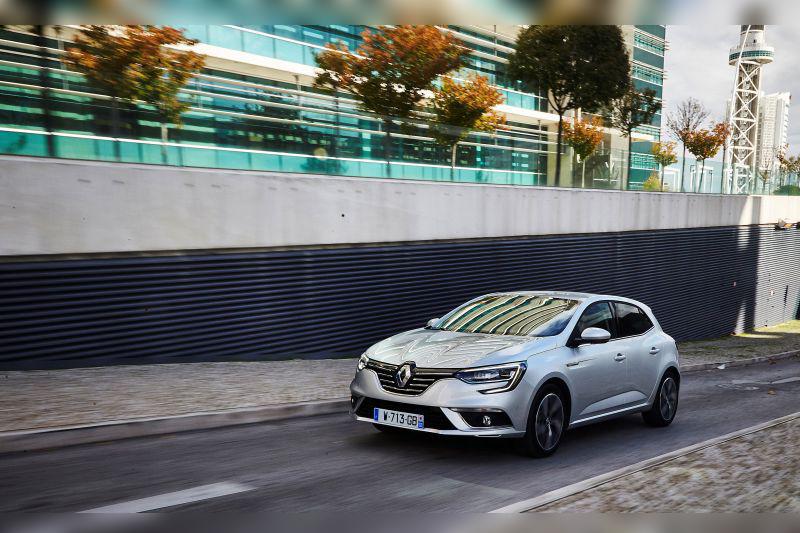
Renault 1.3 TCe (H5H 470) – Experiences, problems, fuel consumption and used-car buying tips
Key points (TL;DR)
- Timing: Uses a reliable timing chain, not a timing belt.
- Fuel consumption: Very economical for a turbo petrol; in the city it uses around 7 to 8.5 l/100 km.
- Performance: With 103 kW (140 hp) and 240 Nm, this is the ideal balance for the Megane IV; the engine is anything but “sluggish”.
- Gearbox: The automatic EDC gearbox offers comfort, but repairs and regular services (every 60,000 km) are a cost you must factor in.
- LPG: Due to direct injection, LPG installation is complex and generally not recommended as a cost-effective option.
- Reliability: A product of Renault and Mercedes-Benz cooperation; overall a very durable engine, provided the oil is changed regularly.
Contents
- Introduction: Engine origin and importance
- Technical specifications
- Reliability and maintenance
- Specific parts and potential costs
- Real-world fuel consumption and performance
- Extras, LPG and chip tuning
- Manual and automatic gearboxes (EDC)
- Buying used and conclusion
Introduction: Engine origin and importance
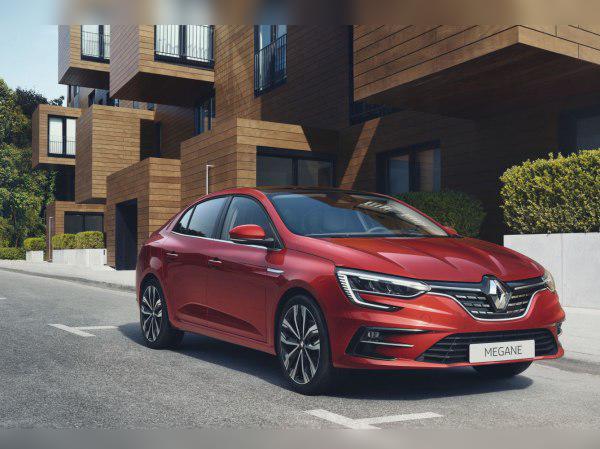
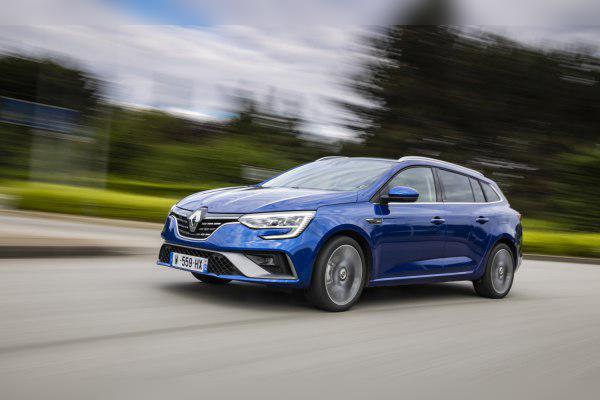
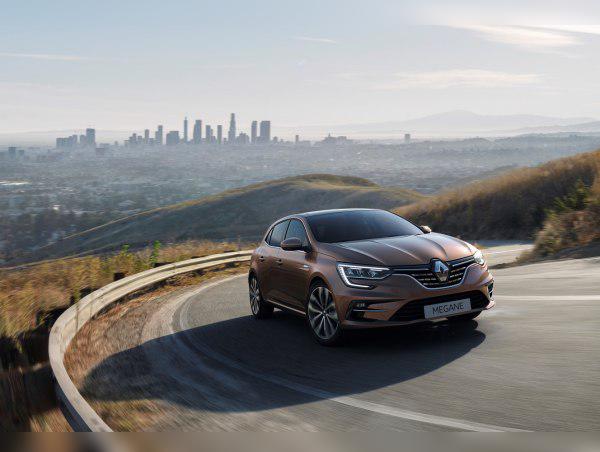
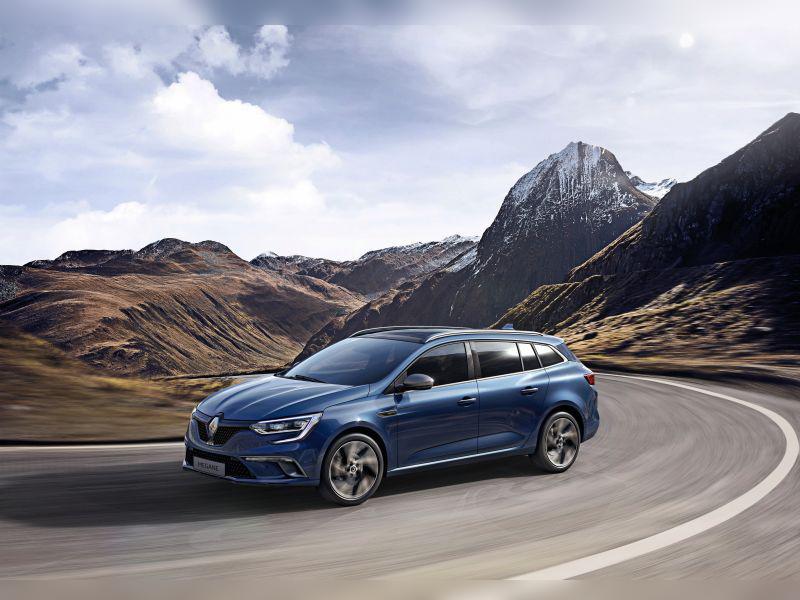
When you mention the engine code H5H 470, you’re talking about the well-known 1.3 TCe unit. This engine is not just another Renault product, but the result of serious engineering cooperation between the Renault-Nissan-Mitsubishi alliance and German giant Mercedes-Benz (where it carries the M282 designation). Installed in hugely popular models such as the Renault Megane IV (including Phase II models from 2020 in Sedan, Grandtour and Hatchback versions), this engine was designed to replace the older 1.2 TCe units that suffered from a number of teething problems.
Its task was to deliver diesel-like torque, petrol smoothness and very strict exhaust emission levels (FAP/Euro 6d standards). Has it succeeded? From a mechanic’s point of view, this is one of the most successful modern small-displacement turbo petrol engines on the market.
Technical specifications
| Engine displacement | 1332 cc |
| Power | 103 kW (140 hp) |
| Torque | 240 Nm (available at low revs) |
| Engine codes | H5H 470 |
| Injection type | Direct injection |
| Charging system | Turbocharger with intercooler |
| Fuel type | Petrol (Gasoline) |
Reliability and maintenance
Unlike older generations, the 1.3 TCe uses a timing chain instead of a timing belt. The chain is designed to last as long as the engine itself, but in practice this depends heavily on strict oil change intervals. A classic “major service” (where the timing belt and pulleys are replaced) does not exist here. However, the so‑called “extended” service, which includes replacement of the auxiliary belt, tensioner and water pump, is usually done at around 100,000 to 120,000 km. The cost of this service is in the mid-range: not cheap, but not outrageous either (varies by market).
When it comes to failures, the H5H 470 has proven to be extremely reliable, but it is not immune to issues typical of direct injection. The most common problem is carbon build-up on the intake valves. Since the fuel is injected directly into the cylinder, the valves are not washed by petrol. Symptoms include rough idle, a slight drop in performance and “hesitation” under acceleration. Occasional thermostat failures are also reported, which make it harder for the engine to reach operating temperature in winter.
The engine holds approximately 5.4 litres of oil. Only fully synthetic oil of grade 5W-30 or 0W-20 is recommended (depending on the FAP specification and the recommendation for the specific model year), with the mandatory Renault RN17 specification. Some oil consumption between services is normal for modern turbo petrol engines. Consumption of about 0.1 to 0.2 litres per 1,000 km is nothing to worry about. The manufacturer tolerates up to 0.5 l per 1,000 km, but in practice, if the engine uses that much, it’s a sign that the PCV valve (crankcase ventilation valve) or piston rings should be checked. Oil changes are strongly recommended every 10,000 to a maximum of 15,000 km, despite factory claims that longer intervals are possible.
Since this is a petrol engine, spark plugs are a vital part of the ignition system. Quality iridium spark plugs should be replaced at around 60,000 kilometres. If you notice a loss of power or increased fuel consumption, the culprit is often a worn spark plug or an ignition coil that has failed because of it.
Specific parts and potential costs
Many drivers are surprised to learn that modern petrol engines can have a dual-mass flywheel. Yes, the 1.3 TCe with 140 hp does have a dual-mass flywheel. The 240 Nm of torque is high enough to require vibration damping in order to protect the gearbox. Replacing the clutch kit and dual-mass flywheel is a job that can be described as: expensive (varies by market).
The injection system is direct. Petrol injectors are generally very durable and rarely fail, unless you constantly use poor-quality fuel full of impurities. If an injector fails, symptoms include a “check engine” light, a strong smell of unburnt petrol from the exhaust and the engine running on three cylinders.
The engine has a single turbocharger with an electronically controlled wastegate valve. With regular oil changes and by avoiding switching the engine off immediately after hard driving on the motorway, the turbo’s lifespan easily exceeds 200,000 km.
As far as emissions are concerned, since this is a petrol engine, it does not use AdBlue. This means you are spared the headaches with pumps, injectors and heaters in the AdBlue system that plague diesel owners. However, due to strict Euro 6d standards, this engine is equipped with a FAP filter (GPF – Gasoline Particulate Filter), which is the petrol equivalent of a DPF. Unlike in diesels, the GPF in petrol engines regenerates much more easily thanks to higher exhaust gas temperatures, so clogging issues are extremely rare, unless the car is driven almost exclusively on short stop‑and‑go journeys. There is an EGR valve, but it is far less prone to soot blockage than on dCi engines.
Real-world fuel consumption and performance
From a daily-use perspective, this is a fantastically well-balanced engine. With the body weight of the Megane IV (around 1,300–1,400 kg depending on trim and body style), 140 hp copes with ease. The engine is by no means “lazy”. The 240 Nm of torque is available from just 1,600 rpm, which means it pulls from low revs almost like a diesel, without the need for constant downshifting.
Real-world fuel consumption is one of this engine’s trump cards. In heavy city traffic you can expect between 7.0 and 8.5 l/100 km. On country roads, consumption can easily drop to around 5.0–5.5 l/100 km. On the motorway, at a cruising speed of 130 km/h, the engine spins at a relaxed ~2,500 rpm (in top gear), and consumption is around 6.5 l/100 km. The cabin remains very quiet, with no tiring vibrations.
Extras, LPG and chip tuning
For drivers who prefer LPG, the news is not great. Due to direct injection, installing a classic sequential LPG system is not advisable. A specific system is required, either injecting liquid gas directly through the petrol injectors, or a system that uses a certain amount of petrol in parallel to cool the injectors. Such systems are, from the outset, rated as: very expensive (varies by market), so the cost-effectiveness of installation is questionable given the already reasonable fuel consumption of this engine.
When it comes to chip tuning, the H5H 470 responds very well. The engine block and turbocharger share their architecture with more powerful versions (which leave the factory with 160 hp). A safe Stage 1 remap usually raises power from 140 hp to around 165–170 hp, and torque to an impressive 280–300 Nm. The engine can handle this without issues, but keep in mind that the increased torque puts more stress on the clutch and dual-mass flywheel.
Manual and automatic gearboxes (EDC)
In Megane IV models, this engine comes paired with two options: a conventional 6-speed manual gearbox or a 7-speed EDC automatic gearbox with dual clutch.
The manual gearbox is mechanically reliable. The main issue you may face is wear of the clutch disc and the aforementioned dual-mass flywheel, whose replacement is: expensive (varies by market). A metallic rattling noise when switching the engine off, or shuddering when moving off from a standstill, are the first signs that the flywheel is worn.
The EDC gearbox offers excellent driving comfort and shifts gears almost imperceptibly fast. However, it requires more care. The most common problems with EDC gearboxes are wear of the dry clutch pack itself (especially with drivers who “abuse” it in stop‑and‑go traffic) or failures of the mechatronics unit (control module). Mechatronics repairs and clutch replacement in an EDC gearbox are classified as: very expensive (varies by market). To avoid these issues, it is essential to change the oil in the EDC gearbox every 60,000 kilometres. Many drivers neglect this, believing the oil is “lifetime”, which leads to serious failures.
Buying used and conclusion
When you go to inspect a used Renault Megane IV with this engine, make sure you do the following:
- Cold start: Ask the seller not to start the car before you arrive. When starting a cold engine, listen carefully. If you hear a sharp metallic rattling noise lasting a few seconds, it means the timing chain is stretched or the tensioner is not holding pressure.
- Diagnostic check: Always connect a diagnostic tool. Check the fault history in the injection system and the turbo pressure values.
- EDC gearbox test: If you’re buying an automatic, take it for a drive. The gearbox must not jerk when moving off from a standstill or when shifting from first to second gear. Any banging or harsh engagement in the gearbox is a sign to walk away from the deal.
- Service history: Ask for proof of engine oil changes at intervals of no more than 15,000 km, and gearbox oil changes (if it’s an EDC) at 60,000 km.
Who is this car for? The Megane 1.3 TCe 140 is a fantastic all‑rounder. It’s aimed at families and business users who need a car that is easy to drive in the city, without worrying about a clogged DPF, and at the same time capable of safe overtaking on country roads and comfortable cruising on European motorways. It is considered one of the smartest used‑car choices in this class, provided you find a well‑maintained example.