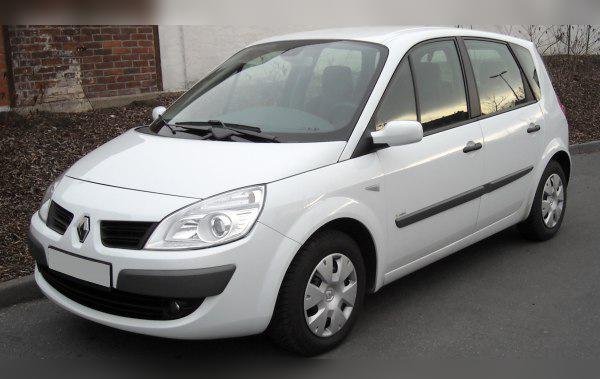
Renault 1.6 16V K4M (112 HP): Experiences, issues, fuel consumption and used-car buying tips
- Old-school petrol engine: Reliable, naturally aspirated engine without unnecessary electronics, ideal for cheap maintenance.
- Achilles’ heel – VVT pulley: Rattling noise at first start-up indicates a worn variable camshaft pulley.
- LPG king: The engine works perfectly with a sequential LPG system, which drastically cuts running costs.
- Avoid the automatic: The 4-speed DP0 automatic gearbox is prone to failures and increases fuel consumption.
- Noisy on the motorway: Due to the short 5-speed gearbox, at 130 km/h the engine spins at around 4000 rpm.
- Maintenance is not expensive: No dual-mass flywheel, no costly turbocharger and no complicated injectors.
Contents
- Introduction: A pillar of the French car industry
- Technical specifications
- Reliability and maintenance
- Specific parts and costs
- Fuel consumption and performance
- Extras: LPG and remapping
- Gearbox and drivetrain
- Buying used and conclusion
Introduction: A pillar of the French car industry
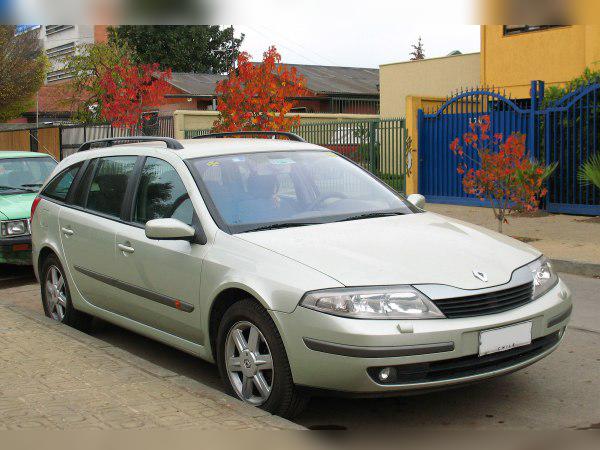
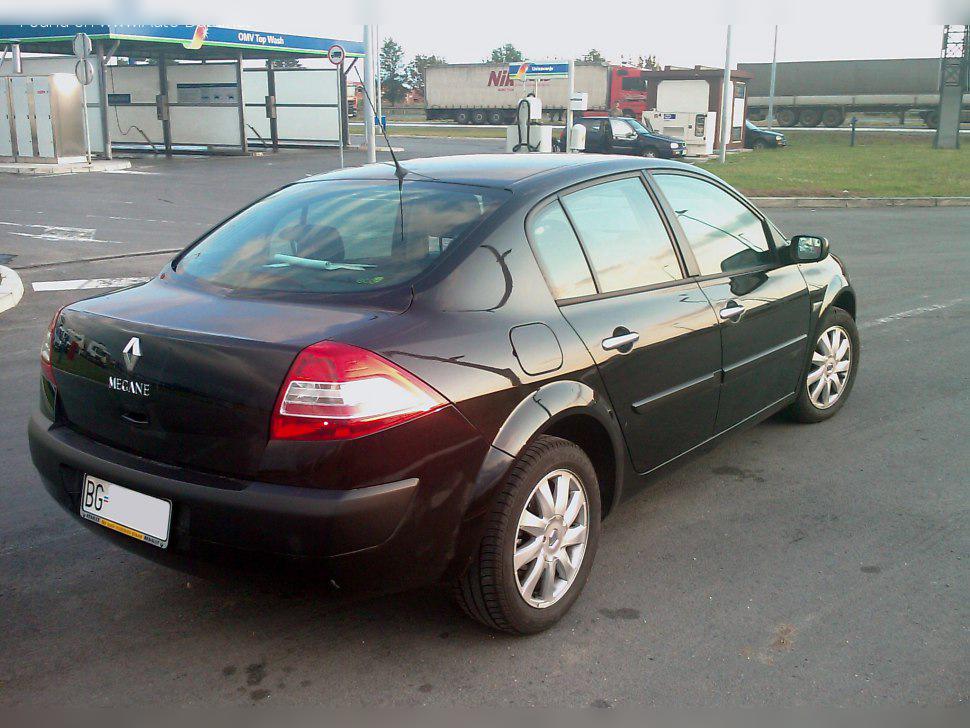
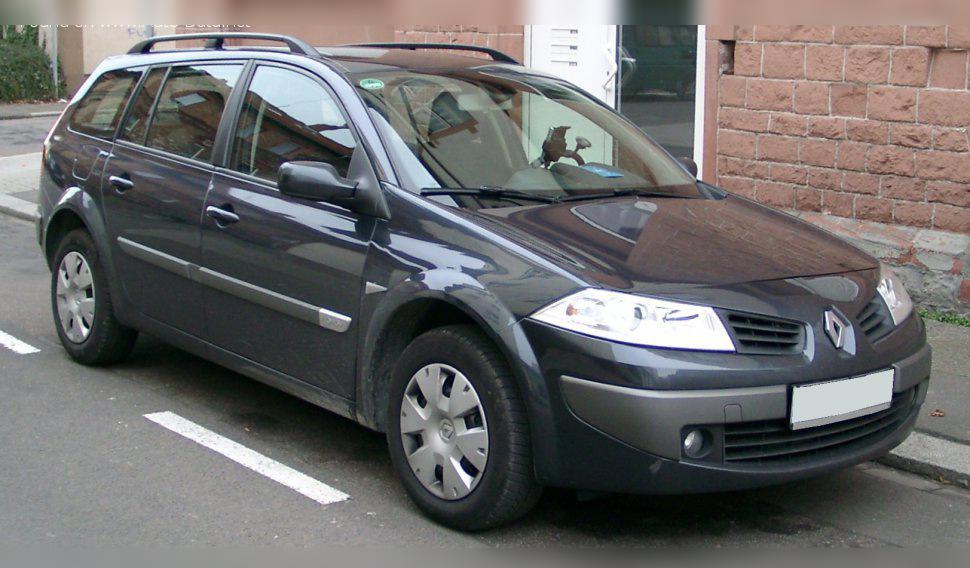
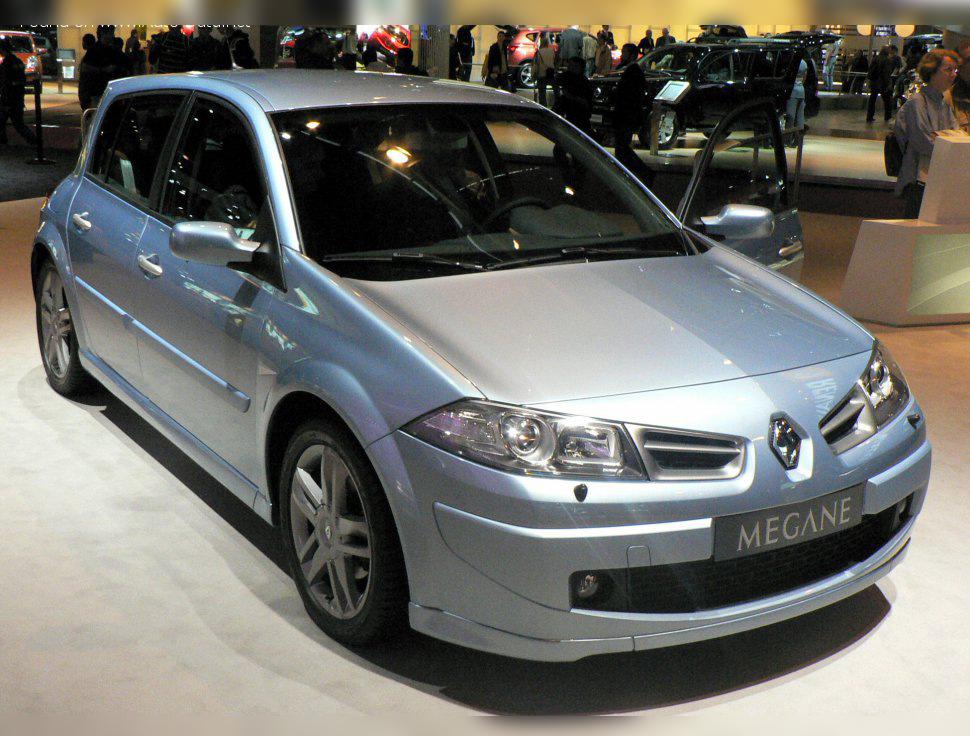
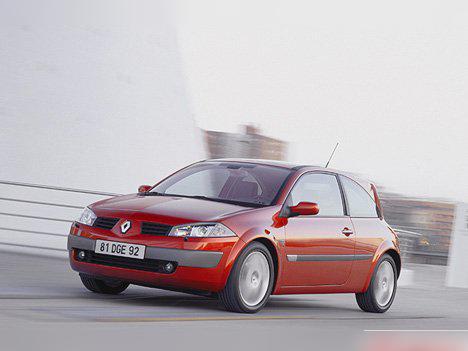
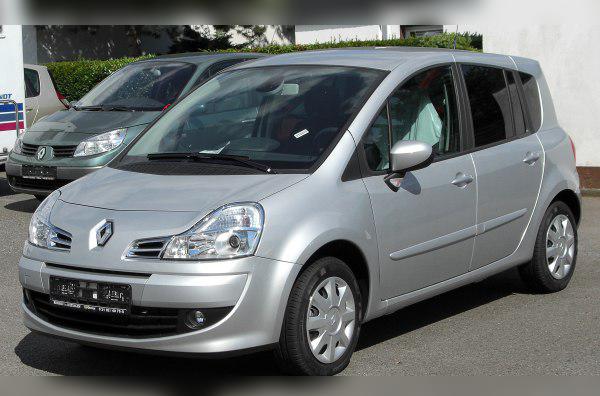
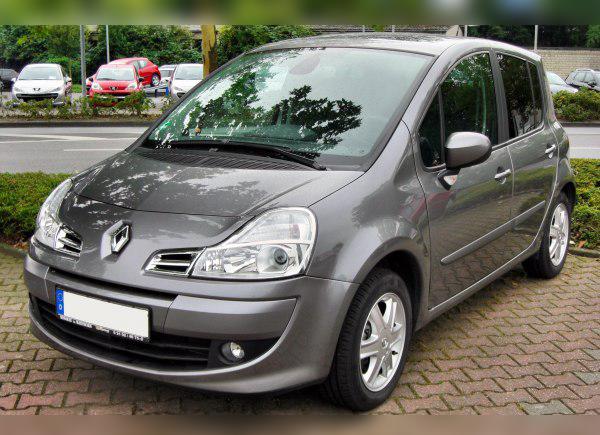
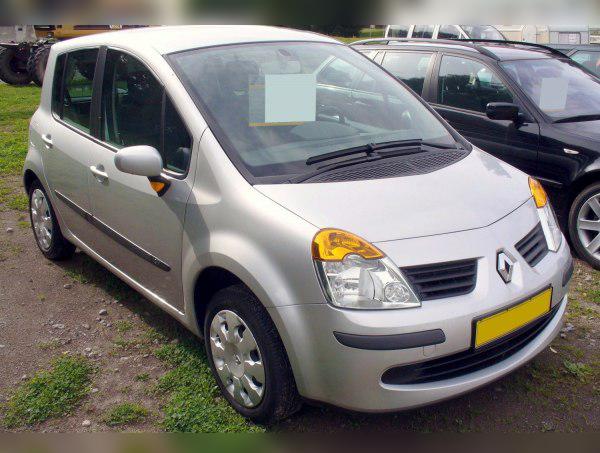
When you mention a Renault from the 2000s, the K4M 1.6-litre 16-valve engine is probably the first thing that comes to mind for any experienced mechanic. With its 112 HP (82 kW), this unit represented the “golden middle ground” and was widely installed across the entire model range – from the compact Modus and Clio, through the hugely popular Megane II series, all the way to heavier cruisers such as the Laguna II and family Grand Scenic models. Although it was not designed to break speed records, its robustness, simplicity and tolerance of harsher operating conditions made it one of the most sought-after petrol engines on the used-car market.
Technical specifications
| Specification | Data |
|---|---|
| Engine displacement | 1598 cc |
| Engine power | 82 kW (112 HP) |
| Torque | 152 Nm at 4200 rpm |
| Engine code | K4M (various extensions such as 760, 812 depending on the model) |
| Injection type | Multipoint (indirect injection into the intake manifold) |
| Induction | Naturally aspirated engine |
| Fuel type | Petrol (Gasoline) |
Reliability and maintenance
This unit belongs to the old school of engineering, which basically means there aren’t many expensive components that can leave you stranded. Still, it has its own quirks that every owner needs to be aware of.
Timing belt and major service
The K4M engine uses a timing belt. The major service (replacement of timing belt, tensioner, idler pulleys, water pump and auxiliary belt with related components) is officially scheduled at around 90,000 to 120,000 km, but workshop practice says this interval should be shortened to 60,000 to 80,000 km or every 4 to 5 years, whichever comes first. A snapped belt leads to total engine failure and bent valves, so this is not something to gamble with.
Most common failures: causes and symptoms
- Variable camshaft pulley (VVT): This is the best-known problem of the 112 HP version (lower-output versions don’t have it). The symptom is a diesel-like noise at cold start (a characteristic “rattling” in the first few seconds) and occasional stalling until the engine warms up. It fails due to dirty oil and loss of oil pressure. It should be replaced during the major service if there are any signs of wear.
- Ignition coils: For years Renault used Sagem coils, which were sensitive to heat and moisture. Symptoms: The engine runs on three cylinders, jerks when you press the accelerator, loses power and the “Check Engine” light comes on. The solution is to fit higher-quality aftermarket coils (e.g. Beru, Denso).
- Crankshaft position sensor (TDC sensor): It often collects metal shavings. Symptom: The engine cranks but won’t start, especially when hot. Often it’s enough just to clean the sensor and its contacts.
- Dirty throttle body: Causes rough idle, fluctuating revs (engine “surging”) or difficult starting. Regular cleaning and calibration solve the problem.
Oil and service intervals
The engine takes exactly 4.8 litres of oil. The recommendation is fully synthetic oil of grade 5W-40 (factory recommendation is Elf Evolution). Do the minor service every 10,000 to 15,000 km at most (ignore the factory 30,000 km interval, as it accelerates VVT pulley wear).
As for oil consumption, a completely healthy K4M should not consume large amounts. However, due to age and worn valve stem seals, consumption of about 0.3 to 0.5 litres per 1000 km is considered acceptable on older examples. If it uses more than that, the problem is worn piston rings or hardened valve stem seals.
Spark plugs and ignition system
Since this is a petrol engine, spark plugs are extremely important. The factory recommendation is replacement every 60,000 km. However, if the car is mostly driven in city traffic or has LPG installed, the interval should be halved to 30,000 km in order to protect the coils from excessive load.
Specific parts and costs
The great news for potential buyers is what this engine does not have.
- Dual-mass flywheel: DOES NOT EXIST. This engine uses a simple, solid flywheel, which means clutch replacement is drastically cheaper compared to modern diesels.
- Fuel injection system: It uses classic, indirect multipoint injection (MPI). Petrol injectors work at low pressure, are extremely durable and rarely cause problems. If they clog, a simple ultrasonic cleaning solves it. The cost of maintaining the injection system is minimal.
- Turbocharger: DOES NOT EXIST. This is a naturally aspirated engine. No worries about turbo cooling, whining noises, oil leaks on the shaft and expensive overhauls.
- DPF filter, EGR and AdBlue: As this is a pure, classic petrol engine, it has no DPF filter or AdBlue system, which are a nightmare for modern diesel owners. Some early models or specific Euro emission versions may have an EGR valve, but on K4M engines it is absolutely not problematic, while most versions use only a catalytic converter and lambda sensors for exhaust gas treatment.
Fuel consumption and performance
This is where an older naturally aspirated petrol engine faces the reality of physics.
Real-world fuel consumption and city driving
In heavy city traffic (stop-and-go), consumption is between 9 and 11 litres per 100 km. In heavier bodies such as the Laguna II, Scenic or with an automatic gearbox, that figure is closer to 11–12 litres. Weight takes its toll. On open roads you can get it down to about 6 to 7 litres with a light right foot.
Power-to-weight ratio (Is it “sluggish”?)
Short answer: Yes, in larger models it is very sluggish. The torque of only 152 Nm is available only at a high 4200 rpm. This means you have to rev the engine high to feel any acceleration. In a Laguna II Grandtour or Grand Scenic, fully loaded and going uphill, it requires frequent downshifts and a lot of patience. On the other hand, in a light Clio, Modus or Megane hatchback it offers perfectly acceptable, even lively performance.
Behaviour on the motorway
This is not an engine for frequent long-distance motorway trips. With the standard 5-speed manual gearbox, at a cruising speed of 130 km/h the engine spins at a rather high 3800 to 4000 rpm. This results in increased cabin noise (the engine “screaming”) and fuel consumption exceeding 8.5 litres of petrol. It really needs a 6th gear to calm it down.
Extras: LPG and remapping
LPG conversion
This is one of the best engines for conversion to LPG. Thanks to indirect injection and hydraulic tappets (which automatically adjust valve clearance), the engine tolerates LPG operation perfectly. Installing a standard sequential LPG system is routine, not expensive, and given the city petrol consumption, the investment pays off very quickly. With regular spark plug and gas filter changes, the engine will cover hundreds of thousands of kilometres on LPG without damaging the valves.
Remapping (Stage 1)
To put it in workshop slang: A waste of money. On small-displacement naturally aspirated engines, software “tuning” brings almost no noticeable gains. In the best case you might get an extra 5 to 8 HP, which in practice you won’t feel given the vehicle’s weight. If you need a faster car, buy the 2.0 Turbo (F4R) engine instead of remapping a 1.6 petrol.
Gearbox and drivetrain
Types of gearboxes
The K4M 1.6 16V was mostly paired with 5-speed manual gearboxes (codes JH3 and JR5) and 4-speed automatic gearboxes (the infamous DP0, also known as AL4 in the PSA group).
Gearbox failures and maintenance
- Manual gearbox (5-speed): Very robust. The most common issue is oil leakage at the gear selector shaft seal. If the oil leaks out and the driver doesn’t notice, the gearbox runs dry and fails. Service interval: The oil (usually 75W-80 Tranself) should be preventively changed every 80,000 to 100,000 km.
- Automatic gearbox (DP0 / 4-speed): It is recommended to avoid it. This gearbox is known for harsh shifting, overheating and frequent failures of the solenoids in the valve body. Symptoms are jolts when shifting from first to second gear, getting stuck in 3rd gear (safe mode) with a “Check Gearbox” warning. Repairs are not cheap (depends on the market), and the gearbox itself strangles the engine’s power and increases fuel consumption. If you have one, partial oil changes are mandatory every 40,000 to 60,000 km.
Clutch and costs
As mentioned, there is no dual-mass flywheel. A clutch kit (pressure plate, disc, release bearing) typically lasts around 150,000 km, depending on driving style. The price of the kit and labour is very affordable and falls into the category of cheap repairs (market-dependent).
Buying used and conclusion
What exactly should you check before buying?
- Cold start: Insist that the car is completely cold. Listen to the sound while cranking and during the first two seconds of running. If you hear metallic rattling (like a diesel), immediately factor in the cost of a major service and a new VVT pulley.
- Test at idle and under throttle: At idle the engine must run very smoothly. If the steering wheel or gear lever vibrates, the problem may be a simple coil or dirty throttle body, but also worn engine mounts, which are a common issue on the Megane and Laguna.
- Visual inspection underneath the engine: Check the joint between engine and gearbox, as well as the manual gearbox linkage area, for traces of old oil.
- Checking the automatic: If you are still considering an automatic, warm it up to operating temperature and drive it hard in stop-and-go city traffic. If the gearbox shifts harshly (kicks) when changing gears, walk away from the deal.
Who is this engine for?
The Renault 1.6 16V K4M (112 HP) is aimed at drivers who prioritise low running costs and predictable maintenance, and are not interested in speed or sporty performance. It is an ideal choice for family people (in a Megane Estate or Scenic) who want a comfortable car they can run cheaply on LPG, without worrying about dual-mass flywheels, DPF filters or injectors. If you cover a lot of kilometres in the city and on local roads, this is one of the safest choices. For long motorway journeys at high speeds, however, you should consider a 2.0 diesel.