Renault 1.6 16V (K4M 858) – Experiences, problems, fuel consumption and used car buying tips
Key points in short (TL;DR)
- Old-school mechanics: Extremely reliable naturally aspirated petrol engine without complicated and expensive systems.
- Low maintenance costs: No turbocharger and no dual-mass flywheel. Parts are affordable (Depends on the market).
- Ideal for LPG: Indirect injection makes it one of the best engines for LPG conversion.
- Lack of power: In the heavy Megane III body, the engine is quite “lazy”, especially on uphill sections and when overtaking.
- High revs on the highway: At 130 km/h the engine is noisy and consumes more fuel due to short gear ratios.
- Typical weak points: Ignition coils, crankshaft position sensor and phase shifter (VVT pulley).
Contents
- Introduction: The indestructible French engine in a modern package
- Technical specifications
- Reliability, maintenance and common failures
- Specific parts and costs
- Fuel consumption and performance
- Extras, LPG and “chipping”
- Gearbox and drivetrain
- Buying used and conclusion
Introduction: The indestructible French engine in a modern package
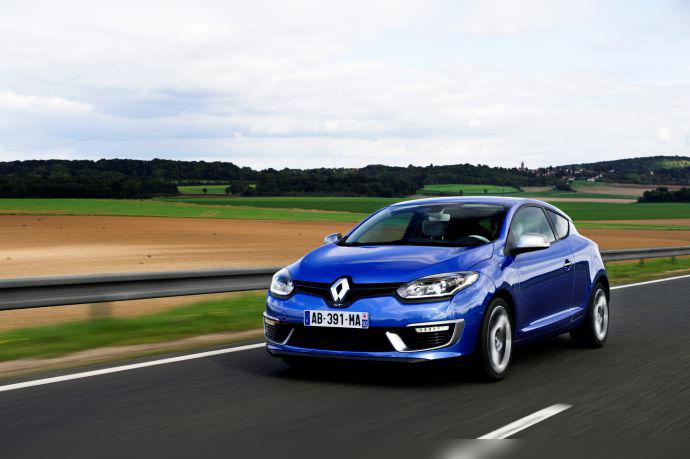
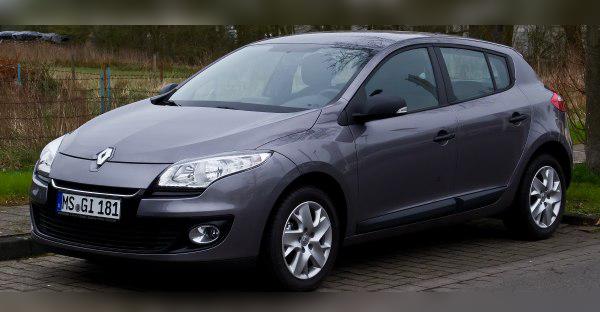
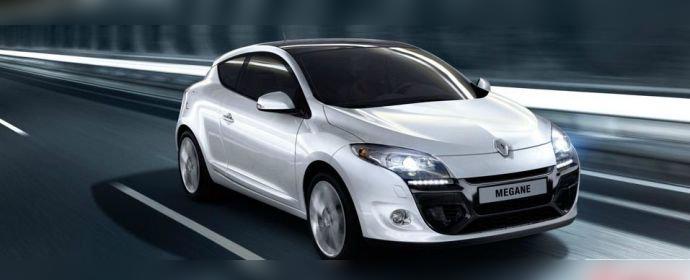
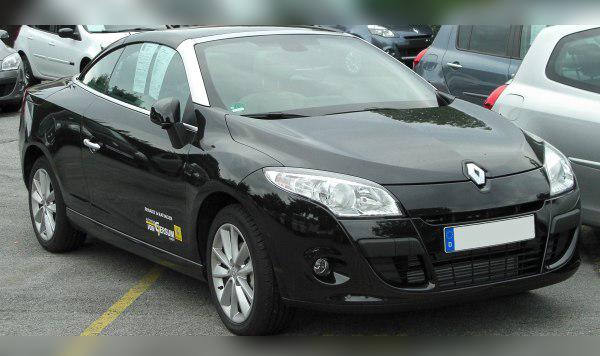
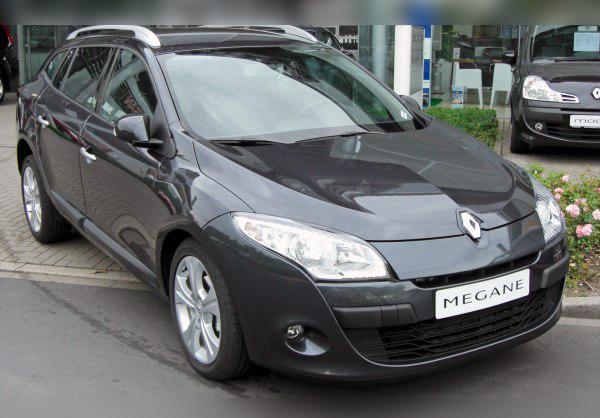
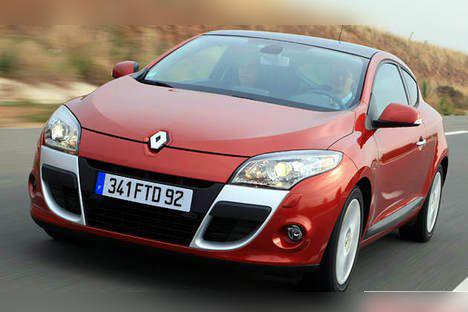
The K4M 858 engine is one of the last iterations of Renault’s famous 1.6 16V family of naturally aspirated petrol engines, before “downsizing” and turbo engines took over. Installed in almost all versions of the third-generation Megane (Hatchback, Coupe, Grandtour estate, and even the heavy CC convertible), this engine was the choice of drivers who prefer peace of mind and cheap maintenance over sporty performance.
Technical specifications
| Specification | Value |
|---|---|
| Engine displacement | 1598 cc |
| Engine power | 81 kW (110 hp) |
| Torque | 151 Nm |
| Engine code | K4M 858 (and related derivatives) |
| Injection type | Indirect (MPI - Multi-Point Injection) |
| Aspiration | Naturally aspirated |
Reliability, maintenance and common failures
This engine is known among mechanics as a “mule”. Still, it has a few specific weak points every owner should be aware of.
Timing belt and major service
Unlike some competing engines, the K4M uses a timing belt, not a chain. Intervals for the major service are strict. It is recommended to replace the entire kit (belts, tensioners, idler pulleys and water pump) every 60,000 to 80,000 km or at least every 5 years. If the belt snaps, it will cause serious damage to the cylinder head and bend the valves, which is an extremely expensive repair (Depends on the market).
Oil and oil consumption
The engine takes approximately 4.8 liters of oil, and the factory recommendation is fully synthetic oil of 5W-40 grade. Oil consumption is not an alarming issue with this engine. It is considered completely normal for it to consume 0.3 to 0.5 liters between two services (over 10,000 km), especially if the car is often driven on the highway at high revs. If it consumes more than one liter per 10,000 km, it is time to check the valve stem seals.
Typical failures: Coils, crank sensor and phase shifter
The most common reason why this engine will leave you stranded or run poorly are the ignition coils. The symptoms are obvious: the engine misfires, shakes at idle, loses power and the “Check Engine” light comes on. That is why it is crucial to replace the spark plugs every 30,000 to 40,000 km at most. A bad spark plug puts additional stress on the coil, causing it to overheat and fail.
The second well-known weak point is the crankshaft position sensor (TDC sensor). If the car cranks but refuses to start (especially when the engine is warm), this is the main suspect. Replacement is not expensive (Depends on the market).
The third and most expensive specific issue is the phase shifter (VVT camshaft pulley). If, on a cold start in the morning, the engine sounds like an old diesel with a characteristic rattling noise that lasts a few seconds, the phase shifter is worn out. It is usually replaced as part of the major service.
Specific parts and costs
What is encouraging with this engine is the list of things it does not have. Since it is a classic naturally aspirated petrol engine, you will not have headaches with components that usually give nightmares to modern diesel owners.
- Turbocharger: The engine is naturally aspirated, which means it draws air in naturally. There is no turbo that can fail or start whining.
- Flywheel: Manual gearboxes use a simple (solid) flywheel. There is no dual-mass flywheel, which significantly reduces clutch replacement costs. The price of a complete kit (friction disc, pressure plate, release bearing) is very reasonable (Depends on the market).
- Emissions equipment (DPF, AdBlue, EGR): As a petrol engine, it has no DPF filter and does not use AdBlue fluid. The clogged EGR valve problem, typical for diesels, does not exist here in that form.
- Injection system: The system is MPI (indirect injection). Injectors are extremely durable, rarely fail, and if they do get dirty due to poor fuel quality, they can be easily and cheaply cleaned in an ultrasonic bath.
Fuel consumption and performance
If you expect sporty acceleration, you are looking at the wrong engine. With only 151 Nm of torque, available only at high revs (above 4000 rpm), this engine really struggles with the weight of the Megane III. The situation is even worse if you are buying the Grandtour (estate) or CC (convertible) versions, which are even heavier.
The engine is noticeably “lazy” at low revs. For safe overtaking on country roads, you must shift down and push the engine deep into the high rev range, which directly increases cabin noise.
City fuel consumption in real stop-and-go conditions ranges between 8.5 and 10.5 l/100 km, depending on driving style and time of year. On open roads this figure can drop to around 6 liters.
On the highway the engine shows its biggest weaknesses. At a cruising speed of 130 km/h, in fifth gear the engine spins at around 3800–4000 rpm. Engine noise becomes quite tiring and fuel consumption rises above 7.5 l/100 km.
Extras, LPG and “chipping”
LPG installation
Due to indirect fuel injection and relatively simple electronics, this K4M engine is one of the best units on the market for LPG conversion. A well-tuned sequential LPG system works perfectly, does not trigger warning lights on the dashboard and does not damage the valves if the system is regularly maintained. The investment in LPG pays off quickly, and the installation cost is not high (Depends on the market).
Chipping (Stage 1)
Is it worth remapping this engine? No. Increasing power on naturally aspirated engines solely through software (Stage 1 remap) is not cost-effective. In the best case you will gain an extra 5 to 8 hp and a few Nm of torque, which is absolutely imperceptible in everyday driving. For serious power gains you need a turbocharger.
Gearbox and drivetrain
With the K4M 858 in the Megane III you will most often find a five-speed manual gearbox (JH3), while some versions came with a six-speed manual (TL4). The five-speed gearbox is virtually indestructible, but it lacks a sixth gear for highway cruising. The most common complaint from drivers is slight stiffness of the gear lever when the engine is cold in winter conditions, as well as minor oil seepage at the gear selector seal.
As for automatic options, CVT gearboxes (continuously variable) or the old 4-speed automatic (DP0/AL4 depending on the exact market and year) were installed. The old 4-speed automatic should be avoided because it sends fuel consumption through the roof, strangles what little power the engine has, and is known for overheating and solenoid failures, which cause harsh jerks when changing gears.
Although many say that the oil in the manual gearbox is “lifetime”, experienced mechanics recommend changing the oil in the manual gearbox every 80,000 km. For automatic gearboxes, an oil change is absolutely mandatory at least every 60,000 km.
Buying used and conclusion
When looking at a used Megane with the 1.6 16V engine, you should focus on the following:
- Cold start: Ask the seller not to start the car before you arrive. Listen to the engine during the first 5 seconds of operation – if it rattles, immediately factor in the cost of replacing the phase shifter.
- Engine bay inspection: Look for traces of oil around the valve cover and at the bottom near the oil pan. These engines tend to “weep” slightly at the gaskets as they age.
- Idling: The engine should run smoothly. Any shaking or vibration in the steering wheel suggests worn engine mounts or issues with coils/spark plugs.
- Clutch: Since the clutch is not subjected to high torque, it should be very light. If it is heavy and bites very high, be prepared to replace the clutch kit.
Who is this car for?
The Renault Megane III with the 1.6 16V (110 hp) engine is not for “racers”, nor is it the ideal choice for people who drive tens of thousands of kilometers a year on highways across Europe. However, it is a perfect choice for the average driver, families and for city and suburban driving. If you install a quality LPG system, you will get a reliable, robust and very comfortable car whose maintenance and running costs will not ruin your budget.