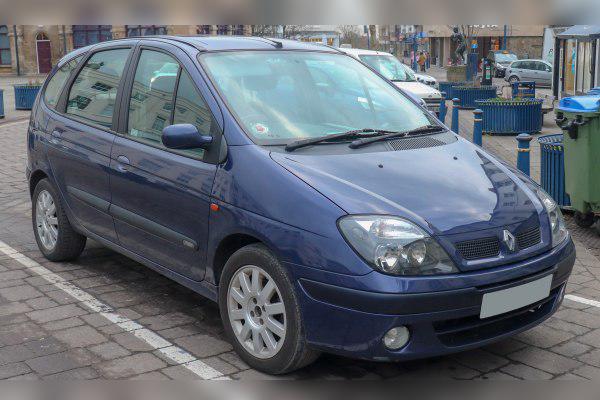
Renault 1.6 8V (K7M) engine: Experiences, issues, fuel consumption and used car buying guide
Key points (TL;DR):
- Old-school mechanics: Extremely reliable, naturally aspirated 8-valve petrol engine that tolerates a lot of abuse.
- Excellent for LPG: This engine loves LPG, and installing it drastically reduces running costs.
- Cheap maintenance: No dual-mass flywheel, no turbocharger, and no sensitive high-pressure injectors.
- Noisy on the highway: At 130 km/h the revs are high, which increases both noise levels and fuel consumption.
- Automatic gearbox problems: If you’re buying a version with an automatic transmission, be prepared for potentially expensive hydraulic repairs.
- Minor faults: The most common headaches are ignition coils, a dirty idle control valve and slight oil leaks.
Contents:
- Introduction and basic information
- Technical specifications
- Reliability and maintenance
- Specific parts and costs
- Fuel consumption and performance
- Additional options and modifications
- Gearbox and drivetrain
- Buying used and conclusion
Introduction and basic information
Renault’s K7M engine is a true veteran in the automotive world. It is a naturally aspirated 1.6-litre petrol engine with a single camshaft and 8 valves. In a world dominated by small turbo three-cylinders, this engine is a real throwback to the times when engines would cover hundreds of thousands of kilometres with minimal maintenance.
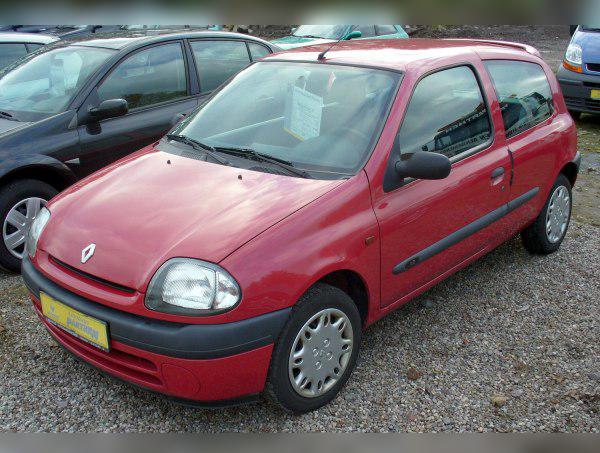
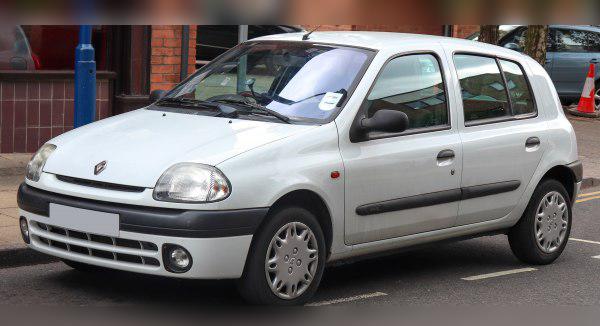
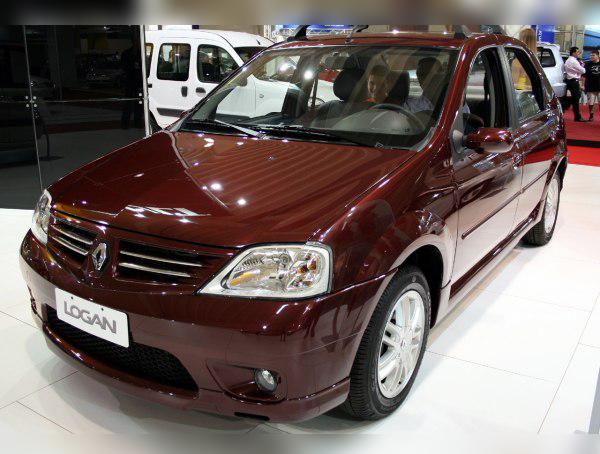
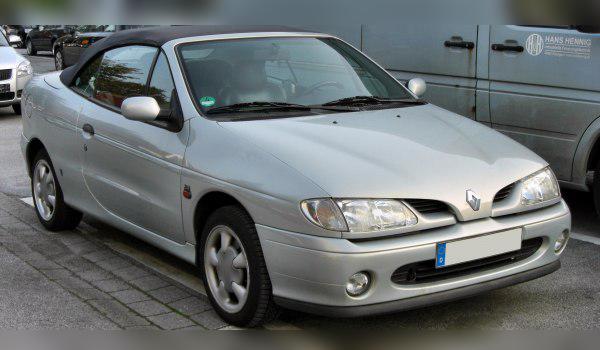
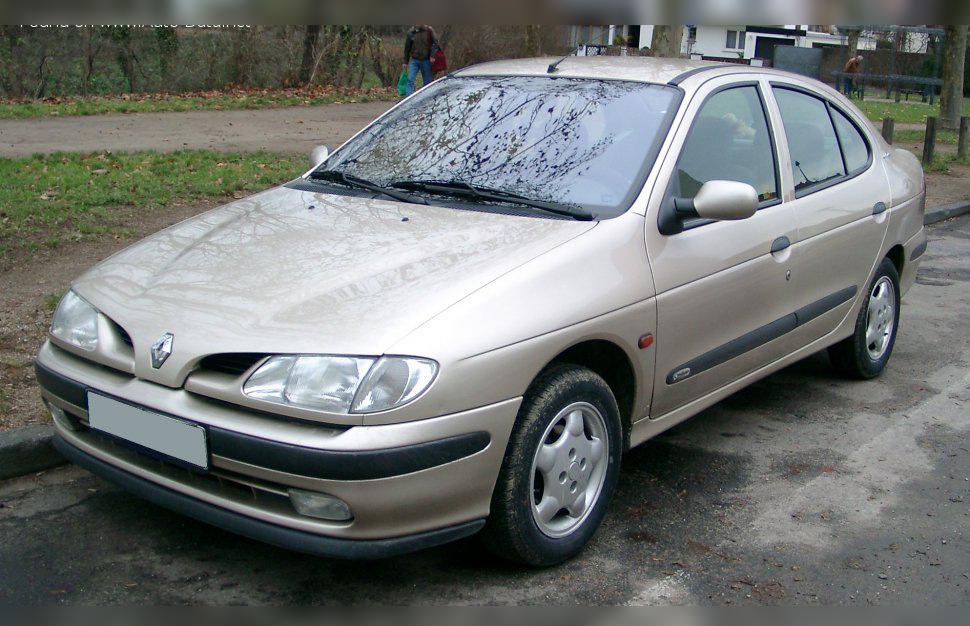
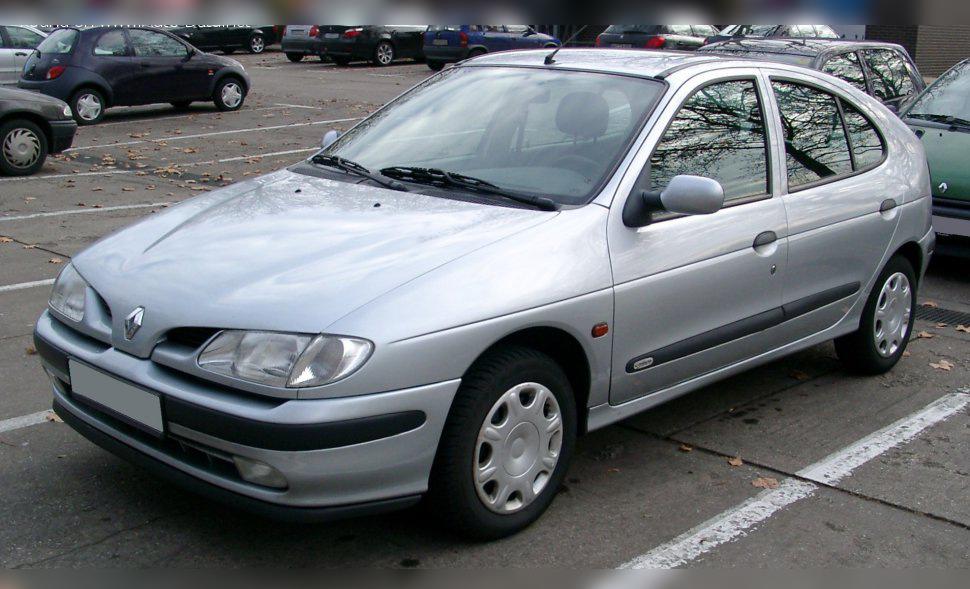
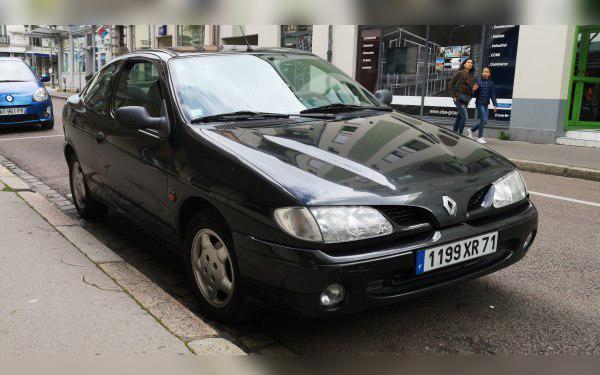
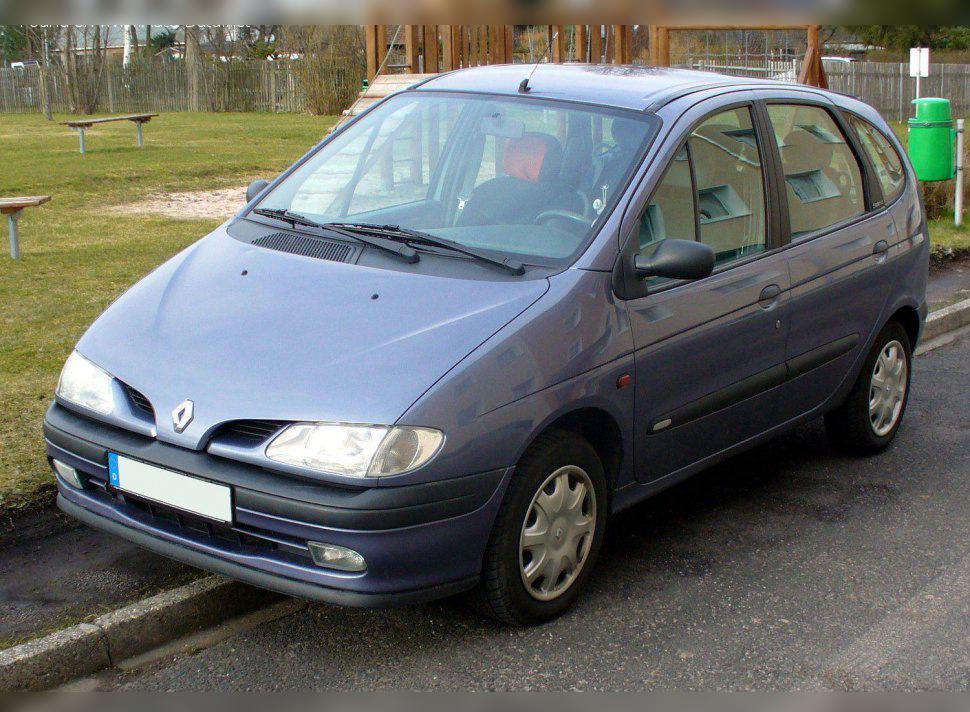
It was installed in a huge number of models from the late nineties and early 2000s, including the Renault Clio II, Megane I, Scenic I, Kangoo, and all the way to the Dacia (Renault) Logan models. Thanks to its reliability, this engine was the first choice for drivers looking for simple transport from point A to point B without astronomical service bills.
Technical specifications
| Specification | Data |
|---|---|
| Engine code | K7M |
| Engine displacement | 1598 cc |
| Engine power | 66 kW (90 hp) |
| Torque | 131 Nm |
| Timing system | Timing belt (8 valves / SOHC) |
| Injection type | Indirect injection (MPI) |
| Charging system | Naturally aspirated (No turbo) |
Reliability and maintenance
Timing belt and service intervals
For the timing system, the K7M engine uses a timing belt. Its design is quite simple, but it requires regular replacement. The major service is recommended every 60,000 km or every 4 to 5 years, depending on which comes first. Skipping this service can lead to belt failure and valve damage, although repairing this cylinder head is cheaper compared to modern 16V engines.
Oil and oil consumption
This engine takes about 3.3 to 3.4 litres of engine oil. The most commonly recommended grades are 10W-40 (for older, higher-mileage engines) or 5W-40 synthetic oil. The design of the piston rings and block is extremely robust, so the K7M generally does not burn oil between services. A loss of up to 0.5 litres per 10,000 km is considered completely normal, but if you notice higher consumption, the cause is usually leaking seals and gaskets rather than engine wear itself.
Most common faults and symptoms
This is an extremely reliable engine, but it still comes with some typical “French quirks”:
- Ignition coil failure: One of the most common issues. The driver will notice jerking under acceleration, the engine running on “three cylinders”, loss of power and the “Check Engine” light coming on. Replacement is simple and inexpensive (depends on market).
- Idle control valve (stepper motor): Due to dirt in the intake, idle speed starts to fluctuate, stays at high revs or the engine stalls at traffic lights. Often it’s enough just to remove and clean this part.
- Crankshaft position sensor (TDC sensor): If the starter turns but the engine won’t fire up when hot, this sensor has most likely failed or its contacts have oxidised.
- Oil leaks from the valve cover and oil pan: After many years, gaskets harden and start to seep, so the engine can look grimy from below. This is easily solved by resealing.
Spark plugs
Since this is a classic petrol engine, replacing the spark plugs is part of regular maintenance. Replacement is recommended every 30,000 to 40,000 kilometres. Worn spark plugs often cause premature coil failure, so don’t try to save money on this cheap part.
Specific parts (Costs)
What makes every owner of this engine happy is what this engine does not have.
- Dual-mass flywheel: This engine uses a classic solid flywheel. The clutch is simple and the cost of replacing the complete clutch kit falls into the “not expensive” category (depends on market).
- Injection system: It uses good old MPI (Multi-Point Injection) indirect injection. The injectors operate at low pressure, are very resistant to poor-quality fuel and rarely fail. If they get dirty, symptoms include slight jerking and harder cold starts in the morning, and the problem is permanently solved by ultrasonic injector cleaning.
- Turbocharger and emissions equipment: The K7M has no turbocharger. It has no EGR valve (on most versions), no DPF filter and absolutely no AdBlue system. This eliminates all the potentially most expensive failures we see on modern cars.
Fuel consumption and performance
City driving and “sluggishness”
Real-world fuel consumption in city traffic is one of the few downsides of this engine. Due to its old 8-valve design, you can expect consumption of 8.5 to over 10 litres per 100 km, especially in heavy traffic or in heavier vehicles with the air conditioning on.
Is the engine “sluggish”? That depends entirely on the chassis. In a light Renault Clio or Dacia Logan, with 90 hp and 131 Nm of torque, the car is quite lively for city driving. However, if this engine is pulling the heavy body of a Renault Scenic or Kangoo, the lack of power becomes noticeable as soon as you load it with passengers or cargo. You’ll have to rev it higher to get it moving, which directly affects fuel consumption.
Behaviour on the highway
The K7M is not a highway champion. The gearboxes are short-ratio (to extract as much power as possible in the city). As a result, at a cruising speed of 130 km/h the engine spins at a high 3,500 to 4,000 rpm (depending on the gearbox). Because of this, cabin noise becomes noticeable and highway fuel consumption can climb to nearly 8 l/100 km.
Additional options and modifications
LPG conversion
This is probably one of the best engines on the market for LPG conversion. The valves and valve seats are very durable, and the intake manifold is ideal for standard sequential LPG systems. With LPG, city running costs drop dramatically and effectively cancel out its main drawback – higher petrol consumption.
Chiptuning (Stage 1)
Given that this is a small-displacement naturally aspirated petrol engine, “chiptuning” this engine is a waste of money. A Stage 1 remap will give you at most 5 to 7 hp, which is completely unnoticeable in real driving. It’s better to invest that money in a proper service or an LPG conversion.
Gearbox
Manual gearboxes (JB3/JH3)
This engine is most commonly paired with a classic five-speed manual gearbox. The gearbox itself is long-lasting, but it has one well-known flaw – oil leakage at the gear selector shaft seal (the lever that goes into the gearbox). This leak is slow, but if the driver ignores it and the gearbox runs low on oil, the bearings will fail first, followed by fifth gear. That’s why a visual inspection and oil level check in the gearbox is recommended at every service. It’s advisable to change the oil in the manual gearbox every 60,000 km.
As already mentioned, replacing the clutch kit without a dual-mass flywheel is a very affordable job (depends on market).
Automatic gearbox (DP0 / AL4)
Certain versions (Clio, Megane, Scenic) were offered with a four-speed automatic gearbox designated DP0 (developed together with the PSA group, where it is known as AL4). This gearbox is sensitive and often problematic.
The most common failures involve the solenoid valves in the valve body. Symptoms include harsh shifts and jerking when changing from first to second gear, as well as “limp mode” (the car is locked in third gear) when the gearbox overheats. For this gearbox to survive, strict oil changes every 40,000 to 60,000 km are essential. Overhauling this gearbox is expensive (depends on market), so you should be extremely careful when buying a used car with it.
Buying used and conclusion
What to check when buying?
- Cold start: The engine should start instantly, without harsh noises. A sewing-machine-like sound at idle is normal for this type of 8V engine, but metallic knocking is not.
- Idle fluctuations: If the rev counter is bouncing up and down while the car is stationary, the problem is probably a dirty intake or idle control valve.
- Visual inspection under the car: Be sure to check the joint between engine and gearbox. An oily lower area is common; what matters is that oil is not actively dripping onto the engine undertray.
- Checking the automatic: If you’re buying an automatic, insist on a test drive until the car is fully warmed up. A cold gearbox can work perfectly, while it starts to jerk once hot.
Who is this engine for?
The Renault 1.6 8V (K7M) with 90 horsepower is intended for drivers with a rational approach to motoring. This is not an engine for drag racing at traffic lights, nor for spending most of its life cruising European motorways at high speeds. This is a reliable “workhorse” – an engine that will serve you faithfully for years, at a very low cost of regular maintenance. The ideal purchase is pairing this engine with a manual gearbox and a sequential LPG system, giving you a vehicle whose running costs are lower than riding a scooter.